
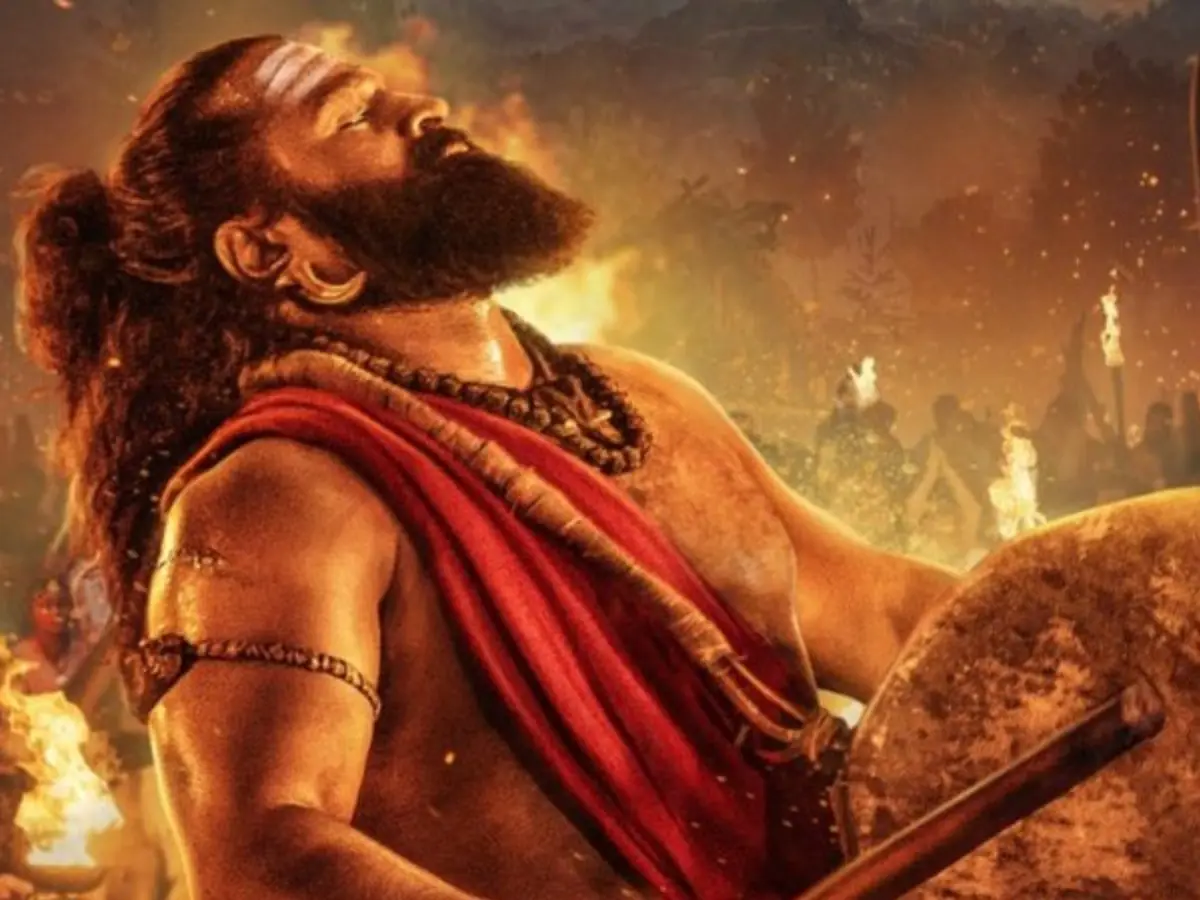
&imwidth=800&imheight=600&format=webp&quality=medium "Kantara Chapter 1 vs Kantara: Rishab Shetty's fall from brilliance to mediocrity")
When you first saw Rishab Shetty's Kantara, what did it mean to you? A film that introduced a folk culture that many were not very aware of. At the core, it was the story of human greed intertwined with folkllore, culture, and tradition, and the result was insanely entertaining. And that sound, which if we write as "wooooooaaav," numbed the audience.
Three years down the line, the Kantara world has evolved into a full-fledged commercial franchise. Directed and written by Rishab Shetty, Kantara Chapter 1 is a worthy prequel that has top-notch action, gripping visuals, a grand scale, and above all, impactful performances. However, with this new film, Kantara misses its original magic and essence.
Both parts of the films are totally different. While the first was set in the modern world, where there is a man vs nature conflict with mythology infused, the newer version tells the origin story of Kantara, taking place in the Kadamba dynasty. In this one, there is a fight of greed, values, power, and, obviously, Kantara, the mysterious part of the forest that is again the centre of discussion. However, Kantara Chapter 1 is no longer a folklore saga, but a full-fledged commercial film, with action, top-notch VFX, the best camerawork, and gripping performances- all that caters to the audience and ensures box office success.

The Story of Kantara: Chapter 1
Chapter 1 kicks off centuries before the first Kantara, explaining the origin story of the mystic forest, Kantara, which has been protected by the gods’ powers, Panjurli and Guliga. Narrating the story from where Shiva’s father, the Bhoota Kola performer in the first film, then Shiva, disappeared, Kantara Chapter One takes you back to the time of the Kadamba dynasty, whose king, Vijayendra (Jayaram), has a history with the Kantara forest, and who also lost his father to the divine power of the forest. Years passed, and Vijayendra managed to keep his family and people away from the forest by spreading the rumour of a Brahmarakshasa (forest demon) residing in it. Years later, Vijayendra passed his throne to his son Kulasekhara (Gulshan Devaiah), who, disobeying his father, crossed the boundary to enter the world of Kantara.
Here, we are introduced to the tribe that has been living in the forest for years, afraid to step out of their abode. However, there is Berme, a rebellious warrior, fearless and unafraid, who steps into the new world of kings, unaware of the possibilities the land holds.
Trending Stories
)
US vs China over South China Sea: Washington backs Philippines, Beijing hits back
)
Bigg Boss 20: Isha Rikhi evicted after three weeks in Salman Khan’s show
)
Musk plans to more than double xAI's chips to over 1.2 million Nvidia GPUs by year-end
)
After JU, clash erupts at SRFTI: BJP’s ‘Dimagi Naxal’ jibe sparks political firestorm after students protest RSS-linked event
)
‘Anti-social elements spreading false rumours’: LPU issues statement amid massive unrest over alleged rape
)
LPU students go on rampage, vandalise campus amid widespread protest: What's happening
)
Trump asked Xi to pressure Iran. China did not say yes — here’s what Beijing wants
)
US Treasury Secretary Scott Bessent hails global crackdown on Iranian banks and airlines
)
An OpenAI agent escaped its locked test cage again, by hiding questions in DNS lookups
)
'Our video was trimmed': LPU girls who featured in rape-denial video make U-turn
)
3 males killed, four others injured in shooting after fight at strip club in Detroit
)
'Victory for low-budget consumers': Raghav Chadha hails 30-day telecom recharge rules
)
Claude rebuilt the 1989 game 'Prince of Persia' by reusing the original's own code
)
Beyond metros: How Tier-2 and Tier-3 cities could drive India’s next AI wave
)
Tesla builds first Cybertruck with its own refined lithium: Elon Musk's $1 billion Texas bet pays off
)
IndiGo flight suffers tail strike in Bengaluru while landing; DGCA to probe incident
)
The US and China set up an AI 'red telephone', but skipped the rulebook
)
‘Terror suspects arrested near UK air base were looking to do big damage’: Trump
)
Russian envoy claims US tactics to contain India were revealed in ‘Freudian slip’
)
IND vs WI 1st ODI: Kohli breaks Sachin's most runs in one country record with unbeaten 139 as India thump West Indies by 8 wickets
)
Researchers rebuilt exactly how 700 AI agents hacked Hugging Face: a 900-link chain trick
)
‘Olympic inclusion is our major target’: WPA President Ishaun Singh on pool’s global ambitions
)
Nations League: Spain sink England at Wembley; Modric shines for Croatia
)
Why has Iran released no proof of life of Mojtaba Khamenei? Araghchi reveals...
)
'What kind of confession is this?': Pakistan PM Shehbaz Sharif’s 'terrorists would be roaming New York' remark goes viral, raises alarm online. Watch
)
South Korea demands apology from Ukraine over North Korean prisoners' transfer
)
Beyond BrahMos: India targets Rs 50,000 crore in defence exports with unmatched price edge
)
Sri Lankan Tamil migrant worker gets death sentence in Saudi Arabia, help sought from India
)
Muslim marriage cannot shield sex with minor wife from prosecution under POCSO: Delhi HC
)
'Can't help but draw painful parallels to Nirbhaya case': SC on latest incidents of rape cases in Delhi-NCR
)
99.9% more powerful - Scientists find boy who can recall memories from just 3 months of age
)
'FIRST LOOK from inside Noah’s Ark': Researchers share video from inside mysterious mound in Turkey
)
UNSC reform momentum grows: Russia, Portugal, Mauritius push for India's permanent seat bid
)
8 US marines injured in Iranian missile attack on vessel in Strait of Hormuz: Report
&im=FitAndFill=(700,400))
New OTT releases this week (September 28-October 4, 2026): Dupahiya 2, Pooja Meri Jaan, Ohh My Dog- 5 titles coming on Netflix, Prime Video and more
)
Afghanistan says 28 fighters killed in clash near Pakistan border, Islamabad denies
)
Ceuta migrant crisis: Protesters take to streets as Spain grapples with migrant challenge
)
LPU suspend classes, postpones exams as violence escalates over rape claims: What's happening
)
New York City wants a 'kill switch' on every AI, and will pay whistleblowers who report violations
It's not the Kantara that you think
Written and directed by Shetty, the movie has grandly serialised the events of Kantara and has tried to explain everything in 2 hours and 45 minutes. That's a lot of time, and it demands focus and attention in most of the scenes. However, some of the parts felt unnecessary and could be cut down. The story of the first part and this prequel revolves around Kantara; otherwise, Shetty has totally imagined and built another new world from scratch. Unlike the first spellbinding instalment, the newest instalment lacks the story that is exaggerated, incoherent, and confusing. In between, you will struggle to attach the dots of the events, and that's where the audience starts losing interest.
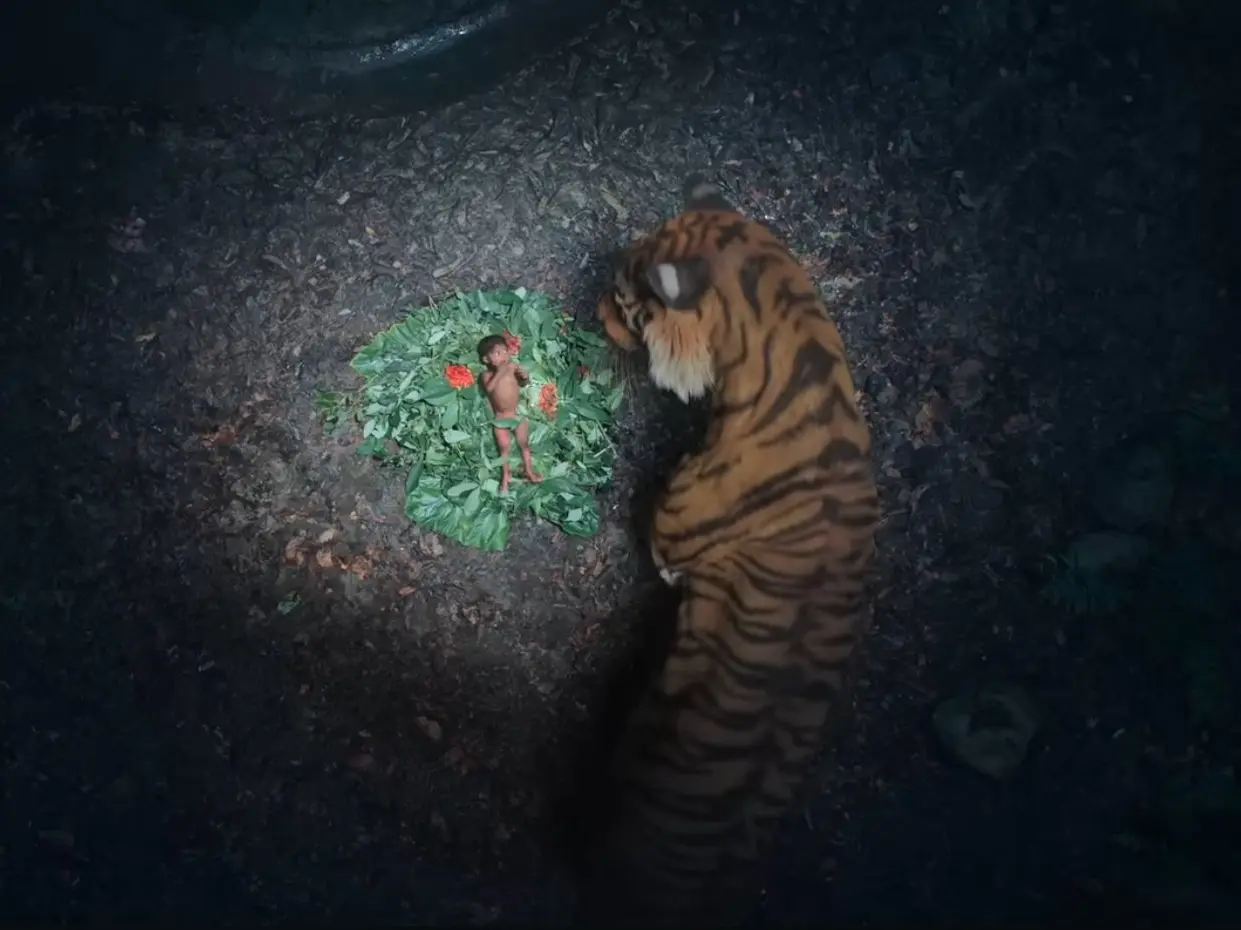)
Still from Kantara Photograph: (X)
In the first part, Shetty's character of Shiva is the buffoon of the village, but his rebel side and emotions speak volumes, especially when he's simply staring. However, in chapter 1, Shetty's character misses that charm, despite being so amped up as he tries to present himself as larger than life. He's the only one who can save the village, the smartest of all. The first film was divine, brilliant, and gripping. Whereas, this newest part is visually appealing with the best BG and impressive locations. But it fails to stick to its original emotional folk feel with a lengthy screenplay that misses out on several points.
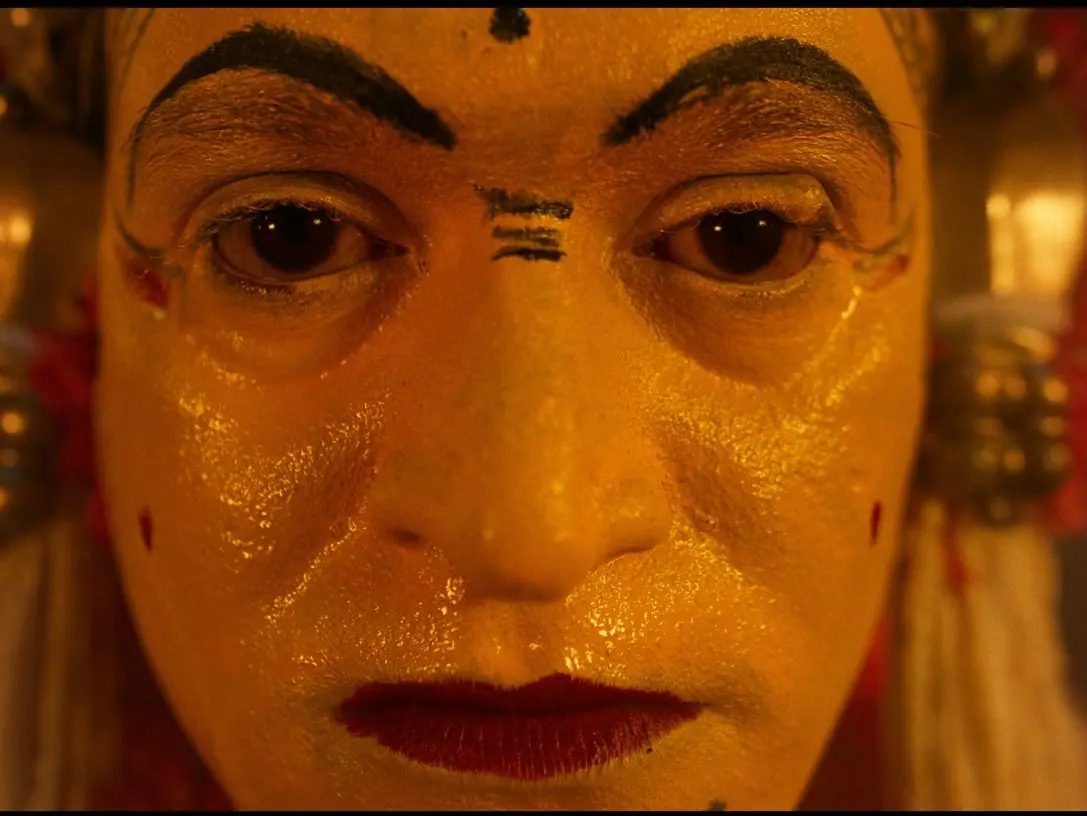)
Still from Kantara Photograph: (X)
The heroic and grandiose nature of this film overshadows everything, missing the mark to make a connection with the audience. Stepping out of the theatre, you will talk about action and visuals. But no one would mention the story, the enigma that Kantara had, putting the culture of Bhoota Kola, a spirit ritual dance performed in Karnataka, honouring the culture and putting it in the spotlight like never before, underlining how a powerful story wins.
Besides that, the performance and the mythological presentation of chapter 1 grip your attention. The climax of the movie is impressive with the twist and crescendo of Shetty's electrifying performance with visuals. Needless to say, he wins every frame of it. If you haven't watched Kantara, then this mass-actioner will grip you like any other grand film.
Kantara was an experience, while Kantara: Chapter 1 is simply another mass-appealing period drama. Unfortunately, the movie felt forced.

