Martin Scorsese's Taxi Driver: A haunting journey into the dark side of the human psyche

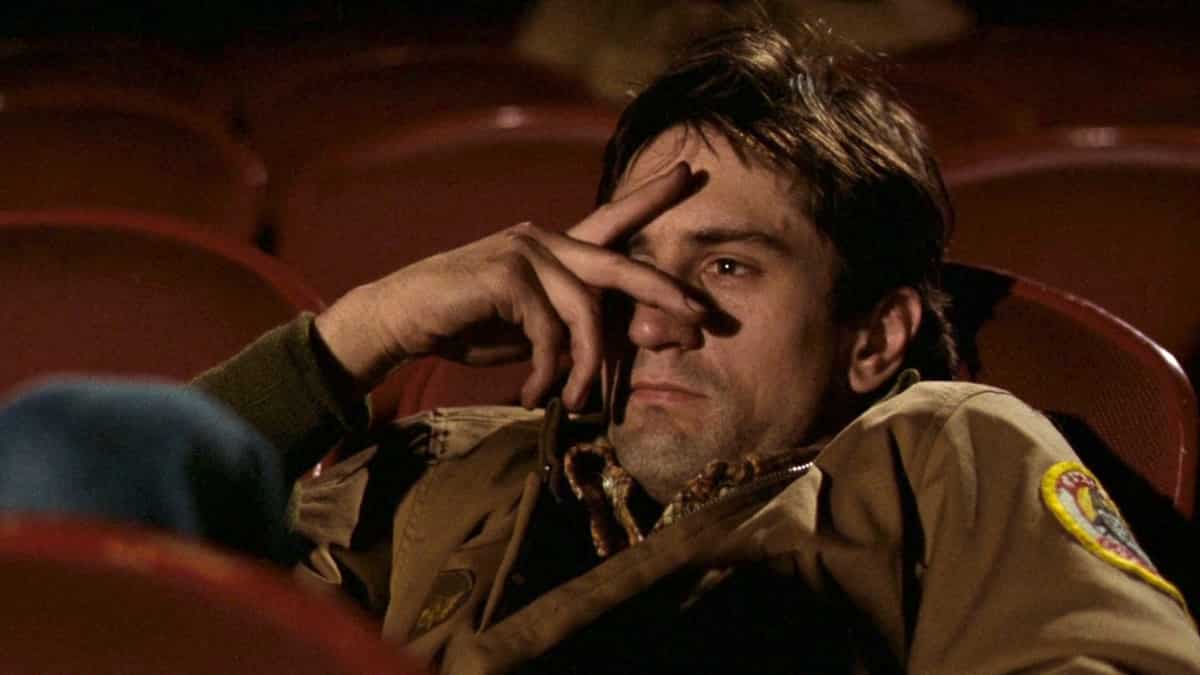
Robert De Niro in Taxi Driver.
Author's note: This is fourth in a series of articles that I call #EssentialScorseseFilms. It is a celebration of the iconic director's cinematic legacy before Killers of the Flower Moon. While Martin Scorsese's prolific career has spanned decades and produced a plethora of remarkable films, I recognise that it is impossible to cover them all within the confines of this series. Therefore, I have chosen to focus on his major works that have, I believe, have come to embody the essence of Scorsese's unparalleled artistry.
Through its gritty depiction of the darker side of New York City, Taxi Driver, a haunting character study of Travis Bickleand a fearless examination of societal alienation, has endured the test of time, maintaining its relevance among both audiences and fellow filmmakers. Let's embark on a renewed exploration of this cinematic gem.
The dark night rider

At the heart of Taxi Driver is the enigmatic Travis Bickle, brought to life with an eerie intensity by a young Robert De Niro. Bickle is a character that has seared himself into the annals of cinematic history, a nightmarish figure who is simultaneously repellent and strangely sympathetic. He's a Vietnam War veteran turned taxi driver, cruising the nocturnal streets of New York City, his mind slowly yet steadily spiralling into madness.
Also Read |Alice Doesn't Live Here Anymore: Martin Scorsese beyond gangster epics
Travis's descent into madness is both frightening and engrossing. His delusional self-righteousness and misguided attempt to cleanse the city of its "filth" make him a character study in isolation and alienation. His iconic "You talkin' to me?" scene showcases his simmering volatility, a moment that has rightly become legendary.
)
Did India risk its US trade deal despite softer stance at BRICS?
)
First naval drone battle? Ukraine says Sargan 3000 sank Russian unmanned boat
)
Practical Magic 2 breaks Spidey spell over North American box office
)
'Huge destructive power': North Korea calls its latest missile launches 'live-fire drill' even as US dismisses 'immediate threat'
&im=FitAndFill=(700,400))
Meet top 5 batters fastest to 3000 runs in T20Is
)
‘Let’s go’: Newly declassified videos show dramatic rescue of US Air Force officers downed in Iran
)
Delhi’s balancing act: BRICS serves as a stage for West Asia diplomacy
&im=FitAndFill=(700,400))
Why European Meteor missiles use ramjet engines compared to standard US solid rockets
)
‘India did extremely well’: South African President Cyril Ramaphosa praises BRICS leadership
)
Iran, India agree to deepen humanitarian and political ties, President Pezeshkian says
)
‘Want to reset ties with India, have engagement based on mutual interests,’ says Bangladesh minister
)
Trump says Canada eager to reach a deal, it could come ‘fairly soon’ if Ottawa treats US farmers better
)
Turkish Airlines plane flies through a storm three times, triggering severe turbulence
&im=FitAndFill=(700,400))
Why Chinese PL-15 air-to-air missiles use dual-pulse motors compared to European interceptors
)
800 million years old - Scientists discover 'fingerprints' of supercontinent Gondwana in ancient rocks
)
Russia proposes to build 360 kmph Ivolga FG trains in India: What happened on sidelines of BRICS
)
China discovers vast gold and silver 'mine' in the Pacific with unheard-of deposits
)
Russian drone hits Warsaw-bound train near Polish border, Zelensky accuses Moscow of ‘deliberate’ targeting
)
War is making Russia stronger? How Ukraine is shaping Moscow’s next generation of weapons
)
NEET-UG to move to computer-based test soon, NTA DG says ‘CBT is the future’
)
Woman removes all her clothes on American Airlines flight, performs 'indecent acts'; arrested
)
Liam Neeson sparks romance rumours after holding hands with Stella Stocker at TIFF 2026
&im=FitAndFill=(700,400))
New OTT releases this week (September 14-20, 2026): Lust Stories 3, Waiting Hai, Irumudi- 5 new titles coming on Netflix, Prime Video and more
)
Indian importers urge Bangladesh to lift export ban on 'Hilsa' fish ahead of Durga Puja
)
Did China give Iran intel before US base strike that killed 3 troops? Trump says, 'You’re right...'
)
Baba Vanga's first prophecy for 2027 is out, and straight out of science fiction
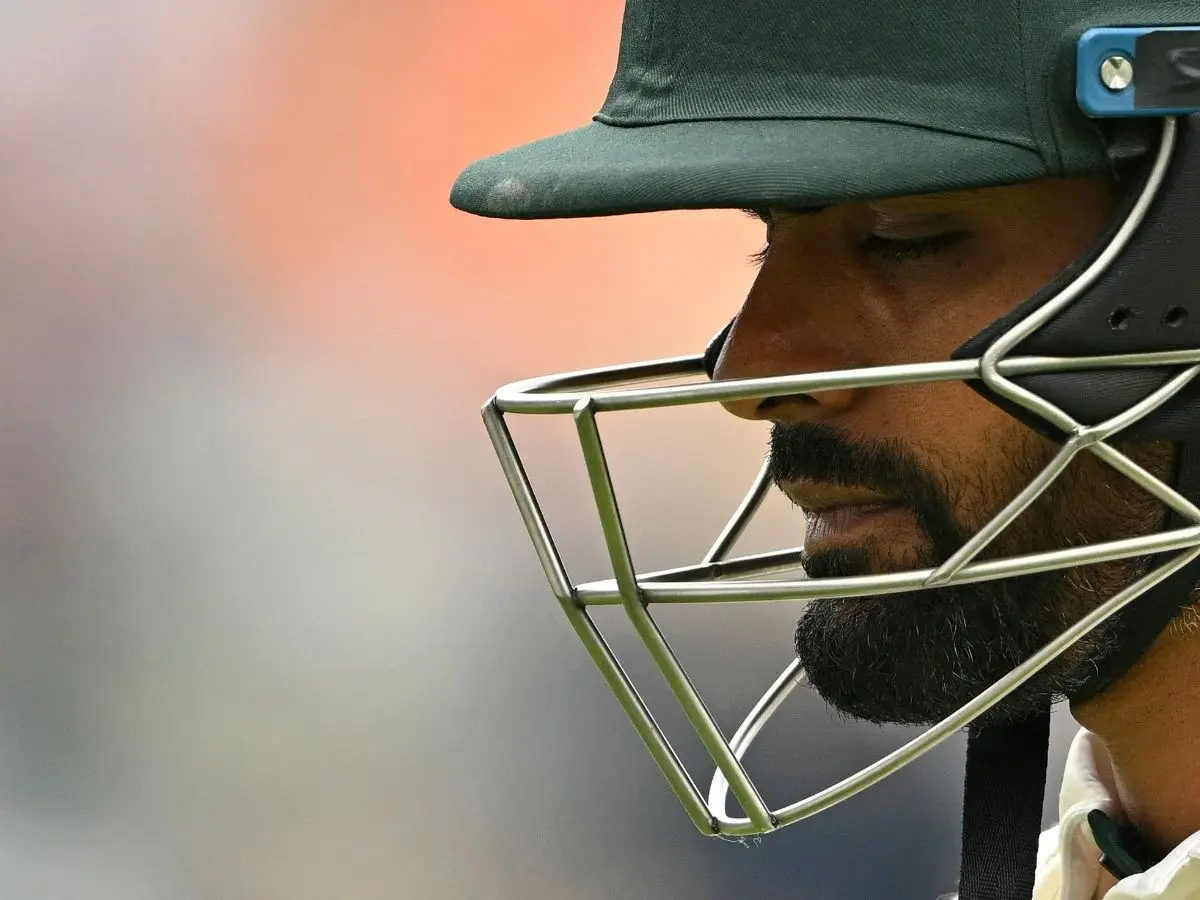)
Akram, Afridi, Mushtaq tear into PCB after Pakistan’s Test series collapse in UK
&im=FitAndFill=(700,400))
From Rinku Singh to Mayank Yadav, 5 players dropped from India’s squad for Afghanistan T20Is
)
PM Modi and China's Xi offered to help resolve Russia-Ukraine war: Kremlin
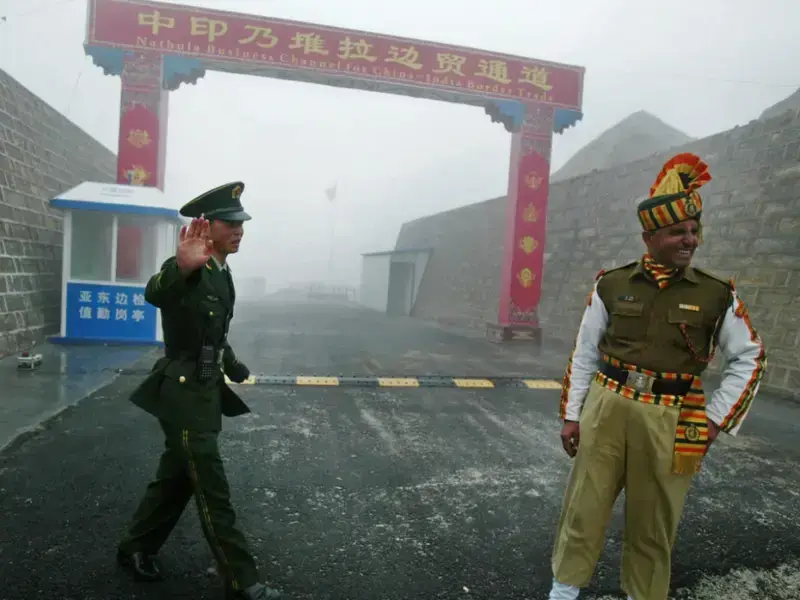)
China thinned Himalayan troop presence in 2025, India defence report says; terms border situation 'stable'
)
Humans may lose control of AI: Anthropic CEO calls for slowdown, Altman, Musk back him
Scorsese's gritty vision of New York
New York has always been a character in many Scorsese films, and Taxi Driver is no exception. In the mid-70s, the city was a hotbed of crime, corruption, and decay, and Scorsese's lens captured it all in stunning detail. The dark, rain-soaked streets, the neon signs, the grimy alleys — all of it adds to the film's richly realised atmosphere.
Scorsese masterfully uses the cityscape as a reflection of Travis's own fractured psyche that pulls viewers into the unsettling world of the film.
Also Read |Who's That Knocking at My Door: Martin Scorsese's raw and personal directorial debut
A mirror to society
Taxi Driver is not just a character study, though; it's a scathing social commentary. The film shines a harsh light on the alienation and disillusionment felt by many during the 1970s, particularly the Vietnam War veterans who returned home to a society they could no longer understand. Travis's growing obsession with Iris, a teenage prostitute portrayed by Jodie Foster, becomes a disturbing metaphor for the vulnerability and exploitation of youth.
The film also delves into the issue of mental health, a topic that remains tragically relevant today. Travis's unravelling mental state is both unsettling and a reflection of society's failure to address mental health issues adequately.
Taxi Driver influenced generations of filmmakers and sparked conversations about its themes and characters that continue to this day. Quentin Tarantino, Paul Thomas Anderson, and Darren Aronofsky are just a few of the directors who have cited Scorsese's film as a major influence on their work.
Also Read |Martin Scorsese's Mean Streets: Where mobsters meet mayhem
How Joker was heavily influenced by Taxi Driver
Todd Phillips' Joker was also vastly influenced by Taxi Driver. Both films explore the descent into madness of alienated protagonists — Travis Bickle in Taxi Driver and Arthur Fleck in Joker. They share themes of urban decay, loneliness, and societal disillusionment, while the cinematic aesthetics of both movies evoke a dark, oppressive atmosphere reflective of their characters' fractured psyches. Joker stands as a unique film in its own right, but its homage to Taxi Driver is evident.
Also Read |Explained | Osage Indian Murders that inspired Martin Scorsese's Killers of the Flower Moon
Taxi Driver's impact beyond the screen
Its impact extends beyond the silver screen, with Travis Bickle becoming an enduring pop culture icon. The references and parodies of his character in various forms of media are countless, further cementing the film's status in the cinematic pantheon.
Travis Bickle's descent into madness, Scorsese's unflinching portrayal of a decaying urban landscape, and the film's searing social commentary all make Taxi Driver as relevant today as it was in 1976.
Also Read |Why Quentin Tarantino, Martin Scorsese, et al. are right about Marvel movies
So, the next time you are in the mood for a cinematic journey that's equal parts entertaining and haunting, hop into Travis Bickle's cab, and let Taxi Driver take you on a ride you won't soon forget. After all, it's not just a film; it's an experience that lingers long after the credits roll.
WATCH WION LIVE HERE
You can now write for wionews.com and be a part of the community. Share your stories and opinions with us here.