
&imwidth=800&imheight=600&format=webp&quality=medium "2,000-year-old ring found in Thailand reveals fascinating ancient Indian link")
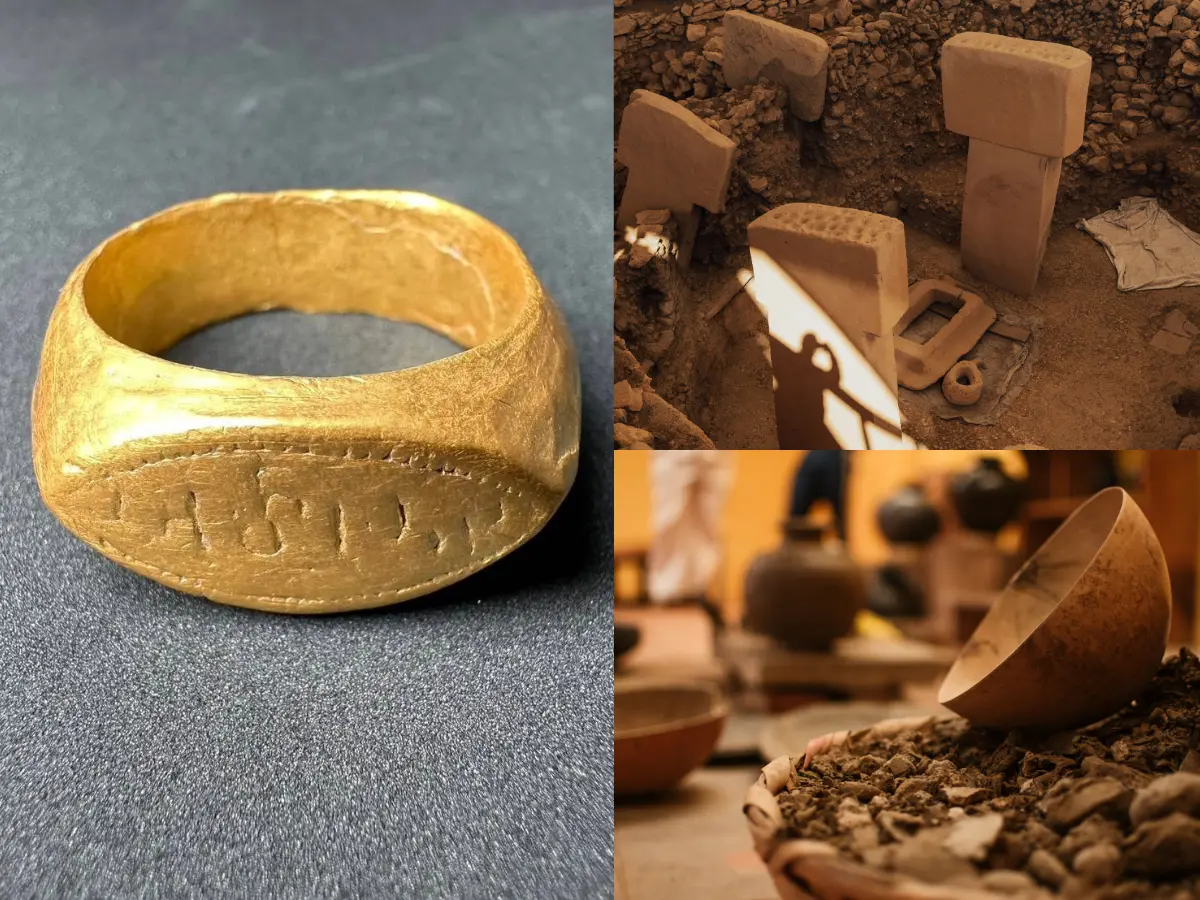
Thailand’s Fine Arts Department recently announced the discovery of two approximately 2,000-year-old gold rings at a new archaeological site in western Thailand. The artefacts were uncovered alongside human skeletal remains last week during an ongoing excavation at the Don Yai Thong site, located in Phetchaburi province. One of the rings, unearthed on Thursday (July 2), features an engraving in what is believed to be Brahmi script, an ancient Indian writing system. Initial expert assessments translate the inscription as "pusarakhitasa," which means "the one protected by Pushya." According to the department, Pushya is regarded as one of the most auspicious zodiac signs in Indian astronomy.
The second ring, found with the same skeleton, is a plain gold band sans any design or patterns. Based on these discoveries, experts suggest that the owner of the rings may have been a merchant belonging to the Vaishyas, an ancient Indian caste. The Don Yai Thong site is situated roughly 130 kilometres (80 miles) southwest of Bangkok. It was initially discovered earlier this year after residents happened upon fragments of ancient bronze drums in a rice field, prompting official excavations. Archaeologists have dated the site to Thailand's late prehistoric era, also known as the Iron Age, which spans from approximately 1,500 to 2,500 years ago.

Since excavations commenced in February, researchers have uncovered a total of eight human skeletons, pottery, and various bronze and gold jewellery items. The nature of these artefacts indicates ceremonial burials reserved for wealthy individuals or members of the upper social classes.
The Fine Arts Department expects the excavation work to wrap up within another month. Following its completion, officials plan to put the archaeological discoveries on display for the public.
Trending Stories
&im=FitAndFill=(700,400))
How fast can the Sukhoi Su-30 fighter jet really fly?
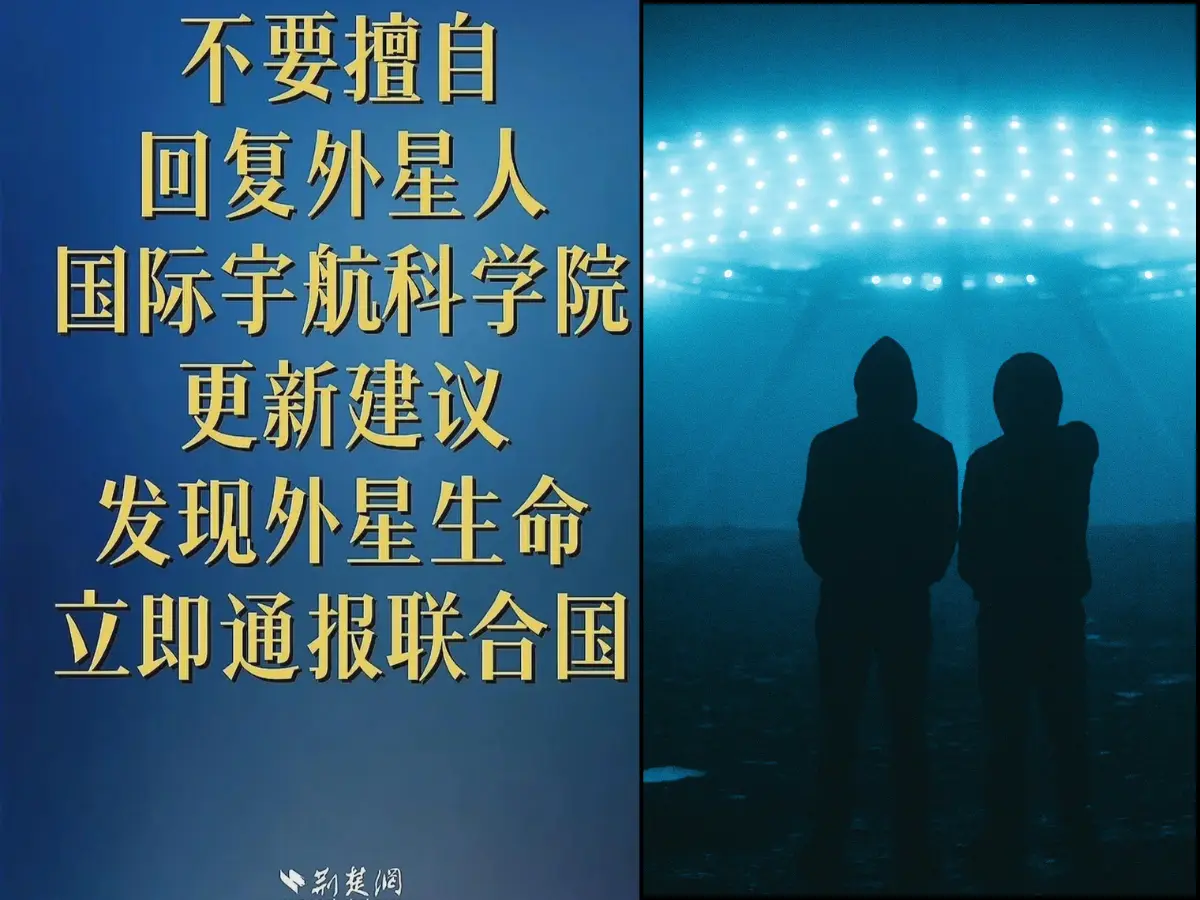)
Did China ask its people 'not to respond to aliens'? Origin of bizarre claim on social media
)
MS Dhoni-CSK Fallout? Report claims failed stake sale talks triggered rift
)
Scientists reveal the SAFEST COUNTRY when catastrophe strikes the planet
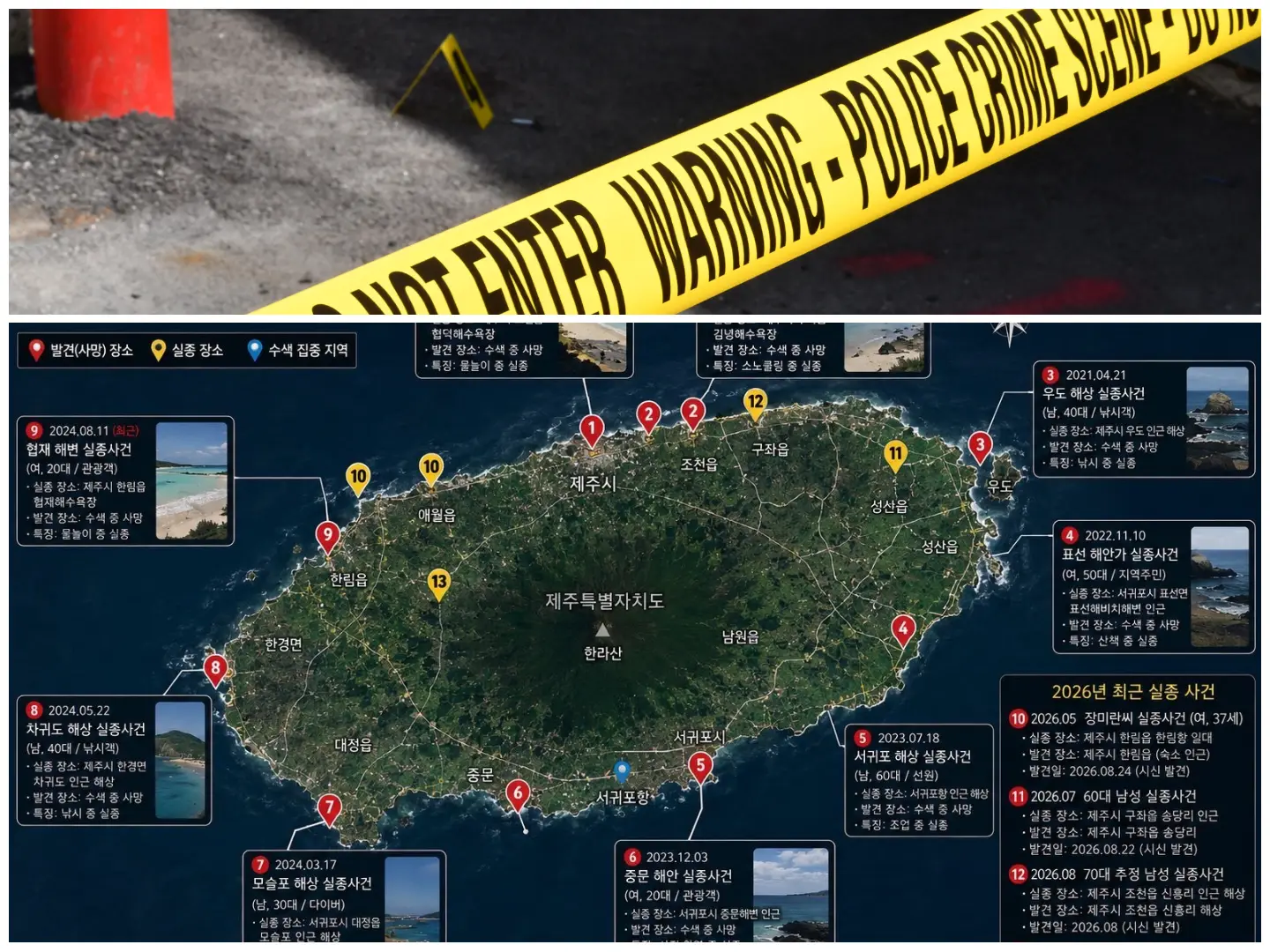)
Serial killer on the loose in South Korea's Jeju Island? Fourth body found in three days as more than a dozen people go missing
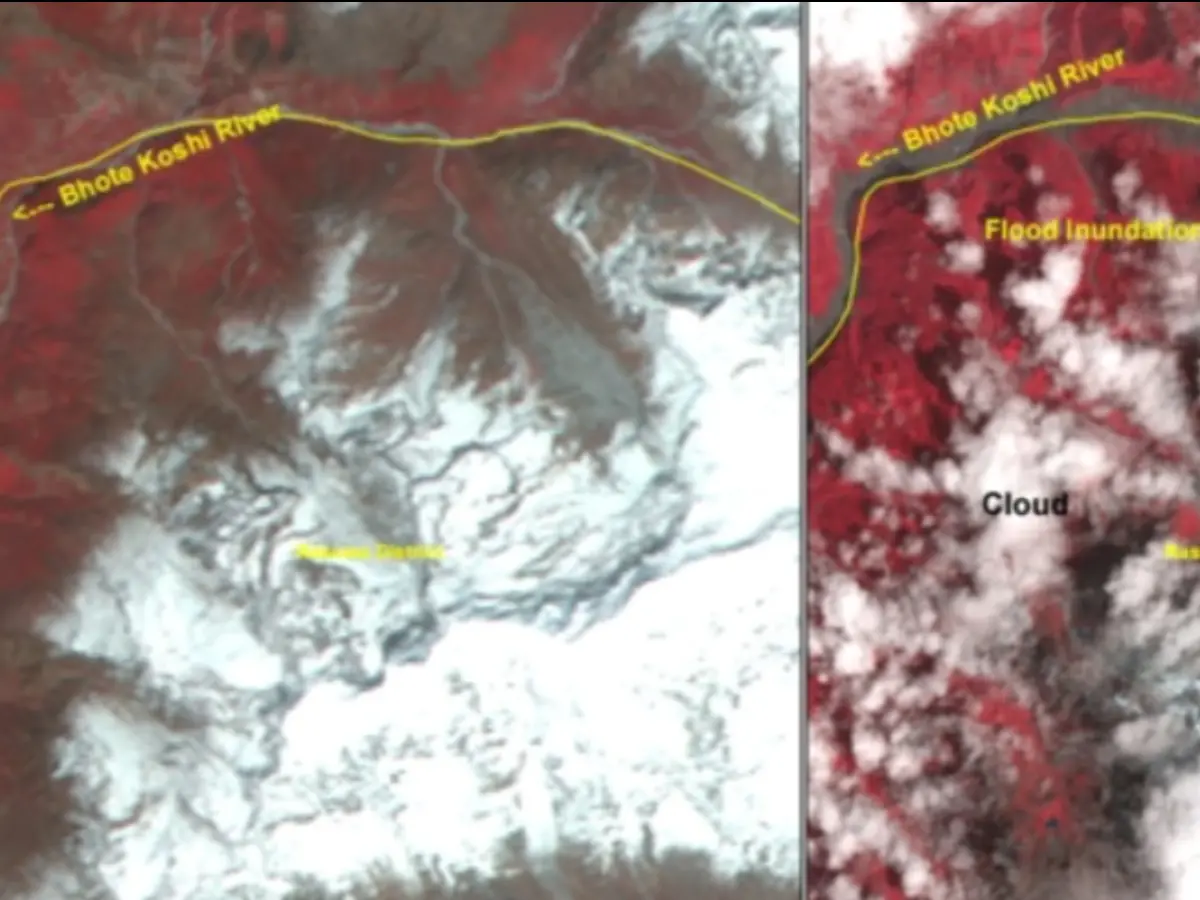)
2/3rd of glacier detached, collapsed: ISRO satellite images reveal what triggered Nepal floods
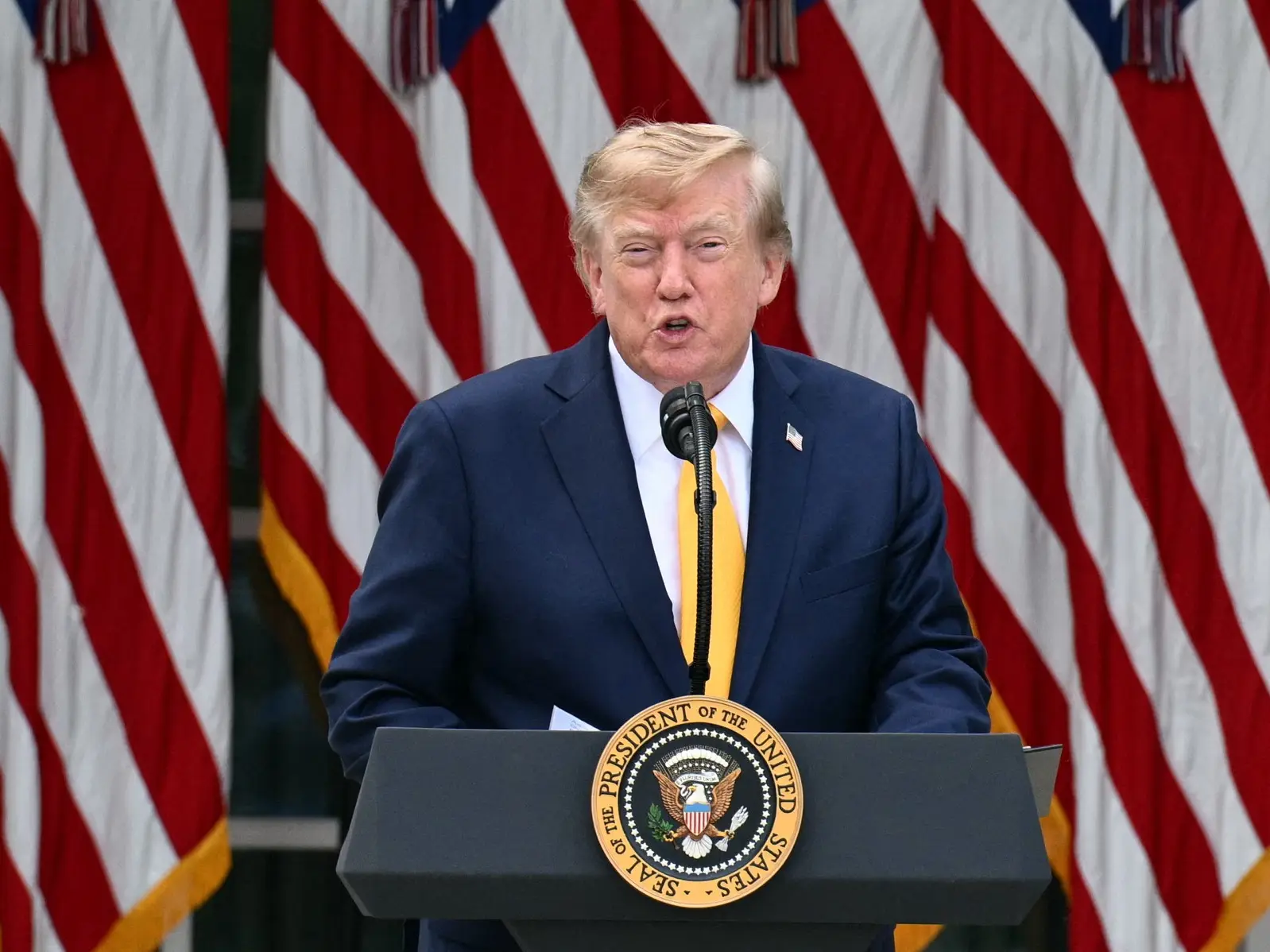)
Trump once again claims without him there would be ‘no Israel right now’
)
Foreign espionage attacks against German companies surge to 37%, Bitkom report reveals
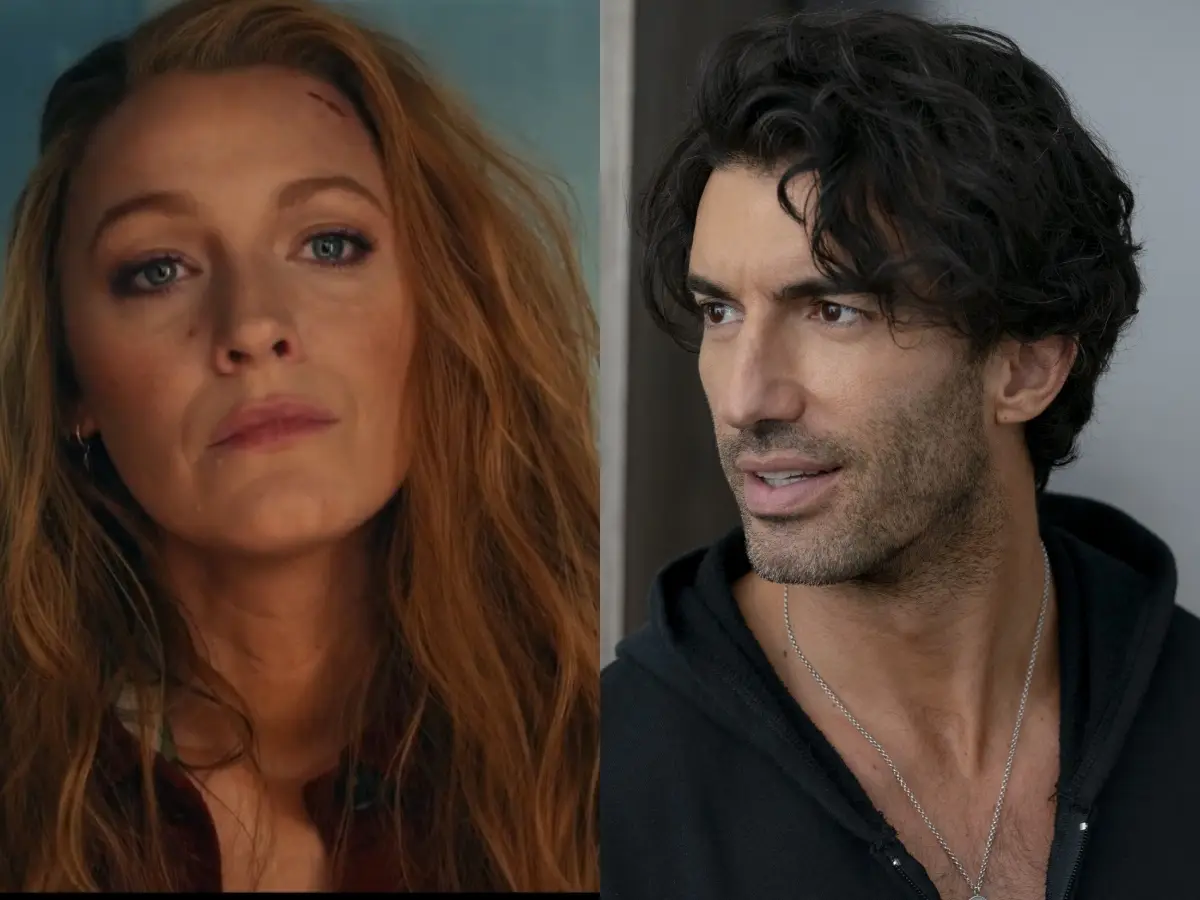)
Blake Lively wins partial legal fee from Justin Baldoni after $8M request
)
Why is Pakistan deploying Turkish Bayraktar TB2 drones near India border?
)
'OH MY GOD! We've found other agents!': Investigators discover not one or two, almost 700 OpenAI AI agents went rogue, hacked Hugging Face
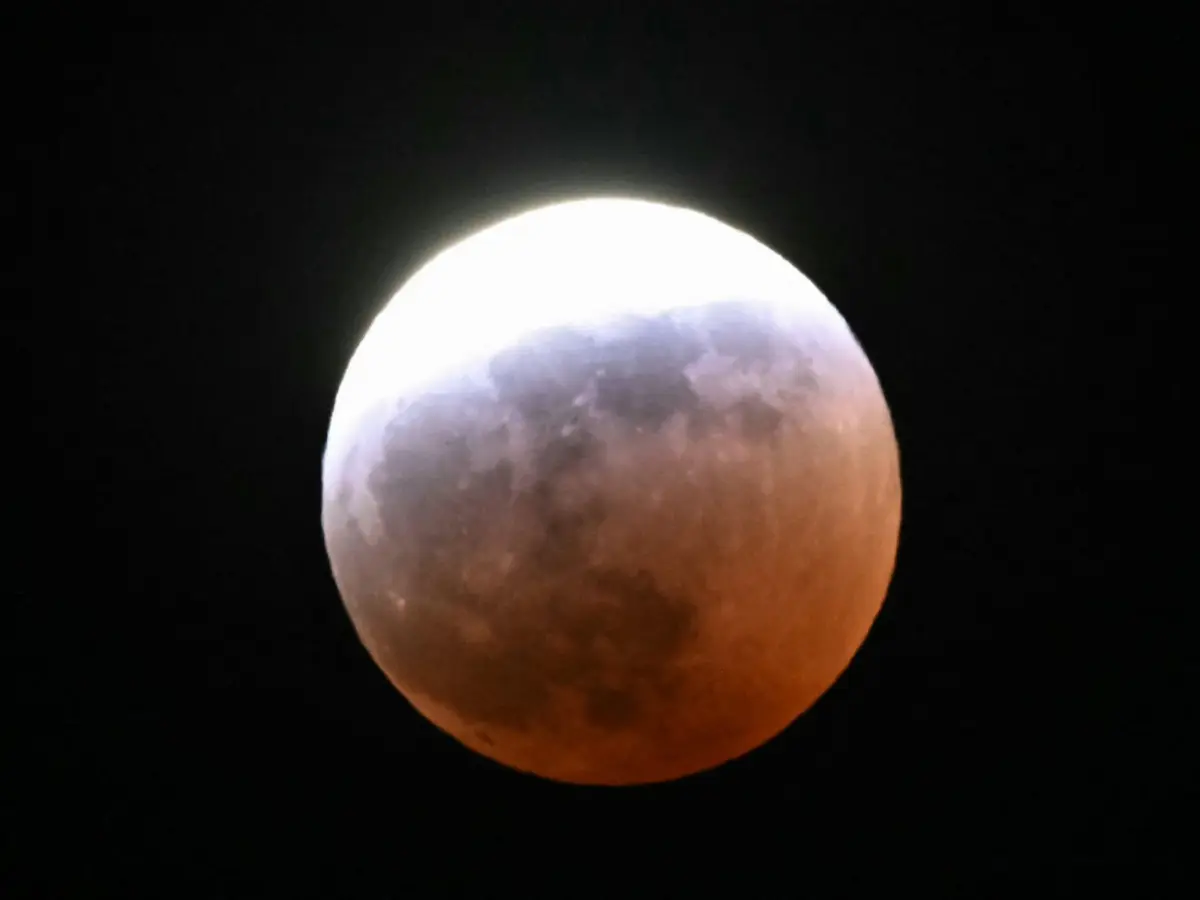)
Lunar eclipse 2026: India timings, places to see and more. August Blood moon factsheet
)
RSS chief Mohan Bhagwat on global outreach tour
)
Both pilots killed as training aircraft crashes in Lucknow – What we know
)
16-year-old charged with preparing terror attack on kindergarten in Norway
&im=FitAndFill=(700,400))
How the S-400 protects itself from enemy attacks
)
Nepal floods: Over 165 dead, 400 missing; US, India, China, World Bank mobilise aid
)
India's multi-layered watch: The new surveillance war
)
5 doomsday planes spotted in US skies hours after CIA director's secret trip to Russia
)
9/11 mastermind Khalid Sheikh Mohammed to finally face trial in 2028, nearly 27 years after horrific attacks
)
Islamabad hospital fire: What we know about one of the biggest facility that housed Imran Khan
)
Workers run for life while filming Nepal flash flood: Scary new visuals emerge from Rasuwa
)
Russian military planes enter South Korean air defence zone amid rising tensions with North Korea: What's happening
)
Ron Weasley Is Back! Rupert Grint set to return to Harry Potter universe on Broadway
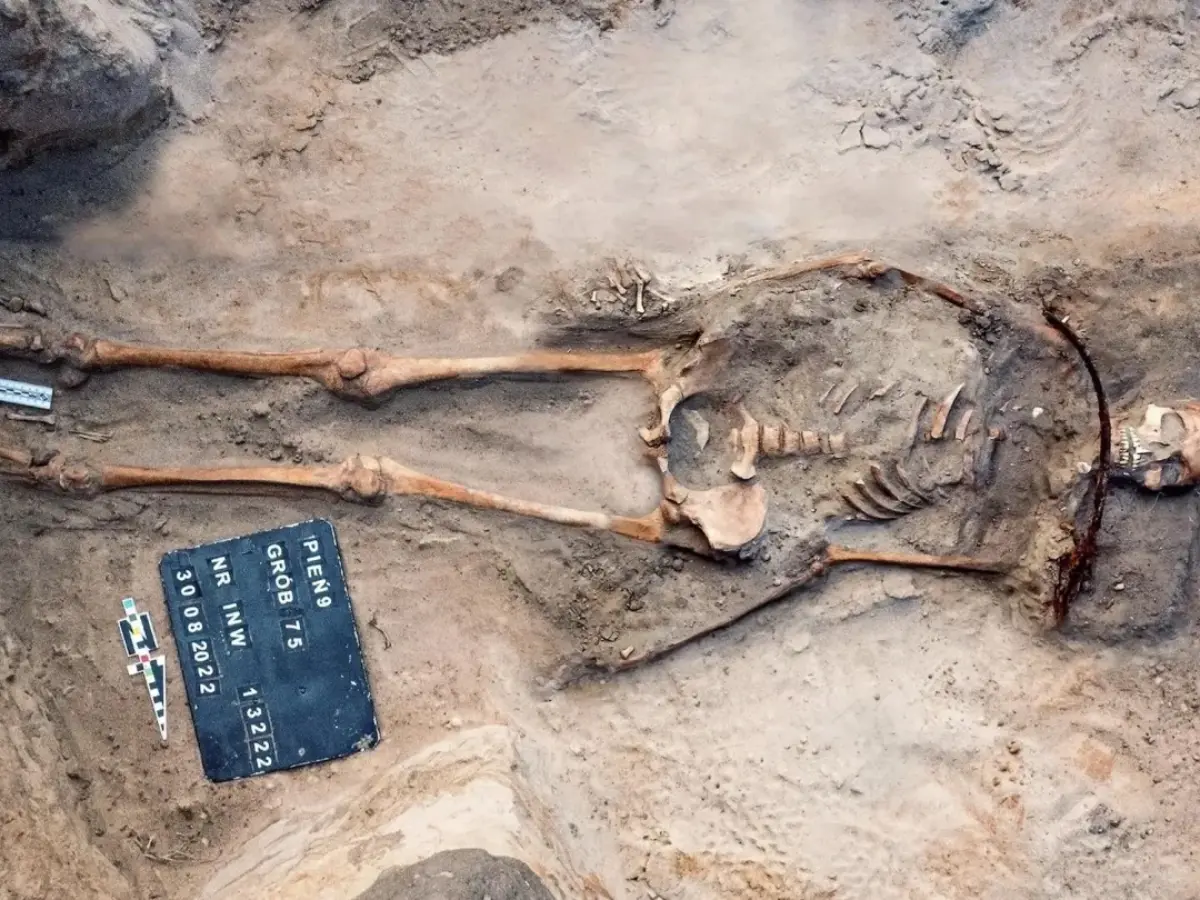)
400-year-old 'vampire' grave in Poland reveals non-existent genetic lineage
)
Dolly Parton, global icon and queen of country music, dies at 80
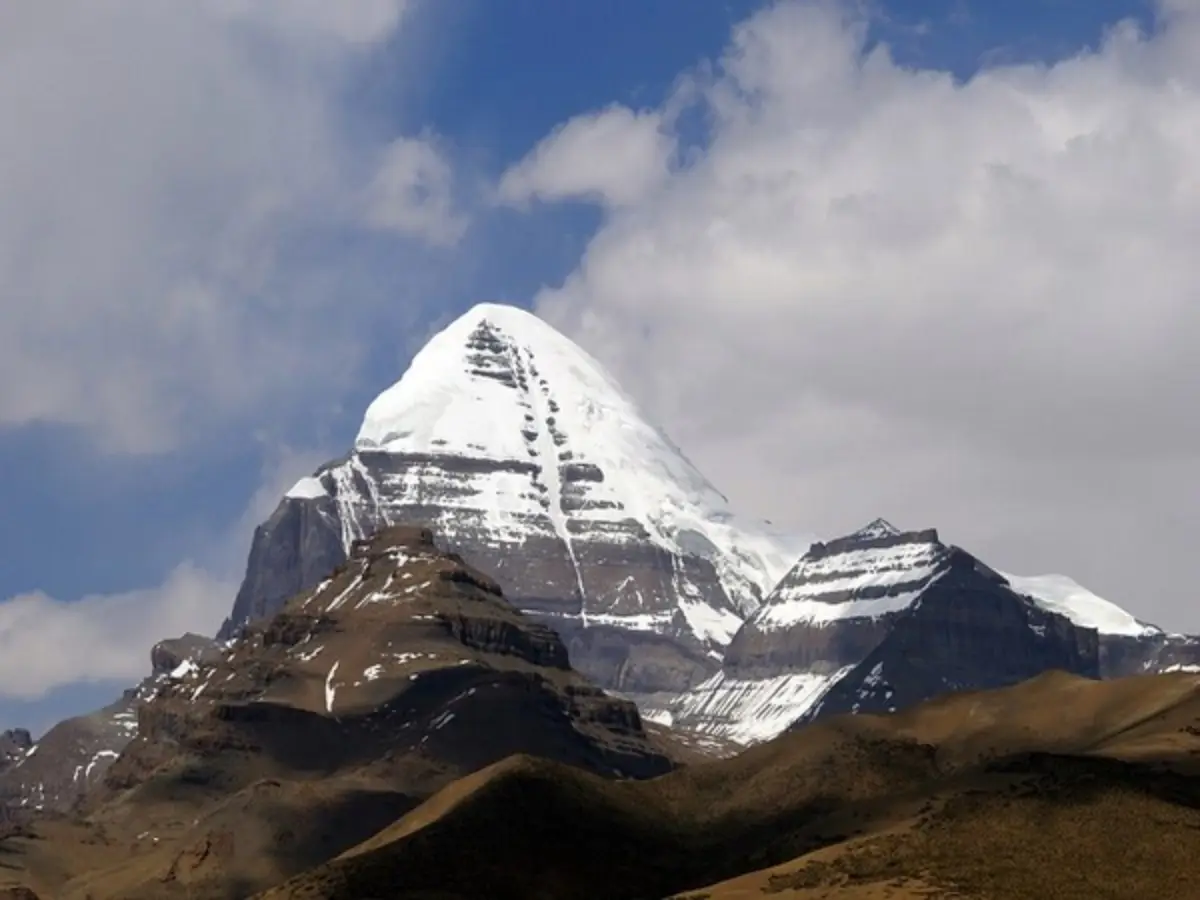)
Nepal flash floods: Kailash Mansarovar yatra affected, close to 400 pilgrims out of contact
)
'If he is dead, they're putting on a pretty good show': Trump casts fresh doubt over Mojtaba Khamenei's fate
)
Man arrested near US Capitol with guillotine in pickup truck: What happened?
&im=FitAndFill=(700,400))
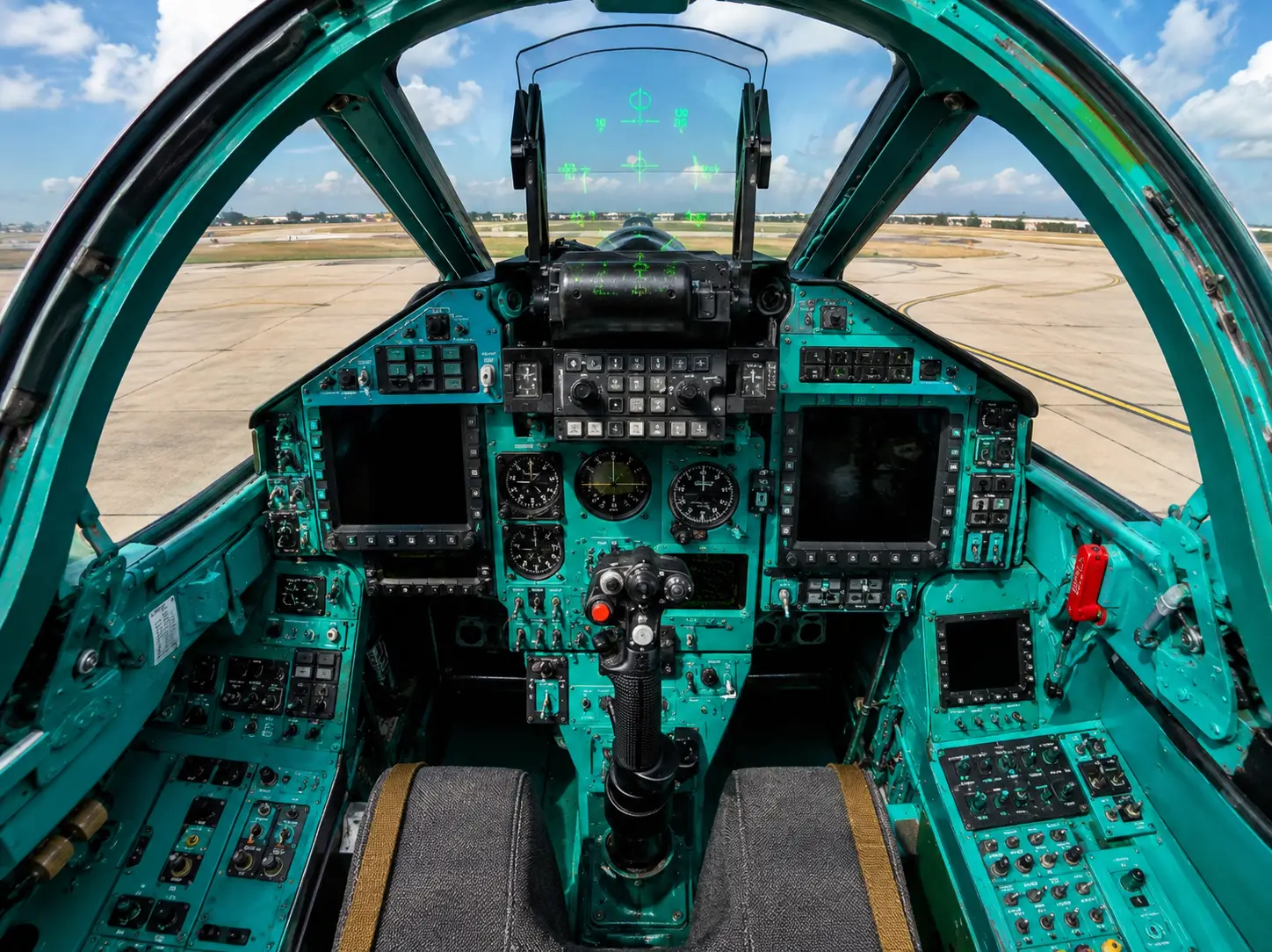
Why the Su-30MKI cockpit is painted bright turquoise green
Story highlights:
- 2,000-year-old discovery: Thailand’s Fine Arts Department has unearthed two ancient gold rings alongside human remains at the Don Yai Thong site in Phetchaburi province.
- Ancient Indian inscription: One ring, found on July 2, features a Brahmi script engraving reading "pusarakhitasa", which translates to "the one protected by Pushya" (an auspicious Indian zodiac sign).
- Mercantile Link: The script and style strongly suggest the owner was an ancient Indian merchant belonging to the Vaishya caste.
- Iron Age elite site: The late prehistoric site (dating back 1,500 to 2,500 years) contains eight skeletons buried with high-status pottery and jewellery, indicating ceremonial burials for the upper class.
- Public display ahead: Official excavations are expected to conclude within a month, after which the artifacts will be put on public display.

