A bomber that lands sideways: Why the B-52 doesn't always point straight

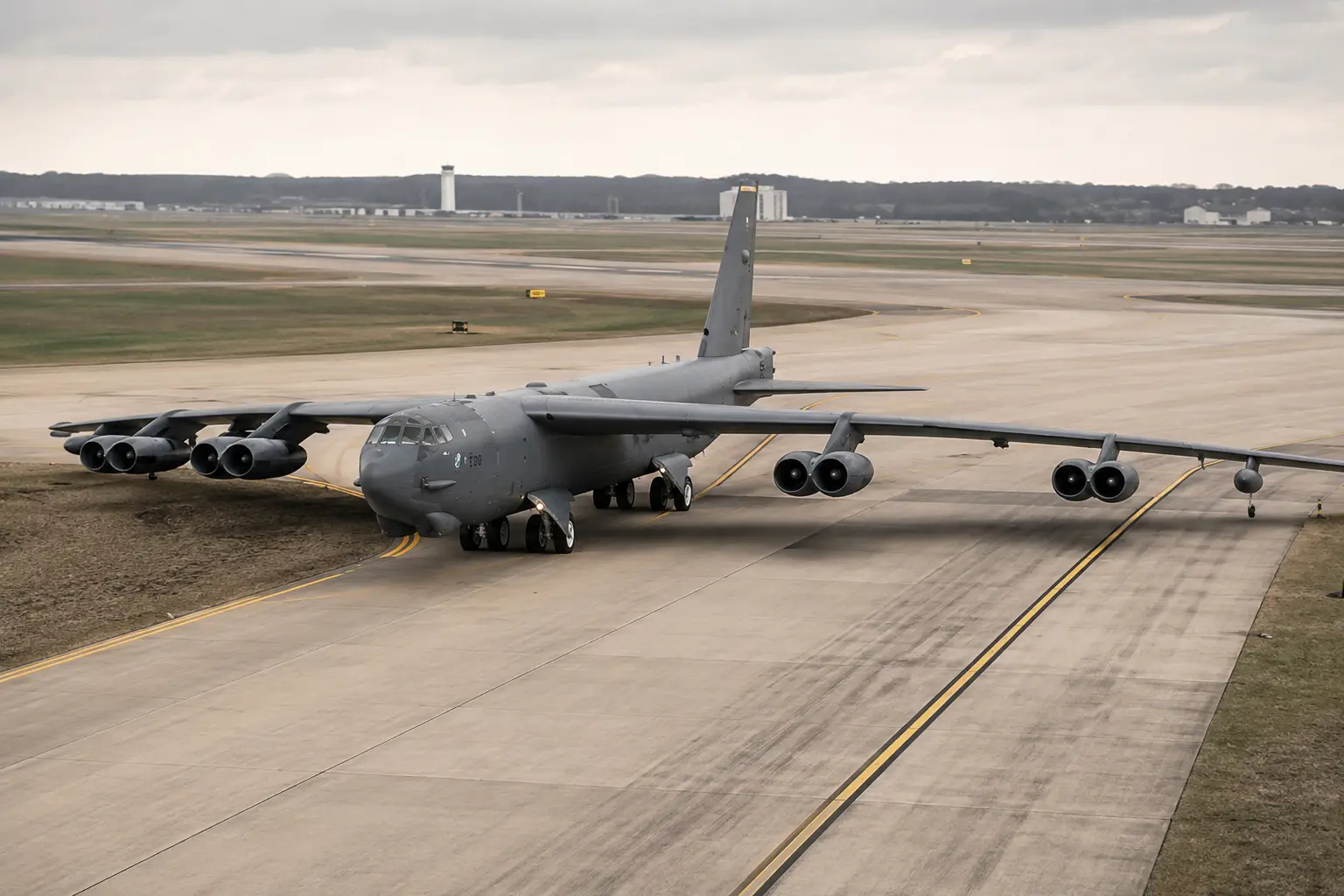
The B-52 bomber performs unique sideways crab landings during severe crosswinds to prevent its massive 185-foot wings from striking the ground. The aircraft features specialised landing gear that swivels up to 20 degrees, allowing wheels to roll straight while the nose points into the wind.
A Unique Landing Approach
The B-52 Stratofortress often looks like it is skidding out of control when touching down in severe weather. During heavy crosswinds, the 70-year-old heavy bomber approaches the runway completely sideways in a manoeuvre known as a crabbed landing.
Massive Drooping Wings
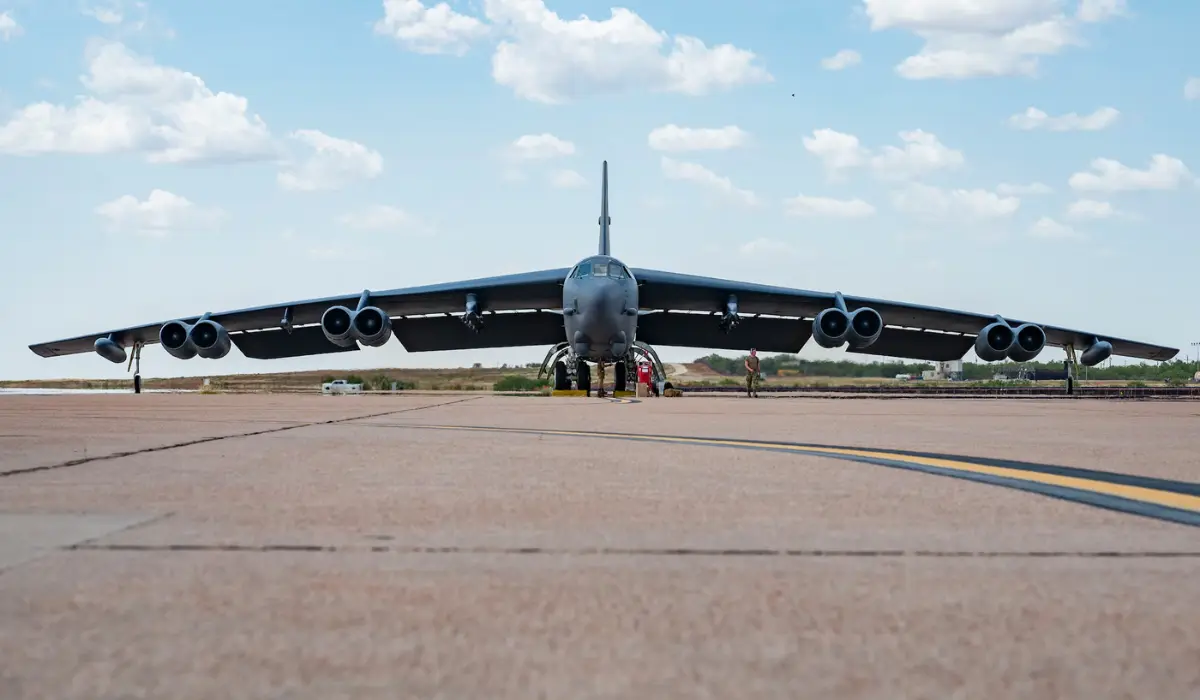
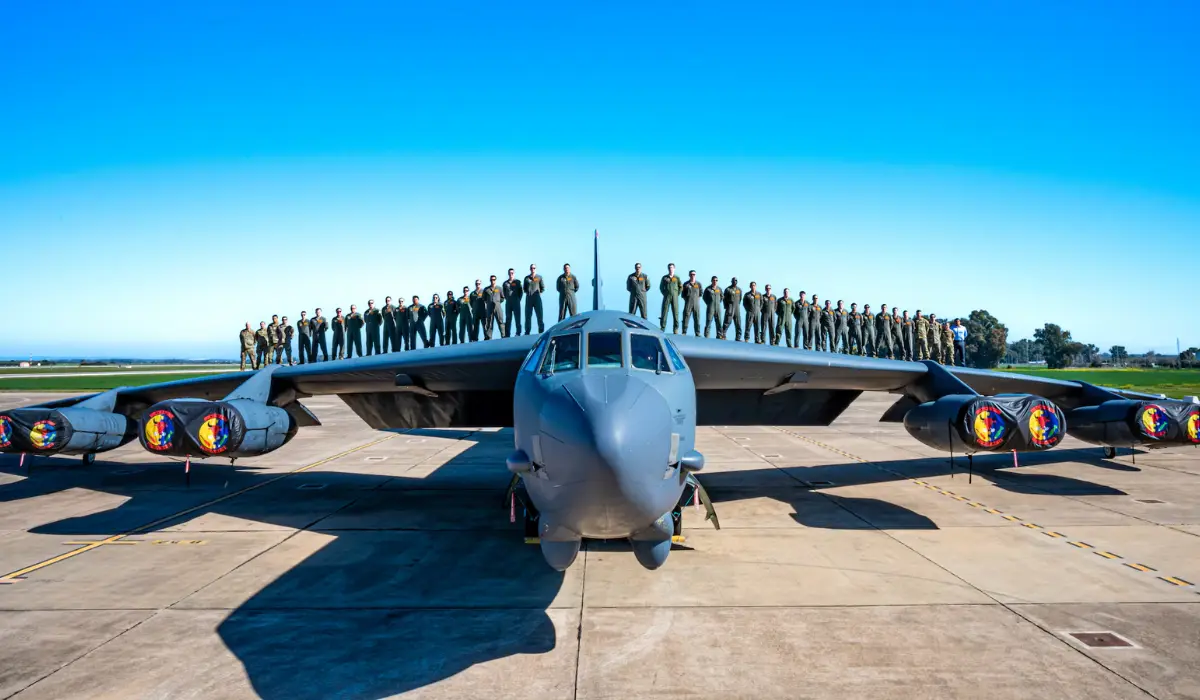
This unusual landing style is strictly required because of the aircraft's enormous 185-foot wingspan and drooping wingtips. A traditional crosswind landing would instantly cause these heavy, flexible wings to strike the concrete and trigger a catastrophic crash.
Swivelling Landing Gear
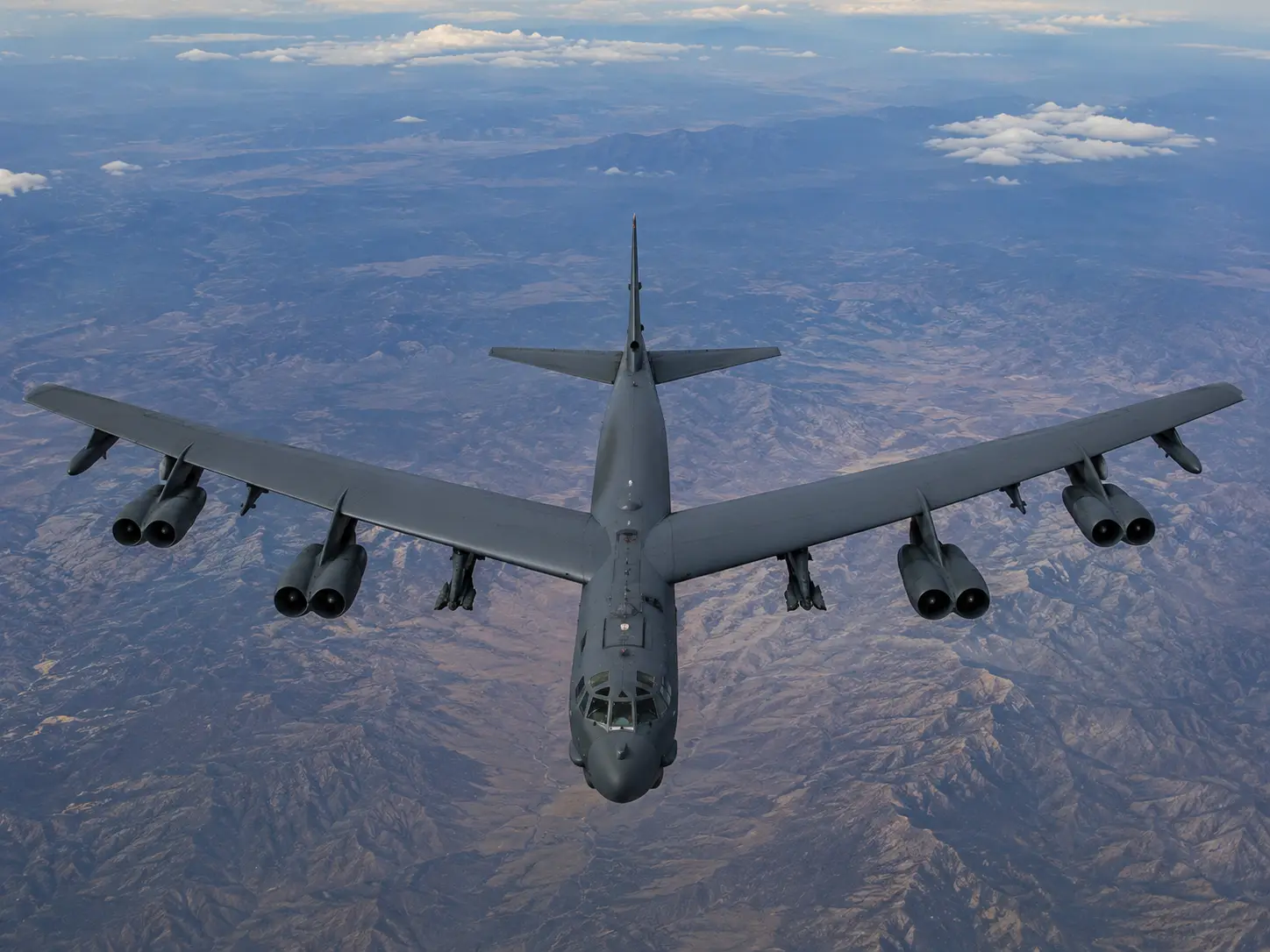
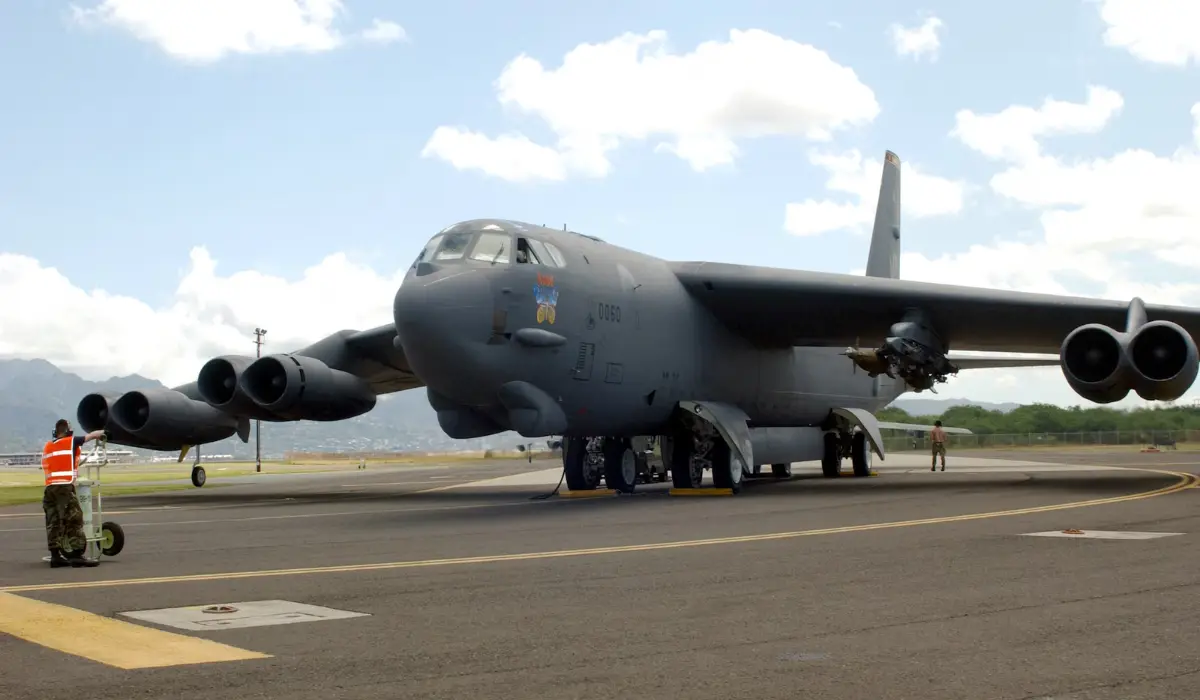
To solve this major structural vulnerability, engineers designed an incredibly unique dual-bicycle landing gear system. The front and rear main wheel bogies can independently swivel up to 20 degrees left or right of the aircraft's centreline.
Aligning With the Runway
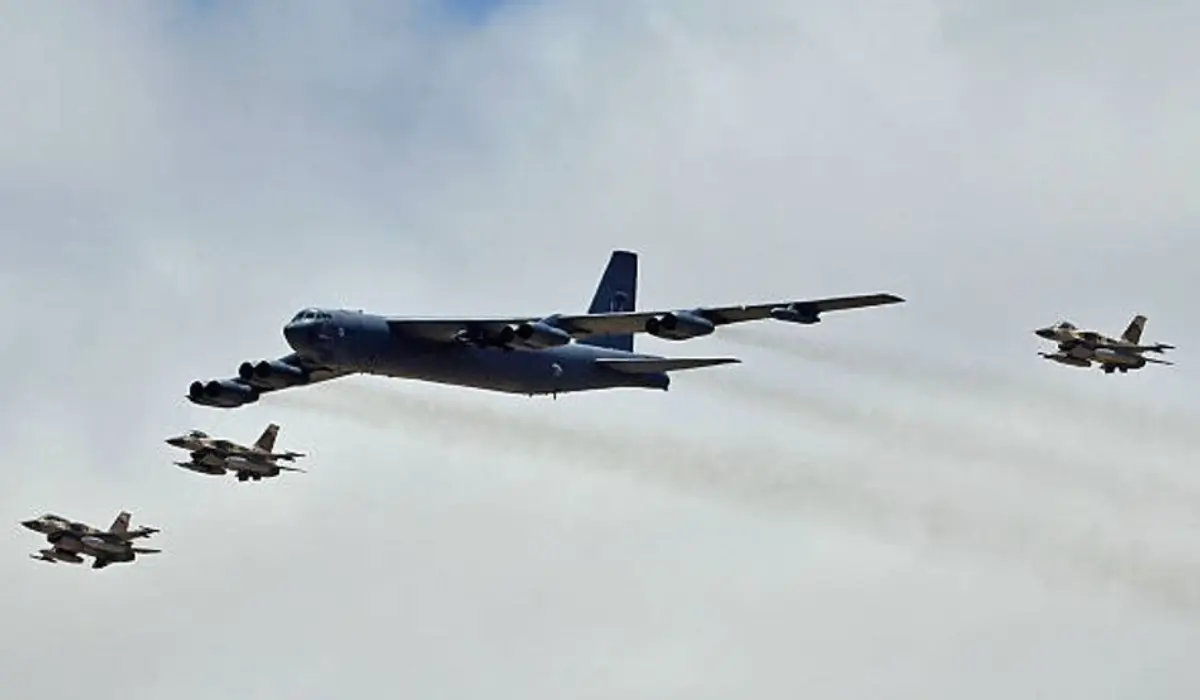
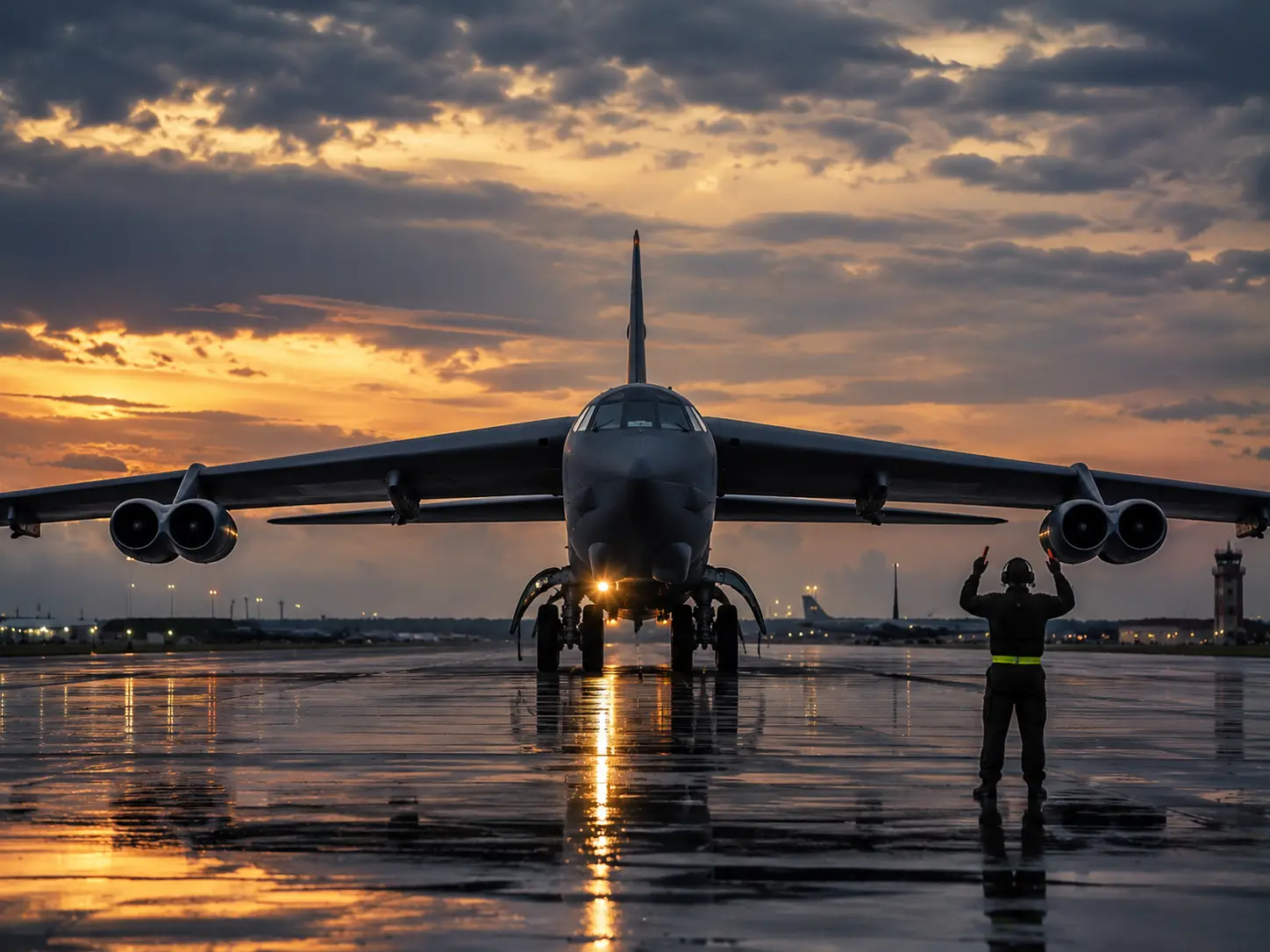
Pilots simply input the intended runway heading using a mechanical rotary dial located inside the 1950s-era cockpit. The massive landing gear automatically aligns with the asphalt, even while the bomber's nose remains sharply pointed into the wind.
Compensating for Weak Control
The massive aircraft also features a remarkably small vertical tail rudder compared to its overall physical size. The steerable landing gear compensates for this lack of aerodynamic authority, allowing the massive plane to roll straight without tipping.
A Closely Guarded Secret
When the strategic bomber first entered service during the early Cold War, this swivelling gear technology was highly classified. Early military public relations photographs deliberately obscured the wheels to hide this extreme crosswind capability from Soviet intelligence.
Keeping the Fleet Flying
This brilliant mechanical workaround remains absolutely vital for modern global combat operations in adverse weather environments. The United States Air Force relies on this unique crosswind capability to keep its bomber fleet operational well into the 2050s.
)
)
)
)
)