India uses 10 times less energy per person than the US: Top 7 countries that consume the most energy

Iceland, Qatar and Singapore are among the world's biggest energy users per person. But where does India stand, and how wide is the gap with the US? Here's what the latest global energy ranking reveals.

World's top energy consumers
A country's energy demand per person can reveal a lot about its economy, from industrial activity and transport needs to climate and the structure of its energy sector. But which countries are the world's biggest energy consumers?
The Energy Institute's Statistical Review of World Energy 2026 compared countries by total energy supply per person in 2025, and this is what it found.

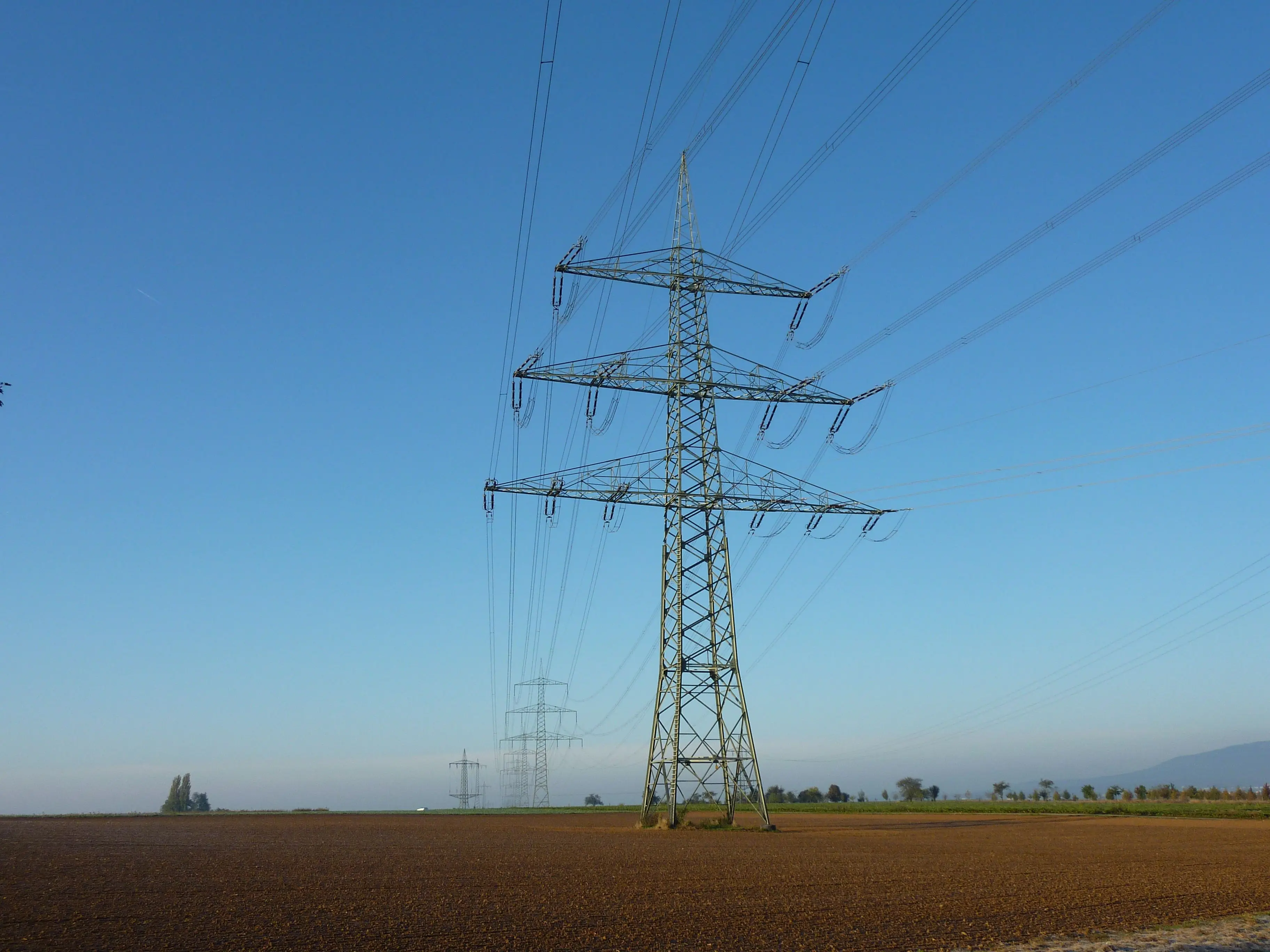
1. Iceland: 745 GJ per person
Iceland topped the ranking with 744.9 gigajoules (GJ) per person. Its electricity supply comes almost entirely from hydropower and geothermal sources, while energy-intensive industries, including aluminium smelting, contribute significantly to overall demand.
2. Qatar: 717 GJ per person
Qatar recorded 717.3 GJ per person, placing it second. The country's enormous natural gas industry is a major factor, with Qatar producing and liquefying gas for export on a massive scale despite its relatively small population.
3. Singapore: 628 GJ per person
Singapore ranked third at 627.8 GJ per person. The city-state combines a small population with major industrial operations, including some of the world's largest oil refining and petrochemical facilities.
4. United Arab Emirates: 463 GJ per person
The UAE recorded 463.2 GJ per person, making it the fourth-highest consumer in the ranking. Like several countries near the top, its position reflects the scale of its energy-intensive economy and relatively small population.
5. Kuwait: 378 GJ per person
Kuwait ranked fifth, with 377.5 GJ per person. Its high per-capita energy supply is closely linked to its position as a major oil and gas producer.
6. Trinidad & Tobago: 358 GJ per person
With 358.2 GJ per person, Trinidad and Tobago took sixth place. It is another small economy where energy production and processing contribute significantly to overall energy demand.
7. Saudi Arabia: 348 GJ per person
Saudi Arabia rounded out the top seven at 347.9 GJ per person. Its large oil and gas sector, combined with its relatively high energy demand, keeps it among the world's biggest energy users on a per-person basis.

What about the United States?
The United States ranked 10th, at 270.2 GJ per person, behind Canada at 300.4 GJ.
Cold weather, long travel distances, and energy-intensive resource industries help explain the relatively high figures recorded by North American economies. The US figure is also roughly 10 times India's.

India remains outside the top 40
India, as per the report, consumes 27 GJ per person. This puts the South Asian nation well outside the top 40 countries in this ranking.
)
)
)
)
)