A Boeing 777 is faster than a B-52 bomber! So why does every enemy military fear it more than anything else in the sky?

The B-52 Stratofortress has a top speed of around 650 mph. A commercial Boeing 777 cruises at 590 mph and carries 400 passengers. On paper, the bomber barely wins. In reality, the comparison tells you nothing about why generals lose sleep when a B-52 appears on radar.
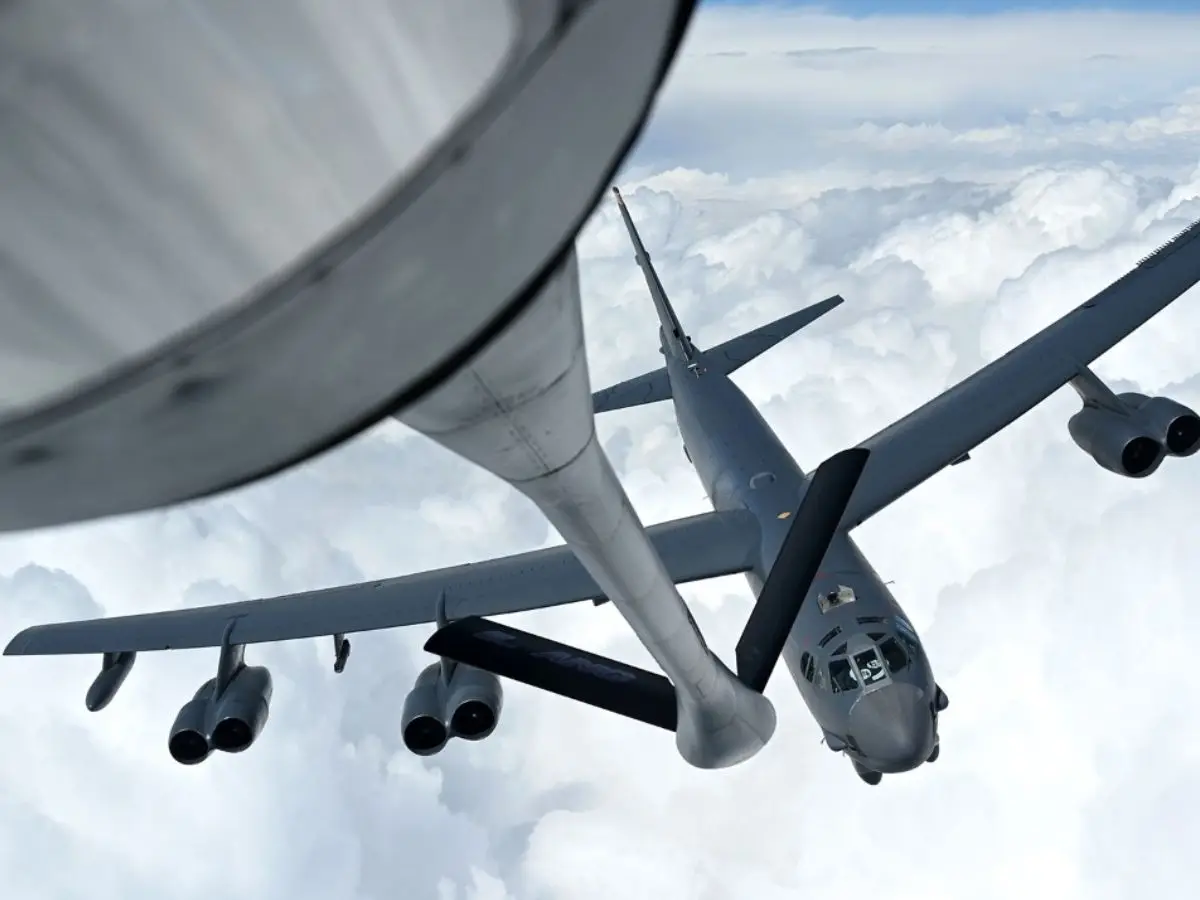
The Speed That Should Not Scare Anyone
The B-52 has a maximum speed of roughly 650 miles per hour — fast by everyday standards, but slower than many modern fighter jets that exceed Mach 2. By pure speed metrics, it is not the most impressive aircraft in the US arsenal. That is entirely beside the point.
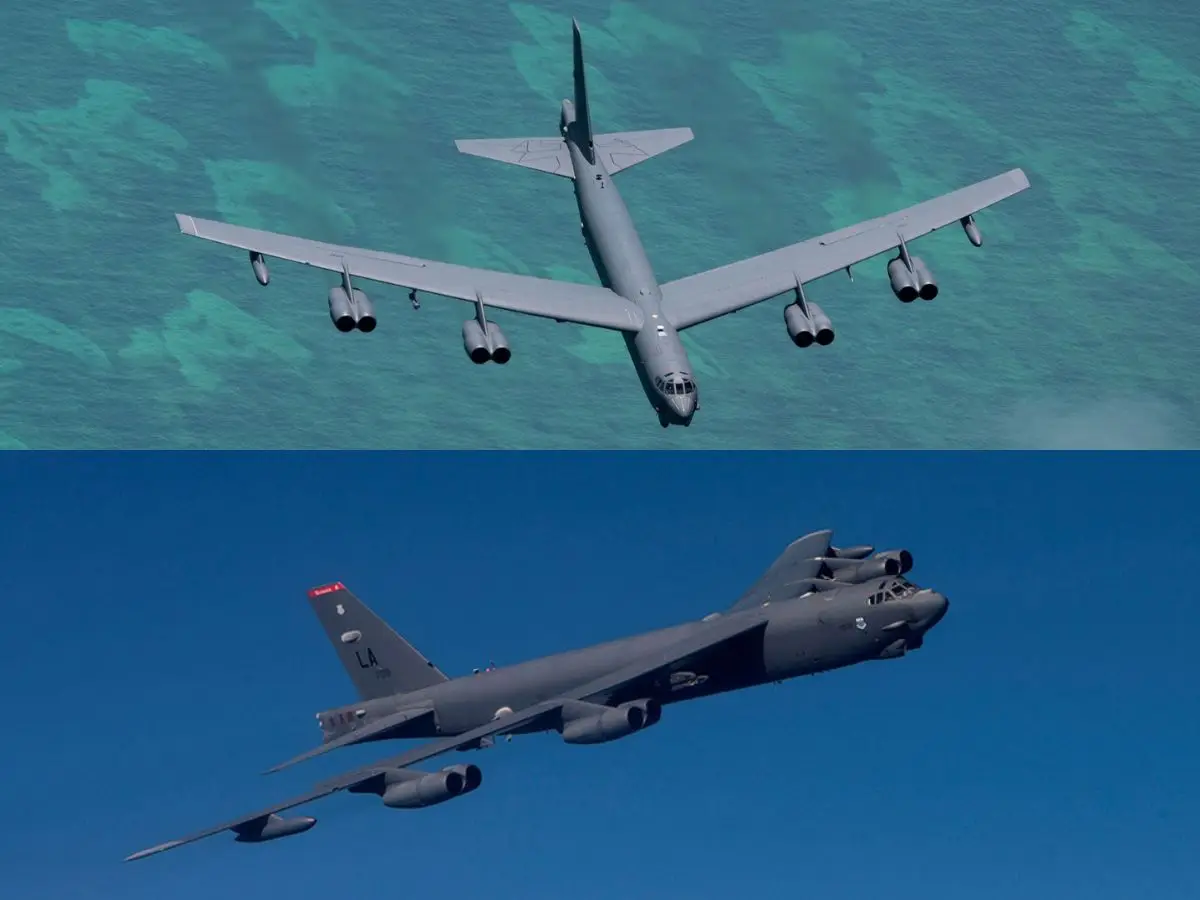
70,000 Pounds Of Weapons
What the B-52 lacks in speed it makes up for in payload. It can carry up to 70,000 pounds — 32 tonnes — of weapons in a single mission. That includes nuclear bombs, conventional bombs, cruise missiles, anti-ship missiles, and precision-guided munitions. No fighter jet in existence carries a fraction of that.
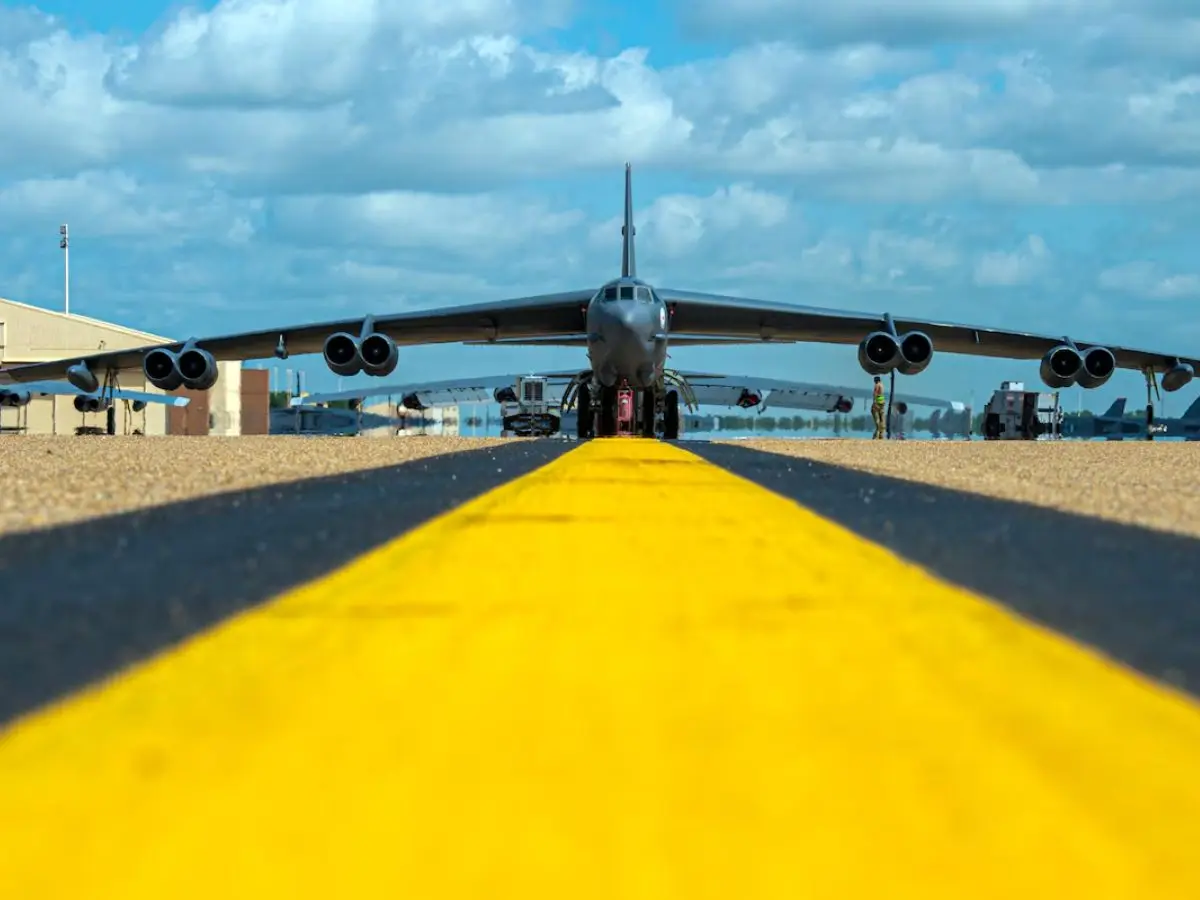
It Can Strike From 1,000 Miles Away
The B-52 does not need to fly over a target to destroy it. Equipped with AGM-86 cruise missiles with ranges exceeding 1,500 miles, it can launch from well outside any enemy air defence system and still hit its target precisely. The aircraft itself never has to enter contested airspace.
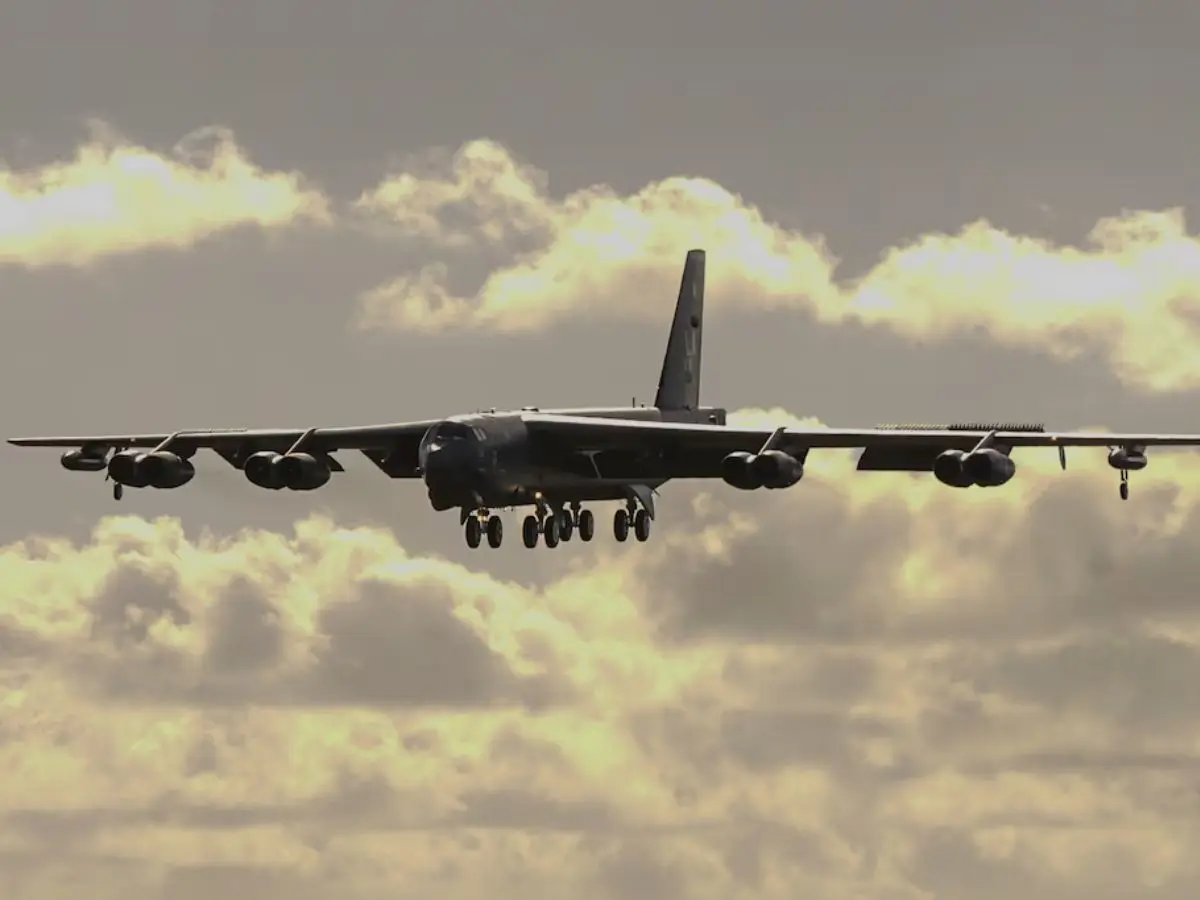
Why Speed Is The Wrong Metric For A Bomber
Speed matters for interception and evasion. Bombers are not designed to outrun threats — they are designed to carry enormous destruction across intercontinental distances and deliver it accurately. The B-52 excels at exactly that, which is why it has remained strategically dominant for seven decades.
The Psychological Effect On Enemy Commanders
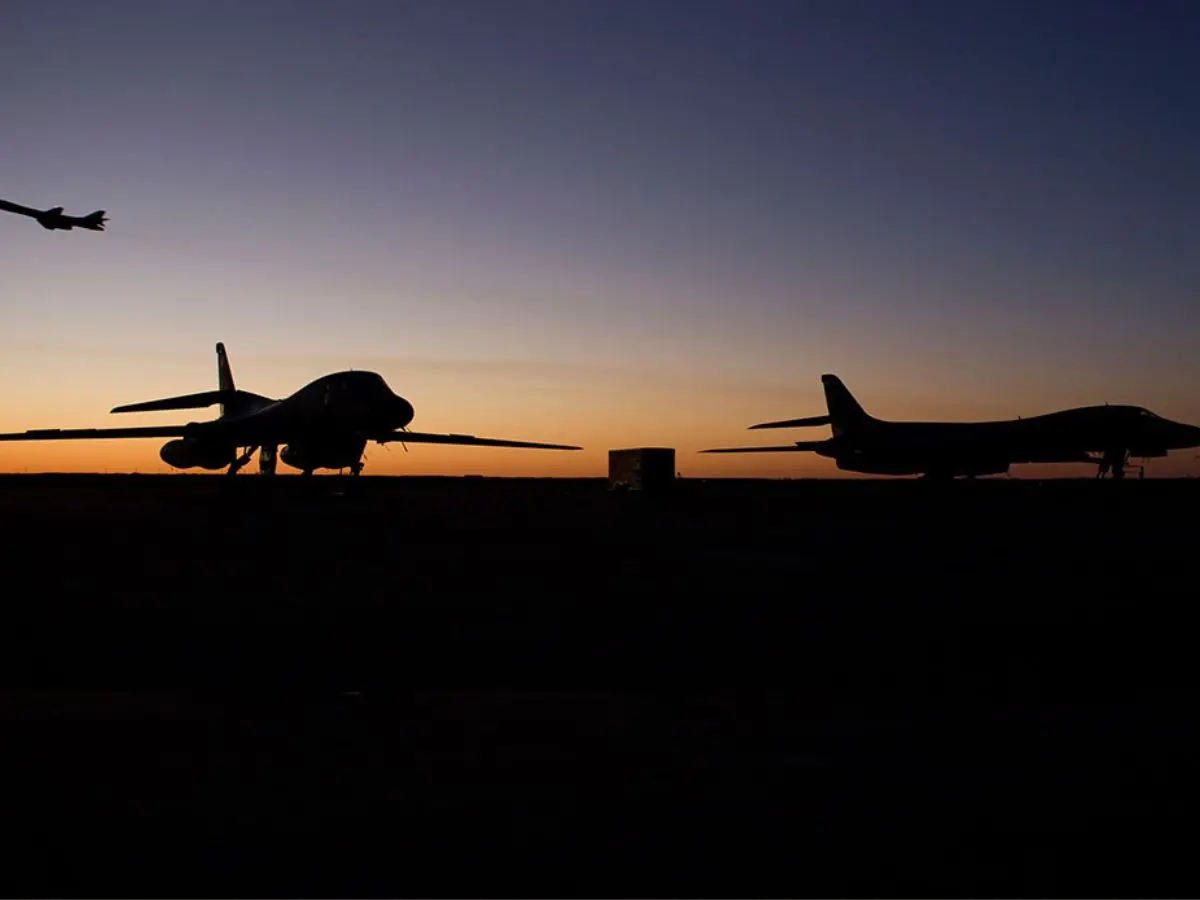
Military planners know that a B-52 appearing in a region is a deliberate message. During tensions with North Korea, the US flew B-52s on training runs near the Korean peninsula specifically to signal resolve without firing a shot. The bomber's presence alone changes the calculus for adversaries.
What Pilots Say When They See One Coming
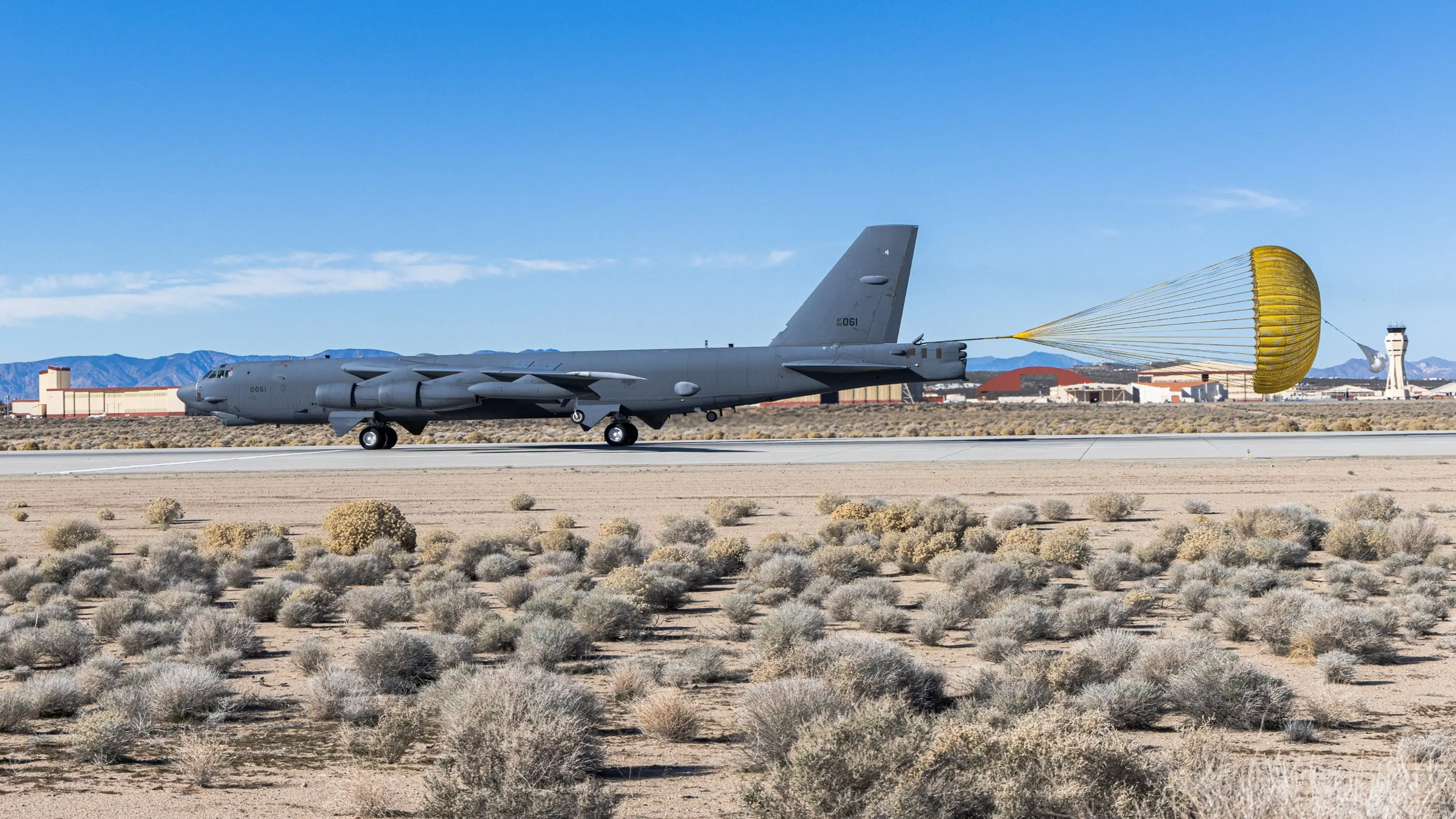
Former adversary pilots and military analysts consistently describe the same reaction to a B-52 strike: it is not the aircraft you see, it is the volume of ordnance that arrives. A single B-52 can carpet-bomb an area the size of a football stadium in a single pass, leaving nothing standing.
The Comparison That Actually Matters
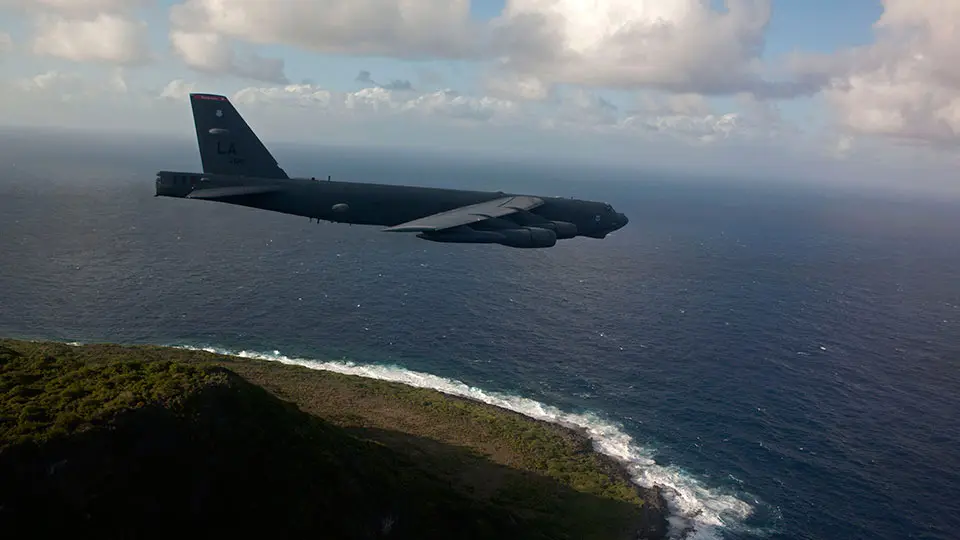
Speed is how fast you get somewhere. Payload is what happens when you arrive. The B-52 can carry more weapons, across a greater distance, for a lower cost per mission, than any other aircraft on earth. In the arithmetic of strategic bombing, that combination has never been surpassed — not in 70 years.
)
)
)
)
)