Can AI make the S-400 deadlier?

Integrating artificial intelligence into the S-400 Triumf could radically enhance its lethality. By using neural networks for threat prioritisation and trajectory prediction, AI reduces operator workload by 40 per cent to flawlessly destroy targets.
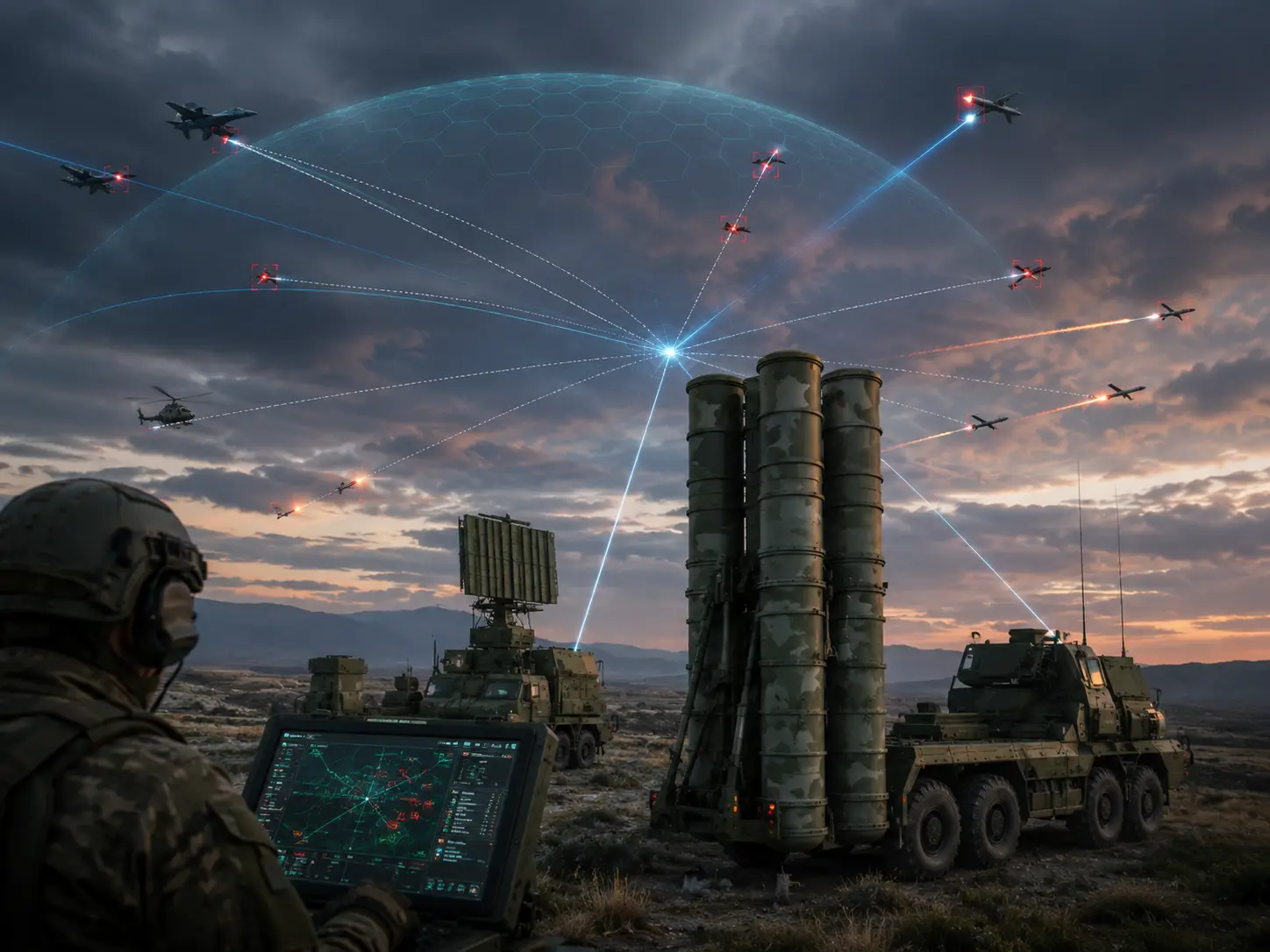
A 40 Per Cent Boost
Artificial intelligence does not replace human officers; it can act as a digital co-pilot to manage battlefield chaos. According to a 2025 CAWAT analysis, integrating AI-driven target allocation into the S-400 reduces operator workload by a massive 40 per cent.
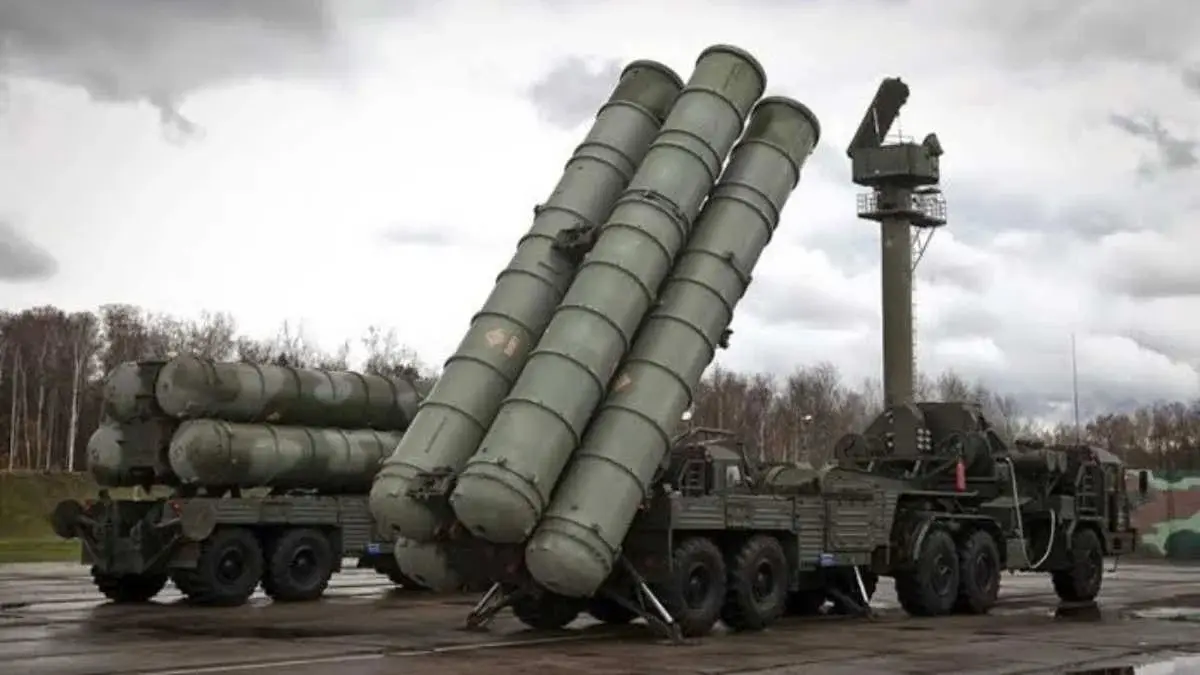
Beyond Static Automation
The USD 1.25 billion S-400 Triumf currently relies on highly advanced but static automation using hard-coded decision trees. By fully integrating artificial intelligence, the system transitions from a rigid script to a learning brain capable of adapting to new threats in real-time.
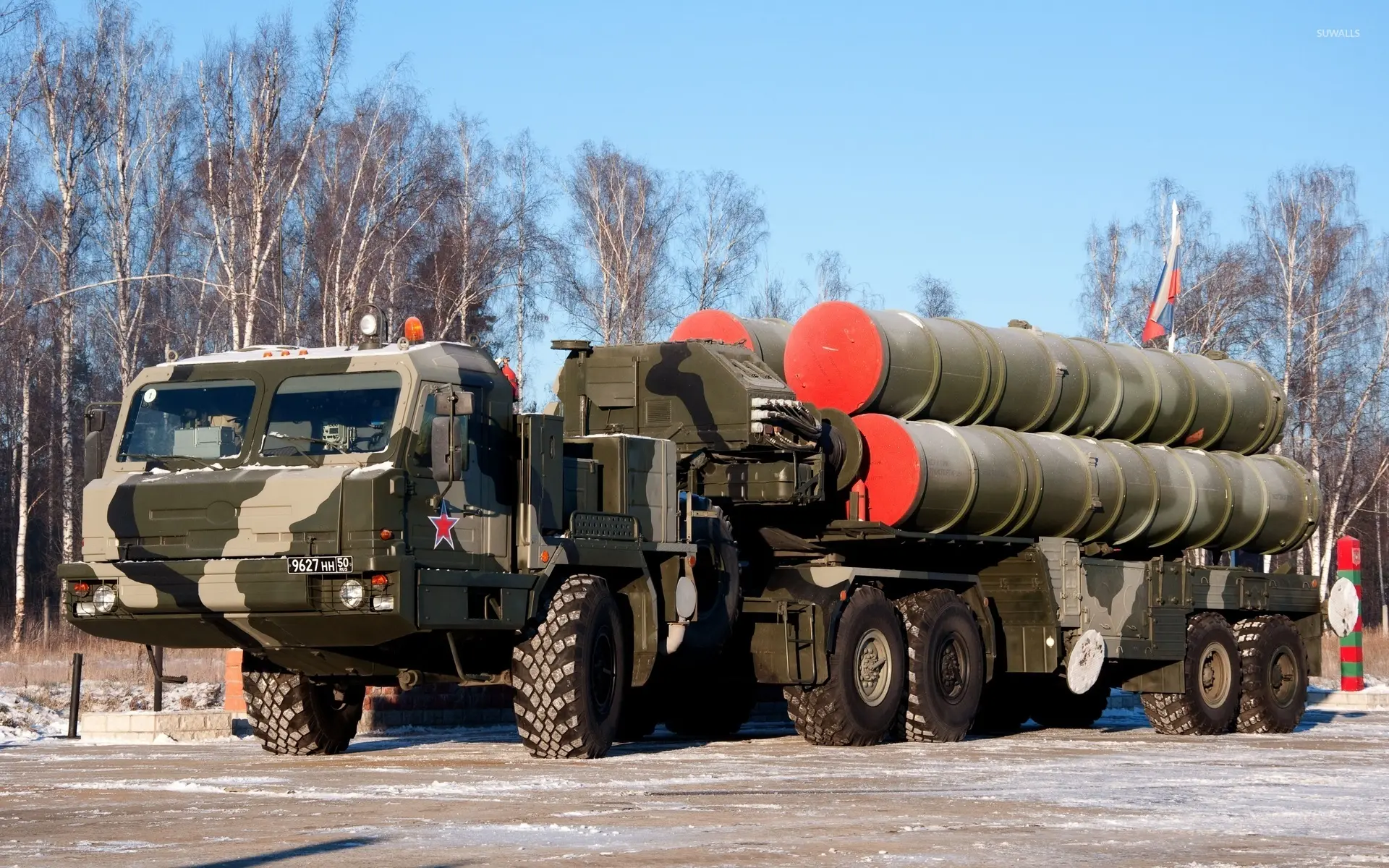
Neural Target Identification
Modern stealth drones and radar-spoofing balloons often confuse traditional tracking filters. By integrating Convolutional Neural Networks (CNNs) with optical sensors, an AI-enhanced S-400 could instantly classify turbine shapes and wing profiles to expose visual decoys.
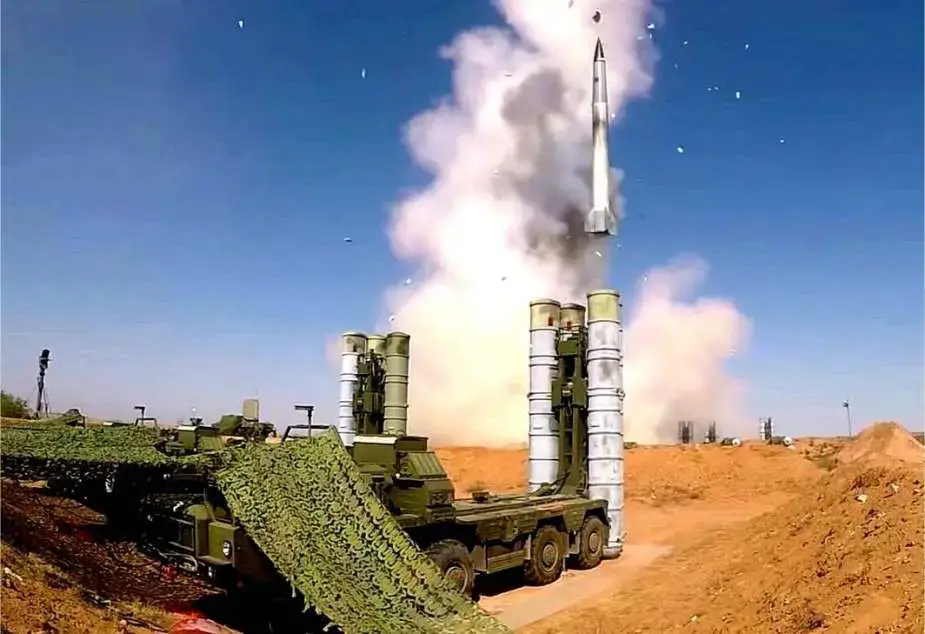
Predicting the Hypersonic
Hypersonic weapons manoeuvre unpredictably to dodge defensive interceptors. If equipped with Long Short-Term Memory (LSTM) neural networks, the S-400 could accurately predict where a hypersonic missile will be three seconds in the future, plotting a flawless intercept trajectory.
Defeating the Swarm
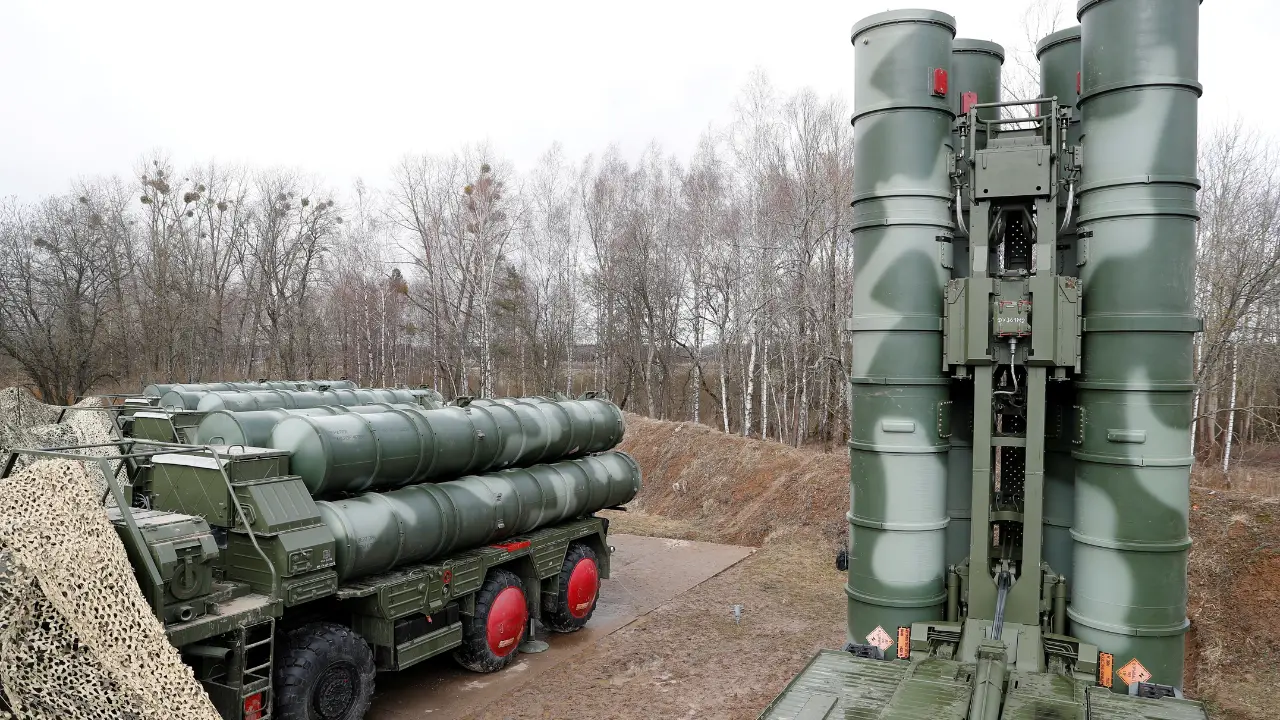
A massive drone swarm attack is mathematically designed to overwhelm an operator's cognitive limits. Using Reinforcement Learning algorithms, AI can instantly calculate the most efficient firing sequence, handing off cheap drones to networked Pantsir-S1 systems while saving heavy missiles.
Anomaly Filtering
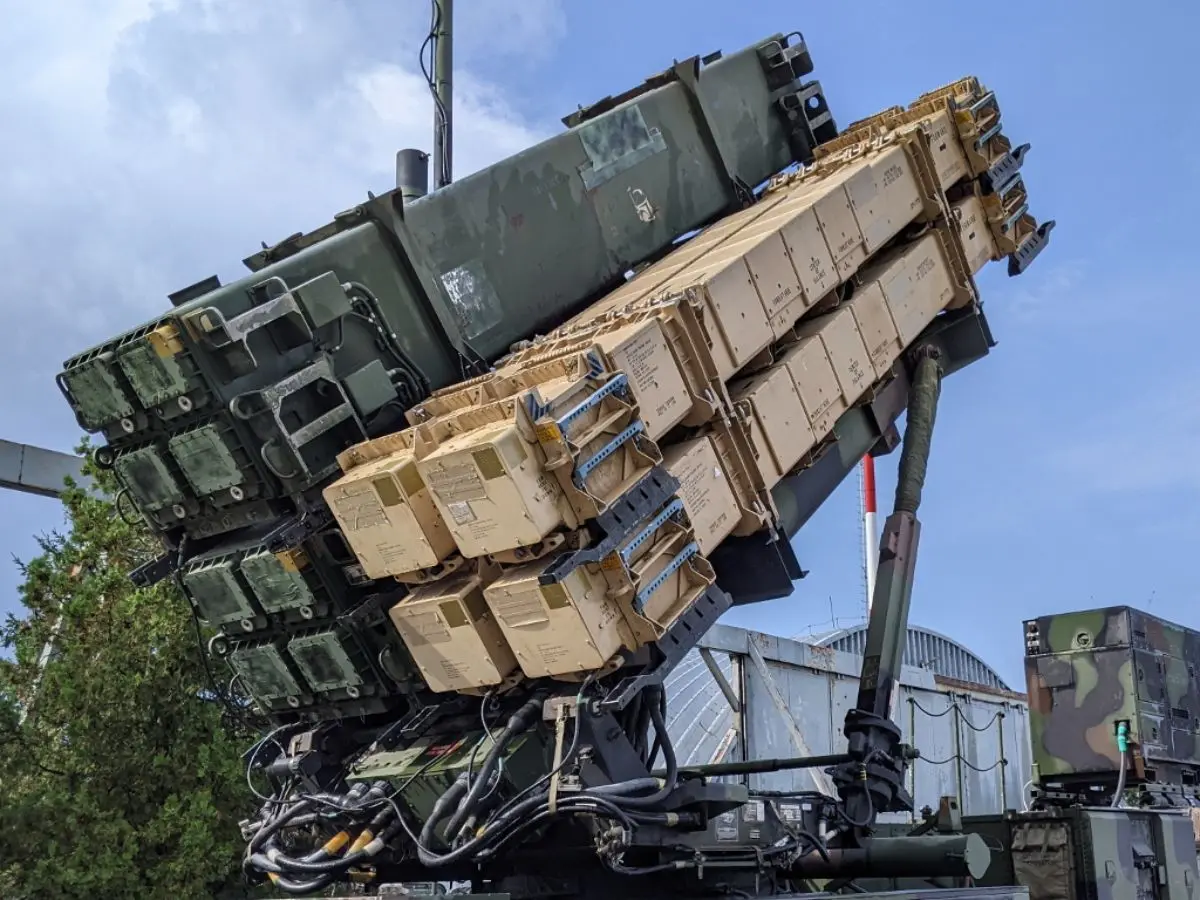
Electronic warfare aims to blind air defence radars by aggressively spoofing signals and broadcasting heavy noise. By deploying AI autoencoders, the 91N6E panoramic radar could learn ‘normal’ patterns and instantly flag jammed telemetry, maintaining a pristine 600-kilometre view.
Dynamic Prioritisation
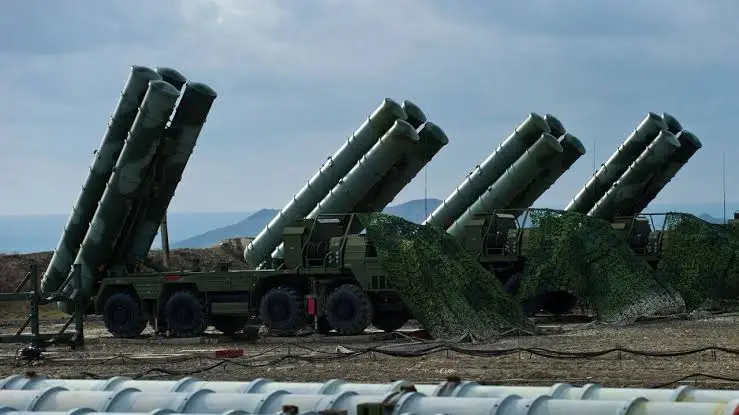
Human commanders rely on strict rules of engagement, which naturally increases response times during complex scenarios. An AI-driven threat assessment model using decision trees could instantly score 300 radar blips from 0 to 100, allocating missiles to the deadliest targets in milliseconds.
)
)
)
)
)