Will lasers one day replace S-400 missiles?

Lasers will not replace the S-400 due to severe line-of-sight limits, atmospheric scattering, and thermal blooming that cap their range to 16 km. Instead, cheap lasers can act as bodyguards against drone swarms, saving missiles for heavy targets.
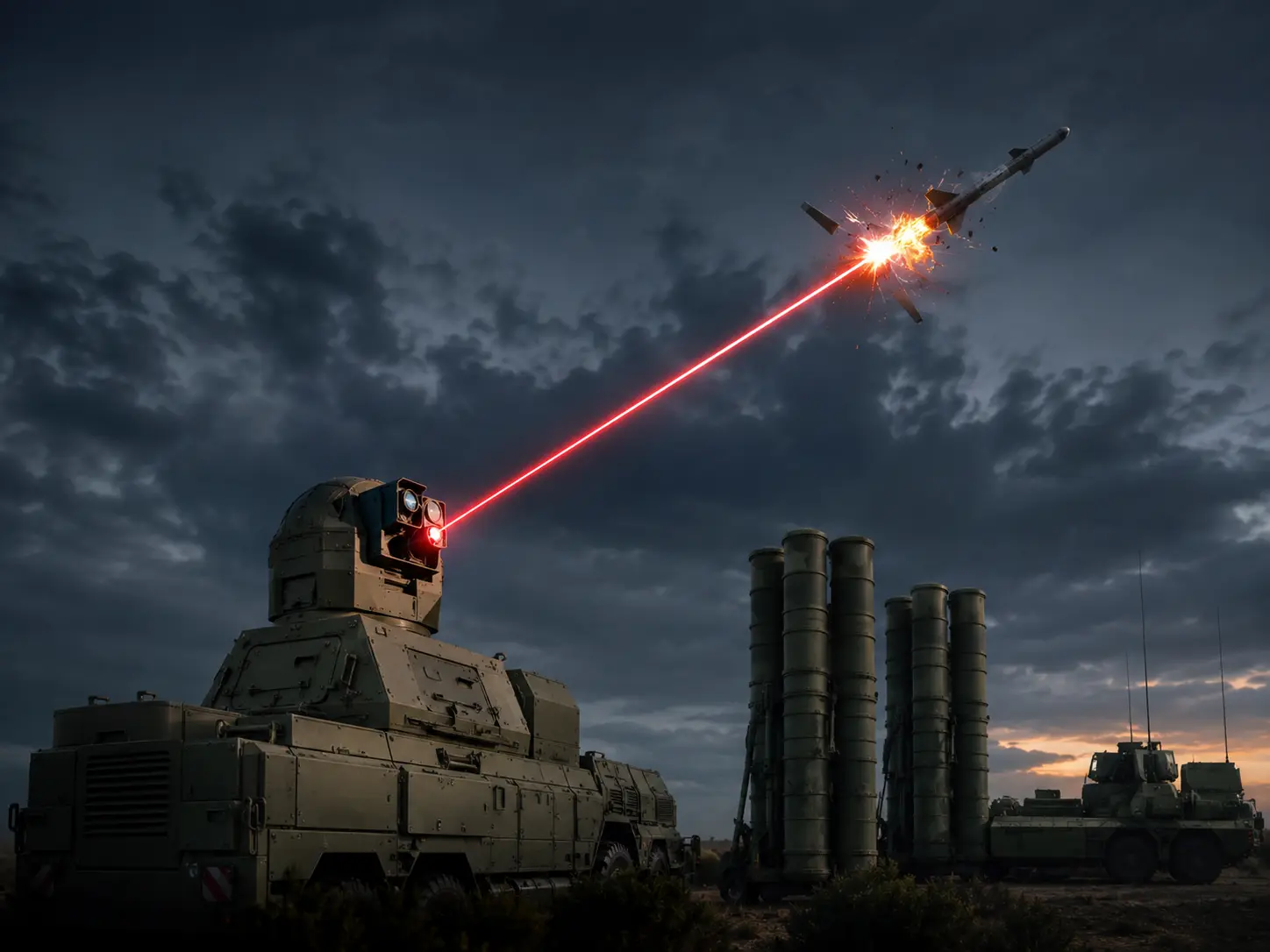
The Speed of Light vs Mach 14
Directed energy weapons offer instantaneous strikes and cost roughly USD 5 in electricity per shot. However, while high-energy lasers are rapidly revolutionising short-range combat, they cannot entirely replace a USD 1.25 billion long-range missile system like the S-400.
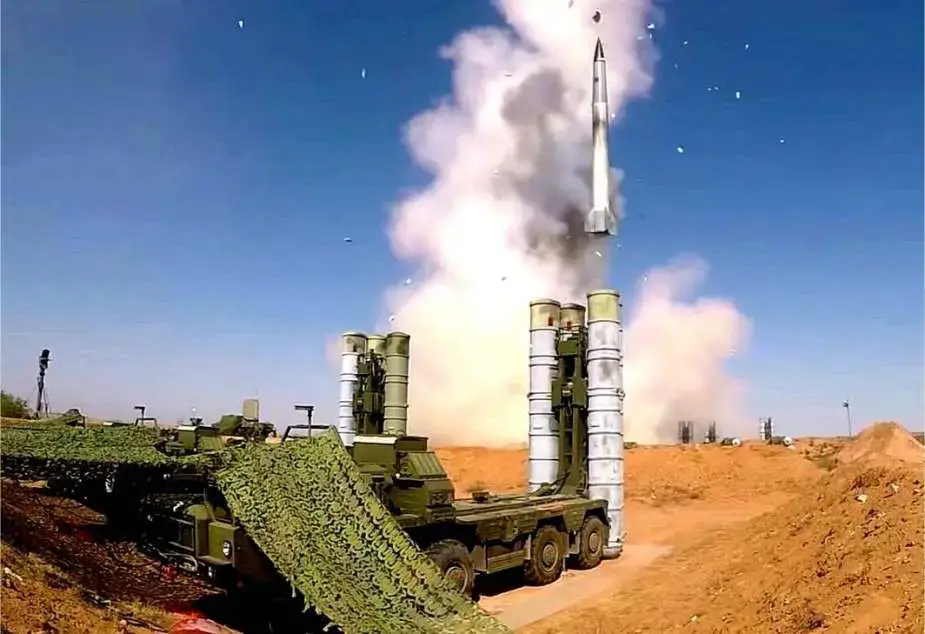
The Horizon Limit
A fundamental physical flaw with laser weaponry is its strict requirement for a direct line of sight. Because lasers shoot perfectly straight, they cannot bend around the Earth's curvature, whereas an S-400 missile can fly 400 kilometres to destroy over-the-horizon bombers.
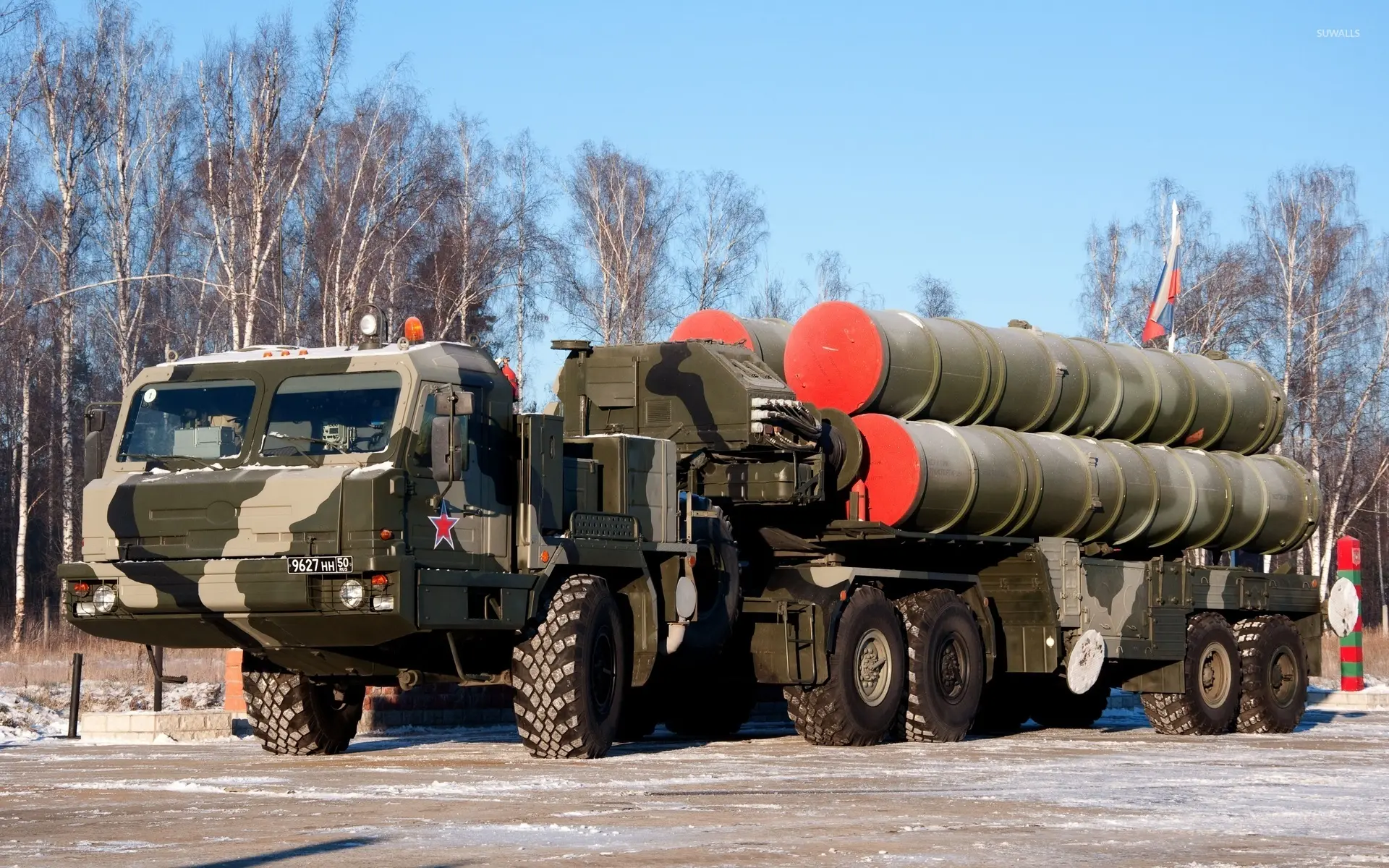
Atmospheric Scattering
Military lasers like Israel's Iron Beam or Russia's Peresvet lose intense energy over distance due to atmospheric scattering. Fog, heavy rain, and dense clouds severely degrade a laser's lethality, whereas the S-400's solid-fuel rockets and heavy radars easily punch through violent storms.
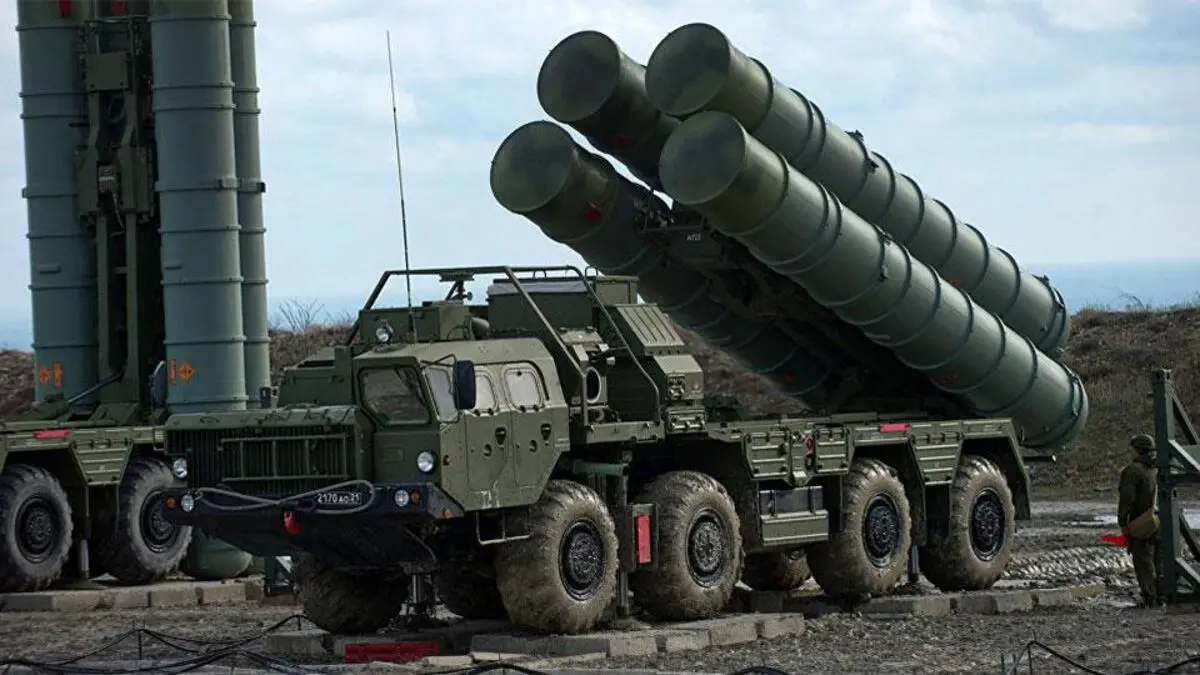
Thermal Blooming
When a high-energy laser rapidly heats the air it passes through, the atmosphere expands and violently defocuses the beam. This phenomenon, known as thermal blooming, mathematically caps the effective operational range of current laser air defence systems to roughly 16 kilometres.
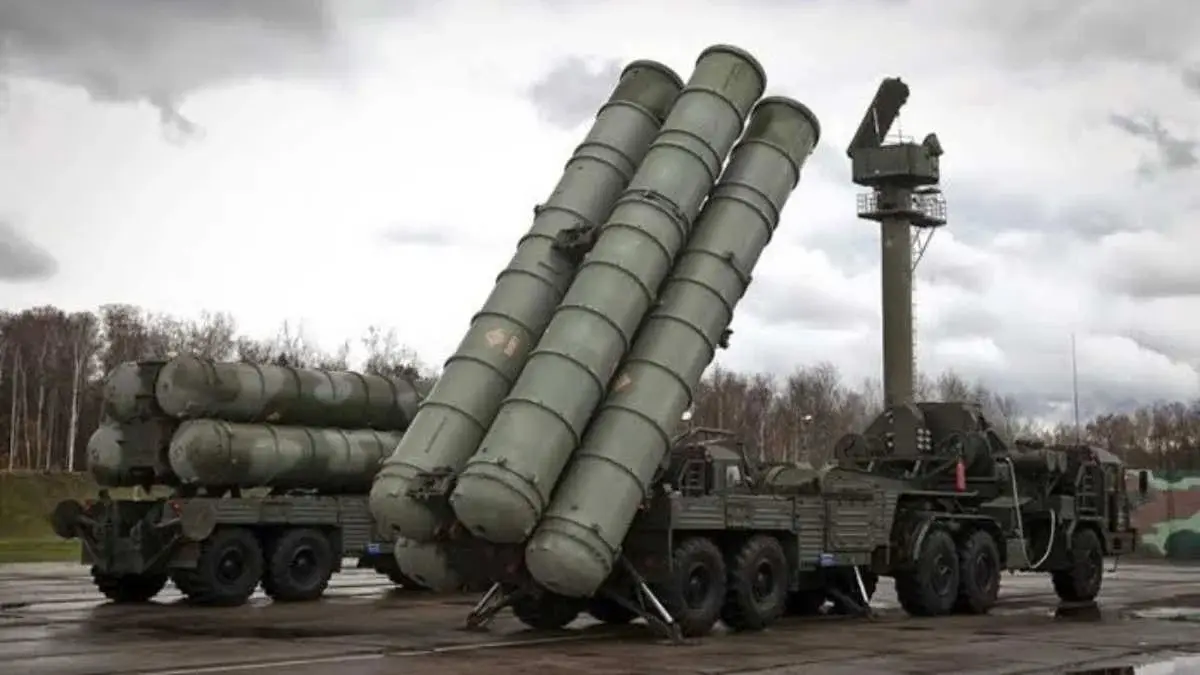
The Ultimate Drone Killer
While lasers cannot replace long-range interceptors, they excel at close-range swarm defence against cheap targets. Destroying a commercial quadcopter costs mere dollars in electricity, entirely solving the economic trap of using multi-million dollar S-400 missiles on low-value drones.
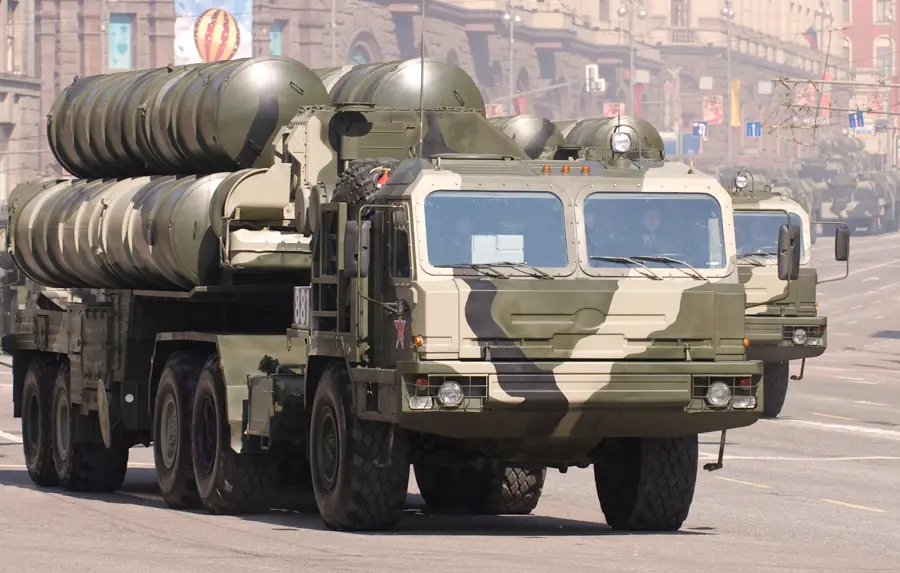
Complementary Layers
Instead of replacing the S-400, directed energy weapons will act as its ultimate tactical bodyguard. Advanced networks will use lasers to instantly incinerate nearby mortar shells and drones, explicitly saving the heavy 40N6E missiles for stealth fighters and ballistic threats.
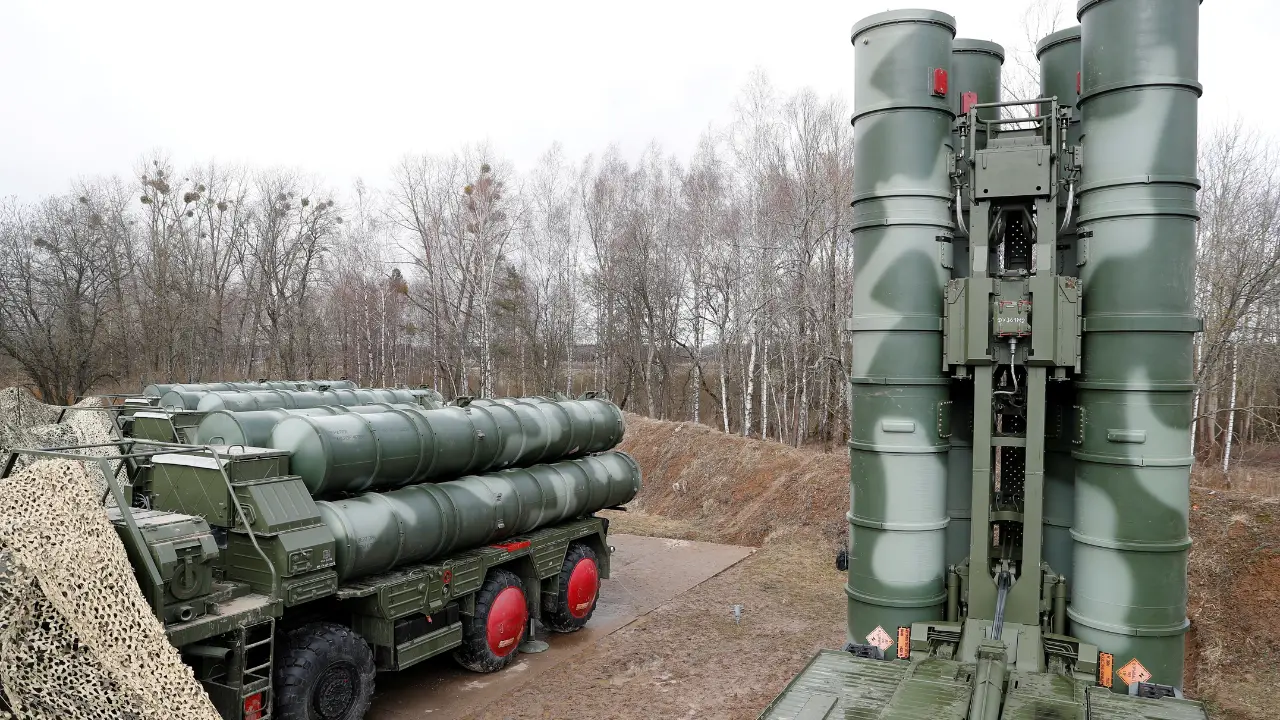
Missiles Dominate the Stratosphere
Ultimately, lasers will likely replace short-range kinetic anti-aircraft guns, but they cannot replace heavy surface-to-air missiles. For extreme high-altitude interceptions and all-weather lethality, massive missile batteries like the S-400 will dominate the strategic airspace for decades.
)
)
)
)
)