Why are S-400 launchers parked far apart?

S-400 launchers are parked far apart to prevent chain-reaction explosions and survive anti-radiation missile strikes. Using re-transmitters, launchers can sit up to 100 km from the command post, hiding in forests while expanding the defensive zone.
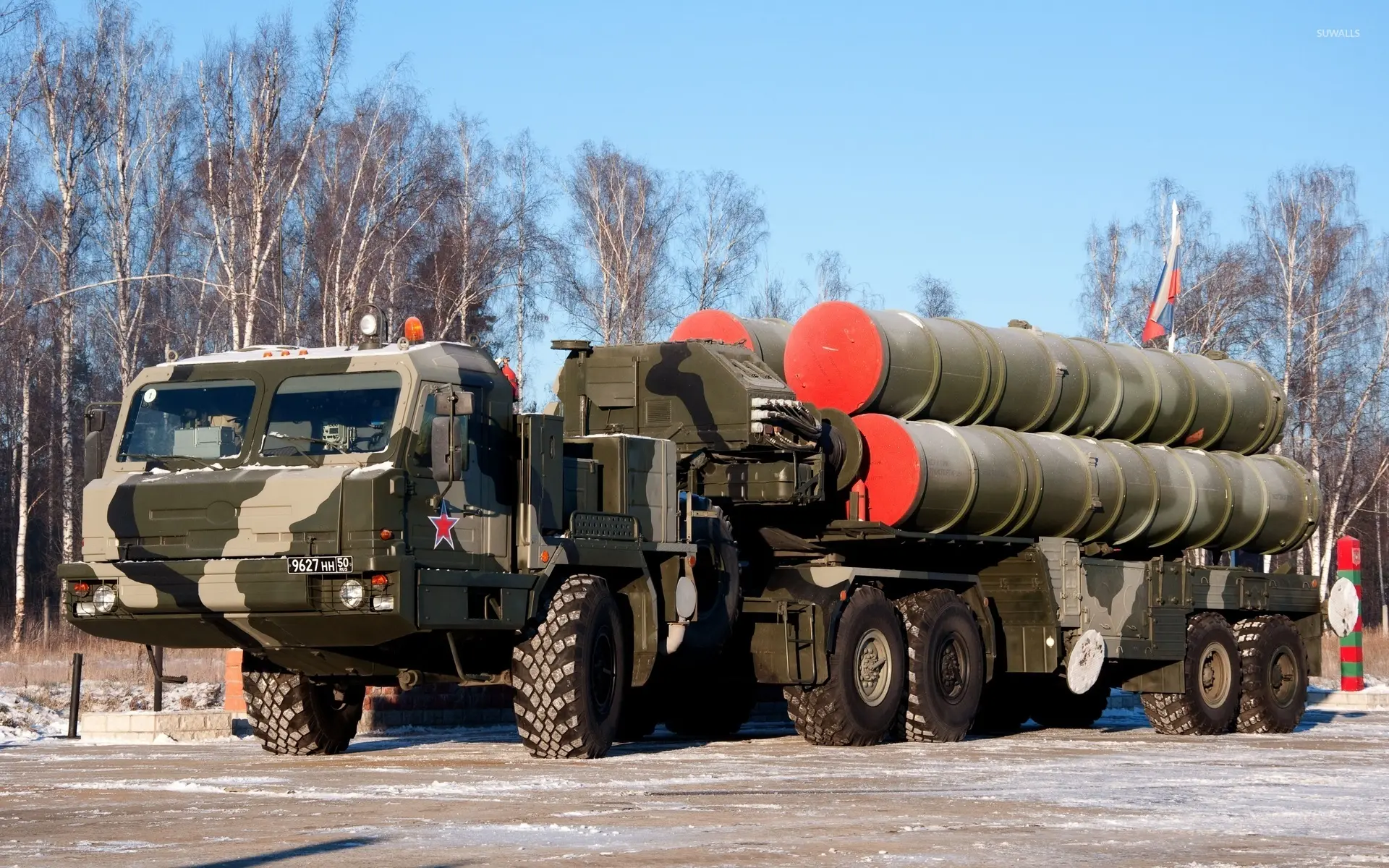
The Dispersion Doctrine
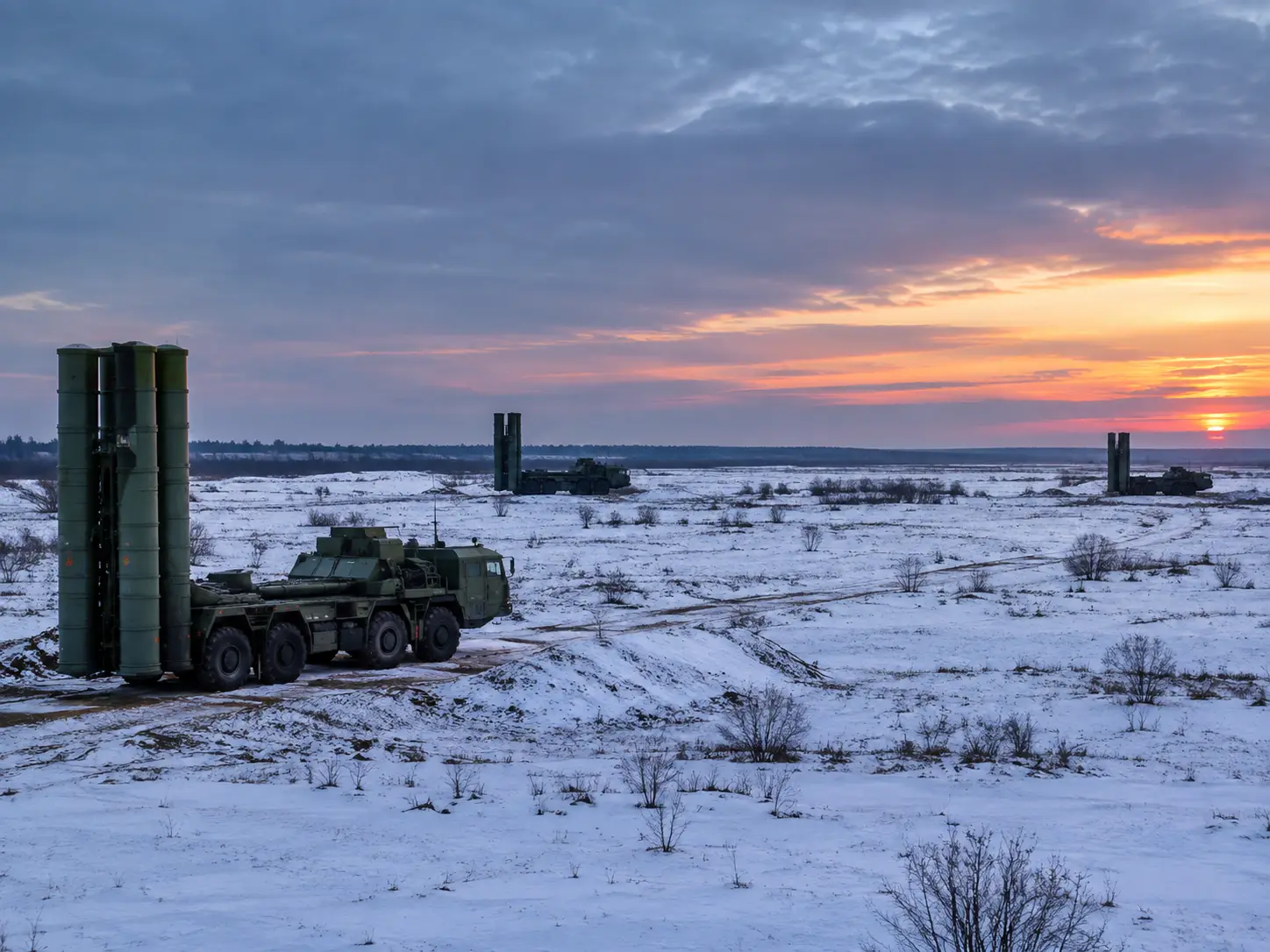
Unlike older air defence batteries that huddled closely together, an S-400 Triumf battalion intentionally scatters its vehicles across vast distances. This tactical dispersion is a deliberate survival strategy designed to protect the USD 1.25 billion system from catastrophic strikes.
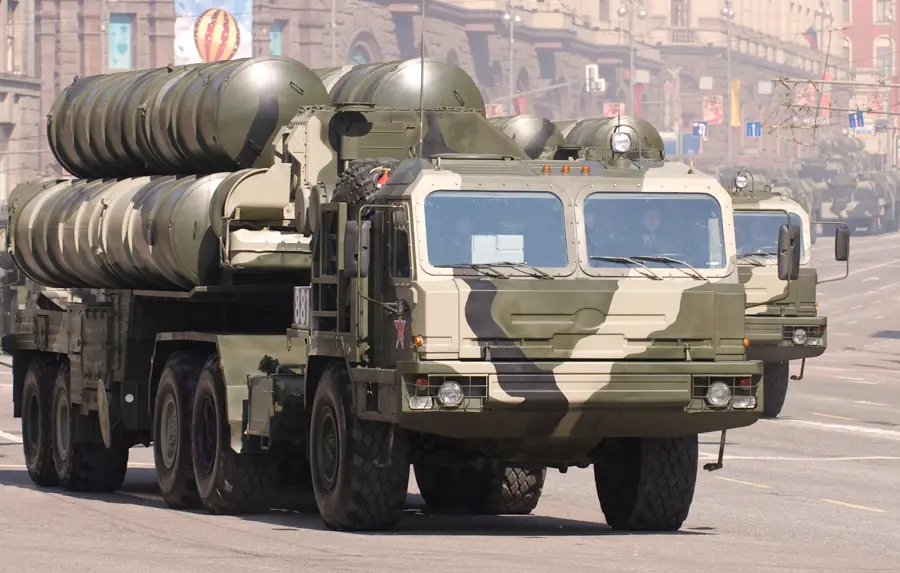
Preventing Chain Reactions
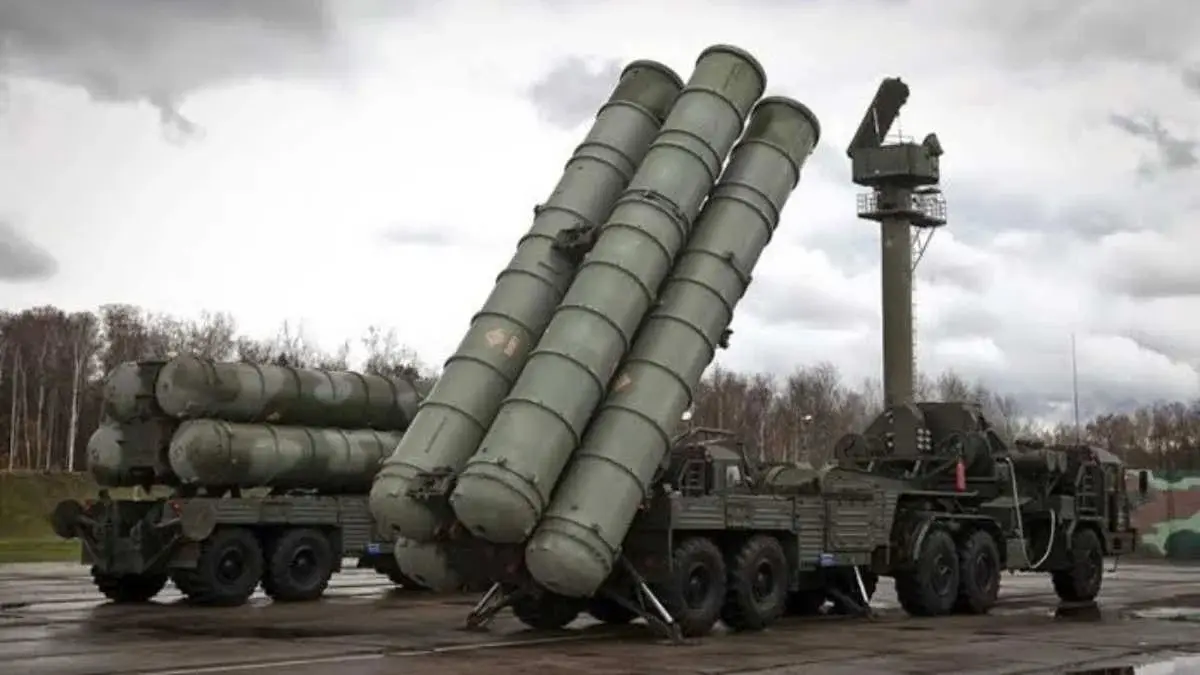
If an enemy successfully drops a cluster munition or precision bomb on a single launch truck, parking them close together would trigger a devastating chain reaction of exploding missiles. Dispersing the heavy 8x8 transporters ensures that one direct hit only destroys a single vehicle.
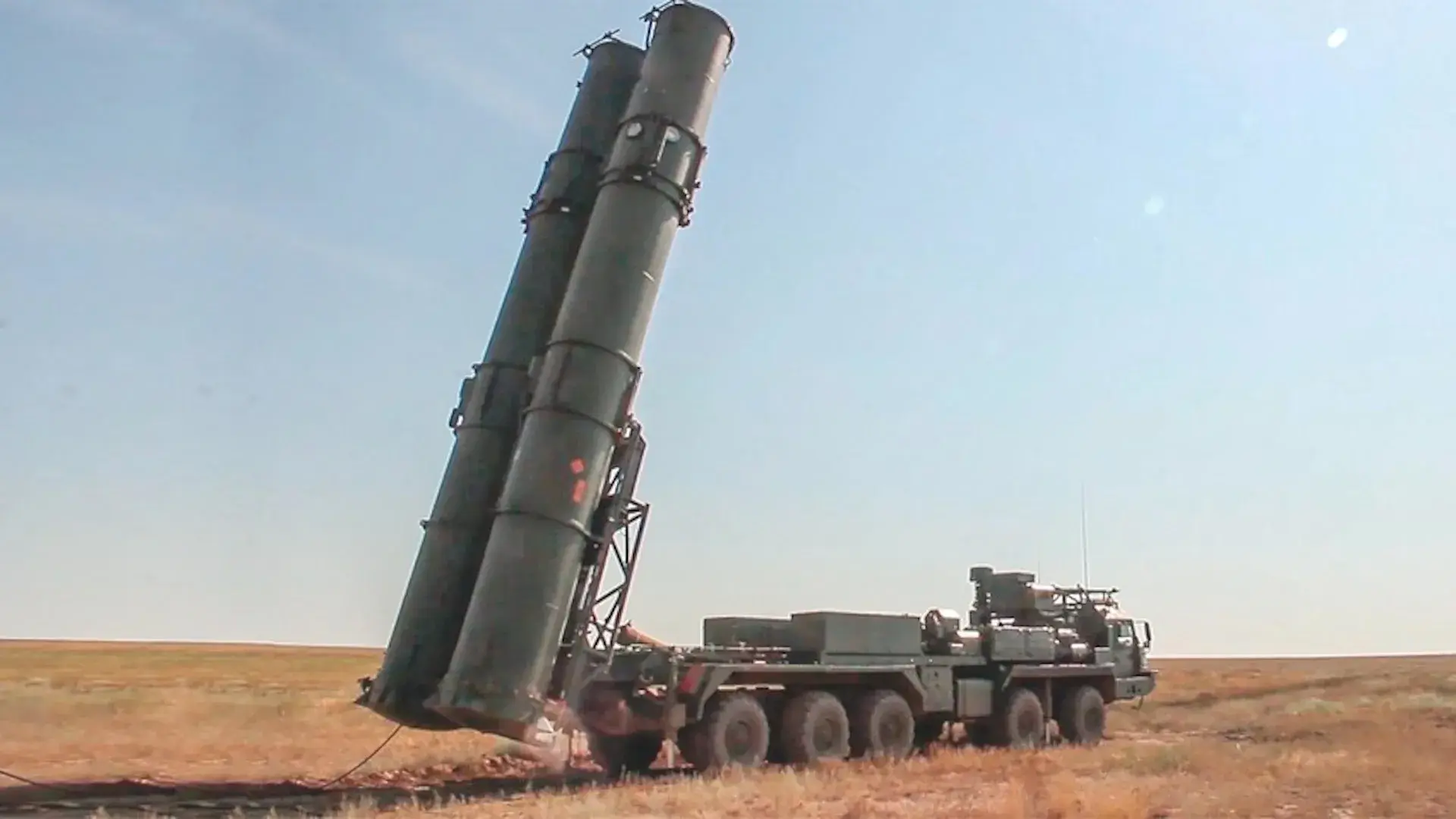
Hiding from Satellites
Scattering the battery makes it exceptionally difficult for enemy spy satellites and reconnaissance aircraft to locate the entire system. Because the launchers are parked kilometres apart, an adversary cannot wipe out the complete airspace shield with a single coordinated strike.
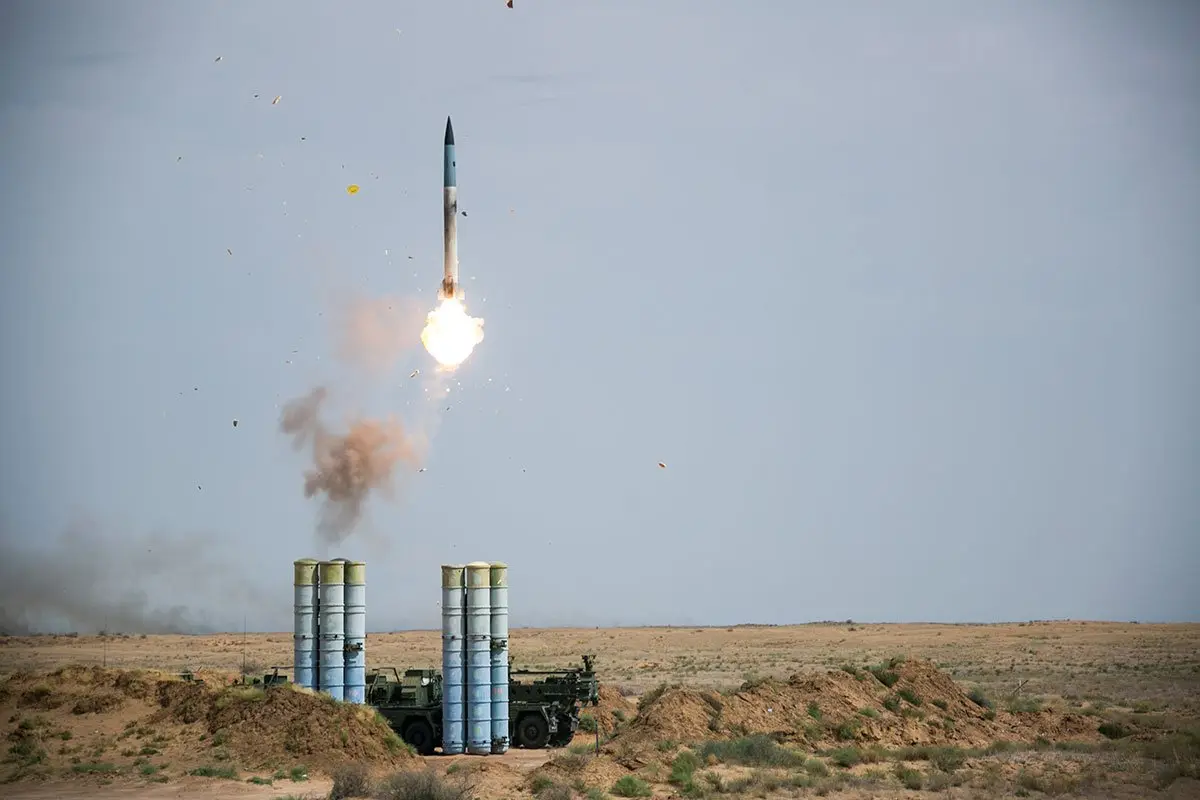
Anti-Radiation Survival
When enemy jets fire anti-radiation missiles designed to home in on radar signals, the S-400's radars are the primary targets. By parking the missile launchers far away from the 92N6E engagement radar, the interceptors remain perfectly safe even if the radar is completely destroyed.
Expanding the Kill Zone
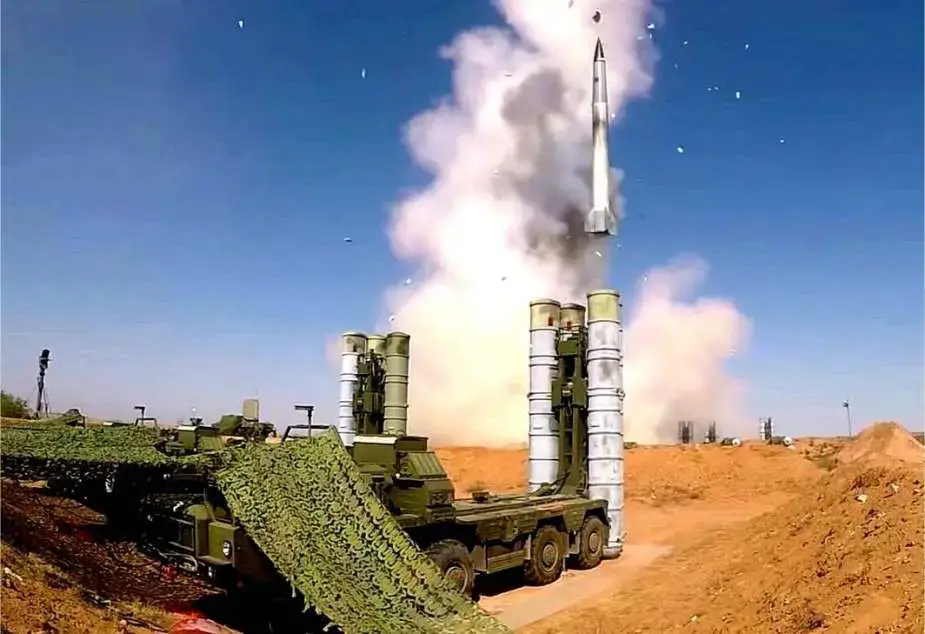
A single 55K6E command post can coordinate launchers stationed up to 100 kilometres away using wireless re-transmitters. This extreme dispersion allows a single S-400 battery to drastically stretch its defensive umbrella, seamlessly protecting multiple cities simultaneously.
Terrain Masking
Because they do not need a direct line of sight to the radar, the individual launch vehicles can be hidden deep inside dense forests or behind steep hills. Meanwhile, the panoramic radar can be placed on an exposed mountain peak to maximise its 600-kilometre scanning range.
The Vertical Advantage
This scattered formation is only possible because the S-400 uses cold vertical launch technology. Since the missiles blast straight up before turning towards the target, the dispersed launchers do not need to be physically pointed in the same direction to establish a flawless 360-degree shield.
)
)
)
)
)