World's Largest Cities 1950 to 2100: Population Breakdown

Dhaka is projected to reach 55 million people by 2100, overtaking Tokyo and Jakarta as the world's largest city. Asian and African megacities will completely dominate global population rankings.
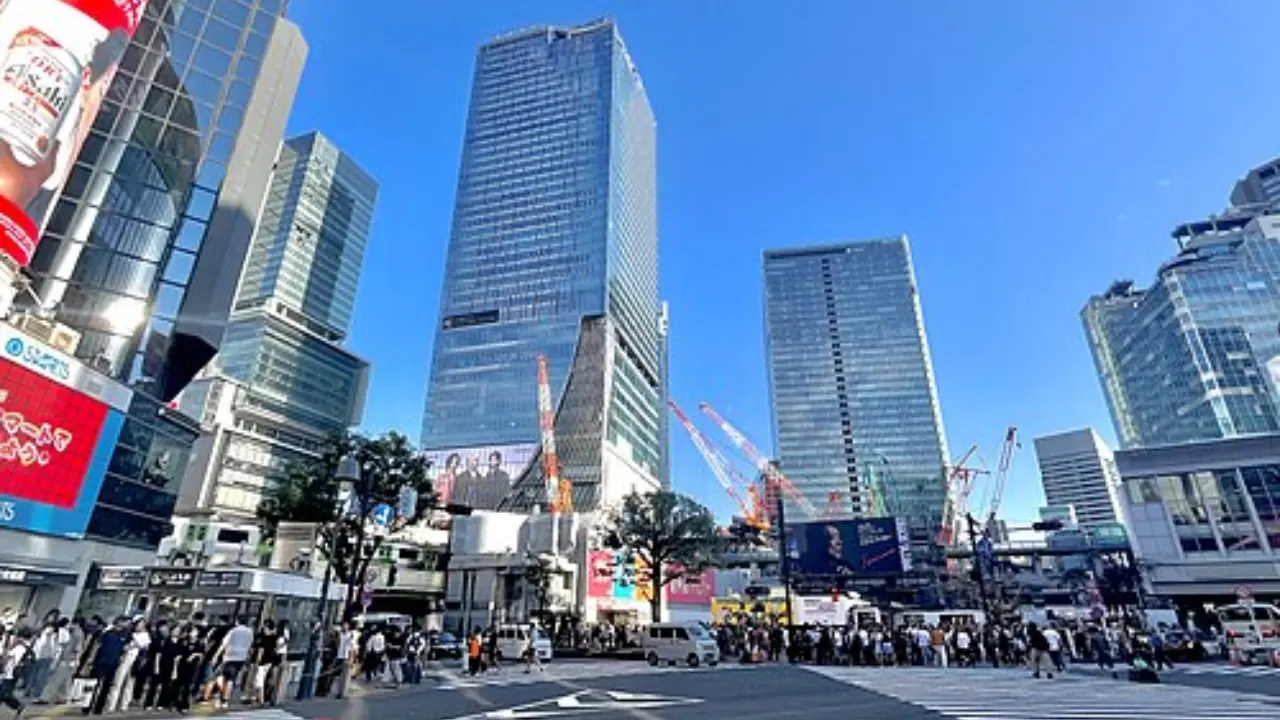
Tokyo Hits 12.6 Million
In 1950, Tokyo was the most populous city globally with 12.6 million people. New York City followed with 9.3 million inhabitants. More than half of the top 15 cities were located in Europe or the Americas. London held 7.9 million residents during this period.

Tokyo Reaches 30.3 Million
By the year 2000, Asian cities began dominating the top population rankings. Tokyo maintained its global lead by growing to 30.3 million inhabitants. Guangzhou expanded to 19 million people. New Delhi also recorded massive growth with 18 million residents.
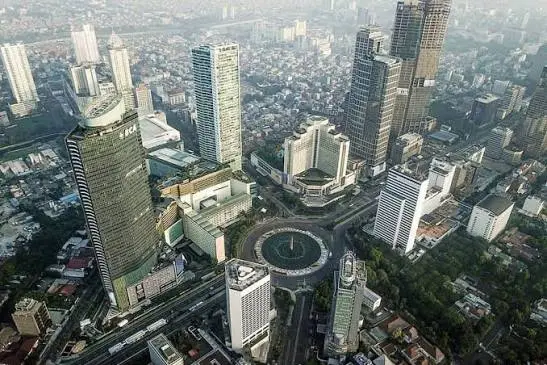
Jakarta Hits 41.9 Million
Projections for 2025 show Asian cities representing almost all top demographic centres. Jakarta leads the world with 41.9 million people. Dhaka follows closely behind with 36.6 million inhabitants. All but one of the top 10 cities are currently in Asia.

Cairo Reaches 25.6 Million
Cairo is the only non-Asian city in the top 10 rankings for 2025. The Egyptian capital holds 25.6 million residents. Urbanisation across the African continent continues to accelerate rapidly. This natural population increase drives massive metropolitan expansion.
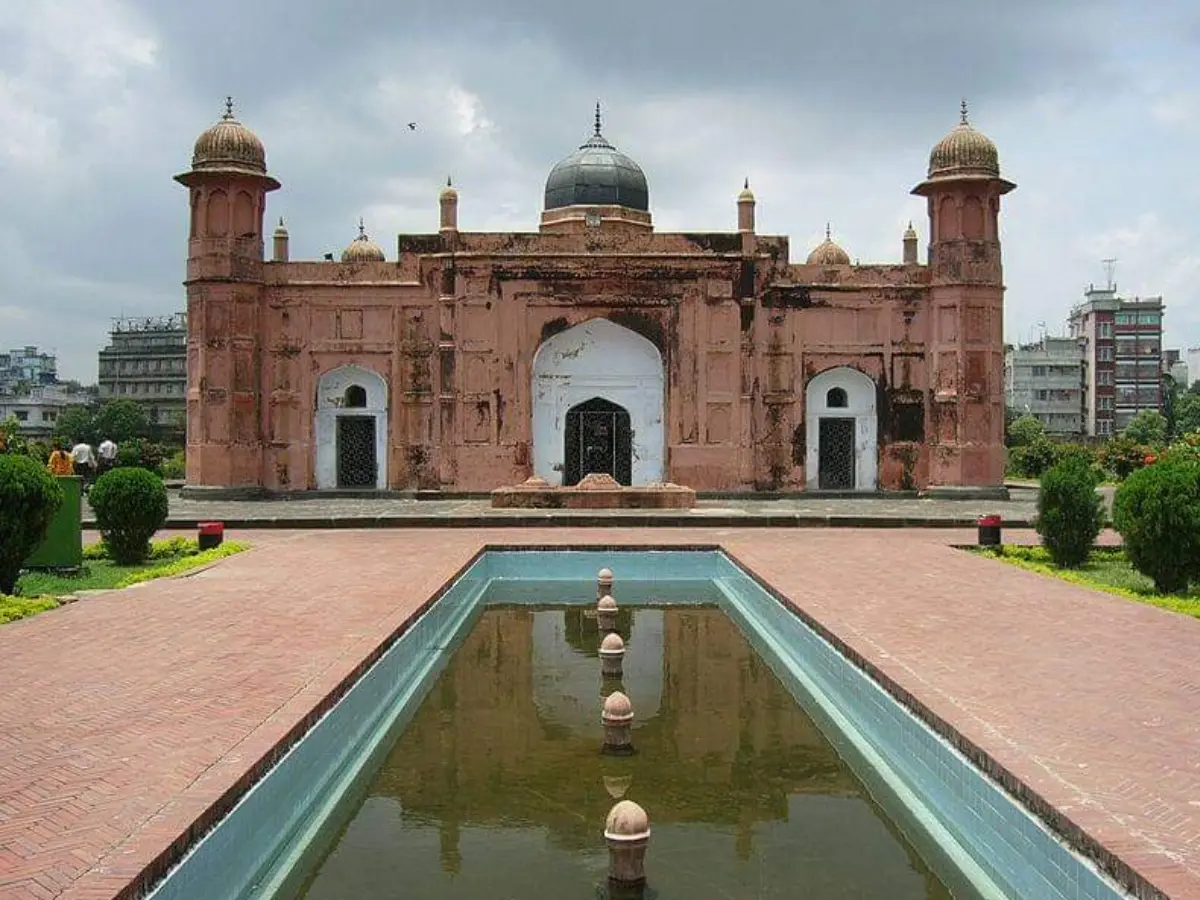
Dhaka Tops 55 Million
Projections indicate Dhaka will become the world's largest city by 2100. The Bangladeshi capital is expected to reach 55 million inhabitants. Jakarta will drop to second place with an estimated 49.7 million people. Karachi will follow closely with 43.7 million residents.
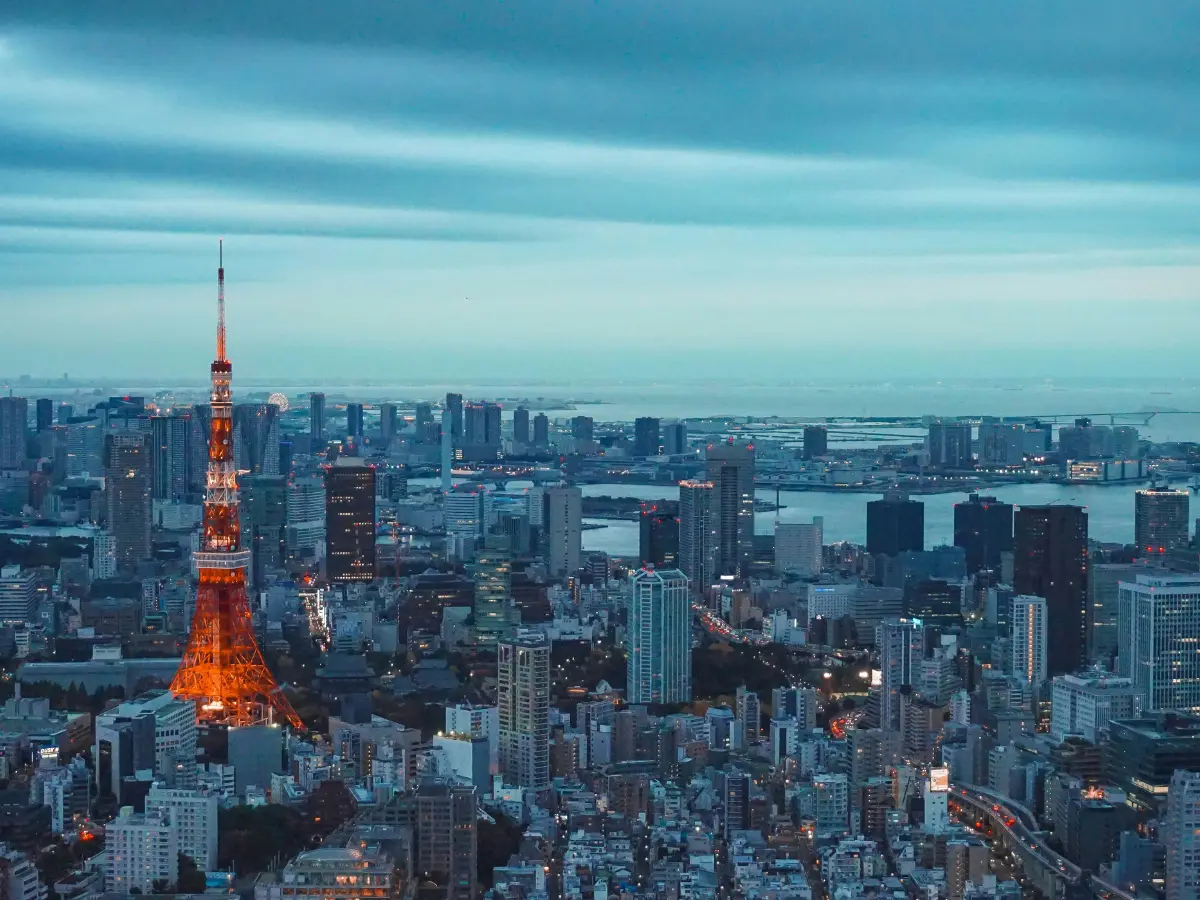
Tokyo Drops 24.1 Million
Tokyo will experience a notable population decline by the year 2100. The Japanese capital is projected to fall to 24.1 million residents. This demographic shift is primarily driven by declining birth rates. Tokyo will ultimately drop to ninth place globally.
Cairo Hits 36.7 Million
By 2100, Cairo will remain the most populous city outside Asia with 36.7 million people. Luanda will follow with 30.7 million residents. Dar es Salaam and Lagos will reach 20.1 million and 17.9 million respectively. African and Asian cities will completely dominate the rankings.
)
)
)
)
)