Martin Scorsese's Mean Streets: Where mobsters meet mayhem

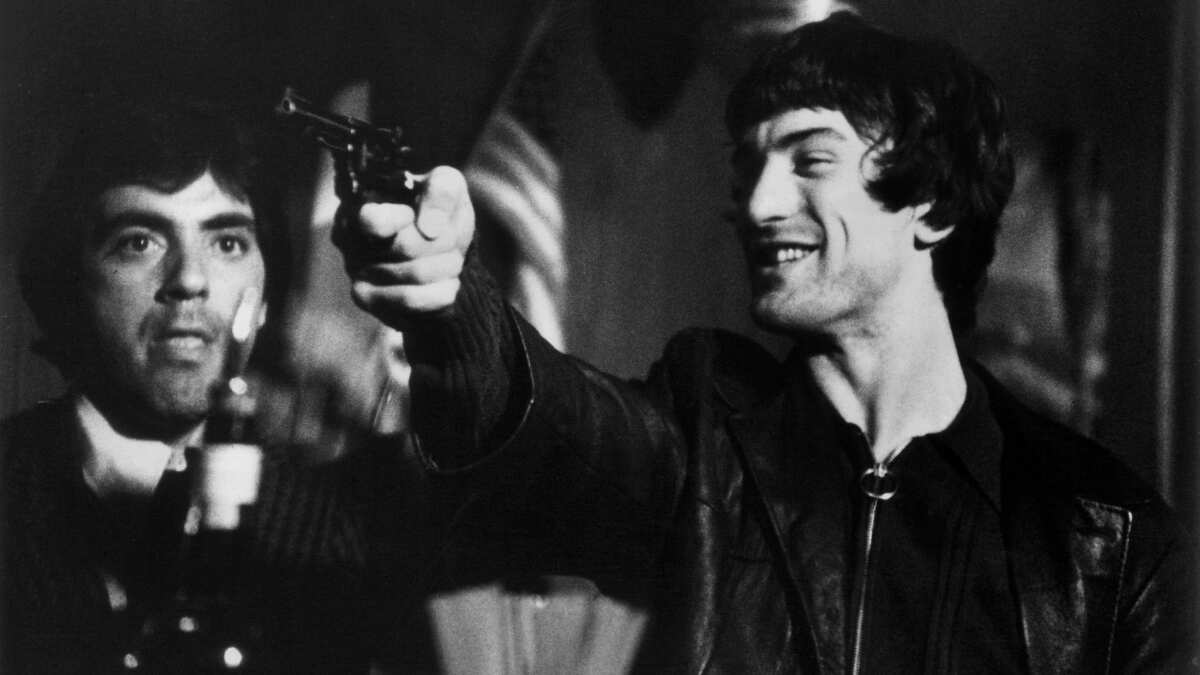
What sets Mean Streets apart from conventional gangster films, particularly of that era, is its authenticity.
Author's note: This is second in a series of articles that I call #EssentialScorseseFilms. It is a celebration of the iconic director's cinematic legacy before Killers of the Flower Moon. While Martin Scorsese's prolific career has spanned decades and produced a plethora of remarkable films, I recognise that it is impossible to cover them all within the confines of this series. Therefore, I have chosen to focus on his major works that have, I believe, have come to embody the essence of Scorsese's unparalleled artistry.
In the early 1970s, American cinema was undergoing a transformation. Traditional Hollywood aesthetics were being challenged, and a new wave of filmmakers was emerging, eager to explore uncharted territory. Among these auteurs, one name stood out — Martin Scorsese. It was during this era that Scorsese unleashed Mean Streets, a film that would not only define his career but also reshape the landscape of American cinema.
Also Read |Who's That Knocking at My Door: Martin Scorsese's raw and personal directorial debut

Released in 1973, Mean Streets was an uncompromising look at life on the 'mean streets' of New York's Little Italy. It wasn't a typical gangster film, nor was it a straightforward narrative. Instead, it was a deeply personal and character-driven exploration of guilt, loyalty, and the moral dilemmas faced by its heroes.
The film centres around Charlie (played by Harvey Keitel), a small-time hood with aspirations of climbing the criminal ladder. His best friend, Johnny Boy (Robert De Niro in a breakout role), is a reckless, unpredictable troublemaker. The dynamics of their friendship and the chaos it brings to their lives serve as the core of the film.
)
War is making Russia stronger? How Ukraine is shaping Moscow’s next generation of weapons
)
PM Modi and China's Xi offered to help resolve Russia-Ukraine war: Kremlin
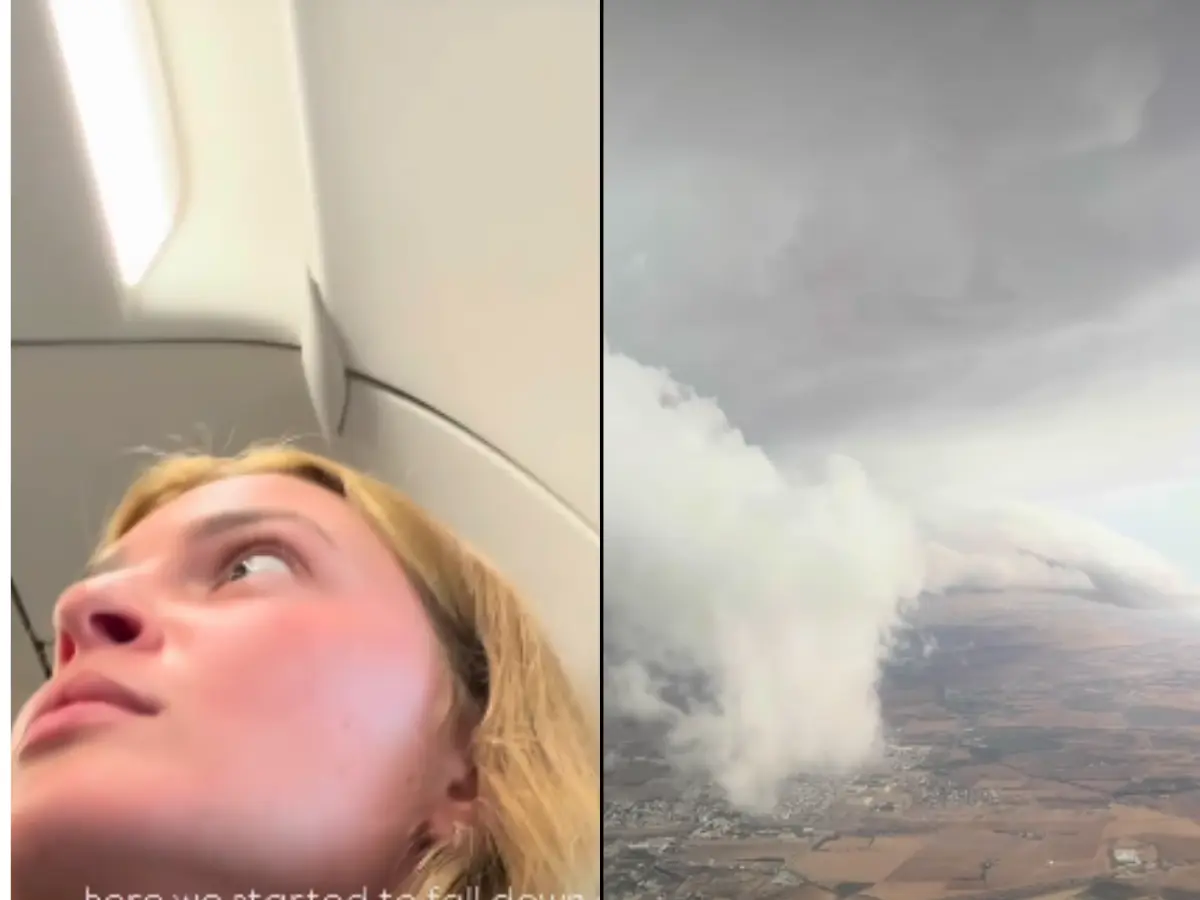)
Turkish Airlines plane flies through a storm three times, triggering severe turbulence
)
Humans may lose control of AI: Anthropic CEO calls for slowdown, Altman, Musk back him
)
Crude oil prices jump more than $107 per barrel following Houthi attacks on Saudi
)
‘India did extremely well’: South African President Cyril Ramaphosa praises BRICS leadership
)
Russian drone hits Warsaw-bound train near Polish border, Zelensky accuses Moscow of ‘deliberate’ targeting
)
NEET-UG to move to computer-based test soon, NTA DG says ‘CBT is the future’
&im=FitAndFill=(700,400))
Why Chinese PL-15 air-to-air missiles use dual-pulse motors compared to European interceptors
)
Iran, India agree to deepen humanitarian and political ties, President Pezeshkian says
)
Delhi’s balancing act: BRICS serves as a stage for West Asia diplomacy
)
First naval drone battle? Ukraine says Sargan 3000 sank Russian unmanned boat
)
Trump says Canada eager to reach a deal, it could come ‘fairly soon’ if Ottawa treats US farmers better
&im=FitAndFill=(700,400))
Why European Meteor missiles use ramjet engines compared to standard US solid rockets
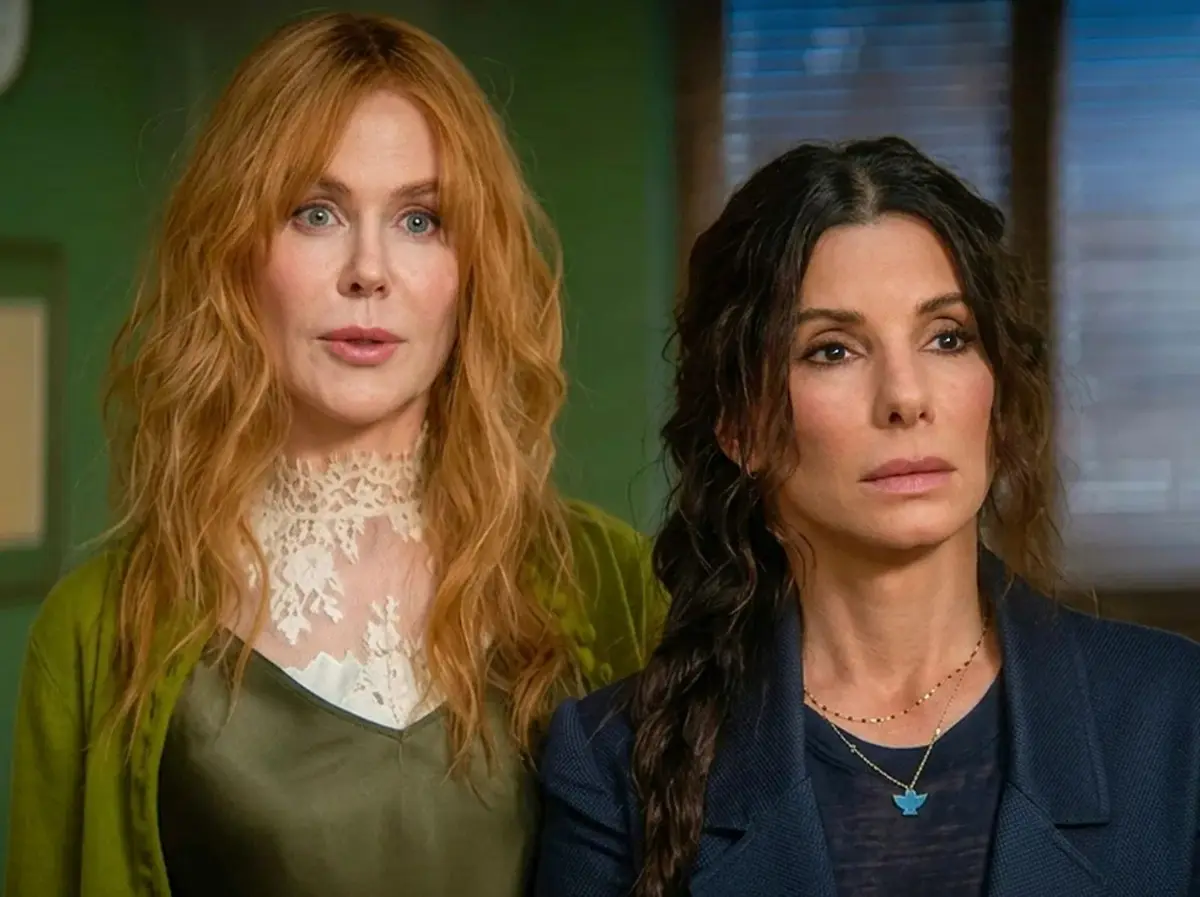)
Practical Magic 2 breaks Spidey spell over North American box office
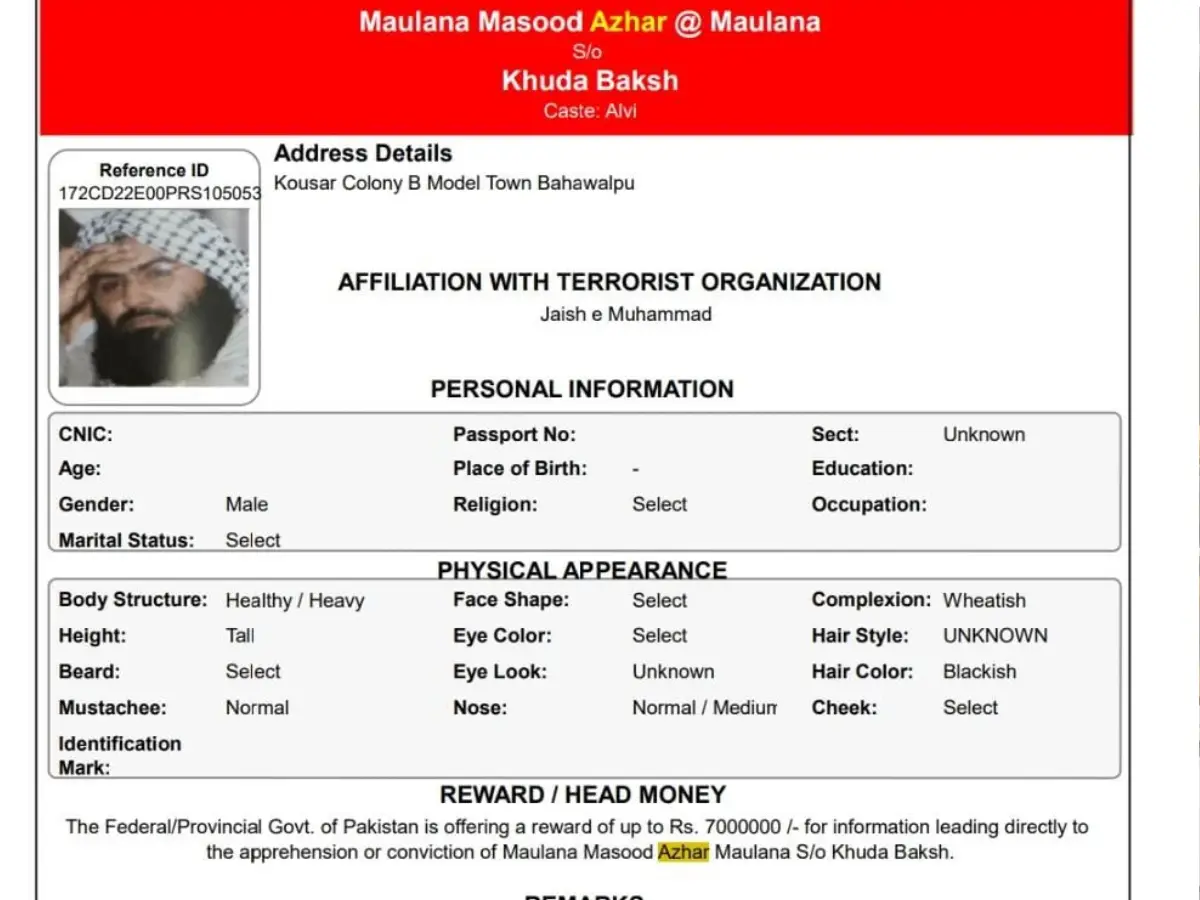)
Pakistan puts Pak Rs 70 lakh bounty on UN terrorist Masood Azhar; move draws skepticism in Delhi
)
800 million years old - Scientists discover 'fingerprints' of supercontinent Gondwana in ancient rocks
)
Indian importers urge Bangladesh to lift export ban on 'Hilsa' fish ahead of Durga Puja
&im=FitAndFill=(700,400))
New OTT releases this week (September 14-20, 2026): Lust Stories 3, Waiting Hai, Irumudi- 5 new titles coming on Netflix, Prime Video and more
)
Russia proposes to build 360 kmph Ivolga FG trains in India: What happened on sidelines of BRICS
)
Liam Neeson sparks romance rumours after holding hands with Stella Stocker at TIFF 2026
&im=FitAndFill=(700,400))
From Rinku Singh to Mayank Yadav, 5 players dropped from India’s squad for Afghanistan T20Is
)
'Huge destructive power': North Korea calls its latest missile launches 'live-fire drill' even as US dismisses 'immediate threat'
)
‘Let’s go’: Newly declassified videos show dramatic rescue of US Air Force officers downed in Iran
)
Did China give Iran intel before US base strike that killed 3 troops? Trump says, 'You’re right...'
&im=FitAndFill=(700,400))
Meet top 5 batters fastest to 3000 runs in T20Is
)
Women's Asia Cup 2026: India denied trophy once again despite winning the title
)
Woman removes all her clothes on American Airlines flight, performs 'indecent acts'; arrested
)
Israeli minister calls to strip Gaza film directors of citizenship
)
‘Want to reset ties with India, have engagement based on mutual interests,’ says Bangladesh minister
)
China thinned Himalayan troop presence in 2025, India defence report says; terms border situation 'stable'
)
China discovers vast gold and silver 'mine' in the Pacific with unheard-of deposits
)
Meghan Markle shares first glimpse of family life with Prince Harry and children in UK
)
Did India risk its US trade deal despite softer stance at BRICS?
What sets Mean Streets apart from conventional gangster films, particularly of that era, is its authenticity. Scorsese, who grew up in the same environment depicted in the movie, infused it with a palpable sense of place and an unfiltered portrayal of the Italian-American community. This authenticity extended to the characters and their moral struggles. Charlie grapples with his Catholic guilt, a theme Scorsese returns to again and again in his subsequent films, trying to balance his loyalty to Johnny Boy with his own desire for success and a normal life.
Also Read |Explained | Osage Indian Murders that inspired Martin Scorsese's Killers of the Flower Moon
Scorsese's use of music was revolutionary at the time, as he incorporated a soundtrack of rock 'n' roll classics that played not just as background noise but as an integral part of the storytelling. Songs by The Rolling Stones, The Ronettes, and others are carefully selected to underscore the characters' emotions and the film's themes.
Cinematography, led by Kent L Wakeford, is another vital component of the film's atmosphere. The use of handheld cameras and available light creates a documentary-like feel that immerses the audience in the world of its characters. The visuals capture the grit, chaos, and authenticity of the environment, making the audience feel as if they are right there on the mean streets of Little Italy.
Mean Streets also marked the beginning of Scorsese's collaboration with Robert De Niro, a partnership that would produce some of the most iconic films in cinema history. De Niro's portrayal of Johnny Boy is nothing short of outstanding. His unpredictable nature keeps both Charlie and the audience on edge throughout the film.
Mean Streetswas a film that defied conventions and embraced the imperfections of its characters, paving the way for the auteur's future masterpieces like Taxi Driver, Raging Bull, and, of course, Goodfellas.
Also Read |Why Quentin Tarantino, Martin Scorsese, et al. are right about Marvel movies
As we look back on Mean Streets five decades after its release, it remains a testament to the power of storytelling, character-driven cinema, and the indomitable spirit of a young filmmaker who dared to defy the norms of his time — and who, of course, is the greatest living filmmaker right now. The film stands as a gritty, honest, and unflinching exploration of life on the margins, a milestone in American cinema, and a timeless masterpiece that continues to influence filmmakers and captivate audiences to this day.
WATCH WION LIVE HERE
You can now write for wionews.com and be a part of the community. Share your stories and opinions with us here.