‘Yeh dil maange more’: 6 lesser-known facts about Kargil War hero Captain Vikram Batra

Captain Vikram Batra's leadership in capturing Point 5140 and Point 4875 became turning points in Operation Vijay. Batra's battlefield radio message, 'Yeh Dil Maange More,' became a national rallying cry for courage.
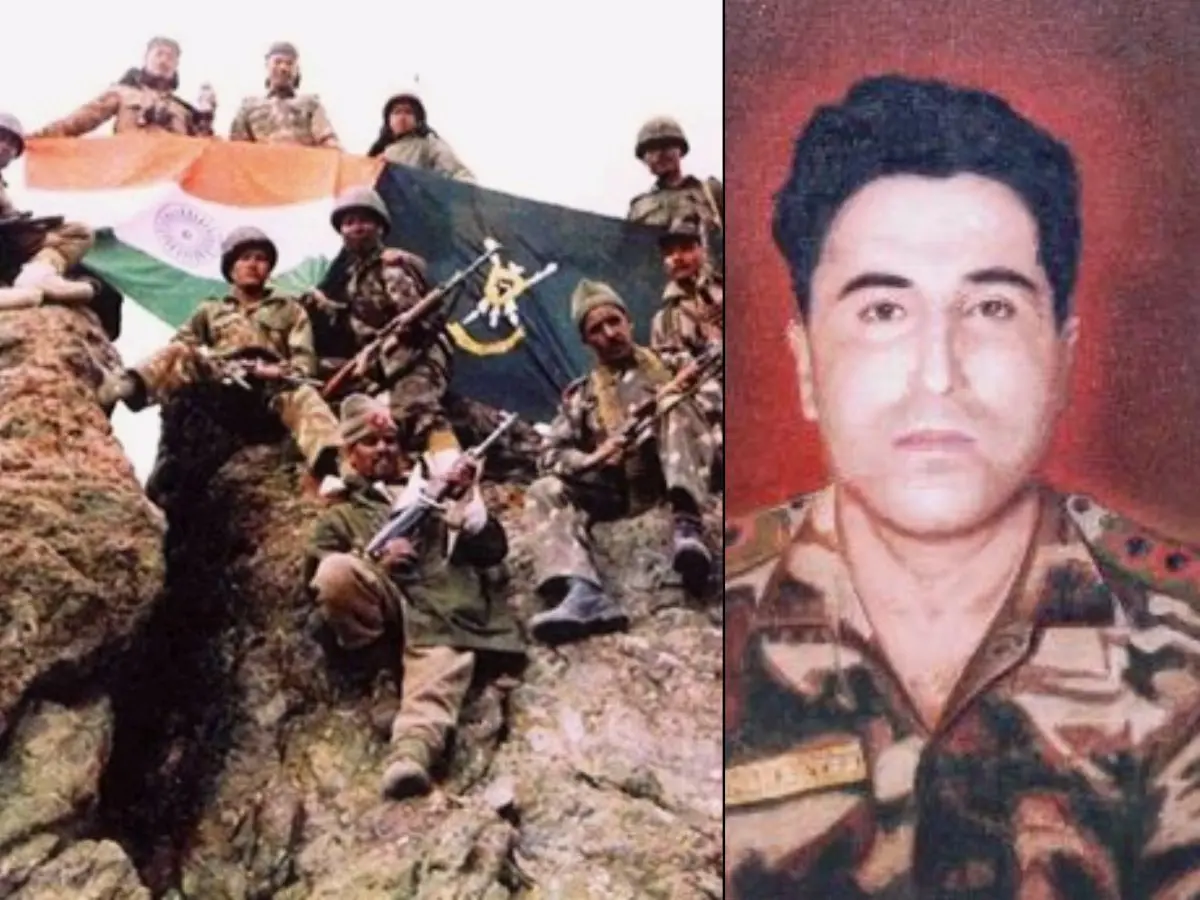
The Man Behind 'Yeh Dil Maange More'
Captain Vikram Batra, remains one of the most iconic figures of the 1999 Kargil War. An officer of the 13 Jammu and Kashmir Rifles, he was just 24 when he was martyred during the Kargil War on July 7, 1999. His leadership in capturing Point 5140 and Point 4875 became turning points in Operation Vijay. Batra's battlefield radio message, 'Yeh Dil Maange More,' became a national rallying cry for courage. Today, is the 26th death anniversary of the warrior and every year, India remembers him not just as a war hero, but as a symbol of selfless courage and commitment. His story continues to inspire generations of Indians and serves as a powerful reminder of the cost of freedom.
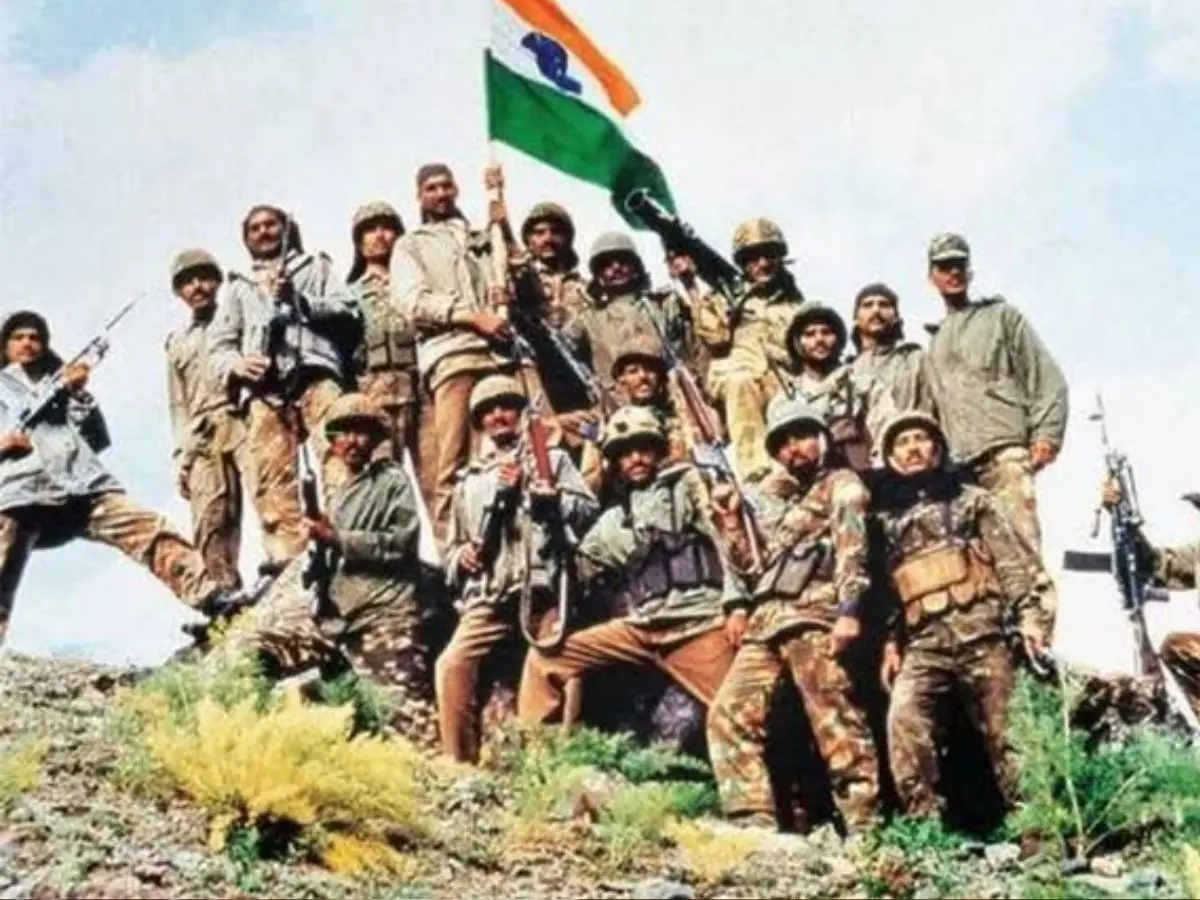
How Point 5140 Was Won Without Any Casualties
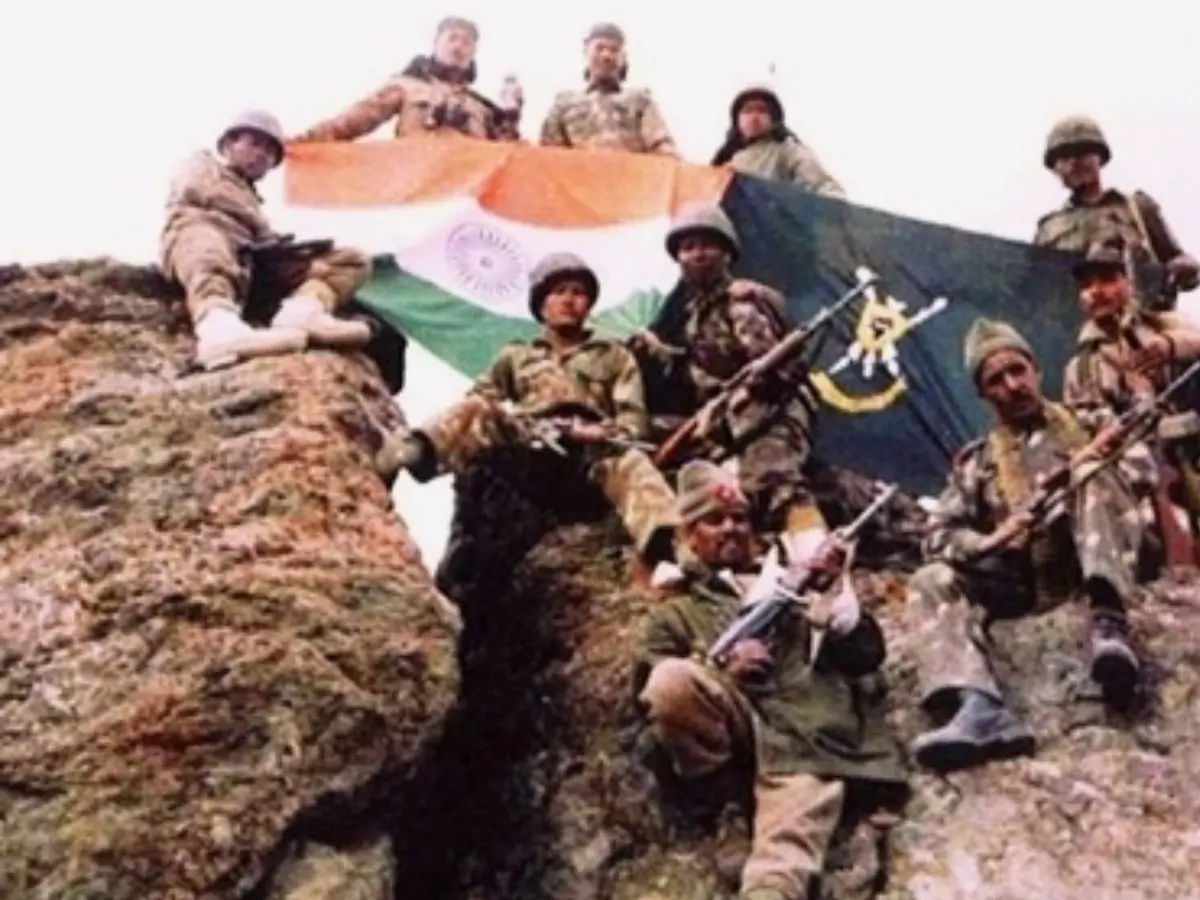
Vikram Batra joined the Indian Military Academy (IMA) in 1996. He was commissioned into the Indian Army on December 6, 1997. During the Kargil War, then-Lieutenant (later Captain) Vikram Batra led a daring night assault on Point 5140. Under enemy fire, he and five soldiers climbed a near-vertical cliff and neutralised enemy bunkers with grenades and hand-to-hand combat. Remarkably, the assault did not result in a single Indian casualty. His fearless charge led to an immediate promotion to Captain.
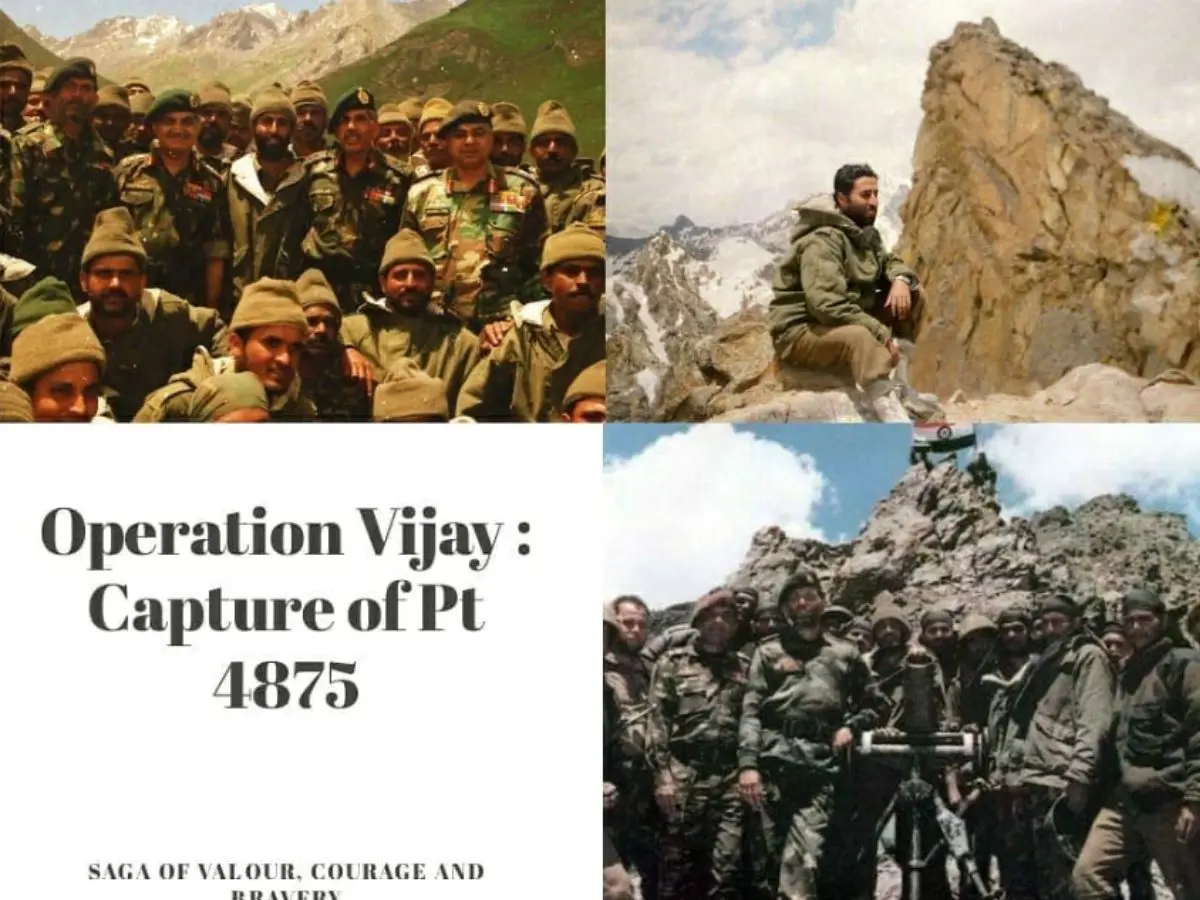
His Final Mission—Point 4875
Captain Batra’s most difficult mission came in July 1999, capturing the heavily defended Point 4875 in the Mushkoh Valley. Despite being injured and battling fever, he volunteered to lead Delta Company. While rescuing a wounded comrade under enemy fire, he was hit by sniper fire and an RPG. His final words: 'Durga Mata ki Jai'.
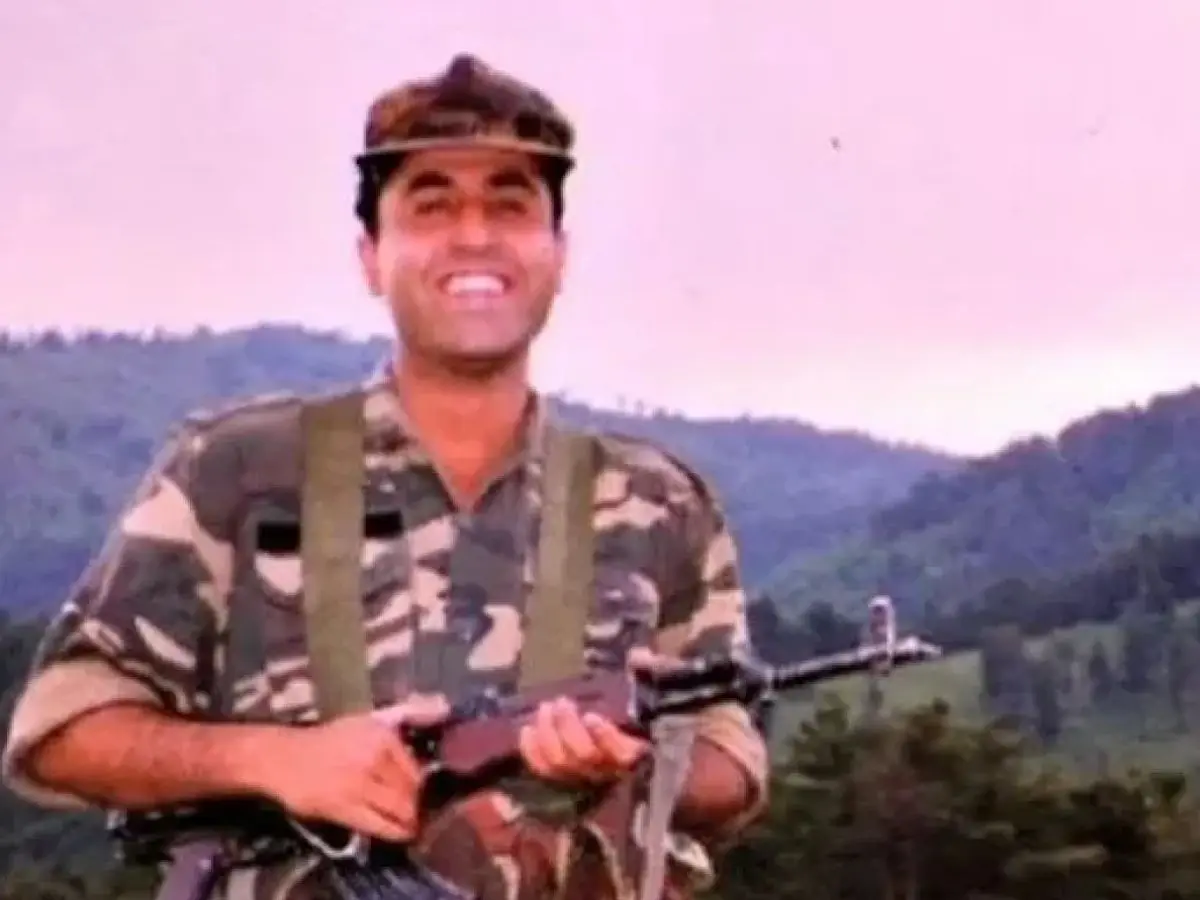
Known As the 'Sher Shah' by His Comrades
His radio call sign during the war was ‘Sher Shah’, a tribute that soon became a fitting nickname. His aggressive yet strategic style of mountain warfare earned him deep respect among his unit. His actions turned the tide in one of the most difficult terrains of the Kargil conflict.
A Soldier with Academic Roots
Born in Palampur, Himachal Pradesh, to a school principal and a teacher, Vikram Batra was a bright student and NCC cadet. He studied at DAV College, Chandigarh, and cracked the Combined Defence Services (CDS) exam before being commissioned in 1997. He completed 19 months of rigorous training before being posted to Sopore, Kashmir.
A Rare Honour—Param Vir Chakra for Two Soldiers of One Unit
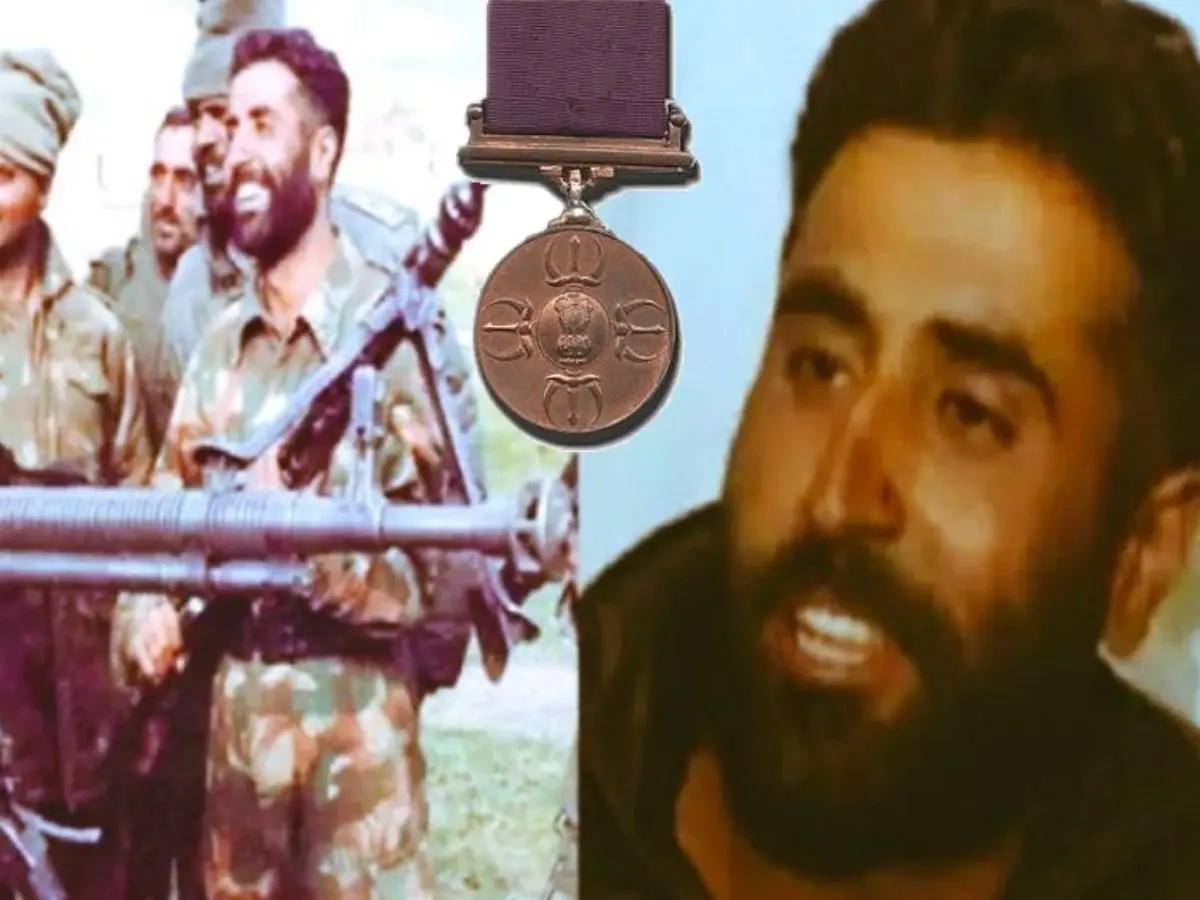
The capture of Point 4875 led to a unique moment in Indian military history. Both Captain Vikram Batra and Rifleman Sanjay Kumar, from the same battalion (13 JAK Rif), were awarded the Param Vir Chakra. It remains the only instance where two living or fallen soldiers from one battalion earned the nation’s highest wartime gallantry award for the same battle.
His Legacy Lives On
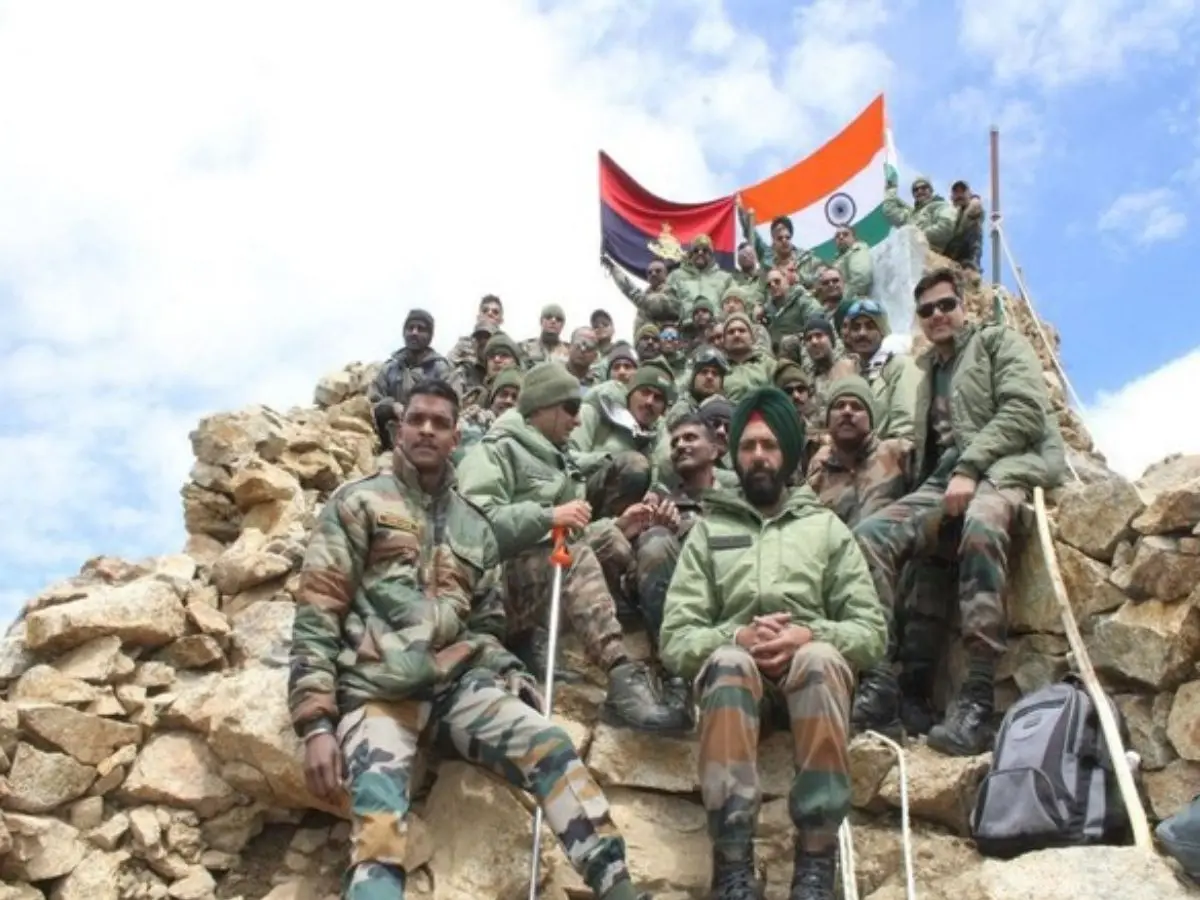
Captain Batra’s life has inspired books, documentaries, and the 2021 film Shershaah. The Indian Army pays tribute to his sacrifice each year. Schools, roads, and memorials across India bear his name today, a symbol of young leadership, sacrifice, and national pride.
)
)
)
)
)