How does a B-52 refuel mid-air at 500mph? The flying gas station trick that lets it stay up for days

Without aerial refuelling, the B-52 Stratofortress would be grounded after roughly 8,800 miles. With it, there is no theoretical limit to how far it can fly. The process of two aircraft connecting at altitude and speed is one of the most technically demanding manoeuvres in all of aviation.
The Flying Gas Station
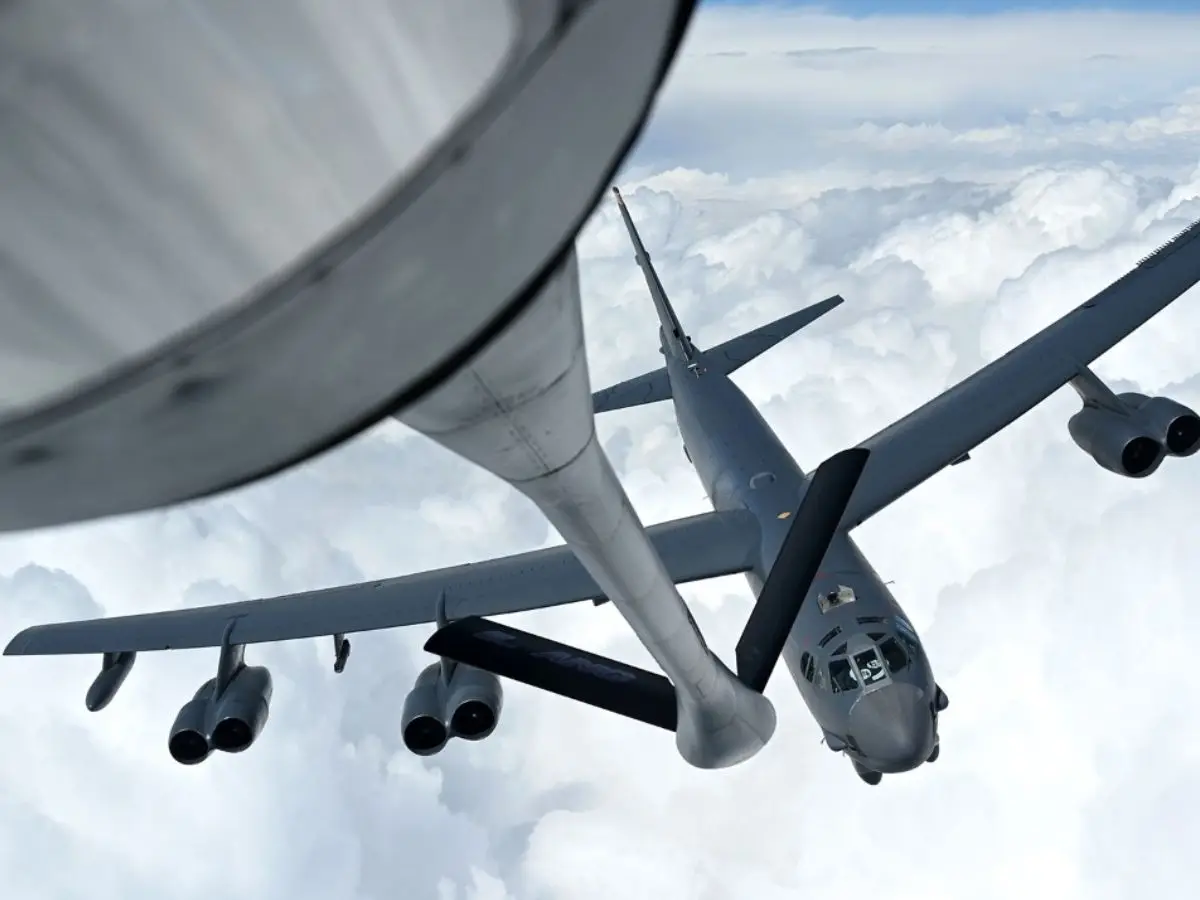
The KC-135 Stratotanker is the aircraft that keeps B-52s airborne for days at a time. Built on the same Boeing 707 platform, the KC-135 carries up to 200,000 pounds of transferable jet fuel. It rendezvous with the B-52 at altitude and speed, transfers thousands of gallons in minutes, and then departs — allowing the bomber to continue its mission without ever descending.
How Two Planes Connect At 500mph
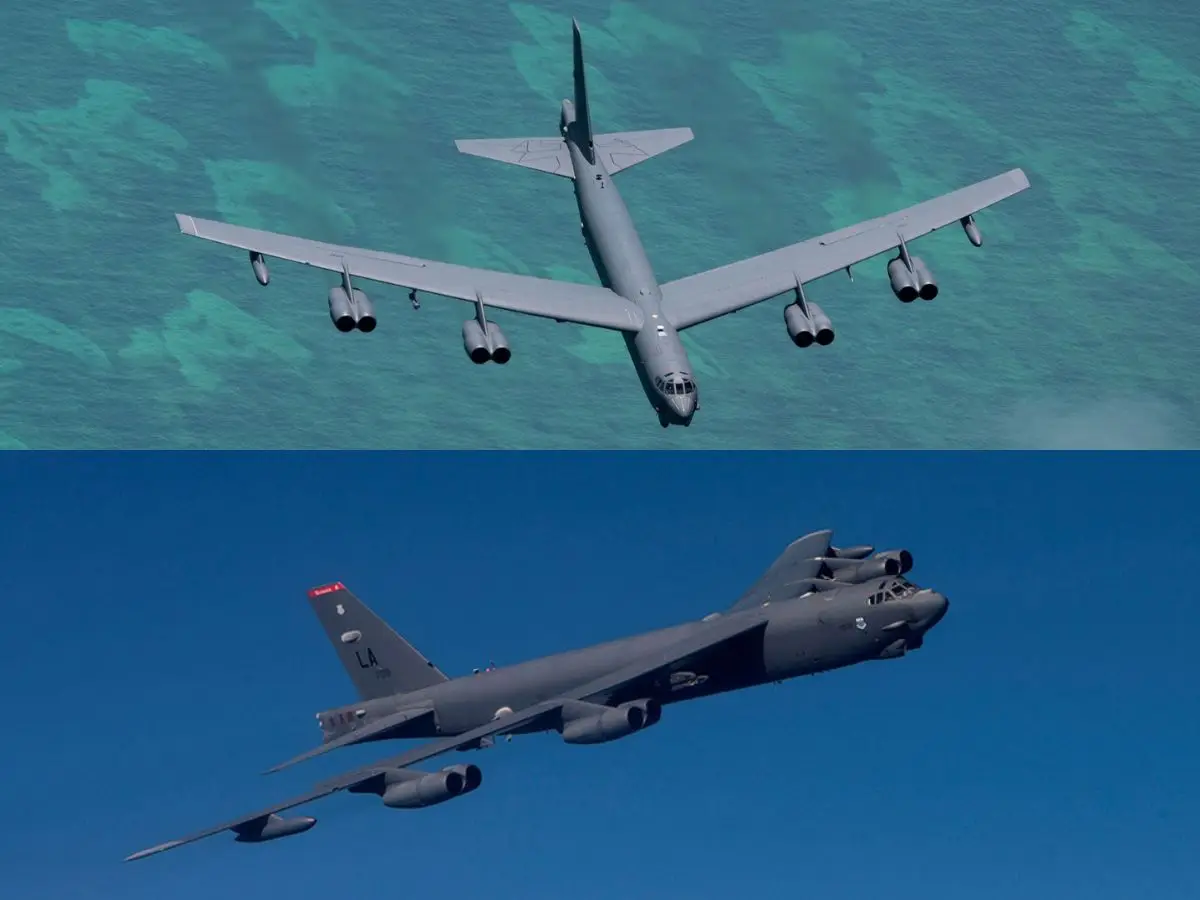
Aerial refuelling uses a rigid boom — a telescoping metal tube extending from the tanker's tail — that the boom operator steers into a receptacle on the top of the B-52's fuselage. Both aircraft must fly in precise formation, separated by as little as 50 feet, at matching speed and altitude, for the connection to hold. Any deviation breaks the seal.
The Boom Operator's 15-Minute Window
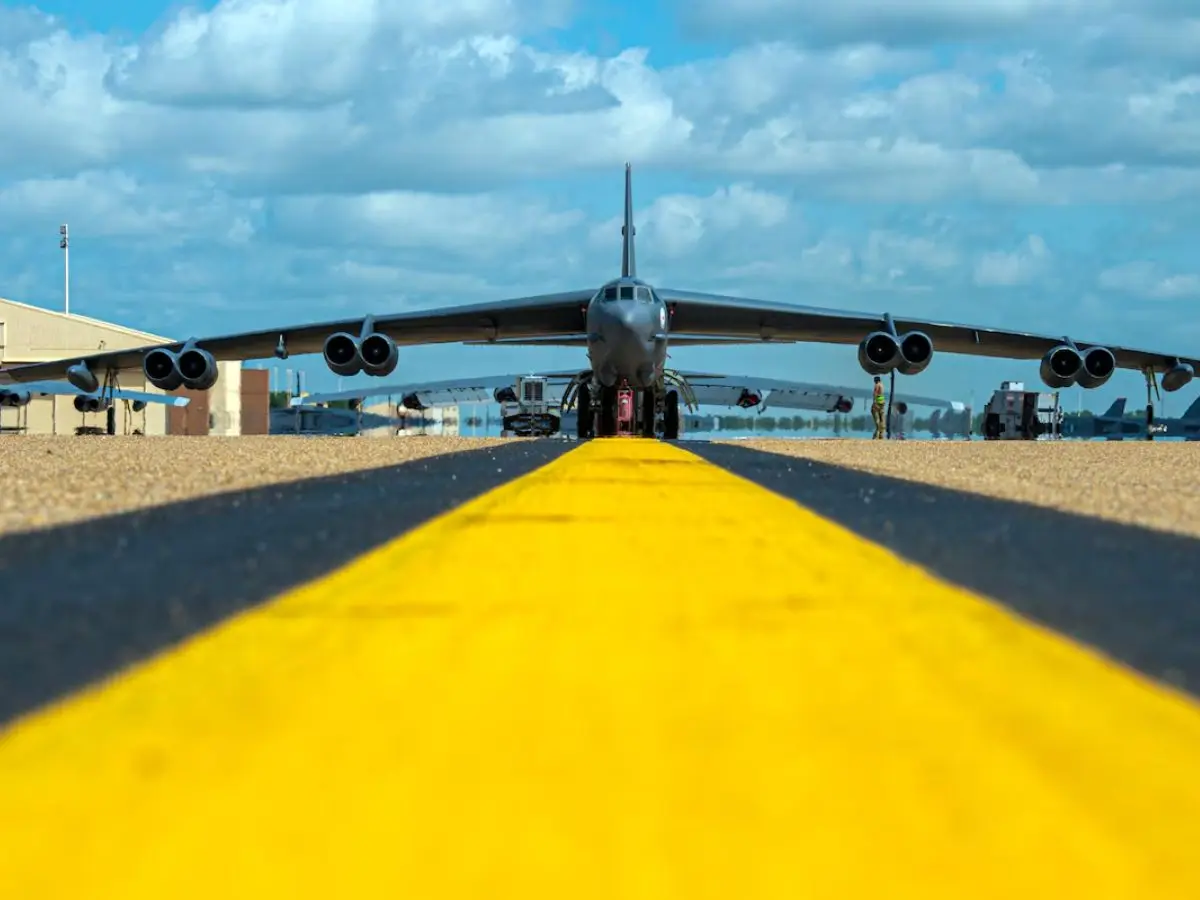
The boom operator — who lies prone at the rear of the tanker, looking through a window at the approaching bomber — has a roughly 10 to 15 minute window to complete the connection, transfer fuel, and disconnect cleanly. The job requires hand-eye coordination under pressure that pilots describe as more demanding than most flight tasks.
What Happens If It Goes Wrong
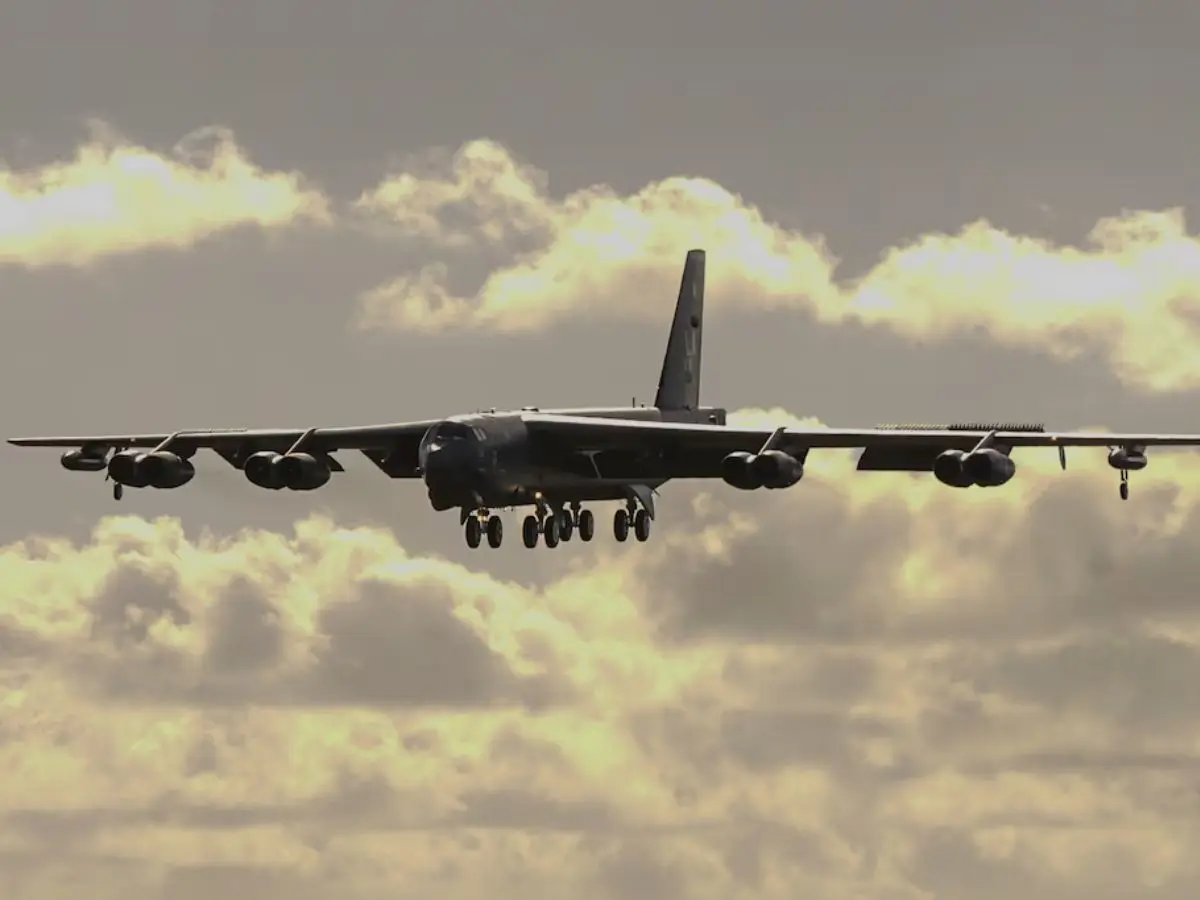
A failed connection is the routine outcome — boom operators miss on first attempt regularly, especially in turbulence. A catastrophic failure — the boom breaking, fuel igniting, or a collision — is rare but existential for both aircraft. Fuel transfer at altitude and speed is managed by strict protocols specifically because the consequence of error is two aircraft and their crews.
How Many Times Can A B-52 Refuel?
There is no structural limit to the number of refuellings in a single mission. On the record 47-hour flights, B-52s have refuelled multiple times — sometimes four or five separate tanker connections across a single mission. Each refuelling resets the range clock. The only real limits are crew fatigue and the availability of tanker aircraft.
The Unsung Hero Of Every Long Mission
The KC-135 tanker receives almost no public attention, but without it the B-52's legendary long-range capability collapses entirely. The US Air Force operates around 400 KC-135s — more than five times the number of B-52s — specifically to support the global reach of its bomber and fighter fleets. The tanker is the silent infrastructure behind every headline-making bomber deployment.
The Skill No Simulator Can Fully Teach
Aerial refuelling is trained extensively in simulators, but experienced boom operators and receiver pilots consistently say that the real turbulence, the real visual depth perception, and the real consequences of error cannot be fully replicated on the ground. It is a skill that is only truly learned in the air — repeated hundreds of times before it becomes routine.
)
)
)
)
)