'Suicide Manoeuvre': What B-52 pilots must do in the 4 minutes after dropping a nuclear bomb to survive

After releasing a nuclear weapon, a B-52 crew has approximately four minutes to put at least eight miles between themselves and the detonation point. The escape manoeuvre they must execute — a violent, near-vertical banking turn at full throttle — is one of the most extreme things any large aircraft has ever been designed to do.
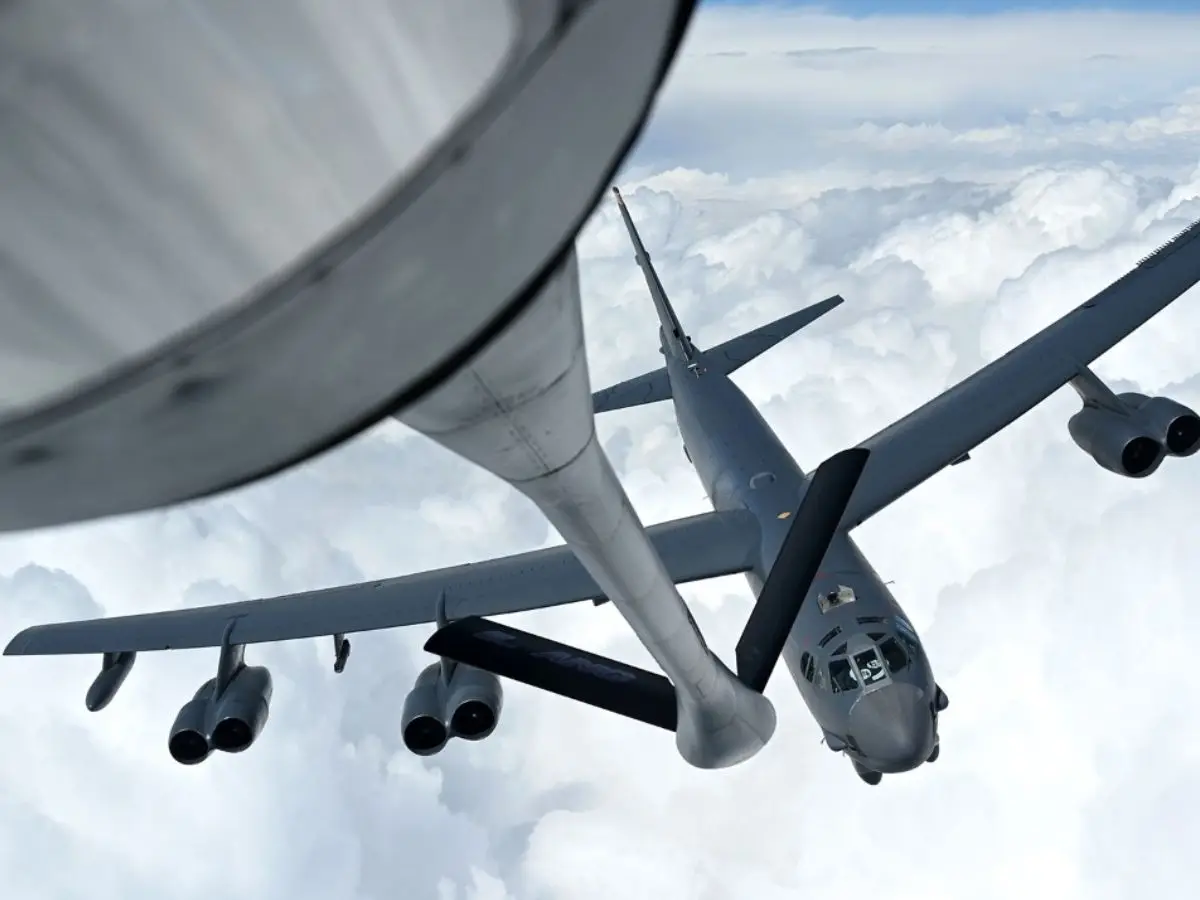
Four Minutes To Get Eight Miles Away
A nuclear weapon released from a B-52 does not detonate immediately — it falls for a calculated period before triggering. During that time, the bomber must climb, accelerate, and put enough distance between itself and the blast radius to survive the shockwave, thermal pulse, and electromagnetic pulse that follow. The minimum safe separation distance is approximately eight miles. The time window: roughly four minutes.
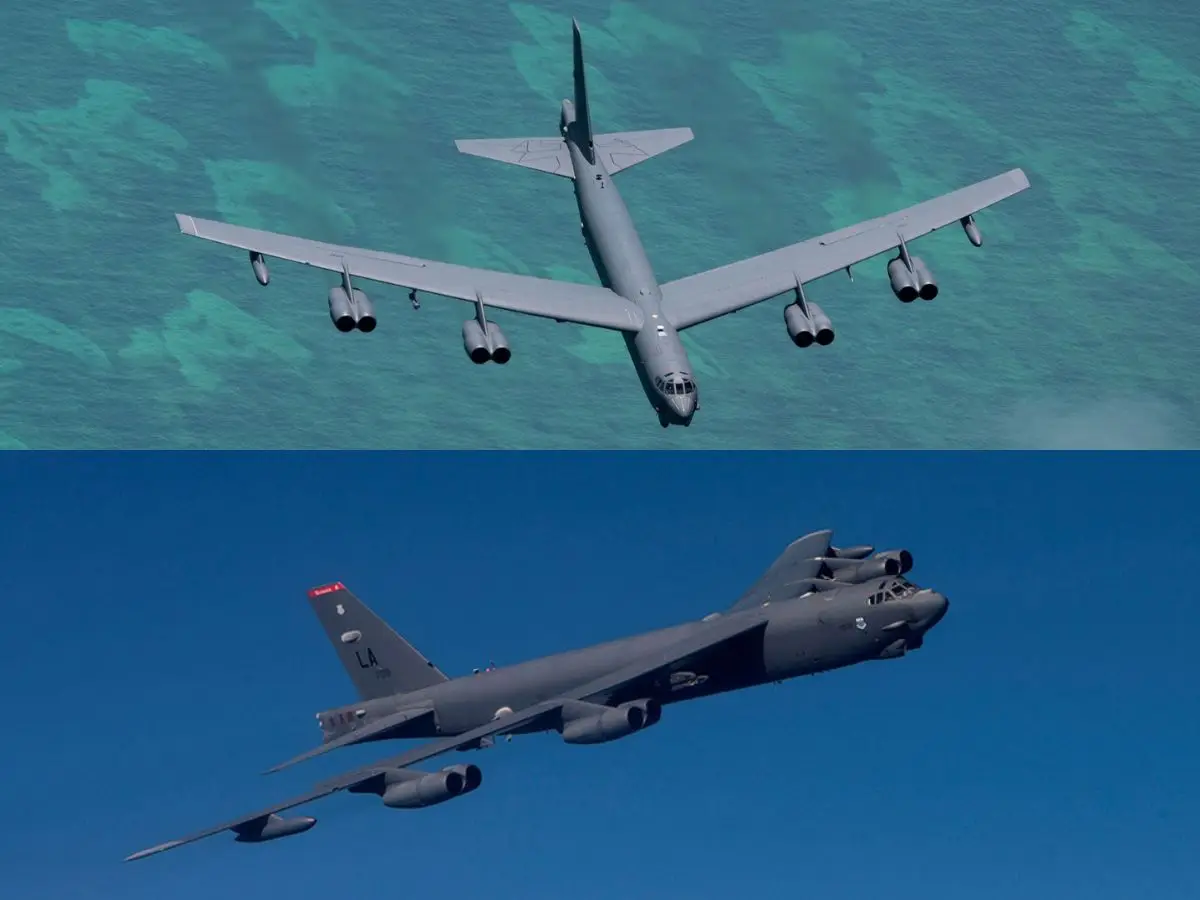
The LABS Manoeuvre
The Low-Altitude Bombing System, or LABS, was the technique developed to give crews the maximum chance of survival. At the moment of weapon release, the pilot executes a maximum-performance climbing turn — pulling the aircraft into a steep bank while simultaneously applying full thrust. The B-52, a 185-tonne aircraft, is being asked to perform an escape manoeuvre that looks nothing like its normal flight profile.
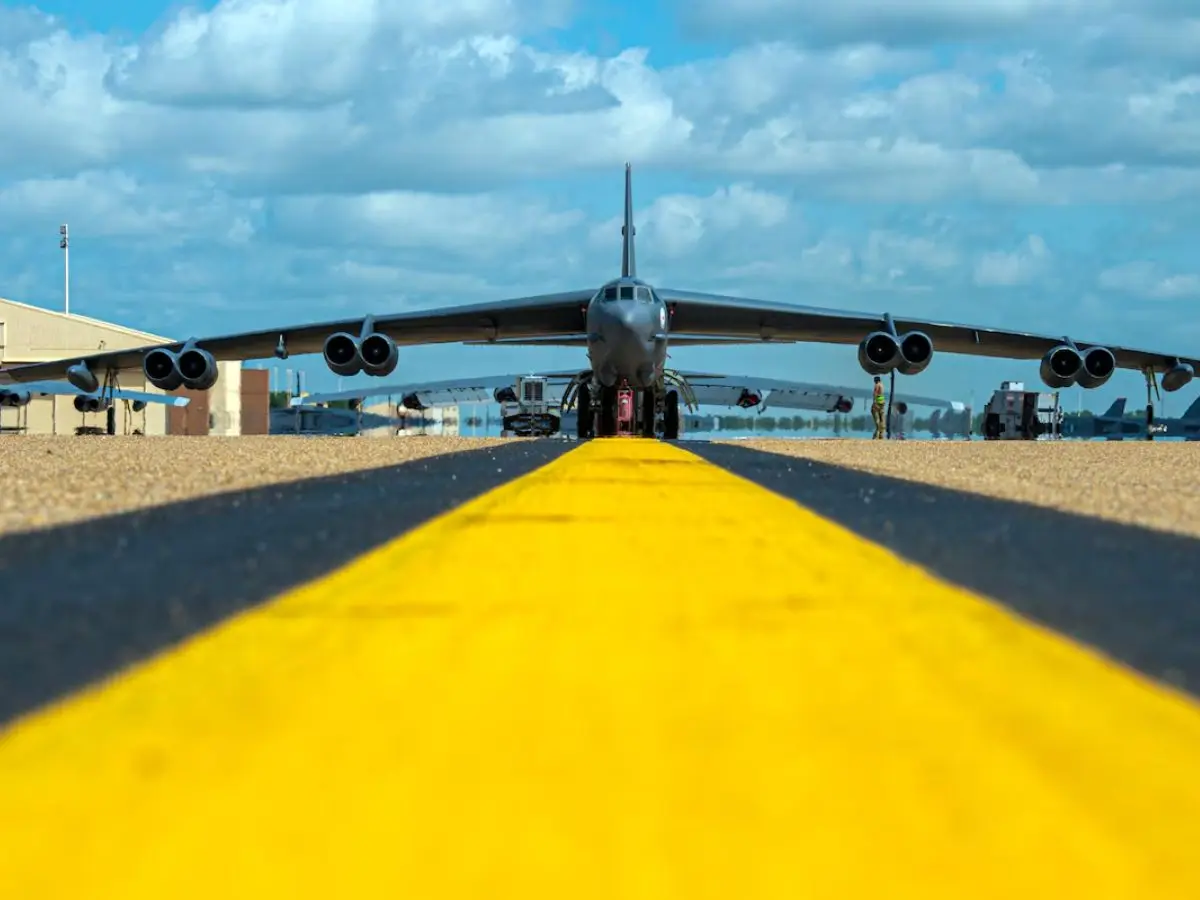
Full Throttle, Maximum Bank, Maximum Climb
During the escape, the aircraft banks at angles approaching 60 degrees while climbing as steeply as performance allows. Every second of climb puts more atmosphere between the aircraft and the blast. Every second of distance reduces the shockwave intensity. The crew is working against physics and a clock simultaneously, with complete situational awareness required from everyone in the aircraft.
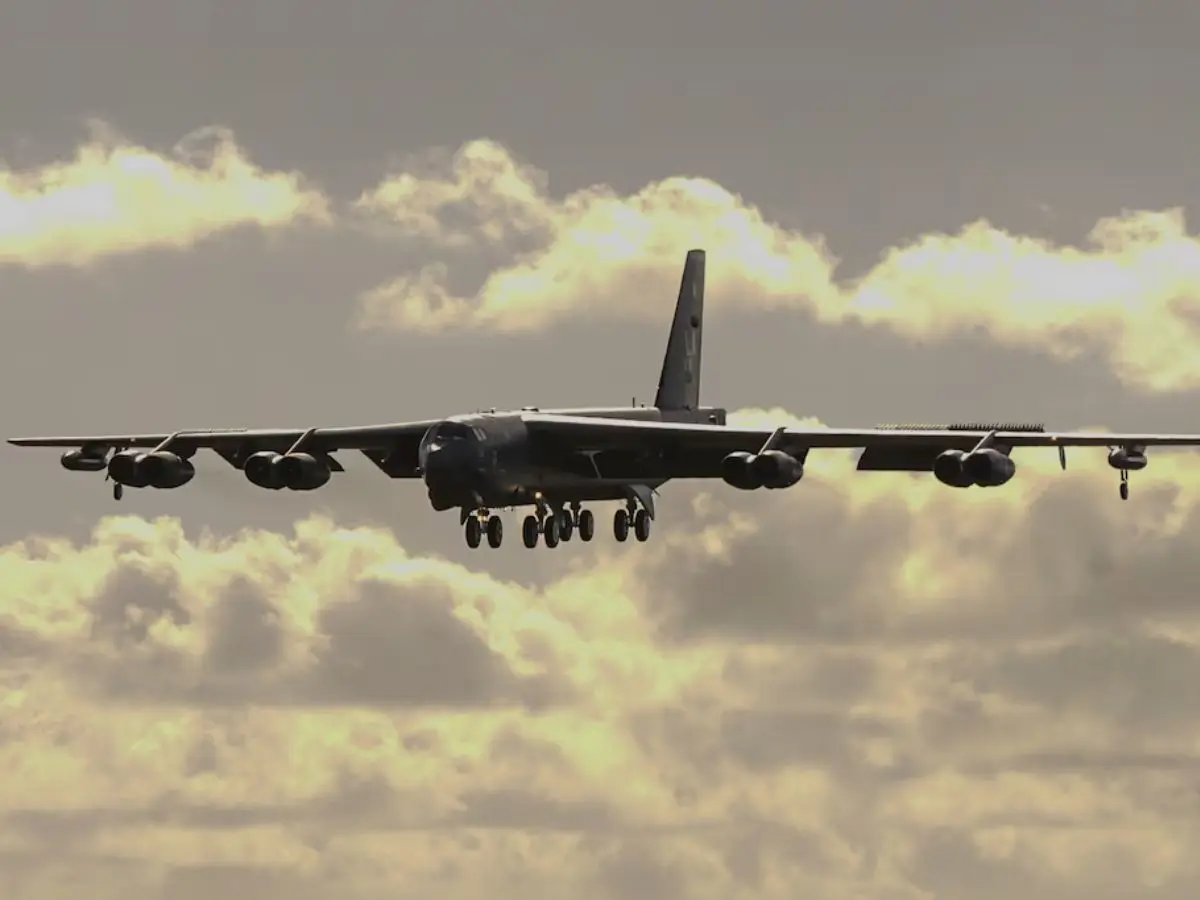
The Shockwave That Follows Everything
Even at safe distance, a nuclear detonation produces a shockwave that travels through the air and can structurally damage an aircraft. The B-52 was specifically stress-tested to survive the overpressure from a nuclear blast at minimum safe distance. Its design includes deliberate flexibility — the same wing-flex that helps in turbulence also helps absorb the irregular pressure wave of a nuclear shockwave.
The EMP Problem
A nuclear detonation generates an electromagnetic pulse that can destroy unshielded electronics. Early B-52s had relatively simple electrical systems that were more EMP-resistant than modern aircraft. As electronics have become more sophisticated, EMP hardening has become a critical part of B-52 upgrades — ensuring the aircraft's systems survive not just the physical blast but the electronic aftermath.
Practised But Never Used In Combat
B-52 crews train the nuclear escape manoeuvre regularly in simulators and occasionally in actual flight at non-nuclear ranges. It is one of the most drilled procedures in the aircraft's operational manual. In 70 years of B-52 operations, it has never been executed in a real nuclear release. It remains the most important manoeuvre the crew hopes they will never have to use.
What The Crew Is Thinking In Those Four Minutes
Pilots who have simulated the nuclear escape describe a complete narrowing of focus — airspeed, altitude, bank angle, distance. There is no time for anything else. The crew's survival depends on executing a precise, violent manoeuvre perfectly, under circumstances of maximum stress, immediately after performing the most consequential act in the history of warfare. The training exists precisely so the body does it without the mind needing to decide.
)
)
)
)
)