Explained | Marvel's massive TV makeover: Will this reinvention save the day?

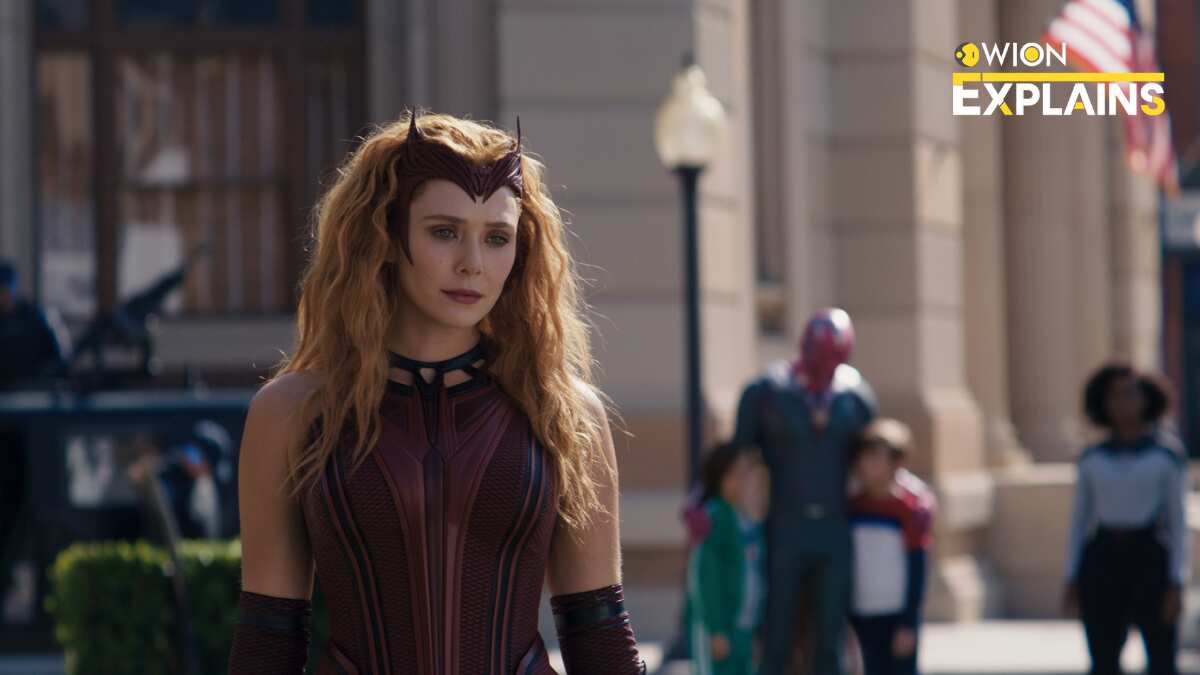
Marvel's TV approach has been unconventional, but that is about to change.
Marvel Studios, the entertainment juggernaut renowned for its cinematic dominance, is undergoing a monumental transformation in its television approach, as outlined in a recent report by The Hollywood Reporter. While the temporary halt in production of Daredevil: Born Againdue to a writers' strike served as a wake-up call, it signifies a more extensive overhaul of Marvel's TV strategy. But what instigated this creative overhaul, and can it lead to a successful new direction?
The pause in production, precipitated by the writers' strike, significantly disrupted Marvel's TV division. With less than half of the series' 18 episodes filmed, the existing footage delivered a clear message: the show wasn't meeting expectations. Consequently, head writers Chris Ord and Matt Corman, along with the directors, were let go, marking the inception of a substantial creative reboot for Daredevil.
This transformation is part of a broader initiative within Marvel's television division. In recent years, the studio embarked on an ambitious quest to expand its footprint in the television realm. The success of WandaVision, an Emmy-winning series, acted as a catalyst for Marvel's foray into television. Their objective was clear: to replicate the cinematic universe's magic on the small screen, a concept akin to mass-producing Grandma's secret cookie recipe - great in theory but challenging in execution.

Marvel's TV approach, however, has been unconventional. They eschewed the conventional TV production model, skipping pilot episodes and filming entire seasons on the go. Showrunners were conspicuously absent, with film executives leading the way, and post-production and reshoots were the tools used to rectify issues. It's akin to attempting to build a rocket without blueprints, trusting duct tape and elbow grease to reach the moon.
Initially, this approach yielded some success. WandaVision provided a glimmer of hope, but as time passed, critics and audience metrics began to raise concerns about creative challenges and diminishing returns from Marvel's TV offerings. The Daredevil reboot is one instance of the studio pivoting towards a more traditional TV production approach. It's similar to realising that the "innovative" square-shaped bicycle wheels you designed don't make for a smooth ride.
)
What’s in a name? Trump’s 'Lake America' move gets a tit-for-tat response from Canada
)
US judge questions Trump’s decision to ban CNN, MS NOW and Politico from White House
)
Trump and Xi Jinping: Timeline of key meetings and major agreements
)
Italy hit by floods in the north, drought in the south
)
'We would all be dead': Netanyahu defends decision to strike Iran's nuclear facilities in his UN speech
)
Mumbai Indians appoint Luke Williams as head coach for Women’s Premier League
)
'There will be elections': Venezuela's interim leader Delcy Rodriguez makes big announcement at UN
)
IIT Bombay CCTV footage emerges: Sahil Wakode seen looking at phone in examination hall
)
Welcome actor Mushtaq Khan dies at 56 after battling cancer
)
Shah Rukh Khan is India's richest actor, Amitabh Bachchan is second: Hurun List 2026
)
WION Iconic Tourism Summit 2026: Union Minister Shekhawat on 'experiential travel', peace diplomacy
)
250-pound WWII bomb found in Falmouth harbour in England
)
Property registration becomes faster, convenient as model sub-registrar offices open in Maharashtra
)
'AI got into my speech': Prince Harry jokes after teleprompter failure at event in New York
)
Asian Games 2026: Seema breaks 16-year drought for India in women’s 10,000m with historic bronze
)
Scientists detect first radio signals directly from faraway planet
)
What’s on the menu? Inside Trump’s lavish White House state dinner for Xi
)
China to test supersonic jet that moves at Mach 2, double the speed of sound
)
Xi Jinping's 'special plane' vs Trump's Air Force One: What's the difference?
)
Forget the smartphone: This tiny gadget could be Meta’s answer to the post-smartphone era
)
Hours before Xi-Trump meeting, US announces visa curbs targeting birth tourism: What is it?
)
'Partners rather than rivals': Xi Jinping's first message after landing in US for Trump summit
)
WION Iconic Tourism Summit: Is India's travel boom outrunning its airports, airlines and hotels?
)
2,000-foot tube, laser tests and more: China builds towns to expand nuclear arsenal, satellite images show
)
Meet Adrian Abraham: 9-year-old Indian-origin guitar prodigy aiming for a Guinness World Record
)
Winter coat, gloves in September? Trump’s Xi welcome sparks social media buzz
)
Trump-Xi state dinner 2026: Who is invited? Full guest list of tech CEOs, business leaders and officials
)
Who is Peng Liyuan? Xi Jinping's singer wife and China's most visible First Lady
)
Australian PM Anthony Albanese calls OpenAI AI incident 'unacceptable' after restricted data access
)
'What kind of confession is this?': Pakistan PM Shehbaz Sharif’s 'terrorists would be roaming New York' remark goes viral, raises alarm online. Watch
)
Russia likely to target Spain, France and Italy in drone attacks, warns CIA: Report
)
WION Iconic Tourism Summit: How local tourism MSMEs must upskill for AI integration
)
Trump’s Board of Peace unveils $2.45bn Gaza plan,66 projects: But where’s the money?
)
‘Both will lose in confrontation’: Xi says US and China should ‘coexist in peace’
)
For the first time, the UN Security Council sat US and Chinese AI makers at the same table
)
EC appointment law: Why is the 2023 act controversial, and what happens next? WION explains
)
Israeli envoy to US Yechiel Leiter’s son critically injured in West Bank ramming attack
)
WATCH | China President Xi Jinping lands in US as Trump greets him ahead of high-stakes summit
)
Report: UK using ground-based system to jam hostile satellites
Brad Winderbaum, Marvel's Head of Streaming, Television, and Animation, succinctly summed up the change in an interview with THR: "We're trying to marry the Marvel culture with the traditional television culture." Think of it as a superhero wedding where you invite all your comic book buddies to join in on the fun. The aim is to tell television stories that truly honour the source material.
Also Read |Six things that make absolutely NO sense in Marvel movies
What Marvel's new approach to TV entails
The new direction for Daredevil exemplifies Marvel's desire to get back on track. The previous version of the show, as aired on Netflix, was heavy with action and violence. However, the previous head writers fashioned a legal procedural that didn't align with this tone, prompting Marvel to reconsider the show's original intent while retaining some elements from the prior series for continuity. It's akin to merging a high-speed car chase with a courtroom drama - two great tastes that don't necessarily mix well.
Daredevil isn't the sole example of Marvel's evolution in the television landscape. The studio grappled with creative differences, tensions, and the struggle to find a balance between its control and the vision of its creative talent. It's akin to baking a cake with too many cooks in the kitchen – one person wants chocolate, the other wants vanilla, and somehow, you end up with a broccoli-flavoured cake. The departure of show creators and writers in projects like Moon Knightand She-Hulk: Attorney at Lawreflects the challenges. The studio's "fix it in post" mentality, where directors sometimes feel sidelined, further complicated the process. It's like trying to build a sandcastle, but you keep knocking it down and starting over when things don't go your way.
As Marvel continued to ramp up its television production during the pandemic, it began to embrace outside talent, departing from its tradition of internal promotions. However, the production of Secret Invasion showcased the growing pains. Kyle Bradstreet, a writer and executive producer for Mr. Robot, had spent about a year working on the scripts before being let go as Marvel chose a different direction. This led to a major reshuffle, with new writers and directors stepping in to salvage the project.
Also Read |Explained: How Disney is trying hard not to fail as Marvel magic wanes
In response to these challenges, Marvel is now making concrete changes to its television production. The studio is actively seeking showrunners to provide creative guidance, recognising the importance of their role. Additionally, Marvel plans to have dedicated TV executives rather than individuals straddling both film and television responsibilities.
A pivotal change is the revamping of the development process. Showrunners will now write pilots and show bibles, marking a departure from the previous method of shooting entire seasons before addressing any issues. This shift towards a more traditional development process is expected to bring more stability and creative cohesion to Marvel's TV projects.
The future for Marvel television also looks different. The studio intends to move away from the limited-series format to multi-season serialised TV. This approach allows characters to develop over multiple seasons and foster deeper connections with the audience, rather than being a mere setup for crossover events.
Marvel's upcoming projects, such as Echo and Wonder Man, are indicative of this shift. These shows promise to deliver more personal, character-driven stories, prioritising character development, and audience connection over the need to tie into larger cinematic universe events: like a series of short stories can be just as satisfying as a massive epic novel.
Also Read |Why Quentin Tarantino, Martin Scorsese, et al. are right about Marvel movies
Will this new approach work for Marvel?
First, the departure from the "fix it in post" mentality is a step in the right direction. Marvel is realising that planning and foresight are essential in creating a successful television series. This shift towards a more traditional development process, where showrunners write pilots and show bibles, is akin to using a recipe when cooking rather than throwing random ingredients into a pot and hoping for the best. It's a move towards structure and organisation, which should result in more coherent and well-crafted storytelling.
The decision to actively seek showrunners is like recognising that a ship needs a captain, not just a bunch of sailors with different maps and no clear destination.
Additionally, having dedicated TV executives rather than individuals juggling both film and television responsibilities is a wise move. With dedicated TV executives, Marvel can focus more on the unique demands and opportunities of television, allowing for better decision-making and creative direction.
WATCH WION LIVE HERE
You can now write for wionews.com and be a part of the community. Share your stories and opinions with us here.