
&imwidth=800&imheight=600&format=webp&quality=medium "Four Hands, Two Sonatas ep (1-4) review: Song Kang-Lee Jun Young's show showcases a slow-burning story of music, rivalry and friendship")
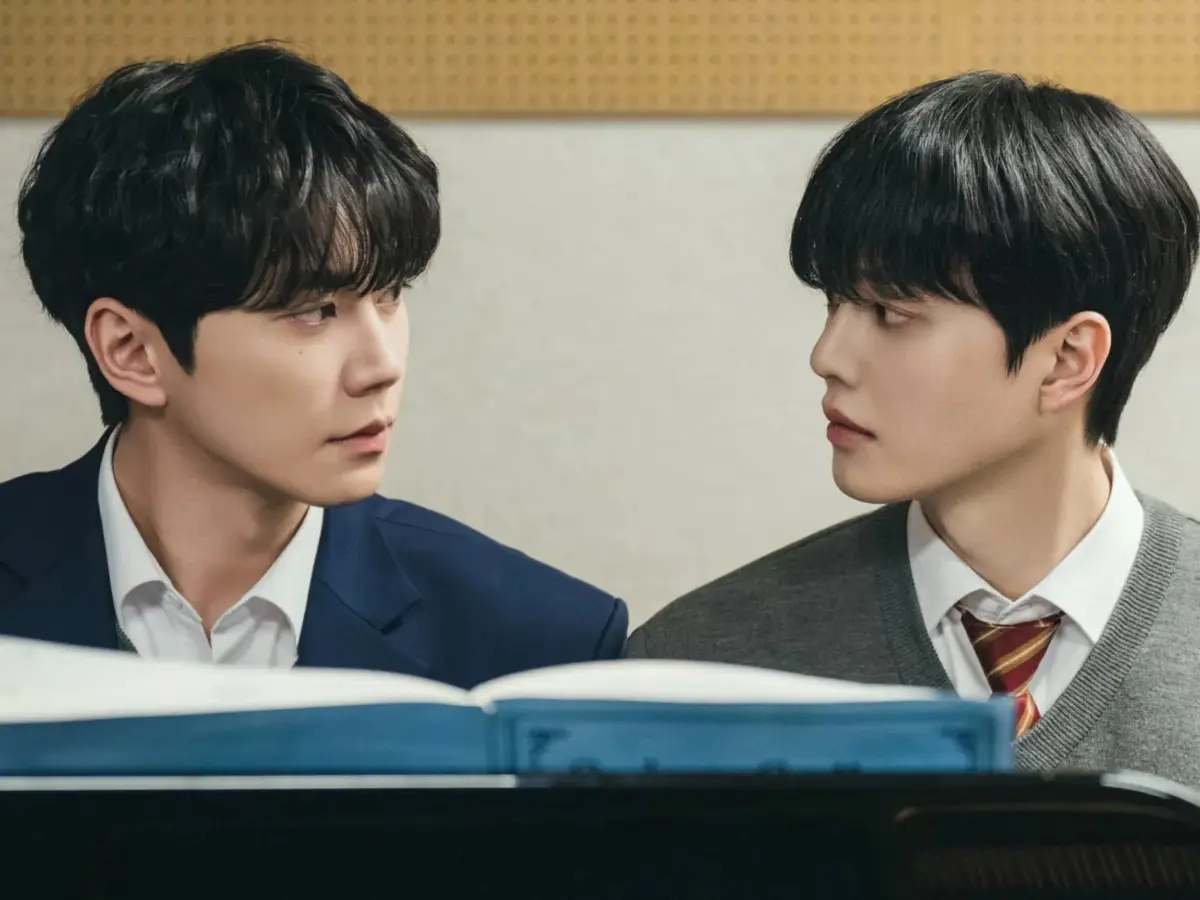
South Korean drama Four Hands, Two Sonatas, featuring Song Kang and Lee Jun Young, has been the talk of the town ever since it premiered on September 4 on streaming platform Netflix. The makers so far have released four episodes showcasing the process of friendship and the bond of individuals in the world of elite music. But their paths cross at Korea Arts High School, where their contrasting approaches to music immediately put them at odds. But will they surpass all the odds and keep their bond intact, or will it dissolve away for good?
What has happened in Four Hands, Two Sonatas (episodes 1-4)?
In episode one of the South Korean show, it begins in medias res at the finals of the Harmonie International Competition. A young pianist with bloodied fingers plays brilliantly while having flashbacks to a disturbing, violent incident himself and Choi Jeong Yo. The episode then jumps back six months to explain how their relationship turned so dark.

Then introduces the characters and begins with Kang Pi O, a perfectionist driven by intense discipline, burdened by a pressurised single-parent upbringing, and entirely focused on winning the approval of his grandfather, a world-renowned conductor. While Choi Jeong Yo represents the polar opposite of Pi O's privileged yet rigid environment, Jeong-yo steps back into the elite music world, bringing raw emotional depth rather than just technical precision. While Hong Jae In, a viola major with perfect pitch, is the only one who genuinely supports Pi O and wants him to accompany her rehearsals.
Trending Stories
)
The Early Spring is proof not everyone can talk about their real feelings, and it is perfectly OK
)
UN votes to ‘correct the map’ as India backs fairer world view
)
Nigerian Navy discovers 99,000 litres of suspected stolen, illegally refined products as it intensifies anti-crude oil theft operations
)
Who is Aditi Paudel? 17-year-old becomes Japan's first literacy ambassador
)
Bengaluru: Officials find 40 kg expired chilli at chairman's club
)
Jaishankar rejects trade link to ending Ukraine war
)
Israeli strikes on Lebanon kill three, injure 23 despite truce
)
Alpine glacier was covered with sheep wool sheets to prevent melting. It worked
)
South Korea mulls deploying military assets to Strait of Hormuz
)
World's fifth-largest economy, British army can't afford to train
)
Breaking | Vance takes the podium: First White House briefing since Leavitt's exit
)
Taiwan raises 'concerns' over China's missile test
)
BRICS 2026: $1 trillion sovereign capital set to converge in Delhi for first iBRICS Summit
)
What is Iran's Pickaxe Mountain that Trump has again threatened to bomb?
)
UN votes to correct world map that visually shrank Africa for 450 years
)
Former NewJeans member Danielle launches YouTube channel, hints at new solo journey
)
Bangladesh batter Towhid Hridoy creates history with 350 not out in South Africa
)
Brendan Fraser’s transformation fuels The Mummy 4 excitement as fans welcome back Rick O’Connell
&im=FitAndFill=(700,400))
Krishna Janmashtami 2026: From Dhaniya Panjiri to Makhana Kheer- 5 best sweet dishes perfect for celebrating Lord Krishna’s birth
)
Donald Trump plans to travel to Ireland on Qatari-donated jet amid security concerns
)
Nazi-looted art to return to Jewish heirs
)
Eight killed in Kerala’s Thrissur after car rams into lorry parked on highway
&im=FitAndFill=(700,400))
Why Russian fighter jets use bulky, low-pressure tyres compared to US jets
)
FBI-wanted fraud accused arrested in Jalandhar over $600,000 scam
&im=FitAndFill=(700,400))
Why US tanks weigh over 20 tons more than Russian tanks
&im=FitAndFill=(700,400))
New Friday OTT releases (September 4, 2026): GDN, Dhamaal 4, Jagamae Sangeetham- Watch 6 new movies and TV shows on Netflix, Prime Video and more
)
Killing the Himalayas slowly: Human urine is melting a glacier on Mount Everest
In episode 2, Pi O and Jeong Yo decided to practise a four-hands piano piece together, bringing their intense rivalry closer into a fragile friendship. Pi O works hard on the performance to win approval from his strict grandfather, who tightly controls his life. Pi O helps Jeong Yo, who works through a severe emotional block and stage fright tied to a painful childhood memory involving a crowd.
Also Read: Sanjay Dutt’s witty reply to Maharashtra minister’s ‘speak Marathi’ request goes viral | Watch
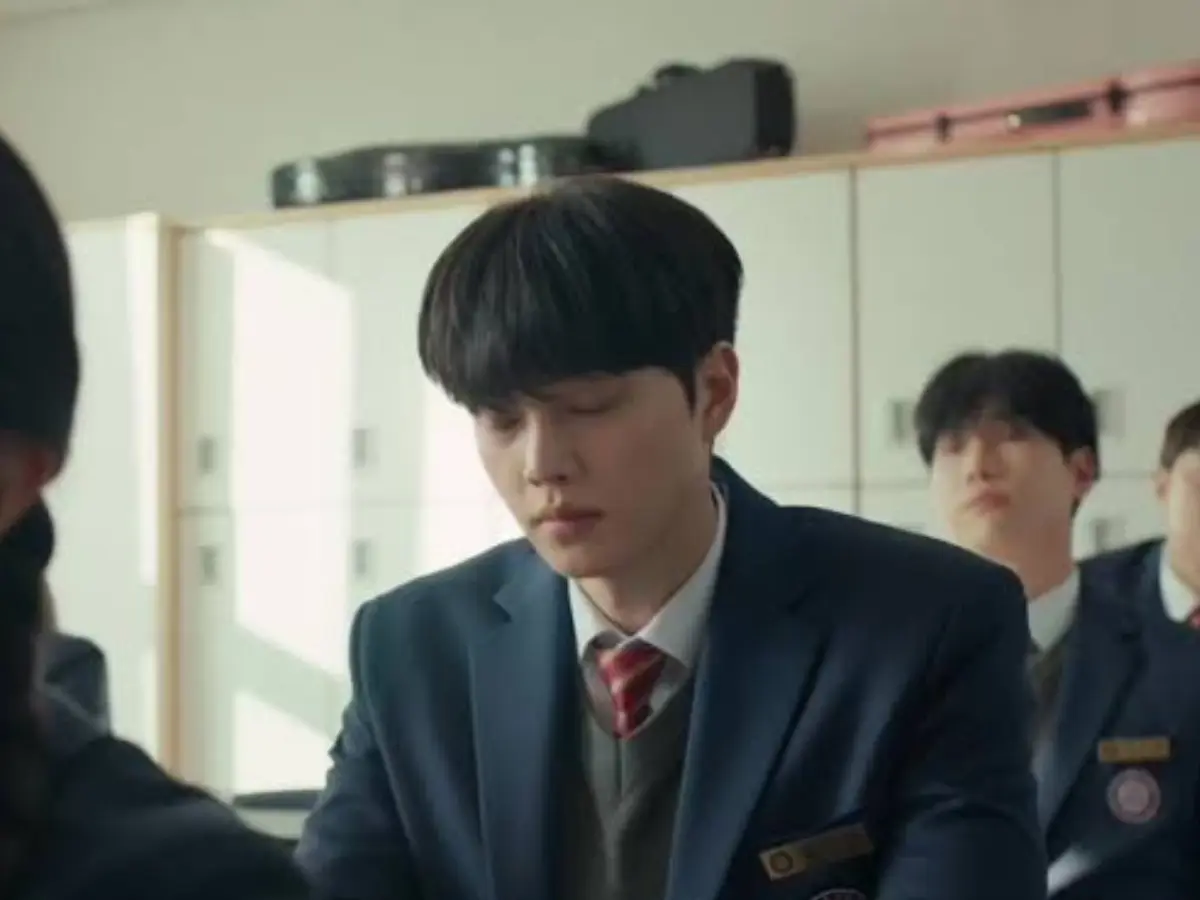
In the third episode, a sudden problem hits right before Pi O and Jeong Yo are supposed to go on stage. Pi O steps up to make a hurried decision to save the performance. While the fix works, Pi O begins to worry he made a mistake because Jeong Yo's playing proves to be far more brilliant and overshadows him. Behind-the-scenes moments and tense encounters—including on the soccer field—show mounting pressure and unspoken rivalry between the two young musicians. Cracks show in Pi O's attitide as his self-doubt grows alongside his realisation that Jeong Yo might naturally be the better pianist.
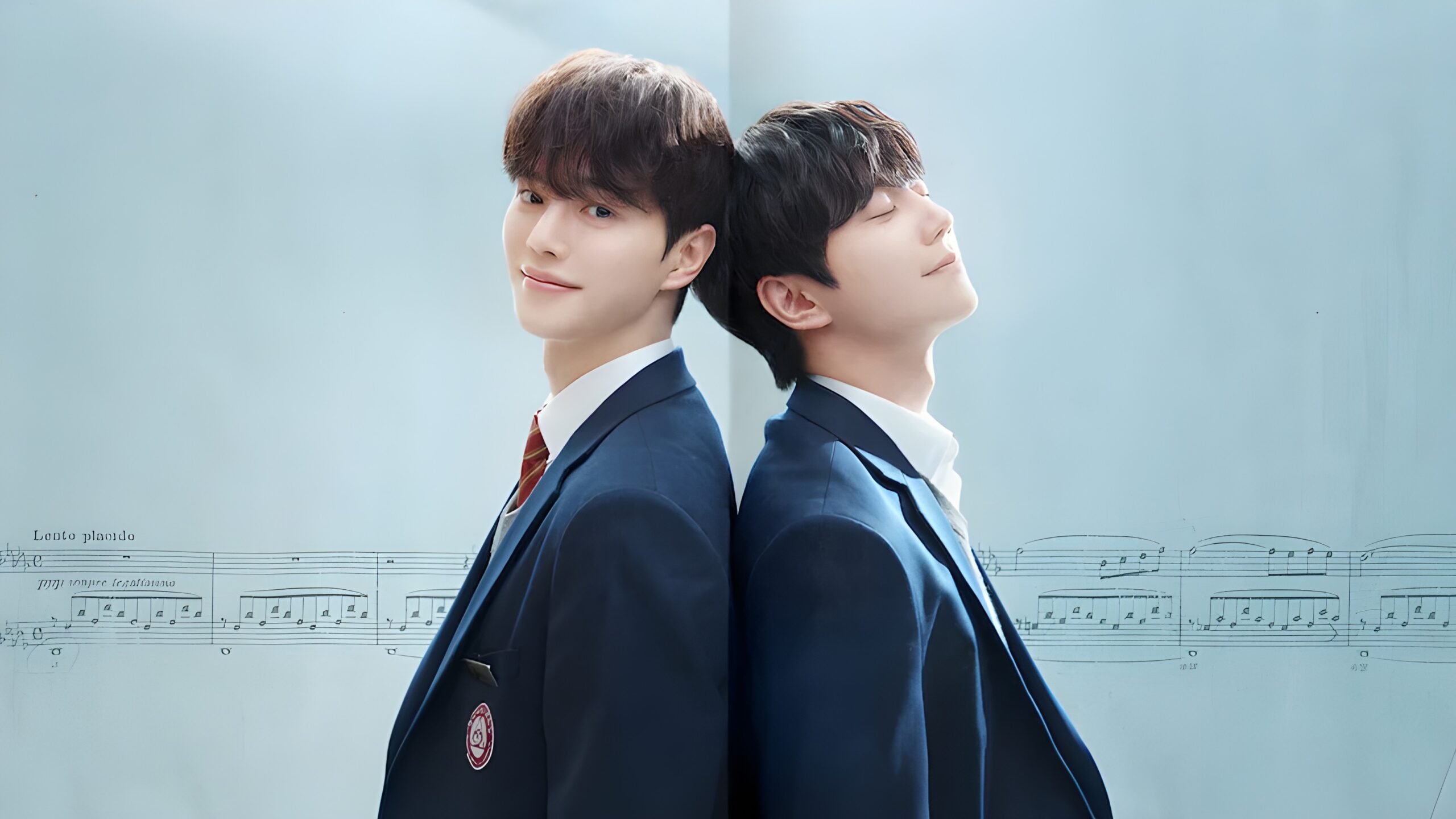
In the latest episode, i.e., episode 4, Pi O, realises he has never truly played the piano for pure joy. Spending time with Jeong Yo brings laughter and a fresh perspective, giving Pi O the courage to push back against his manipulative and emotionally cold mother. Pi O's mother attempts to justify her harsh parenting by blaming his grandfather, but her lack of empathy and control freak nature continue to alienate Pi O. Meanwhile, shifting dynamics are teased with Jae In, who finds herself increasingly captivated by Jeong Yo's raw musical style.
Jeong Yo's harsh reality crashes down on him. After confronting creditors, he discovers his father in a heartbreaking state and is forced to plead for mercy on his knees. Seeking to protect Jeong Yo from the dangerous loan sharks, who discover Pi O's wealthy background and see an opportunity to exploit it. Pi secretly steps in. When Jeong Yo wakes up to find Pi O gone, he answers a call on Pi O's phone from the loan shark and frantically rushes out into the night to save him.
What works?
The biggest strength of the show is undoubtedly its two leads, Song Kang and Lee Jun Young. Song Kang's Pi O is restrained, competitive and emotionally guarded, while Lee Jun Young gives Jeong-yo a more instinctive and vulnerable quality. Their contrasting personalities make their scenes together particularly engaging. Their relationship also works because the show doesn't immediately turn their rivalry into friendship. There is resentment, insecurity and competition before genuine trust begins to develop.
In addition, the music of the show is not just for decoration or some background music; it is one of the show's biggest advantages. The four hands in the show's title are a metaphor itself talking about the relationship. Two people with different strengths have to learn how to listen to each other, adjust their rhythm and stop trying to control everything themselves. The drama gives both protagonists personal reasons for behaving the way they do.
What does not work do?
The familiar school trope is probably the least fresh element so far. The idea of a talented student from a difficult background being targeted by privileged classmates is familiar territory in K-dramas. While it serves a purpose in showing Jeong-yo's circumstances and Pi-o's growing loyalty towards him, some of these sequences feel more predictable than the show's music-driven storyline. The show's emotional scenes generally land well, but its multiple story threads can occasionally make the pacing feel slower than necessary.
Final verdict
Four Hands, Two Sonatas showcases the real test of whether it can convincingly bridge the gap between the warm connection developing now and the fractured relationship teased in the future timeline. With eight more episodes to go, it is interesting to see if it manages that transition; then Four Hands, Two Sonatas could become one of the more emotionally rewarding music-centred K-dramas of the year.

