Explained | All BTS members are in South Korean military now. Will K-pop stars return as a band?


This hiatus has sparked conversations about the impact on BTS' colossal fanbase.
The members of BTS, the globally acclaimed K-pop sensation, find themselves at a crossroads as all members of the band have now embarked on their mandatory military service in South Korea. This decision, confirmed by their agency, BigHit Music, owned by HYBE, last October, has significant implications for the future trajectory of the boy band and its individual members.
Mandatory military service
The initiation of this mandatory military service became apparent when Jin, the eldest member of BTS, enlisted in December 2022. Now, the remaining members, including lead vocalist Jung Kook, are following suit, adhering to the legal requirement for all able-bodied South Korean men aged 18-28 to serve in the military. The obligation, ranging between 18 and 21 months, is deeply ingrained in South Korean society, and is viewed as a rite of passage for young men.

ARMY's emotional response
This hiatus has sparked conversations about the impact on BTS's colossal fanbase, affectionately known as the ARMY. With their engagement on social media being unprecedented, the departure of the members has left a void that many fans are finding hard to fill. The emotional responses were evident as the four remaining members—RM, V, Jimin, and Jungkook—departed for their military service, with fans expressing their heartfelt sentiments on various platforms.
)
Trump-Xi Summit: Trade, Taiwan and the red lines shaping US-China talks | Race To Power
)
US citizen injured in Illinois after ICE agents mistook him for fugitive, hospitalised
)
US judge questions Trump’s decision to ban CNN, MS NOW and Politico from White House
)
Afghan woman cyclist who disguised herself as a boy to escape Taliban, wins Asian Games medal
)
'There will be elections': Venezuela's interim leader Delcy Rodriguez makes big announcement at UN
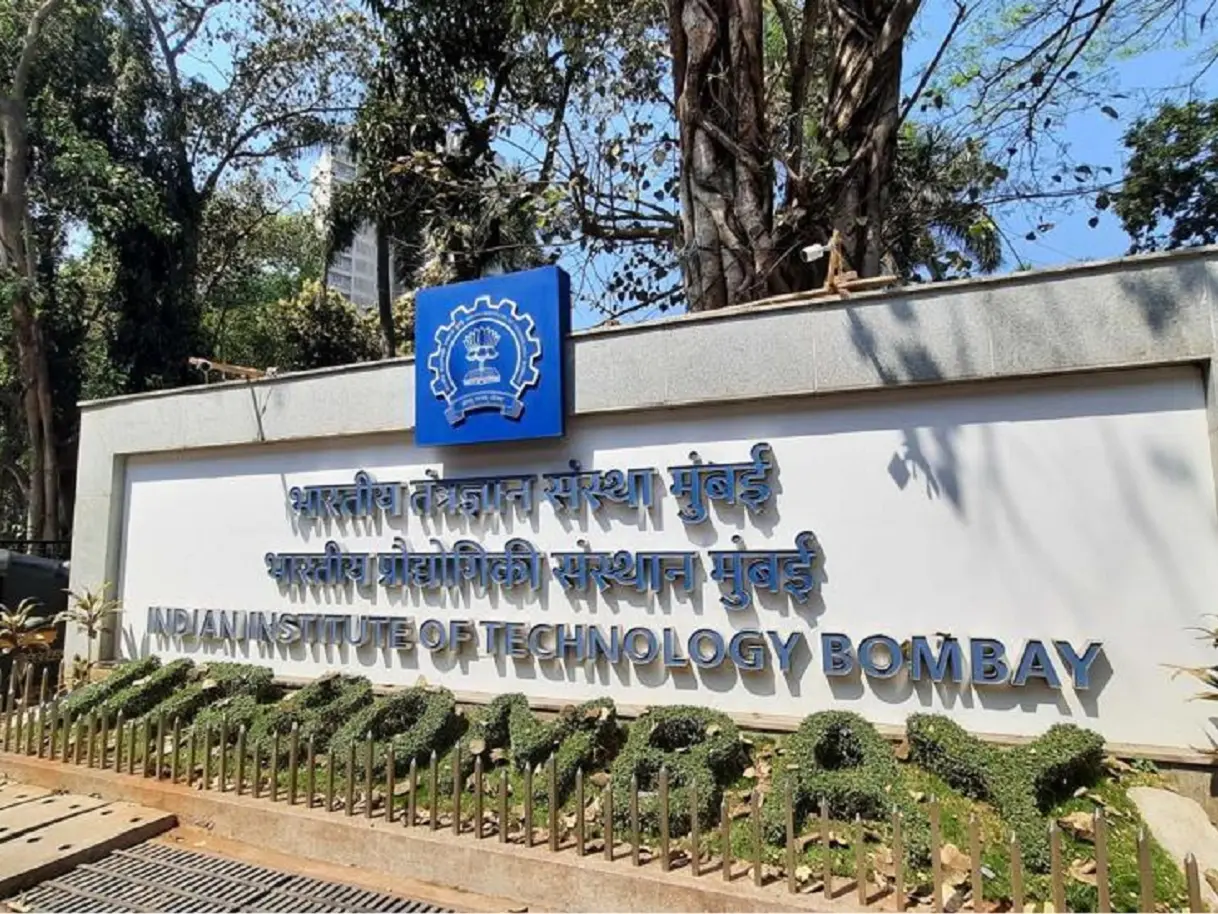)
IIT Bombay CCTV footage emerges: Sahil Wakode seen looking at phone in examination hall
)
Cyclone Arnab: Landfall expected before midnight tomorrow as IMD issues orange alerts across six states
)
9 killed, several injured as tourist bus catches fire on Yamuna Expressway
)
NBA player Steven Adams shares hilarious GTA VI theory
)
WION Iconic Tourism Summit 2026: Union Minister Shekhawat on 'experiential travel', peace diplomacy
)
ICC plans T20I expansion and fewer ODIs in 2027–2031 FTP cycle: Report
)
'AI got into my speech': Prince Harry jokes after teleprompter failure at event in New York
)
Scientists detect first radio signals directly from faraway planet
)
China to test supersonic jet that moves at Mach 2, double the speed of sound
)
WION Iconic Tourism Summit: 'Hanuman Ansh' Director on blockbuster success
)
Open AI, Anthropic CEO urges caution over rapid AI development at UN Security Council, call for 'extreme care'
)
Bomb scare in New York amid UNGA: Suspicious suitcase found near UN headquarters
)
Hours before Xi-Trump meeting, US announces visa curbs targeting birth tourism: What is it?
)
'Partners rather than rivals': Xi Jinping's first message after landing in US for Trump summit
)
WION Iconic Tourism Summit: Is India's travel boom outrunning its airports, airlines and hotels?
)
WION Iconic Tourism Summit and Awards 2026: Key voices to discuss India’s tourism future
&im=FitAndFill=(700,400))
New OTT releases this week (September 21-27, 2026): Shaque: Trust No One, Hunkkaar, Don’t Be Shy- 5 new titles coming to Netflix, Prime Video and more
)
WATCH | China President Xi Jinping lands in US as Trump greets him ahead of high-stakes summit
)
Australian PM Anthony Albanese calls OpenAI AI incident 'unacceptable' after restricted data access
)
'What kind of confession is this?': Pakistan PM Shehbaz Sharif’s 'terrorists would be roaming New York' remark goes viral, raises alarm online. Watch
)
WION Iconic Tourism Summit: How local tourism MSMEs must upskill for AI integration
)
Eight USS Abraham Lincoln sailors attempted suicide, Acting Navy Secretary says
)
Pilot recreates Mona Lisa in sky over Oklahoma and Arkansas in four-hour flight: VIDEO
)
Elephants hide behind trees, stage surprise attack on poachers targeting rhinos in South Africa
)
'Putin is patient zero': Zelensky slams Russian president at UNGA, accuses him of using fighters from 47 countries
&im=FitAndFill=(700,400))
National Film Awards 2026: Kartik Aaryan, Mammootty, Yami Gautam, Randeep Hooda and other key winners
)
El Niño 2026 heats up to become strongest in 1,000 years
)
Israeli envoy to US Yechiel Leiter’s son critically injured in West Bank ramming attack
&im=FitAndFill=(700,400))
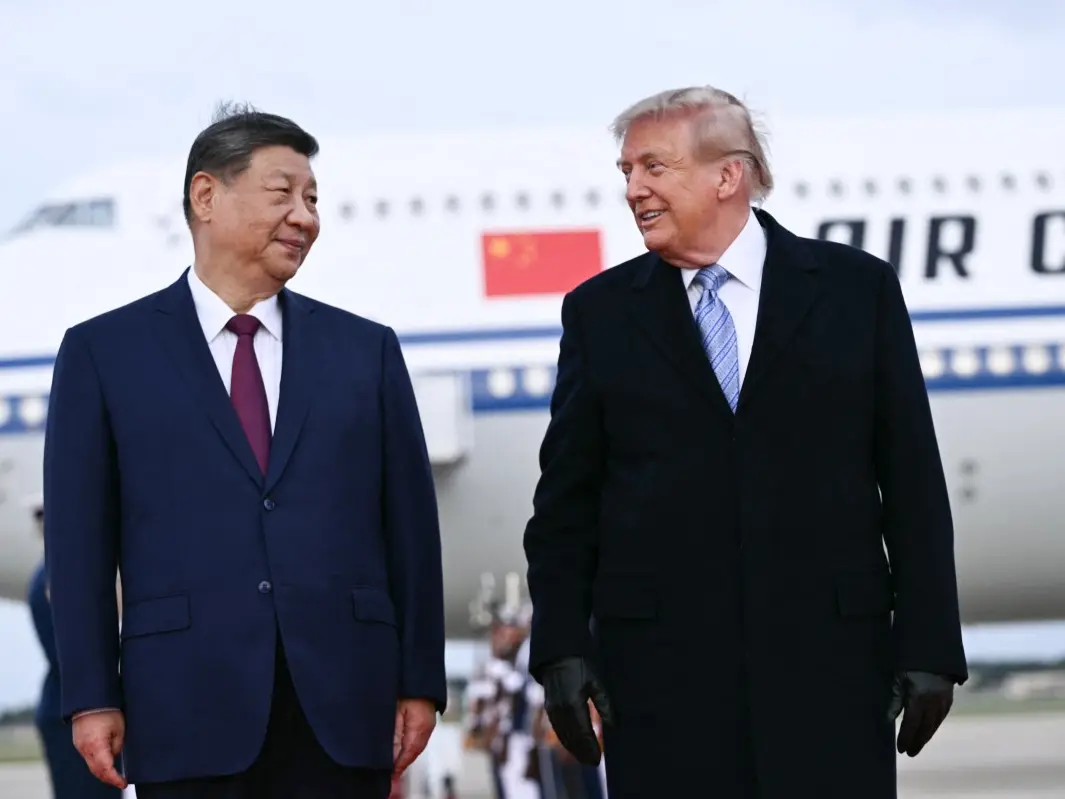
Trump welcomes Xi Jinping in rare airport gesture: Photos from Chinese President's arrival in US
)
Xi-Trump meeting: China’s human rights red line and past protests explained
The commitment of the ARMY to BTS has been a driving force in the group's unparalleled success. The fanbase's dedication extends beyond streaming music and attending concerts.
It manifests in diverse forms, from trending hashtags to charting BTS songs on platforms like iTunes, showcasing a level of loyalty that is rare in the music industry.
The surge of BTS's 2017 single, "Spring Day," to the top of the US iTunes charts during their absence exemplifies the ARMY's unwavering support.
K-pop academic Jimmyn Parc notes while speaking to the BBC that there is a potential for short depression among fans during this hiatus. The sense of loss is palpable, akin to a wartime separation of loved ones.
The fandom's actions mirror historical gestures of devotion, such as WW2 wives sending off their sweethearts to war. The ARMY's emotional tributes, expressed in various languages, highlight the global reach and impact of BTS.
What the future holds
As BTS takes a collective break, questions loom about their future dynamics. Will they return to BigHit Music, their current agency, or explore new avenues? The uncertainty extends to individual pursuits, with speculation about solo careers gaining traction.
The hiatus also prompts contemplation about the nature of BTS's future activities—will they solely engage in reunions, or will members pursue independent projects?
The global success of BTS, often compared to the Beatles, has led to widespread anticipation about their next moves.
The hiatus, though challenging for fans, presents an opportunity for other K-pop groups to step into the limelight. The void left by BTS's absence opens doors for emerging bands like New Jeans and Le Sserafim, offering them a chance to receive more attention on Western mainstream charts.
The longevity and sustained popularity of a musical group during a hiatus are often uncertain. However, industry observers believe that BTS's dedicated fanbase and their management's strategic approach will play crucial roles in maintaining their status.
Jeff Benjamin, a K-pop columnist and writer at Billboard Magazine, emphasises the importance of consistently providing content during the hiatus. BTS's meticulous preparation, including songs, videos, and fan messages, showcases their commitment to keeping the connection alive with the ARMY.
Historical roots of mandatory military service
The mandatory military service, deeply rooted in South Korea's history, traces back to the post-World War II division of Korea into Soviet-aligned North Korea and America-aligned South Korea.
Article 39 of the South Korean constitution established the duty of national defence, and conscription became mandatory in 1957. The duration of service, initially set at 30 months, has been reduced to the current range.
The necessity of military service is closely tied to the conflict with North Korea, as the two nations technically remain at war. Exemptions or deferments, whether based on being the sole breadwinner or possessing exceptional talents, reflect the complexities of the system. Notably, there have been exemptions for artists and athletes, including footballer Son Heung-min, who was exempted after the national team won gold at the 2018 Asian Games.
Controversies and exemptions
Controversies surrounding conscription include societal expectations and the potential stigma faced by those perceived as evading service. The exemption system, installed in 1973, aimed at recognising achievements in various fields. Evading conscription, as demonstrated by pop singer Yoo Seung-jun, has had consequences, including deportation.
Conscientious objection and legal changes
The practice of conscientious objection has been a point of contention, with individuals facing a choice between military service against their beliefs or punishment. Human rights groups and international organisations, including the United Nations, criticised South Korea for violating the right to freedom of thought, conscience, and religion. In response, the South Korean Constitutional Court ruled in 2018 that alternative civilian service must be introduced for conscientious objectors, leading to a change in the law in 2019.
BTS' future remains uncertain
As BTS members fulfil their mandatory military service, the impact on the broader K-pop industry, the future of the group, and the global music scene are shrouded in uncertainty.
While the hiatus prompts reflection for BTS, their fans, and the industry, the ARMY's steadfast support, combined with the strategic planning by BTS's management, is poised to play a decisive role in shaping the group's trajectory upon their reunion in 2025.
The world anticipates and closely observes the unfolding of the next chapter in BTS's extraordinary journey.