Dancing on the Grave director Patrick Graham: 'Natural human tendency is a bit perverse'

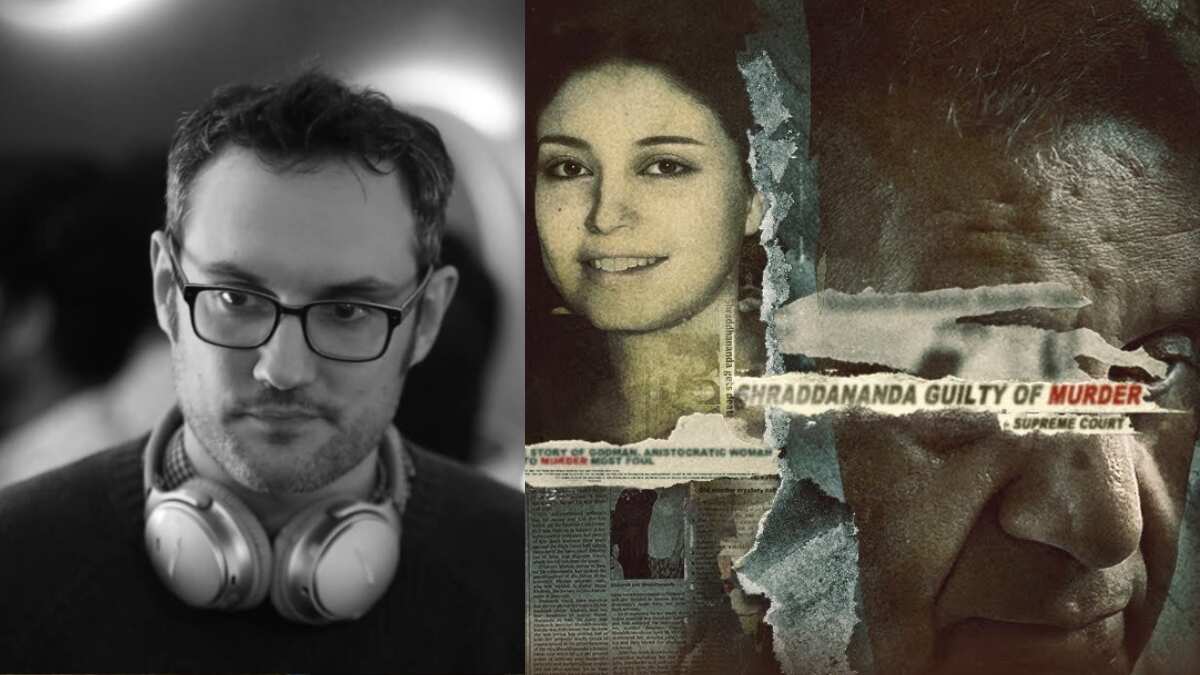
Dancing on the Grave is streaming on Amazon Prime Video.
Dancing on the Grave is a four-part true-crime docuseries streaming on Amazon Prime Video. It delves into the high-profile murder case of Shakereh Khaleeli, who was buried alive in her own home by her second husbandin 1991. She belonged to a prestigious Indo-Persian family, and was the granddaughter of Sir Mirza Ismail, the Diwan of Mysore, Jaipur, and Hyderabad. Married to a diplomat Akbar Khaleeli, she had four daughters. Akbar's job required him to be present overseas for long periods of time. It was said that when the couple were together, they more often than not quarreled. Amid this, Shakereh came close to a man called Swami Shradhananda (real-name Murali Manohar Mishra). In 1985, she filed for divorce from Akbar and married Shradhananda.
The decision surprised everybody who knew her. For it was hard to believe that Shradhananda, with his humble origins and tubby frame, was able to charm an affluent woman like Shakereh into falling in love with him.Shradhananda was convicted of her murder and has been in prison since 1994.
The series is directed by Patrick Graham, the man responsible for helming Ghoul and Betaal for Netflix. This is his foray into unscripted TV. WION sat down with him to discuss his interest in the project and how he approached portraying the victim and perpetrator, as well as the challenges faced in finding information and avoiding sensationalism.

This is a fascinating and tragic story. But what brought you personally to this?
I remember one of the producers called me because she was looking for a director who couldadd a bit more cinematic aesthetic to the story. I was kind of intrigued. And they sent me the detailed written story of the show. I was in England, and it was winter, freezing. I was like, 'Oh, my God, this is amazing'. It was a page-turner. So shocking, sad and tragic. And I knew that it was a story I really wanted to be a part of so. Also, I love true crime. I love documentaries. So it wasa great opportunity for me.
&im=FitAndFill=(700,400))
National Handloom Day 2026: From Alia Bhatt to Samantha Ruth Prabhu; Actresses who celebrated India's textile heritage as brides
)
The Royals enter the Doctor Who universe: King Charles and Queen Camilla beam into Commonwealth Games in TARDIS
)
Unitree Robotics targets $9 billion valuation in landmark IPO backed by DeepSeek and Tencent
)
India names 27 sites in Arunachal Pradesh
)
Bharat Bhhagya Viddhaata OTT: When will Kangana Ranaut's film stream online?
&im=FitAndFill=(700,400))
How many soldiers operate one S-400 battery?
)
Shakib Al Hasan ready to return to Bangladesh—under one condition
)
‘Fake news’: MEA rejects report claiming India sought defence pact with Israel after Pakistan, Saudi Arabia, Turkey deal
)
Rockstar to unveil GTA 6 extended look ahead of November launch
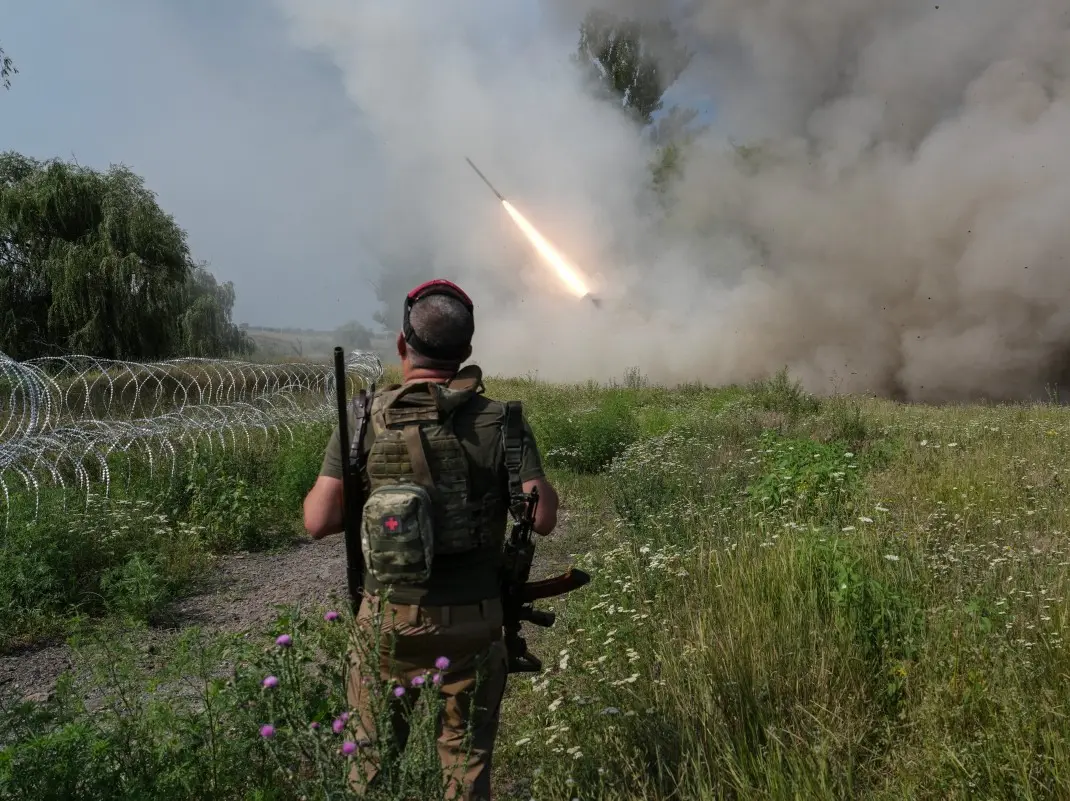)
Russia forms Ukrainian Volunteer Spetsnaz Brigade to fight Ukraine
)
Drug-resistant fungus that hides in hair and enters bloodstream reported in 23 US states
)
Technology transfer deal boosts India's defence manufacturing ambitions
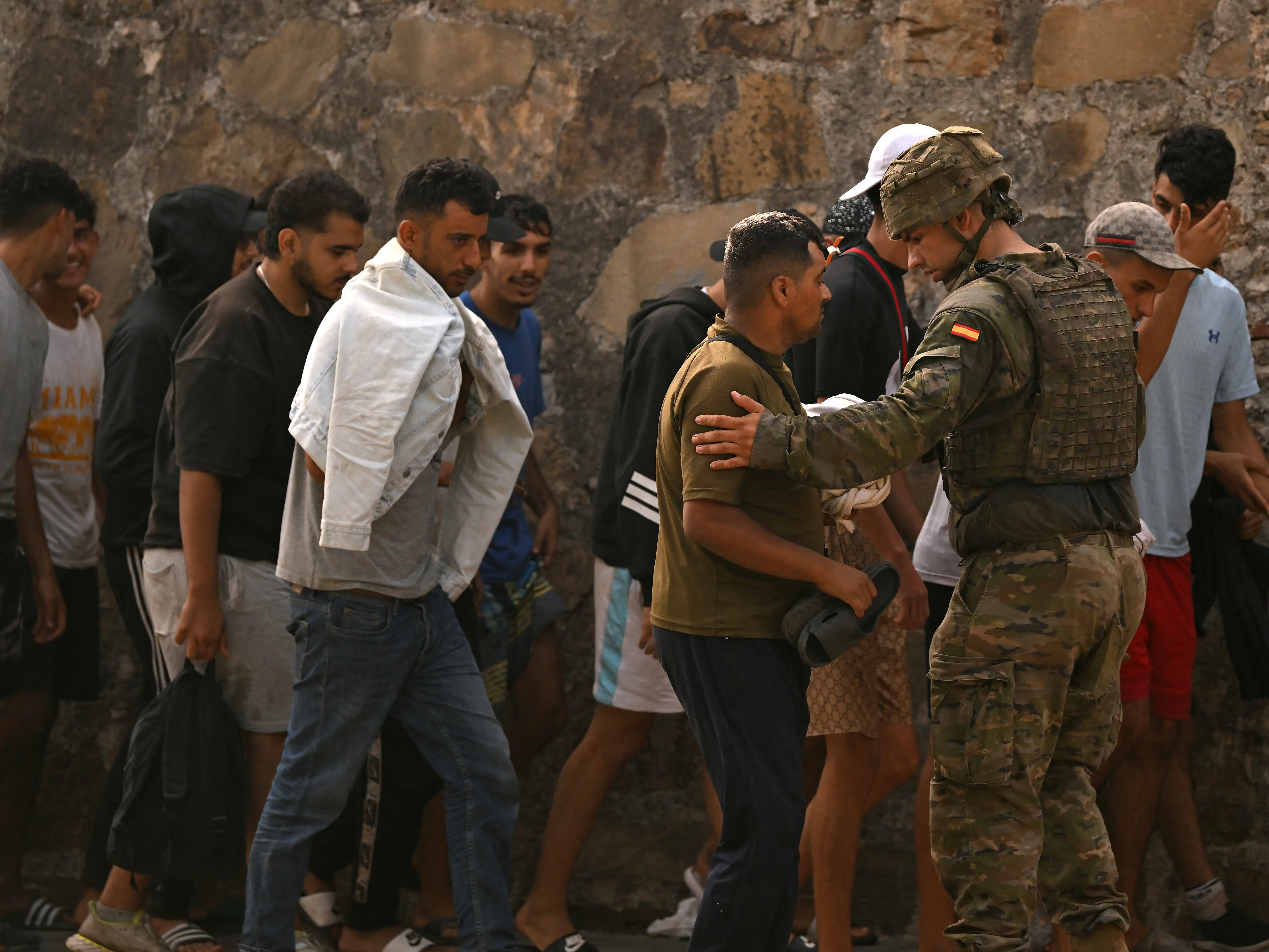)
Border row erupts in Europe after Ceuta crossings, Spain imposes border controls on Italy
)
Morale plummets on USS Abraham Lincoln: Are US sailors reaching a breaking point? | GRAVITAS
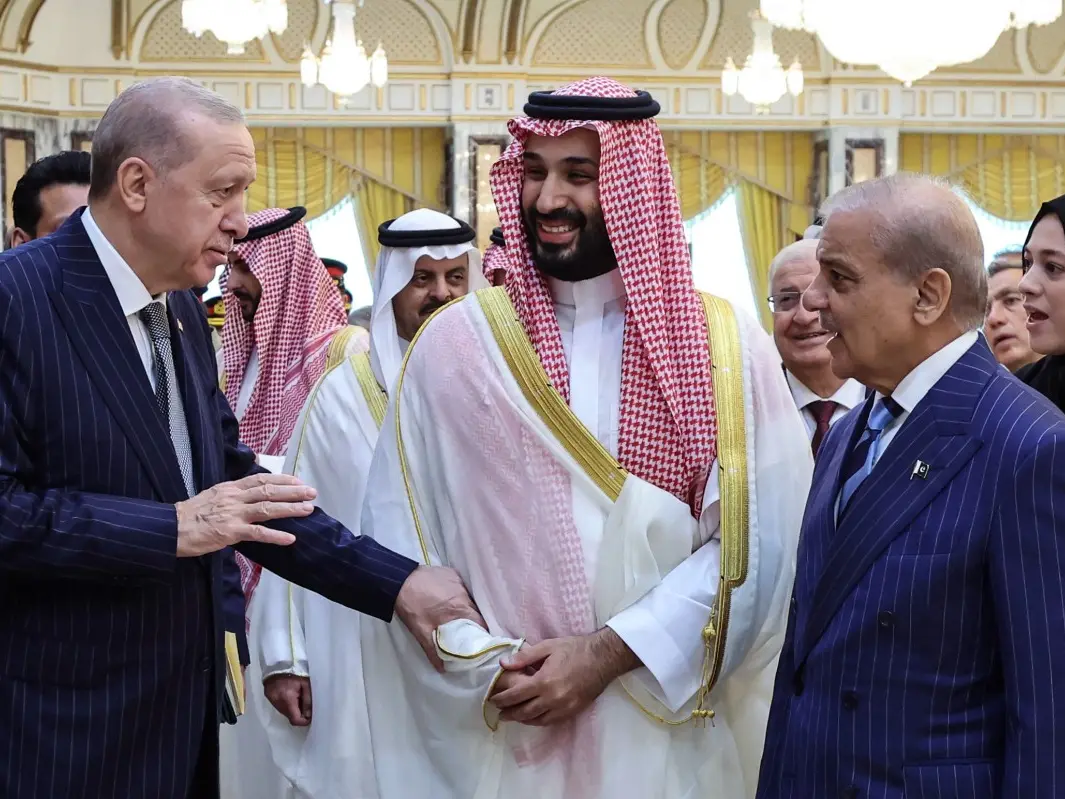)
'Security can't be bought with Pakistan, Turkey deal': Iran tells Saudi Arabia
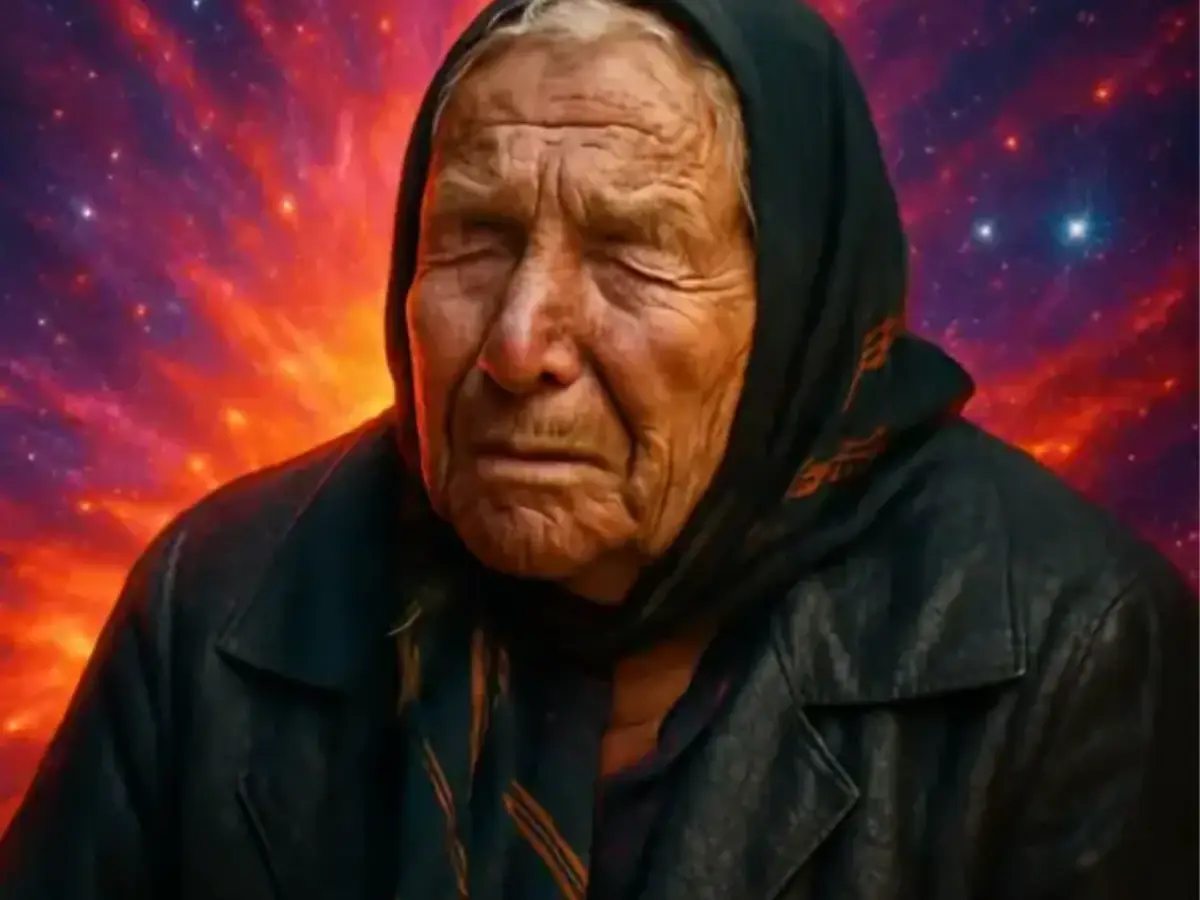)
Baba Vanga's 2026 prophecy: 2 predictions 'already came true', 3 terrifying ones remain. Details inside
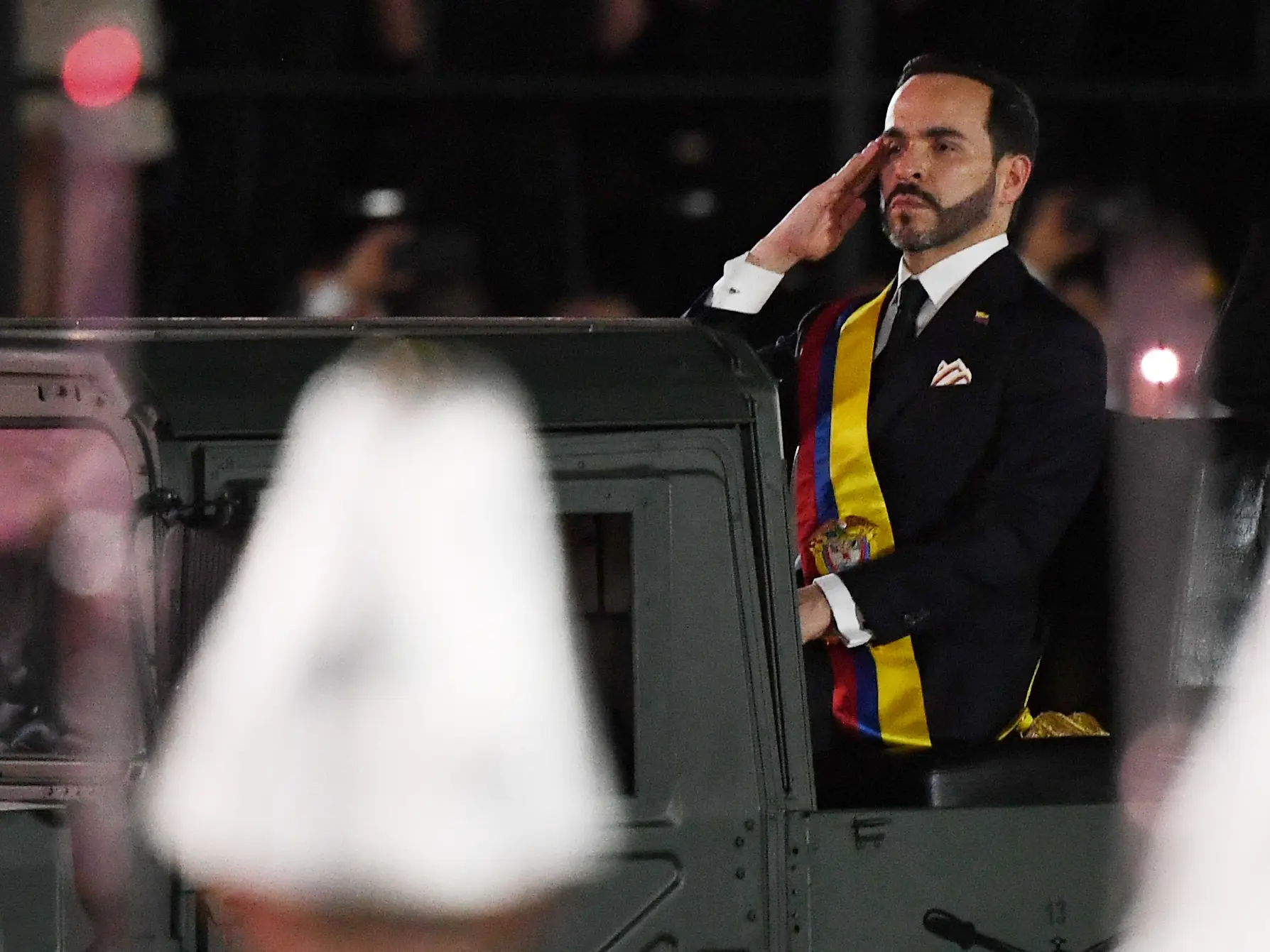)
Colombia’s new president Abelardo de la Espriella vows to ‘defeat narco-terrorists’, signals hardline shift
&im=FitAndFill=(700,400))
New Friday OTT releases (August 7, 2026): Operation Safed Sagar, Vadhandhi, Main Vaapis Aaunga- 6 movies and TV shows on Netflix, Prime Video and more
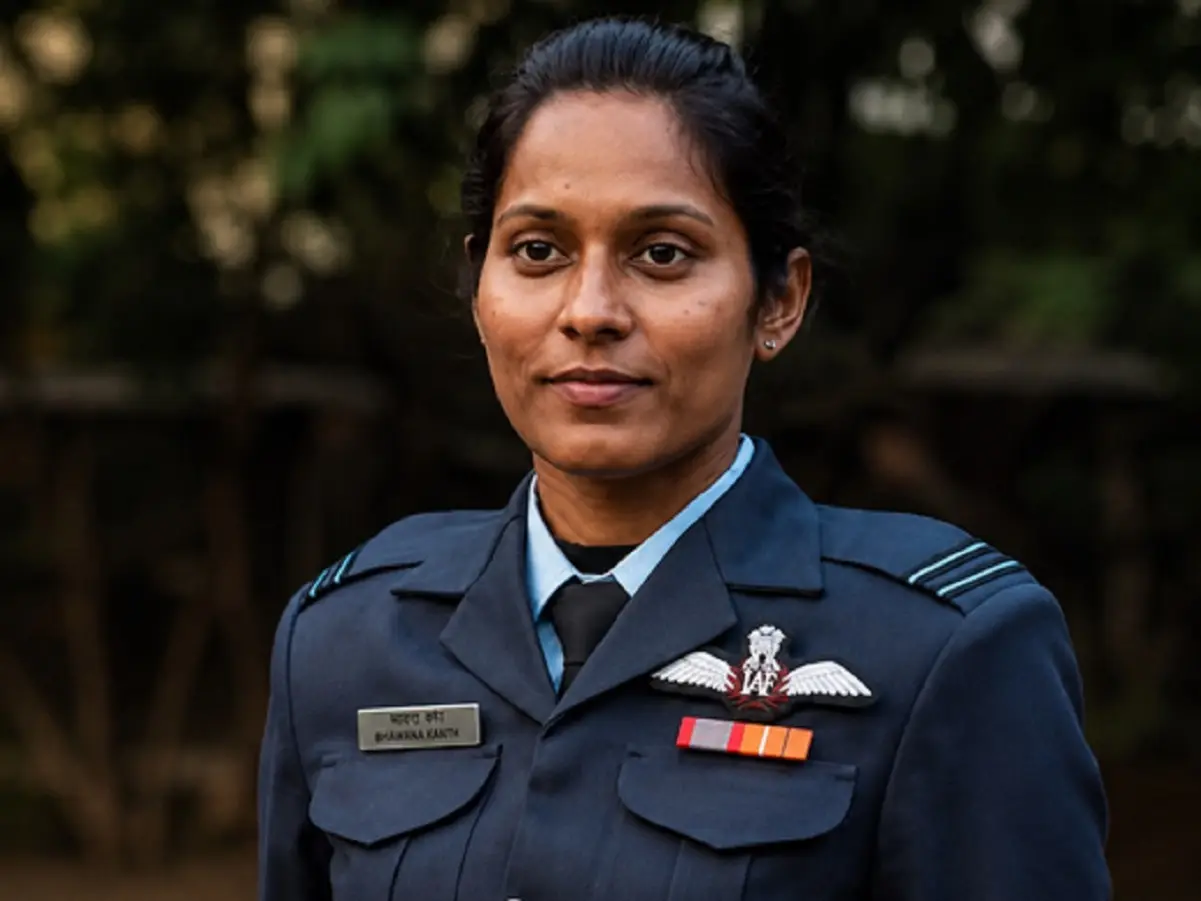)
Squadron Leader Bhawana Kanth scripts history as Indian Air Force gets its first woman ‘Top Gun’ pilot
)
RSS says Gen Z protests reflect genuine distress
)
Trump says Iranian school bombing photos could be AI-generated - 'I don’t think...'
)
IAF officer held for sharing sensitive information in 'honey trap' case, booked under Official Secrets Act
)
Stray Kids under scrutiny? Fans react to Grammy submission silence after BTS boycott
&im=FitAndFill=(700,400))
Why the Su-30MKI doesn't need external fuel tanks to fly vast distances
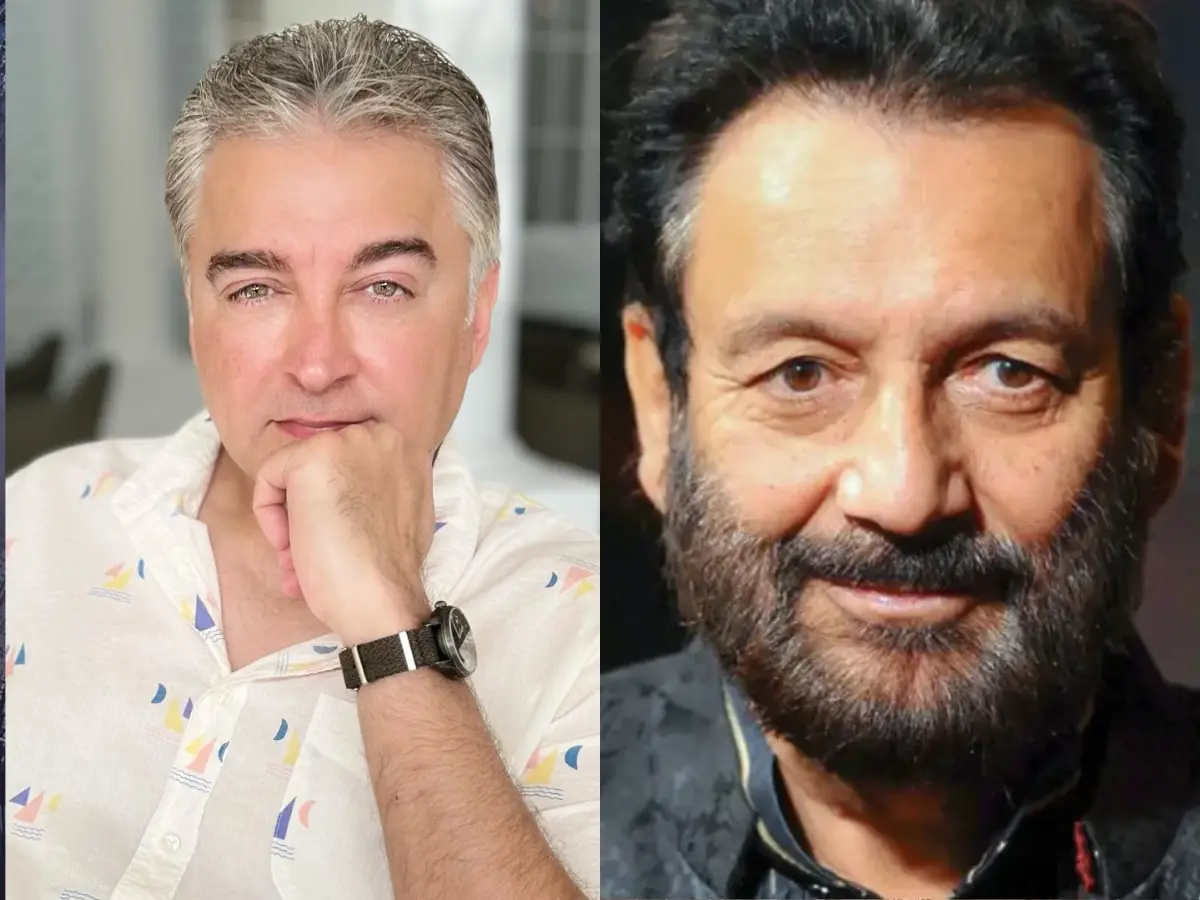)
Jugal Hansraj reunites with Shekhar Kapur after 40 years for Masoom: The Next Generation
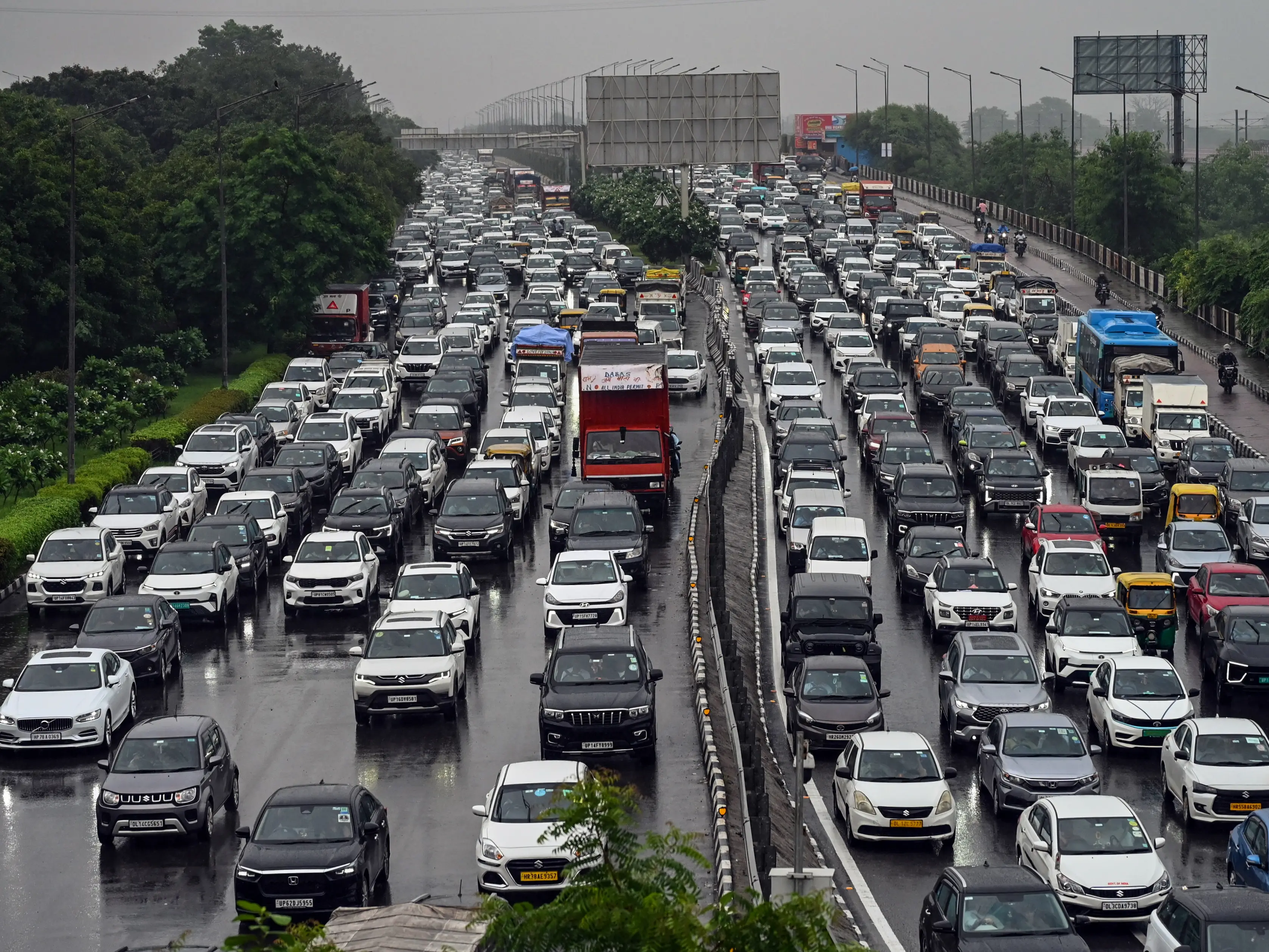)
New speed limits, automatic challans: Big traffic change coming to Delhi-Meerut Expressway. All you need to know
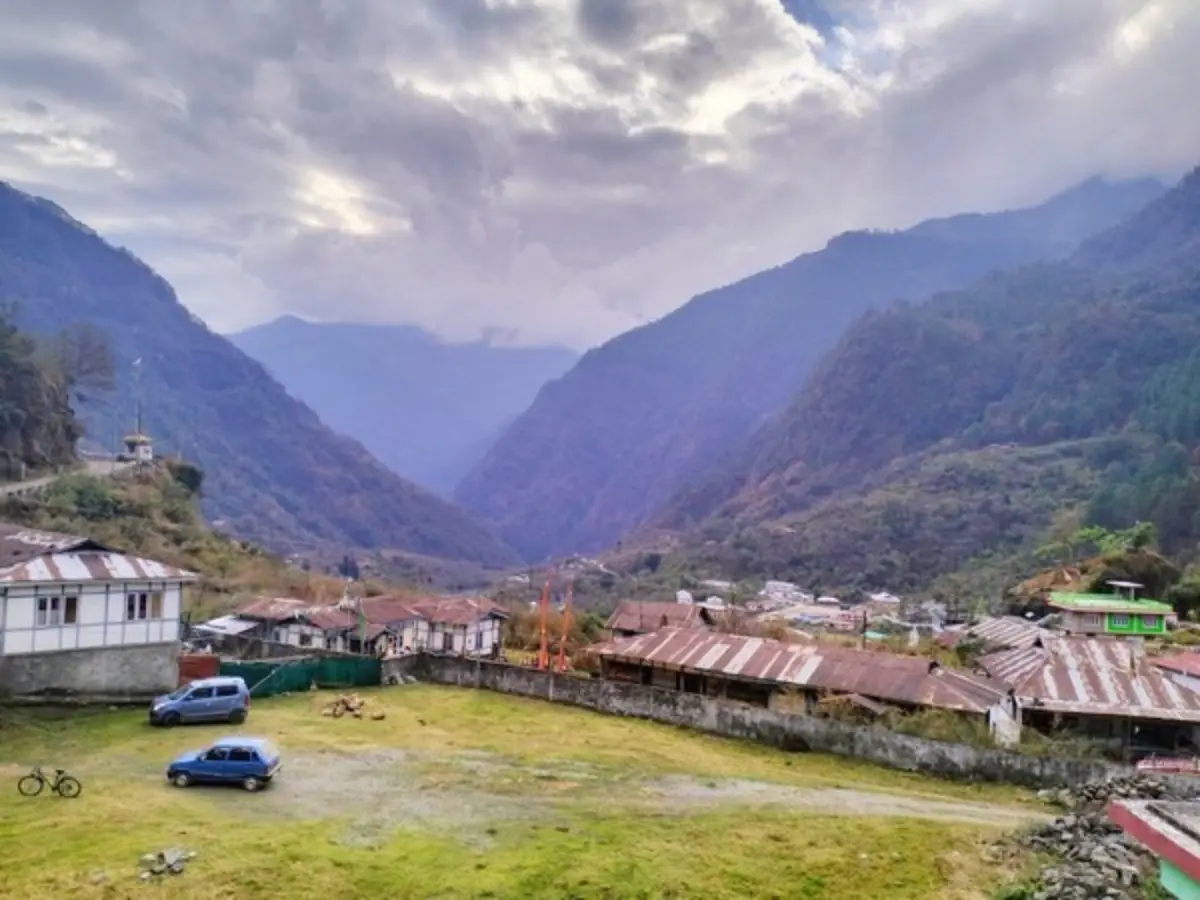)
India officially names 27 places in Arunachal to counter China's renaming claims
)
Trump calls White House ballroom ruling a 'national disgrace' as court says Congress approval needed
)
US sanctions Iran’s crypto network after Strait of Hormuz attacks, offers $15m bounty for intel on IRGC finance
&im=FitAndFill=(700,400))
Why the Su-30MKI is one of the heaviest fighters ever built
)
Uttarakhand young innovator builds India's own flying vehicle, conducts first test flight: WATCH
)
Chilling video shows students take cover as teen opens fire at Thai school
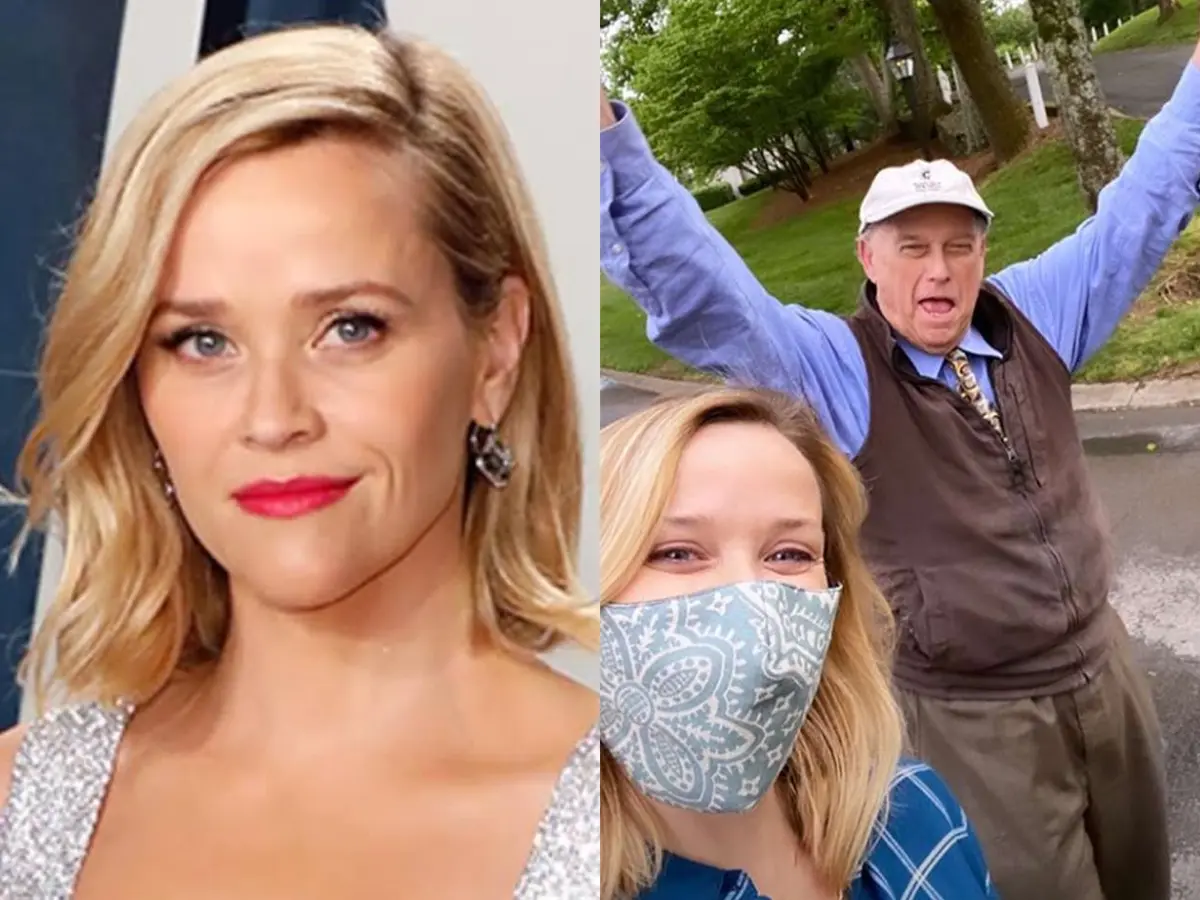)
Reese Witherspoon's father hospitalised after poolside incident in Nashville: Report
True crime documentaries are all the rage these days, and there is a sort of morbid interest in general in crimes of violent or sexual nature. Now, what does this say about us? It is a little perverse or just natural human tendency?
I think the natural human tendency is a bit perverse. I think humans are weird. Humans like to see horror on screen. There's something about hearing horrible things happen to other people in the comfort of your own home, which is at once informative, but also intriguing, You want to know more, and you want to be part of that you want to solve the mystery, you want to know what happened. And I suppose there's a deep-seated subconscious desire to take away lessons about what situations you should avoid. And how lucky you are that this isn't happening to you. That's just the way humans are, for better or for worse.
How did you approach the portrayal of the victim? Were there any ethical considerations you consider?
We wanted to make sure that we did justice to Shakereh herself because she was probably the biggest enigma of the story going into it. She was somebody who we didn't know that much about who made some decisions that a lot of people would consider to be the reason behind her downfall. We wanted to understand why she made those decisions and what what made her do what she did, and we ended up quite sympathetic towards her. Then when it came to Murli Manohar Mishra, it was kind of finding that balance between treating him sensitively, but also not letting our guard down at the same time. Because he's obviously very good at spinning these stories. That's what he's been doing for his whole life.
Were there any particular challenges you face? Like in finding information or accessing resources?
With any documentary, getting people to talk to you is an enormous challenge. I respect Indian culture for the fact that, unlike, say, in the US, where everybody wants to talk to cameras all the time, in India, there's more of 'This is private, and we don't want to necessarily talk about it'. And so for our producers, it was one of the biggest challenges to get people to open up to us on camera. That was probably one of the hardest parts of the of the whole thing because you're dealing with real events.
You have dealt only fictional content before this. Do you find that your approach to the two mediums is substantially different?
As a storyteller, one of the biggest differences with was that essentially if you're writing fiction, you're building your story at the front. At the beginning, you start with a script. But with documentaries, you're building your story after filming to a large degree. So much of that was built on the editing room. That was really interesting to me to be building the story from fragments of interviews. Your script is being written by 25 hours of talking heads, essentially.
Was it a challenge to tell a compelling story and at the same time not to sensationalise?
We all agreed that we wanted to keep things tasteful and uncensored. We definitely didn't want to have scenes of dialogue between actors. We never wanted to do that. We just wanted this kind of slightly stylised, impressionistic representation of things on screen to make it visually interesting and boost the mystery a little bit. But we always made sure that we kept it within the boundaries of taste.
WATCH WION LIVE HERE
You can now write for wionews.com and be a part of the community. Share your stories and opinions with us here.