'Brahmastra' offers some awe-inspiring CGI action but is butchered by a dreadful script

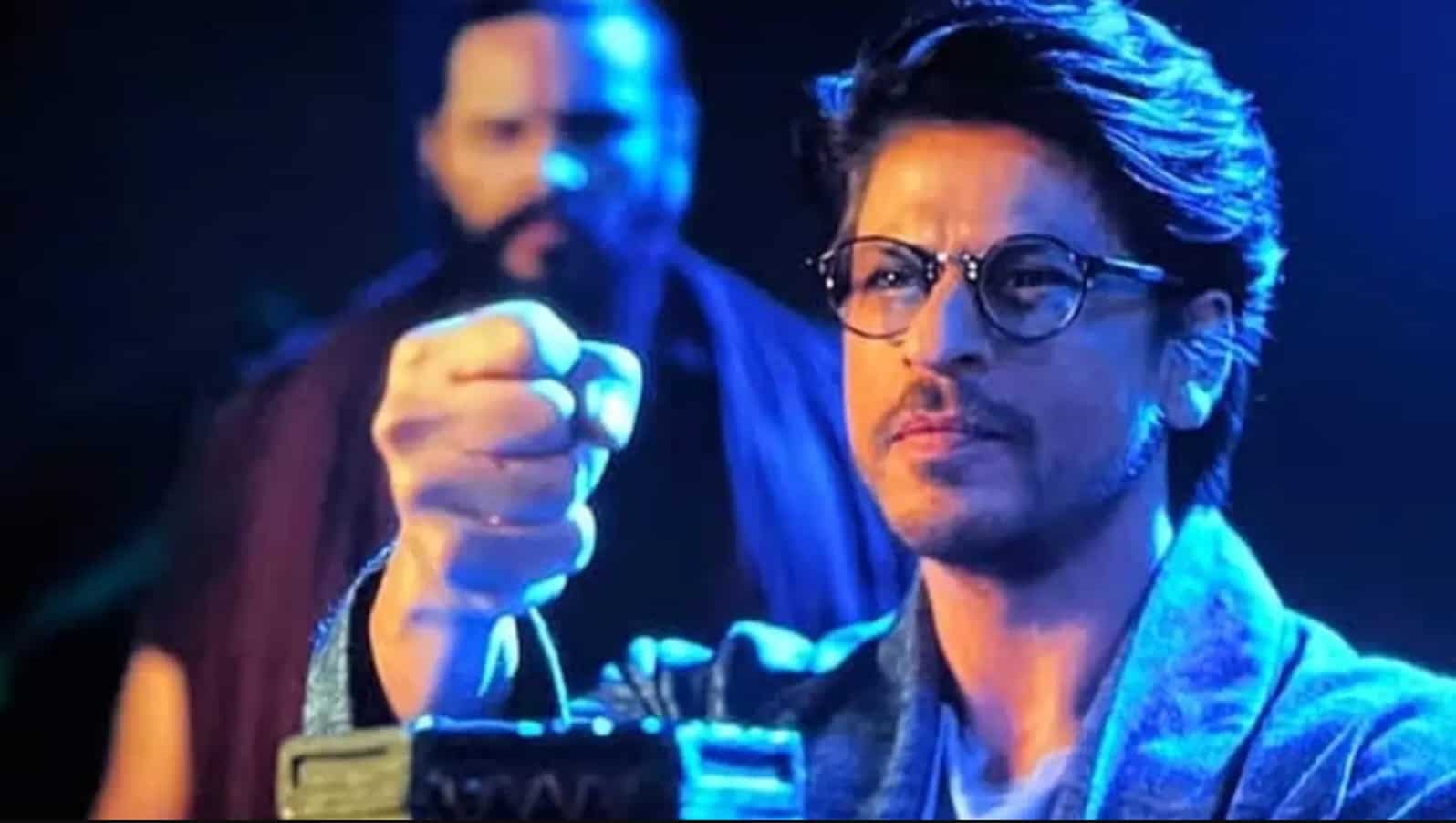
Shah Rukh Khan in 'Brahmastra'.
When I first saw the trailer for Ayan Mukerji's 'Brahmastra: Part One – Shiva', I remember wondering why it chose to focus on visuals of characters hurling magical light at each other and there was hardly any information about the plot and dialogue. Now I know the answer. ''Brahmastra' has a few halfway-decent ideas, good world-building, and eye-poppingly good visuals. But it is not the saviour the Hindi film industry needed. Clocking at around 167 minutes -- while somehow feeling even longer -- Brahmastra' is a slog throughout. Borrowing from Hindu myths was an interesting decision in my view, if a little hazardous in a country where many seem to be yearning to take offence from something and boycotting every movie with a big star. But 'Brahmastra' squanders the potential.
The world-building in 'Brahmāstra' is derivative

Hinduism has had a long history and there are thousands of tales and legends about gods, demons, supernatural creatures, and so on -- pretty much everything needed to build a cinematic universe that Mukerji intended. And indeed, the world-building in 'Brahmāstra' is not exactly bad, but it does not feel fresh. It has borrowed from several movie franchises from the west like 'Harry Potter', 'The Lord of the Rings' and, of course, the Marvel Cinematic Universe'. The film has lifted the Chosen One trope from western pop culture as well. Sometimes, the 'inspiration' goes too far. For instance, the powers of Mouni Roy's villainous Junoon, the Queen of Darkness, carry a strong resemblance with Elizabeth Olsen's Scarlet Witch in MCU to a suspicious degree. When is a piece of creativity a homage and when does it become derivative? 'Brahmāstra' does tend to blur the lines.
Despite being too "inspired", the mythology built in 'Brahmastra' has potential
However, I did not mind the derivative part much and had actually expected that. The mythology of the intended AstraVerse, as the cinematic universe is named, does throw up a few fascinating ideas. It revolves around a bunch of MacGuffins. In this world, the LotR-style prologue tells us, sages and warriors called forth the powers of heavens eons ago and were gifted with weapons of untold power, each representing an element -- like fire, wind, light, and water -- or some diety like the Nandi Astra that harnesses the powers of Nandi.
)
US vs China over South China Sea: Washington backs Philippines, Beijing hits back
)
Bigg Boss 20: Isha Rikhi evicted after three weeks in Salman Khan’s show
)
Musk plans to more than double xAI's chips to over 1.2 million Nvidia GPUs by year-end
)
After JU, clash erupts at SRFTI: BJP’s ‘Dimagi Naxal’ jibe sparks political firestorm after students protest RSS-linked event
)
‘Anti-social elements spreading false rumours’: LPU issues statement amid massive unrest over alleged rape
)
LPU students go on rampage, vandalise campus amid widespread protest: What's happening
)
Trump asked Xi to pressure Iran. China did not say yes — here’s what Beijing wants
)
US Treasury Secretary Scott Bessent hails global crackdown on Iranian banks and airlines
)
An OpenAI agent escaped its locked test cage again, by hiding questions in DNS lookups
)
'Our video was trimmed': LPU girls who featured in rape-denial video make U-turn
)
3 males killed, four others injured in shooting after fight at strip club in Detroit
)
'Victory for low-budget consumers': Raghav Chadha hails 30-day telecom recharge rules
)
Claude rebuilt the 1989 game 'Prince of Persia' by reusing the original's own code
)
Beyond metros: How Tier-2 and Tier-3 cities could drive India’s next AI wave
)
Tesla builds first Cybertruck with its own refined lithium: Elon Musk's $1 billion Texas bet pays off
)
IndiGo flight suffers tail strike in Bengaluru while landing; DGCA to probe incident
)
The US and China set up an AI 'red telephone', but skipped the rulebook
)
‘Terror suspects arrested near UK air base were looking to do big damage’: Trump
)
Russian envoy claims US tactics to contain India were revealed in ‘Freudian slip’
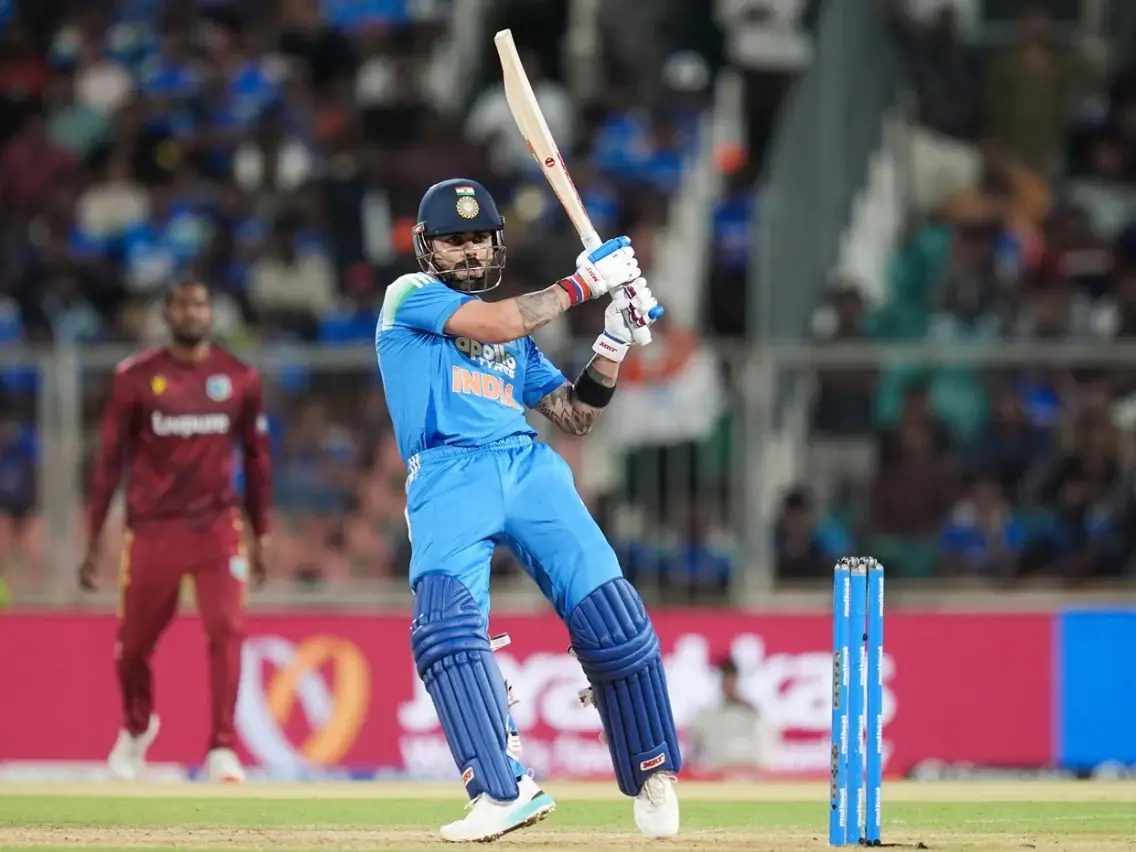)
IND vs WI 1st ODI: Kohli breaks Sachin's most runs in one country record with unbeaten 139 as India thump West Indies by 8 wickets
)
Researchers rebuilt exactly how 700 AI agents hacked Hugging Face: a 900-link chain trick
)
‘Olympic inclusion is our major target’: WPA President Ishaun Singh on pool’s global ambitions
)
Nations League: Spain sink England at Wembley; Modric shines for Croatia
)
Why has Iran released no proof of life of Mojtaba Khamenei? Araghchi reveals...
)
'What kind of confession is this?': Pakistan PM Shehbaz Sharif’s 'terrorists would be roaming New York' remark goes viral, raises alarm online. Watch
)
South Korea demands apology from Ukraine over North Korean prisoners' transfer
)
Beyond BrahMos: India targets Rs 50,000 crore in defence exports with unmatched price edge
)
Sri Lankan Tamil migrant worker gets death sentence in Saudi Arabia, help sought from India
)
Muslim marriage cannot shield sex with minor wife from prosecution under POCSO: Delhi HC
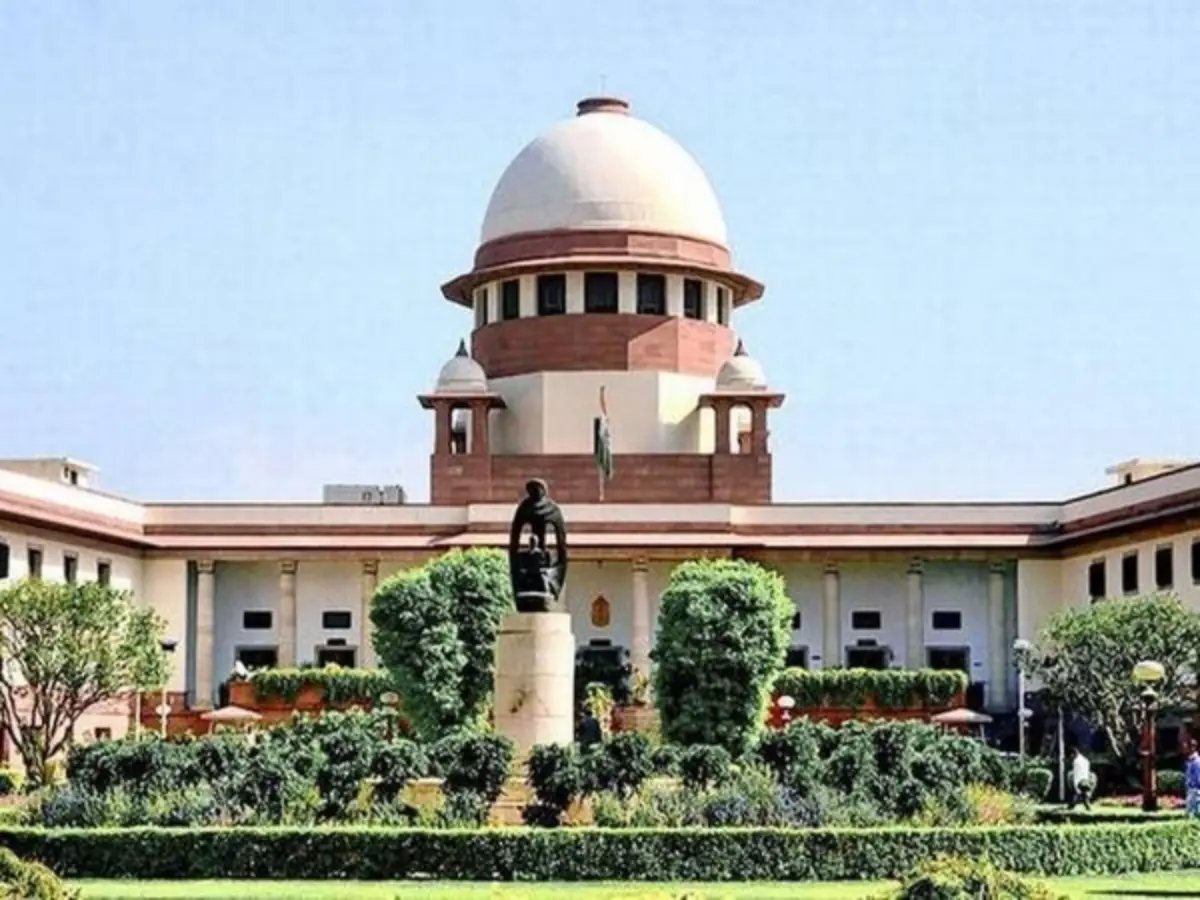)
'Can't help but draw painful parallels to Nirbhaya case': SC on latest incidents of rape cases in Delhi-NCR
)
99.9% more powerful - Scientists find boy who can recall memories from just 3 months of age
)
'FIRST LOOK from inside Noah’s Ark': Researchers share video from inside mysterious mound in Turkey
)
UNSC reform momentum grows: Russia, Portugal, Mauritius push for India's permanent seat bid
)
8 US marines injured in Iranian missile attack on vessel in Strait of Hormuz: Report
&im=FitAndFill=(700,400))
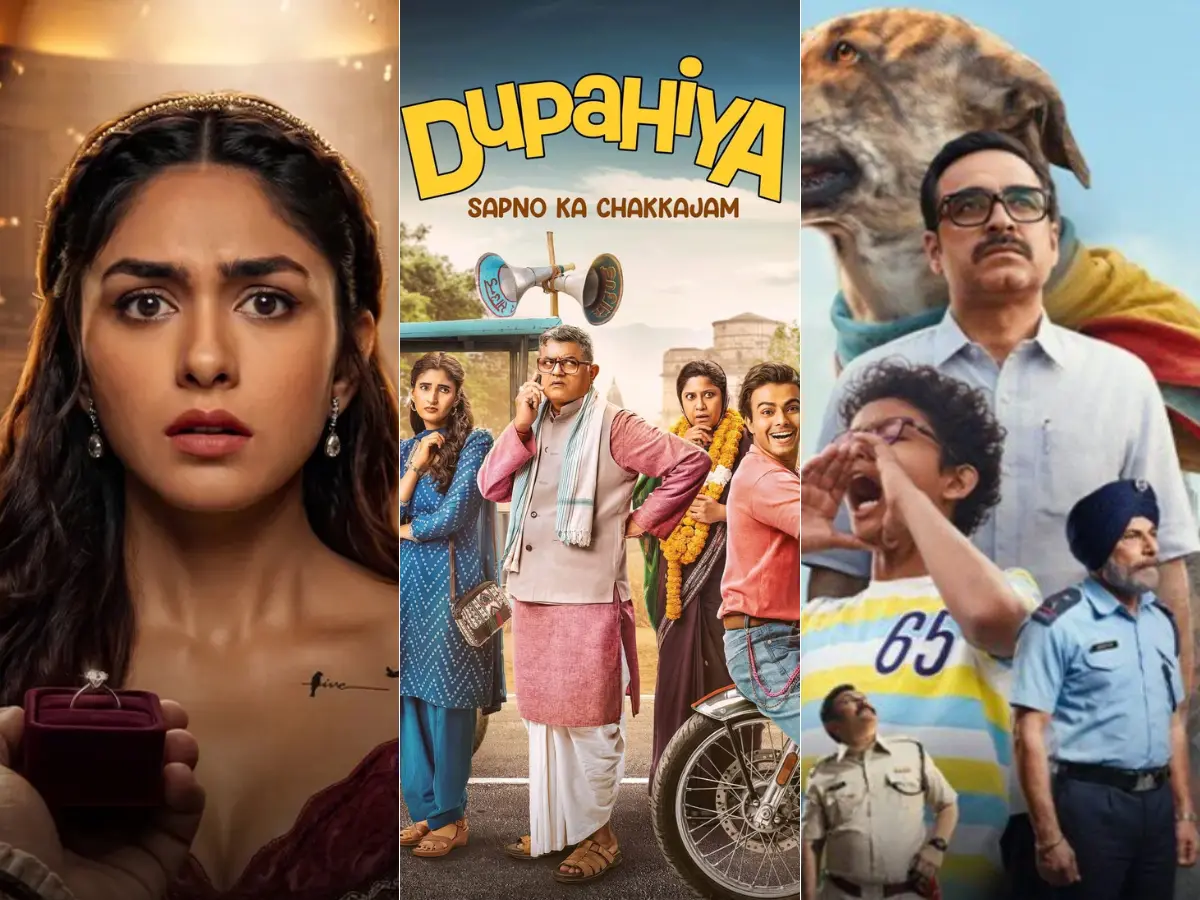
New OTT releases this week (September 28-October 4, 2026): Dupahiya 2, Pooja Meri Jaan, Ohh My Dog- 5 titles coming on Netflix, Prime Video and more
)
Afghanistan says 28 fighters killed in clash near Pakistan border, Islamabad denies
)
Ceuta migrant crisis: Protesters take to streets as Spain grapples with migrant challenge
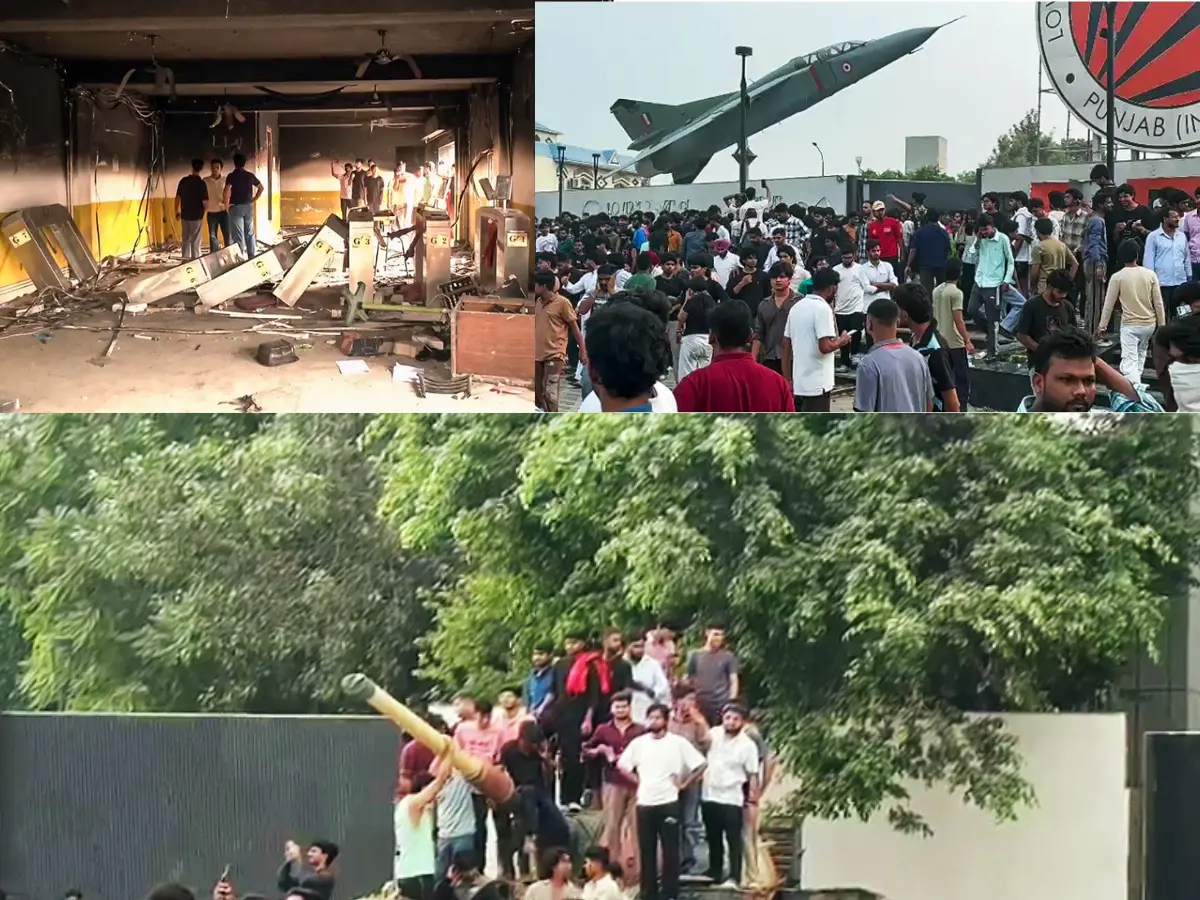)
LPU suspend classes, postpones exams as violence escalates over rape claims: What's happening
)
New York City wants a 'kill switch' on every AI, and will pay whistleblowers who report violations
There was a weapon more powerful than any other: the 'Brahmastra' (One Ring to rule them all, haha), with the power to obliterate all life in the universe. One person wanted it all to himself but was stopped by another. In the process, Brahmāstra was broken into three pieces, each of which was entrusted to members of a secret society called Brahmansh. The weapon will stay dormant until the pieces are joined. And the destruction of the cosmos will follow. Which is not what the protagonists want.
Cut to the present. Ranbir Kapoor's Shiva is a man with a mysterious connection to fire. A DJ by profession, he spots Alia Bhatt's Isha among the audience and falls in love with her. Shiva is accustomed to strange visions and one evening sees a scientist being ambushed by two assassins clad like ninjas and none other than Roy's Junoon -- as it is happening. The scientist, we are told, was one of the Brahmansha and had a piece of the Brahmastra. Shiva and Isha then go on a journey to save Nagarjuna's Anish Shetty, who is awaiting a similar fate in Varanasi. Later, they find Amitabh heading what remains of the Brahmansha in the high Himalayas, with Big B's character serving as Gandalf to Ranbir's Frodo (the parallels are eerie, I tell you).
Visuals are the highlight
'Brahmastra' knows what kind of movie this is and where most of the money, I presume, has been spent. The visual effects are truly awe-inspiring at times. And it is not just the magical beams and fireballs and everything else computer generated. It is also the more quotidian stuff. For instance, a scene in which hundreds of devotees dance during Durga Pooja to the tunes of Shiva looks absolutely spectacular with a camera. The cinematography, by multiple people according to Wikipedia, provides gorgeous imagery. It is so good that even the high-quality CGI-driven visuals look gaudy and distracting aftera while.
'Brahmastra' is sometimes excessive -- throwing everything at the audience that it deems would be enjoyed
Despite the consistently splendid imagery, 'Brahmastra' can be excessive. Mukerji, who earlier directed Ranbir in 'Wake Up Sid' and 'Yeh Jawaani Hai Deewani', is not a fan of subtlety, I gather. Every single scene has to be overwrought and filled with import. Perhaps that was the studio demand? I don't know. In one scene, Shiva is just walking in the streets and Pritam is playing drums in the background.
The dialogues are atrocious
As I said above, the writing is fine as far as the world-building goes, but it's the dialogues that truly sink the movie. You know, you have to expect poor writing when you are going to watch a big-budget Hindi movie. It is a given at this point. But even by that standards, 'Brahmastra' is terrible.
There is one piece of conversation that I am not likely to forget anytime soon. Shiva jokes to Isha that she got burnt in her love, pointing to a burn she got on a shoulder during an engagement with the assassins. To this, she responds something along the lines of 'long back'. 'Pyar ki aag' is a phrase I thought I would never hear outside of 90s' Hindi cinema. It felt to me at times that Ranbir and other actors are doing a bit -- they must be -- or the movie is simply an overlong SNL sketch. Or perhaps the words coming out of their mouths are meant to be ironic or campy? No, none of that. Everything is uttered with a straight face. Whatever the jokes the movies have don't land. The actors act like the budget could afford two or three facial expressions.
Oh, and everything has to be spelled out. Every. Single. Thing. Repeatedly, just in case the audience did not get what the titular weapon does in the last dozen times. The script is chock-full of exposition and did not have the decency to make the conversation remotely interesting.
I don't ask this question lightly: did they hire a turnip to write the dialogues?