

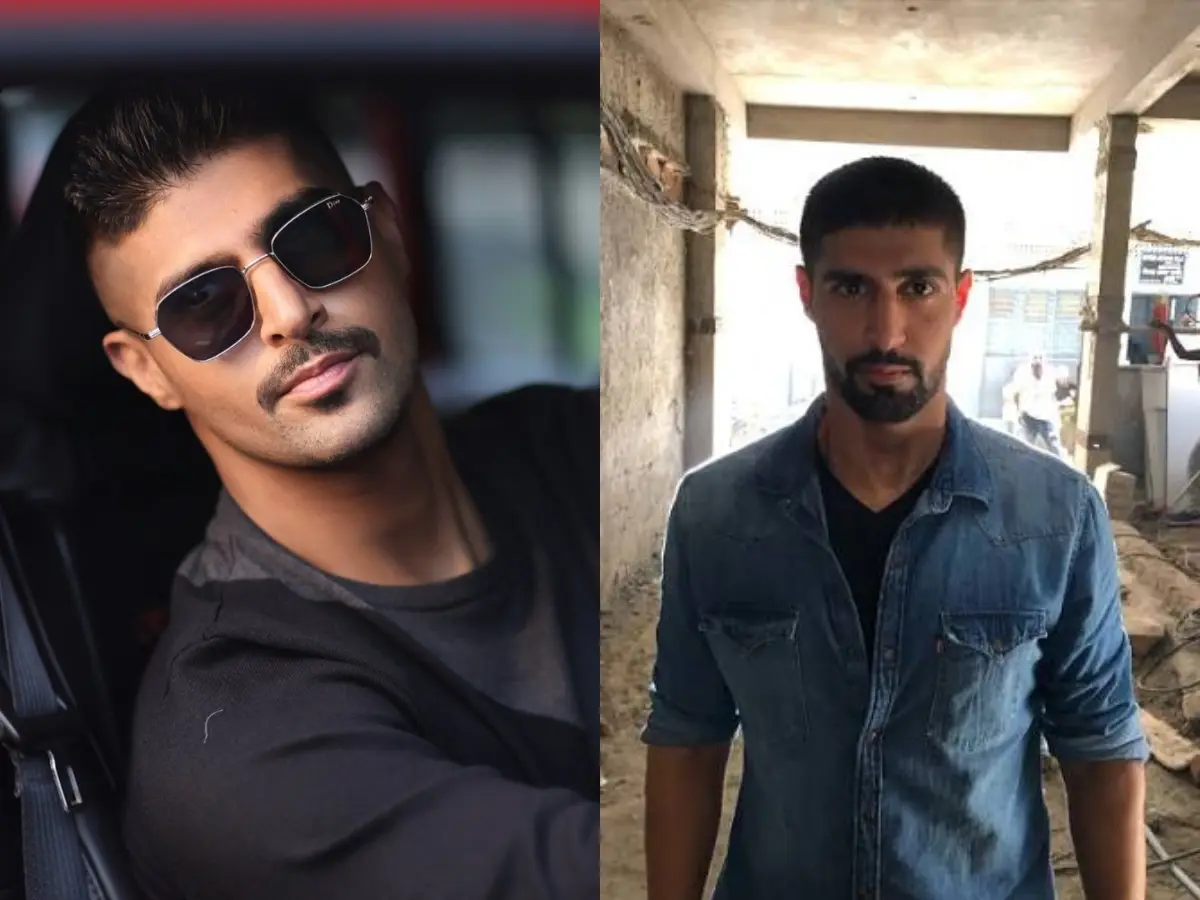
&imwidth=800&imheight=600&format=webp&quality=medium "Interview | Tanuj Virwani on Jumper, career gaps, being typecast: ‘You’re only as good as your last project’")
Actor Tanuj Virwani has stepped into an unusual role with Jumper, a crime thriller directed by Saurabh Varma. Shot in Bhopal, the film follows Johnny, a local cable operator whose knowledge of his neighbourhood makes him an unlikely ally to the police. The film also stars Vijay Raaz, Zakir Hussain, Brijendra Kala and Zarina Wahab.
For Virwani, however, Jumper is not just another film; it is an important chapter in his career, which he has consciously built around variety. Known for projects such as Inside Edge, Cartel and Rana Naidu, the actor believes that he would rather wait for the right role than sign projects simply to avoid a gap between releases.
His journey in the entertainment industry has been less about chasing a particular image and more about finding roles that allow him to keep evolving.
In an exclusive conversation with WION, Tanuj Virwani talks about why he chose Jumper, working with Vijay Raaz and Zakir Hussain, the evolution of his acting process, and so on.
WION: You play Johnny Jumper, who works as a cable operator in Bhopal but also helps the police. How did you approach this duality?
Trending Stories
&imwidth=180&imheight=135&format=webp&quality=medium)
Shreyas Iyer blames dew for West Indies' record run chase in 2nd T20I in Ranchi
&imwidth=180&imheight=135&format=webp&quality=medium)
100,000 strikes in 3 years: How October 7 redefined Israel's war
&im=FitAndFill=(700,400)&imwidth=180&imheight=135&format=webp&quality=medium)
Happy Birthday Rekha: Watch these 7 evergreen Bollywood hits on Netflix, Prime Video and more
&imwidth=180&imheight=135&format=webp&quality=medium)
'I am not going to be watching it': JD Vance on livestream of Nidal Hasan's firing squad execution
&imwidth=180&imheight=135&format=webp&quality=medium)
UK navy hit by espionage scandal: Sailor accused of spying for Russia | Gravitas
&imwidth=180&imheight=135&format=webp&quality=medium)
Katie Zacharia likely to succeed Karoline Leavitt as Trump's White House press secretary
&imwidth=180&imheight=135&format=webp&quality=medium)
Delhi on high alert for CJP protest: Delhi police to use body cams to 'prove whether we did anything’; Pink Force, RAF, 35,000 personnel deployed
&imwidth=180&imheight=135&format=webp&quality=medium)
‘Never-ending flow of cheap labour’: JD Vance hits back at Indian-origin Congresswoman over US green card curbs for major tech companies
&imwidth=180&imheight=135&format=webp&quality=medium)
Panama president declares ‘major disaster’ after powerful 7.7-magnitude earthquake; over 80 aftershocks recorded
&imwidth=180&imheight=135&format=webp&quality=medium)
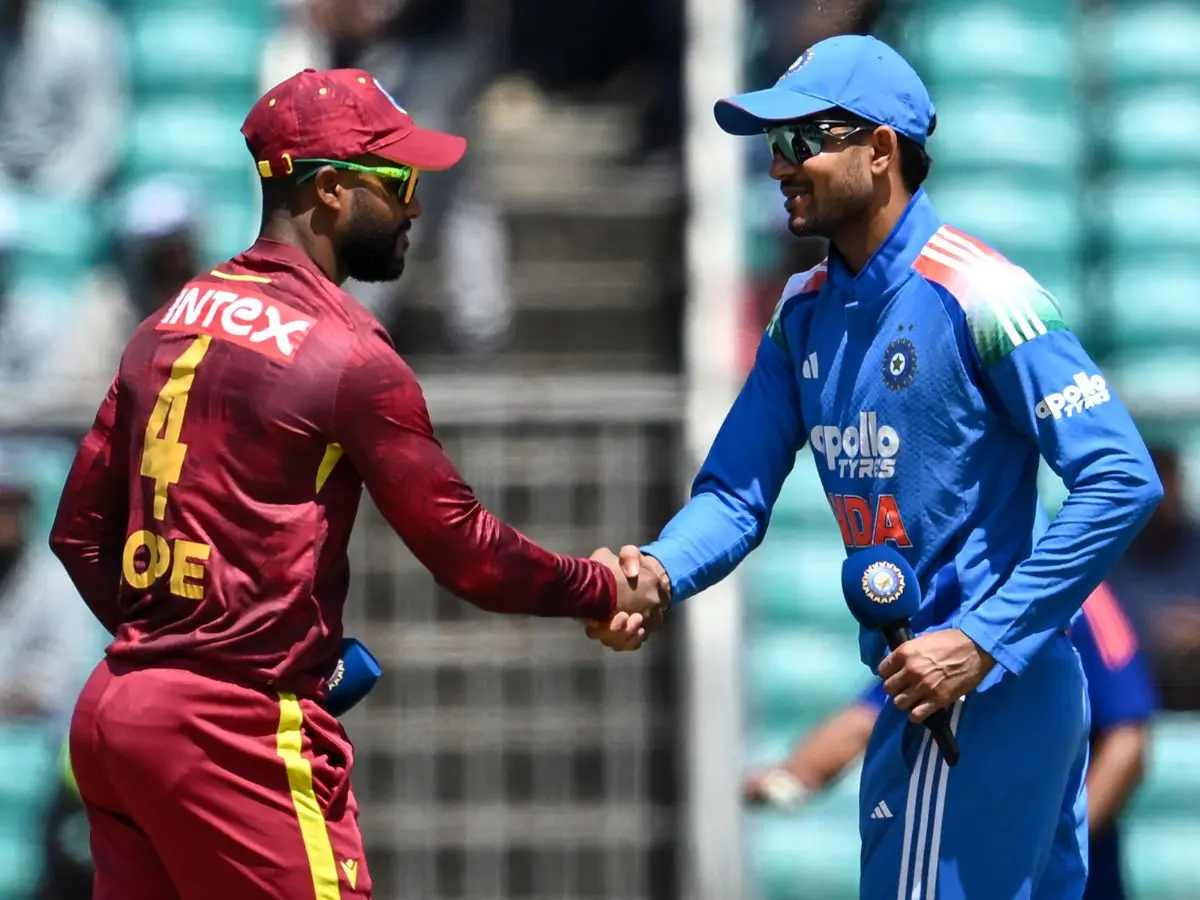
‘250? Cool.’: Shai Hope takes swipe at Shubman Gill’s Instagram caption after Ranchi T20I masterclass
&imwidth=180&imheight=135&format=webp&quality=medium)
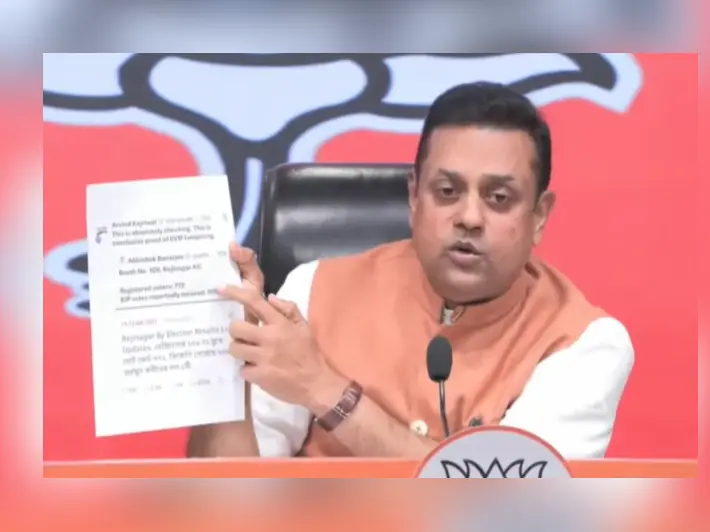
'Jantar Mantar not the story of India': BJP's Sambit Patra claims 'anarchists' tried to hold Delhi captive
&imwidth=180&imheight=135&format=webp&quality=medium)
BJP MP Ravi Shankar Prasad slams CJP protests, calls it 'shadow boxing for AAP'
&imwidth=180&imheight=135&format=webp&quality=medium)
'I ended 8 wars': Trump slams Nobel Peace prize decision, claims award was his due
&imwidth=180&imheight=135&format=webp&quality=medium)
Dhurandhar: The Revenge album submitted for Grammy consideration; But what does it mean?
&imwidth=180&imheight=135&format=webp&quality=medium)
J&K Government orders major police reshuffle, transfers 100 officers across UT
&imwidth=180&imheight=135&format=webp&quality=medium)
New York protests erupt as Trump administration defends ICE shooting
&imwidth=180&imheight=135&format=webp&quality=medium)
Delhi protest: Metro curbs, train cancellations, traffic diversions as protesters seek CEC Gyanesh Kumar’s resignation
&imwidth=180&imheight=135&format=webp&quality=medium)
'Spent Rs 2,000 cr to elect Trump': Elon Musk bought US President's loyalty by writing the biggest political cheque in human history
&imwidth=180&imheight=135&format=webp&quality=medium)
Powerful 7.7 magnitude earthquake strikes Panama, tsunami warning issued
&imwidth=180&imheight=135&format=webp&quality=medium)
Adéla gives KATSEYE’s Lara Raj and Megan Skendiel a shout-out at Fonda Theatre in LA
&imwidth=180&imheight=135&format=webp&quality=medium)
'Modi is a dictator': Abhijeet Dipke claims govt 'scared' of youth, slams stringent measures ahead of CJP Jantar Mantar protest
&im=FitAndFill=(700,400)&imwidth=180&imheight=135&format=webp&quality=medium)
New Friday OTT releases (October 9, 2026): Reporting Live, Animals, Take Charge of My Heart- 6 new titles coming on Netflix, JioHotstar and more
&imwidth=180&imheight=135&format=webp&quality=medium)
Two-thirds of competitive GOP candidates split with trump ahead of November midterms
&imwidth=180&imheight=135&format=webp&quality=medium)
'Ouch!!! That must hurt': Kangana Ranaut hails Kamal Haasan's sharp reply to Elon Musk over Starlink row
&imwidth=180&imheight=135&format=webp&quality=medium)
‘Right to protest must be protected, but...’: Delhi Police reveals why it denied CJP permission for October 10 Jantar Mantar protest
&imwidth=180&imheight=135&format=webp&quality=medium)
Trump announces Russian diesel deal as Zelensky criticises move
&imwidth=180&imheight=135&format=webp&quality=medium)
Pakistan denies reports of PAF jets being used in attacks against Iran-backed Houthis in Yemen
&imwidth=180&imheight=135&format=webp&quality=medium)
All 22 Indian seafarers safe in attack on Panama-flagged tanker off UAE coast
&imwidth=180&imheight=135&format=webp&quality=medium)
Ryan Reynolds’ private messages reveal his blunt views on Justin Baldoni from Blake Lively’s legal case
&im=FitAndFill=(700,400)&imwidth=180&imheight=135&format=webp&quality=medium)
Rakul Preet Singh birthday special: 7 times the Ramayana actress served glamorous looks

Kamal Haasan slams Elon Musk over Starlink delay row: 'Indian people, will decide our own future - not Western'
&im=FitAndFill=(700,400)&imwidth=180&imheight=135&format=webp&quality=medium)
Food shortages, suicide attempts and more: USS Abraham Lincoln returns to US after 321 day deployment — What happened aboard the US carrier?
&imwidth=180&imheight=135&format=webp&quality=medium)
Thai queen becomes first reigning monarch to fly jet solothailand #queen #wion
&imwidth=180&imheight=135&format=webp&quality=medium)
SC questions closure of 57 Delhi Metro stations, asks Centre to resume services in regulated manner
&imwidth=180&imheight=135&format=webp&quality=medium)
Rahul Gandhi calls Modi, Shah ‘cowards’ amid CJP protest crackdown in Delhi
&imwidth=180&imheight=135&format=webp&quality=medium)
Flydubai co-pilot developed extremist views while studying in Australia: UAE prosecutors
&imwidth=180&imheight=135&format=webp&quality=medium)
Why was CJP founder Abhijeet Dipke detained? What Delhi Police said
&imwidth=180&imheight=135&format=webp&quality=medium)
Trump honours Microsoft CEO Satya Nadella with top technology honour amid immigration scrutiny
Tanuj Virwani: There’s a character called Johnny Jumper and, along with being a cable operator in Bhopal, he’s also a parkour expert. He’s adjusting big antennas and looking into everybody’s cable connections in the neighbourhood. Why does he need to go from one place to another when he can go straight to the terrace?
The terrain in Bhopal is such that all these buildings are very congested, and he jumps from one building to another to repair everybody’s connections. He’s not actually an undercover operative per se, but he does help the police because they’re interested in getting his help, so he assists them from time to time.
Then, because of certain events in the film, without getting into spoilers, he has to put his brain, mindset, and physical and mental attributes to the test and help solve the crime before the crime gets the better of him. It’s kind of like a race against time. He has to think on his feet, and there isn’t much time to sit around and come up with ideas. Sometimes, you have to jump before you can walk.
WION: Is there anything similar between Jumper and Tanuj Virwani's personality?
Tanuj Virwani: Yeah, I would say to some extent. He’s pretty lively, bubbly and energetic, and I’d like to imagine that I am too. Certain attributes that I could personally bring to the character came to me very naturally.
But, of course, I was born and raised in Mumbai, while this character comes from a completely different terrain, society, societal structure and economic background. So, to fill your cup, you have to empty it first. I had to unlearn a few things about myself and tackle the role from a fresh perspective. So, you could say it’s a mix of fact and fiction when it comes to the similarities between myself and Johnny.
WION: You shared the screen with actors Vijay Raaz, Zakir Hussain and Zarina Wahab. What was it like working with them?
Tanuj Virwani: The number one reason for me to even agree to do this film was because Vijay Raaz had already been cast. I have a list of actors that I really, really want to work with at some point in my life, and I had just gotten a chance to work with him before this. This film literally came right after that.
I thought, how do you get better at acting? You work with the best. You work with people you look up to. That was one of the main reasons, and I was very excited about working with him.
We didn’t have too much work together because most of our scenes and conversations happened over the phone. I actually only shot with him for about one day, but it was really fun and very memorable for me.
I also got the chance to work with Brijendra Kala and Zakir Hussain. Zakir Hussain and I had worked together before on another show called Murshid. Brijendra Kala was a lot of fun, very lively and very unpredictable. You never know what he’s going to say because he improvises a lot, so you have to be ready. It was exciting.
Unfortunately, Zakir Hussain and I did not have any scenes together, just because of the way the narrative is. But I know him very well, and I was really happy he was able to be part of our film.
WION: Is there any funny or memorable behind-the-scenes moment from the shoot that you would like to share?
Tanuj Virwani: We had plenty of memorable moments. We shot most of the film on location in Bhopal, and the production had chosen a very interesting locality. Even the rest of Bhopal doesn’t look like that. Bhopal is actually a very interesting place to shoot. Old Bhopal has all these older structures, and then you’ve got these colonies where the houses are really stuck to each other. That’s where we shot the majority of the scenes.
There was so much running and jumping in the movie. I remember one day, while we were shooting, I accidentally took a wrong left while running and ran into someone. I think it was a drone shot, so there was no cameraman on the ground with me. I kind of flipped, but I flipped in character. I don’t know how! I said, “Sorry, sorry,” because I was in character, took a U-turn and ran the other way. And I have a feeling that our director has retained part of that in the movie.
WION: This is your first release after more than a year. After Rana Naidu 2, did you feel any pressure about what kind of projects you should choose next?
Tanuj Virwani: The pressure is always there because I firmly believe that you are only as good or as bad as your last project. I personally believe that you need to always go for quality over quantity. That’s what I try to do. Otherwise, it’s very easy to get slotted.
For example, when a show like Inside Edge came out, the kind of roles I started getting were almost carbon-copy replicas of that. I had to say no to a lot of work as a result. I was sitting at home for quite some time, waiting for someone to offer me something different. So, even now, that challenge is definitely there.
Also, in the last couple of years, there have been so many changes in the OTT space, with mergers and acquisitions. These days, reality shows are probably doing a lot better than original content on OTT. As an actor, you have to be a little patient, and that’s what I’ve been doing. I don’t want to sign anything just for the sake of it because there’s a sense of responsibility. I’ve had to construct my career over the last 10-12 years, and I hope that when the audience comes to watch me, I’m able to give them a different experience every time.
If you look at my body of work, everything should not seem chaotic. That’s what I try to do. Of course, nobody wants a long gap between releases, but sometimes I feel you can’t control these things. My job is to just work to the best of my ability and hopefully leave the rest to the audience and to destiny.
WION: You have been in the industry for more than a decade. How has your approach towards a script and a role changed since you first entered the industry?
Tanuj Virwani: It changes a lot. You may not realise it day to day, month to month or year to year, but every five or six years, when you look at your old work and think about what you were thinking while doing it, you realise, “Oh my God, you have changed a lot.”
I think at the start of my career, for the first couple of years, whenever I would perform a scene, I would perform it more in isolation. I would just play the character and perform it as a standalone scene. I don’t think that is the correct approach.
For example, imagine if you and I are having a conversation in a movie. Before this, maybe I was in another interview, maybe I was having lunch with you, or maybe you were in a work meeting. You are bringing that energy into this conversation. It suddenly changes the way you would approach the scene as an actor.
So I always tell myself that the script is your roadmap. You need to understand, “This is where I was and this is where I will be, which is why I need to be here right now.” It helps me play the scene a little differently.
Earlier, I was also always thinking about the result. I wasn’t focusing enough on the process. I would play a performance in a way thinking, “If I say a dialogue like that, then the audience will react like this.” That’s not a healthy approach because it’s not organic.
I feel the organic and healthy way of acting is to focus on the process and ask, “What is truthful?” Find the truth in the scene, the text and the subtext, and the rest will flow organically. So I keep trying to tweak things here and there.
I’m not a trained actor, so I just take little bits and pieces of what I learn on different projects. I try to use whatever common sense God has given me, along with my own experiences, in my work and my approach towards it.
WION: Your mother, Rati Agnihotri, is a big name in the industry. Is there any advice she gave you at the beginning of your career that you still remember?
Tanuj Virwani: Off course. She told me, “Don’t think you’re going to be accepted with open arms.” A lot of hard work, blood, sweat and tears go into this, and consistency is most important. So, you have to be prepared for failure first. And then, when the universe thinks it’s time for you to succeed, you will. But you need to learn that there are two sides to the coin.
That’s something she always told me, and it’s always in my head. She also used to tell me, “Never let success go to your head, but at the same time, don’t take failure to your heart because no matter how dark the night gets, the sun will rise tomorrow.”
Change is the only constant, so you can’t get tied to a concept.
WION: Which of your roles is your mother's favourite so far?
Tanuj Virwani: She loves Cartel and she loves Inside Edge. These two she definitely loves. I think it’s a little early for me to know where Johnny Jumper ranks in her list because it has just come out, but she definitely had nice things to say about the film and my performance.
But definitely, Cartel and Inside Edge are the two shows she loves. She also liked me in the show I had done called Tandoor, because it was very different from what I’m like in real life.
WION: You became a father a couple of years ago. How has fatherhood changed your life, especially when it comes to balancing your professional and personal life?
Tanuj Virwani: I just try as much as possible not to stay away from home for a long period of time. I request the production not to make me work beyond a certain number of hours in a day. Also, I live in South Bombay, and most of the shoots happen in the suburbs. So, when you’re doing 12- or 13-hour shifts plus travelling, it can become a 17-hour day.
Once you get married and start a family, you realise there’s so much more to the world than just you. You’re responsible for a life that you have been partially responsible for giving birth to. So, it opens up a whole different dimension.
It also makes you a lot more thoughtful emotionally, and I feel somewhere you can bring that emotional maturity to your work, to the roles and to the way you portray certain characters.
WION: If you could go back and meet the Tanuj Virwani who was just starting out in the industry, what advice would you give him?
Tanuj Virwani: I would just tell the younger version of myself, “Hang in there.” It is a marathon, not a sprint.
And if you truly want to be successful — and I’m not just talking about becoming a big star — for me, success is being associated with good projects and doing work that has meaning and brings a smile to people’s faces.
You need to rough it out because there will be good projects, bad projects, ups and downs, good years and some not-so-good years. But I feel you actually learn a lot more during the bad times, and the bad times make the good times better.
So, you need to always strap in for the long run. And I think that holds true for anyone in any walk of life, not just for an actor.
Jumper is currently streaming on JioHotstar.

