

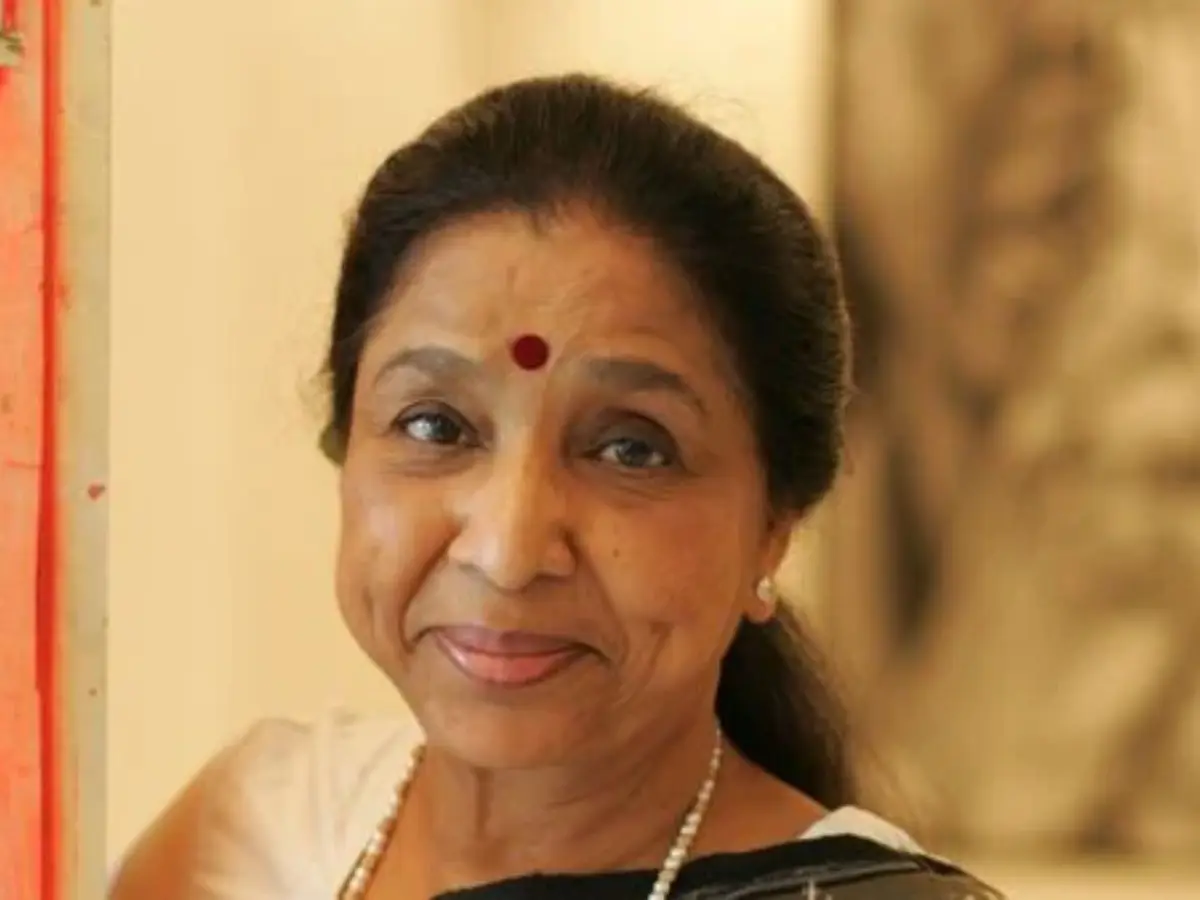
&imwidth=800&imheight=600&format=webp&quality=medium "Beyond the fame: Asha Bhosle quietly grieved the loss of her two children, Hemant and Varsha")
Asha Bhosle spread joy and love with her music and charm. Her life in music brought her fame that transcended borders. However, the singer battled deep personal losses in her life, away from the limelight.
Bhosle, who had eloped at the age of 16 with a much older Ganpatrao Bhosle, had three children. She walked out of her marriage when she was 27, with two young children and one on the way. For the greater part of her life, Asha Bhosle was a single mother, who worked hard to provide for her family.
More about Asha Bhosle's children
Asha Bhosle had three children-Hemant, Varsha, and Anand. Her eldest son Hemant Bhosle was a music composer and composed songs for films such as Dharam Shatru, Sansani: The Sensation, and Rchildren: Hemantaja Jogi. He is also known for the famous Kishore Kumar-Asha Bhosle duet ‘Aji Kaho Kya Haal Hai’ from Anpadh. Hemant’s son Chintu Bhosle is now a singer and composer and also part of India’s first boy band Band Of Boys.
Asha Bhosle’s daughter Varsha Bhosle was a firebrand columnist known for her work in Reddit and other publications. Her youngest son, Anand Bhosle took charge of managing his mother's professional commitments.
Asha Bhosle’s personal losses
Trending Stories
&imwidth=180&imheight=135&format=webp&quality=medium)
ENG vs SL: Harry Brook breaks Shubman Gill’s record for fastest ODI double century
&imwidth=180&imheight=135&format=webp&quality=medium)
450 villagers in UP rush to take anti-rabies shots after consuming 'charnamrit'
&imwidth=180&imheight=135&format=webp&quality=medium)
'This is humiliation': Vijay Deverakonda under fire over controversial marriage proposal remark on Koffee With Karan 9
&imwidth=180&imheight=135&format=webp&quality=medium)
India-China face-off continues near Arunachal’s Taksing, reveals ITBP chief in first official confirmation of tensions
&imwidth=180&imheight=135&format=webp&quality=medium)
India’s 2022 CWG silver medallist Sabbhineni Meghana announces international retirement
&imwidth=180&imheight=135&format=webp&quality=medium)
Ilhan Omar breaks silence over alleged marriage to her brother; Trump thinks it's 'really good answer'
&imwidth=180&imheight=135&format=webp&quality=medium)
IND-W vs ZIM-W, 1st ODI: Rawal, Charani star in India’s nine-wicket win over Zimbabwe
&imwidth=180&imheight=135&format=webp&quality=medium)
Two BrahMos missiles on Tejas, triple the range and 100% indigenisation, says former BrahMos CEO
&imwidth=180&imheight=135&format=webp&quality=medium)
Finance influencer dies by suicide in Chennai; father accuses tech CEO, who denies charge
&imwidth=180&imheight=135&format=webp&quality=medium)
'Vivek should keep it up': Trump defends Ramaswamy's controversial campaign ad targeting Amy Acton
&imwidth=180&imheight=135&format=webp&quality=medium)
Watch: India rejects ‘imprecise and unsupported’ references in UN migrant rights report
&imwidth=180&imheight=135&format=webp&quality=medium)
China's dancing robot turns violent bodyguard, lifts cars and fights intruders - Watch
&imwidth=180&imheight=135&format=webp&quality=medium)
Did Neha Bora call for Bangladesh-like GenZ protest, 'anarchy' in India? WION Fact-checks viral claim
&imwidth=180&imheight=135&format=webp&quality=medium)
WATCH: Trump demands Ilhan Omar removal from Congress for 'using fake name to be sworn in'. So what is her real name?
&imwidth=180&imheight=135&format=webp&quality=medium)
First Lady Melania Trump secures ceasefire between Russia, Ukraine in Oleshky: White House
&imwidth=180&imheight=135&format=webp&quality=medium)
Trump ordered to answer questions under oath in BBC defamation lawsuit by December 11
&imwidth=180&imheight=135&format=webp&quality=medium)
GRAVITAS | Putin fires nuclear-capable hypersonic missiles, Zelensky ready to surrender 25% territory
&imwidth=180&imheight=135&format=webp&quality=medium)
'It's a crime not to see this scene': Tehran puts Trump 'behind bars'
&imwidth=180&imheight=135&format=webp&quality=medium)
US midterms 2026: Elon Musk’s political spending hits $445 million as Republicans battle to retain Senate control
&imwidth=180&imheight=135&format=webp&quality=medium)
US to get 850 F-35 stealth fighter jets under 10-year Pentagon-Lockheed deal
&imwidth=180&imheight=135&format=webp&quality=medium)
Shikhar Mohan earns maiden India A call-up, replaces KL Rahul
&imwidth=180&imheight=135&format=webp&quality=medium)
US midterms 2026: US Supreme Court allows New Hampshire to restrict student IDs for voting
&imwidth=180&imheight=135&format=webp&quality=medium)
Meghan Markle’s father Thomas under investigation over alleged child abuse images: Report
&imwidth=180&imheight=135&format=webp&quality=medium)
Christa Pike's failed execution: Tennessee team struggled to insert IV lines, lawyer says
&imwidth=180&imheight=135&format=webp&quality=medium)
SA vs AUS 2nd Test: Temba Bavuma reveals 'Tendulkar inspiration' behind career-best 179
&imwidth=180&imheight=135&format=webp&quality=medium)
Putin says Russia is ready to resume Ukraine-US peace talks but rejects 'short ceasefire' amid deadly attacks
&imwidth=180&imheight=135&format=webp&quality=medium)
Netanyahu dials PM Modi, invites him and Capt Smit Machchhar to light torch on Israel’s Independence Day
&imwidth=180&imheight=135&format=webp&quality=medium)
BCCI’s CoE cautious over Hardik Pandya’s fitness, sets expected comeback timeline
&im=FitAndFill=(700,400)&imwidth=180&imheight=135&format=webp&quality=medium)
New Friday OTT releases (October 23, 2026): Gajab Raat, Dorothy, Chaar Yaar- Watch these 6 new movies and TV shows on Netflix, Prime Video and more
&imwidth=180&imheight=135&format=webp&quality=medium)
Horrific video shows the moment 18-year-old fell to her death from Mexico amusement park ride
&imwidth=180&imheight=135&format=webp&quality=medium)
AI slop or smart strategy? South African author Coral Hart defends Her 370 AI- assisted books in 20 months
&im=FitAndFill=(700,400)&imwidth=180&imheight=135&format=webp&quality=medium)
Serbia elections: Nearly 150,000 people take to streets in massive rally against Aleksandar Vucic | In pics
&imwidth=180&imheight=135&format=webp&quality=medium)
Pakistan airline PIA unveils new crew uniforms, faces online criticism
&imwidth=180&imheight=135&format=webp&quality=medium)
One man, 8 months of work, and a river dirty again: Why Bittu Tabahi may quit
&imwidth=180&imheight=135&format=webp&quality=medium)
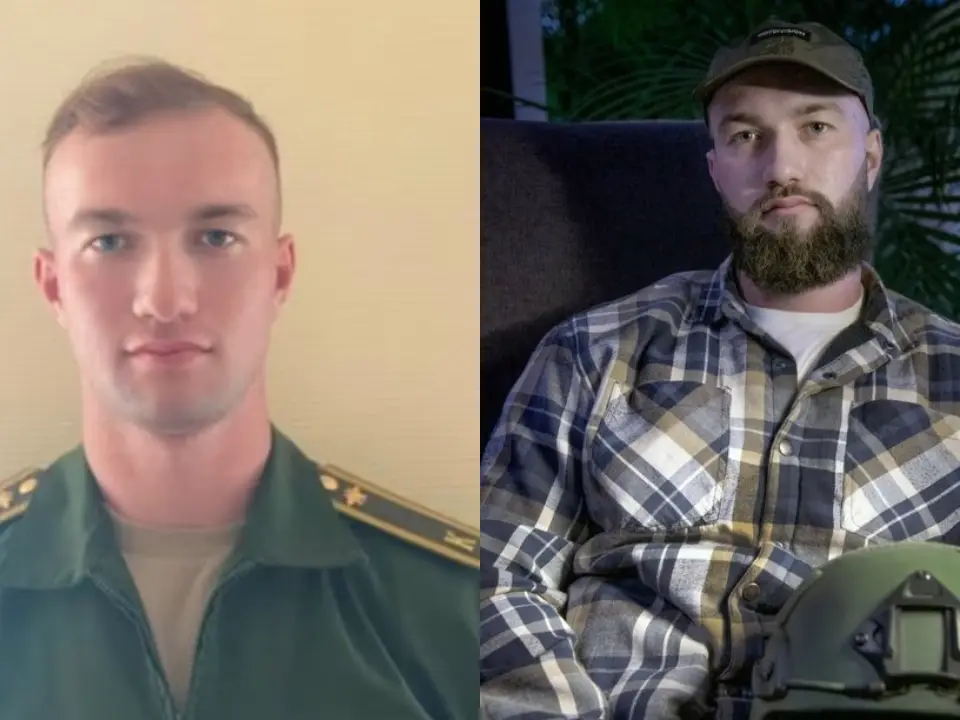
A secret code, a midnight escape and 300 deaths: The Russian officer who turned on Putin
While fame and recognition came with success, Asha Bhosle endured the pain of losing two of her children. Varsha died by suicide in 2012 at the age of 56.
A few years later, in 2015, Hemant died after battling cancer.
The two tragedies completely shook Bhosle. She had already dealt with domestic abuse early in her life after she had married Ganpatrao Bhosle.
Varsha’s death had left Asha Bhosle devastated
Vasha Bhosle was a well-known columnist. In 2012, when she died by suicide, her mother, Asha Bhosle, was in Singapore.
Recalling the moment she learnt about the tragedy, Asha had told Mumbai Mirror, “I was in Singapore when it happened. They wanted to keep me in the dark about it. But my son Anand thought it was better if I knew. When I was told, I just fell to the ground. I wanted to return by the first available flight. Didi (Lata Mangeshkar) has taken this very badly. She just can’t stop crying. I wish she hadn’t been told about it. Didi is mostly in her room, so she needn’t have known. But when it happened, the place was swarming with activity. So it couldn’t have been avoided.”
How her brother Hridyanath Mangeshkar helped her cope with the loss
In 2013, while promoting Mai, a film in which she made her acting debut, Asha Bhosle opened up about how she coped with the loss.
She said, “My daughter, whatever she had to do, she did. She chose her own path. She chose it, but she didn’t realise what would happen to those she left behind—especially her mother. But there are some things we can never undo.”
She described how that loss completely shattered her and it was her brother, music composer Hridaynath Mangeshkar, who gently guided her back towards music.
“It was my brother who brought me back. I was completely shattered. From that night on, I stopped meeting people, stopped talking, didn’t even pick up calls—nothing mattered anymore.”
“My brother came and placed the tanpura in my hands. He told me to start singing. He is younger than me, but he is like a guru to me. He said, ‘Remember Pandit Dinanath Mangeshkar. Begin with ‘Sa’, begin with ‘Om’. I started singing. After about five minutes, slowly, something began to open within me—as if a path was clearing. After that, I could hear nothing except ‘Sa’. My voice, my note—was it in tune or not, how long it was sustaining, which raga I was moving into, what I should sing next. Once I entered that space, nothing else in the world existed before me. Nothing. There was only music.”
Her brother then gave her a perspective that stayed with her for life. He said that they were a ‘curse’ of the God.
“He told me, ‘We are like Gandharvas in the court of God. Sometimes, God curses them and sends them to earth. They become great artists, they sing beautifully—but they are never truly happy. They are cursed. Your duty is to carry what has been given to you. From the age of six or eight, you have been learning music, and even today you are singing. You are one of those cursed Gandharvas. So you will have to endure sorrow. That sorrow will never fully go away.’”
“‘But there is one way to move through it—sing. Keep singing. The pain will remain, you will not forget it, but you will find a way to hold yourself together.’”
“Then he said something that stayed with me: ‘Happiness is meant to be shared with the world, but sorrow is meant to be kept within. Hold it inside your heart. Never speak of it openly. Because no one cries with someone who is always crying—people laugh with those who laugh. Who will mourn every day for someone who dies every day inside? So never display your sorrow.’”
Bhosle said, the words stuck with her and became a guiding force for her. “His words stayed with me deeply, as if he had given me a mantra. Since then, whenever I get time, I practice singing.”
In later years, she faced another loss as her firstborn, Hemant Bhosle, died of cancer in 2015. But the veteran singer continued with her music and travelled to perform at concerts.
On Monday, Asha Bhosle’s youngest son, Anand Bhosle, performed her last rites and members of her family and peers from the industry bid an emotional farewell to the legend.

