All about 'makhana' a.k.a fox nuts; a humble superfood from Bihar for your healthy snacking

&imwidth=600&imheight=450&format=webp&quality=medium "All about 'makhana' a.k.a fox nuts; a humble superfood from Bihar for your healthy snacking")
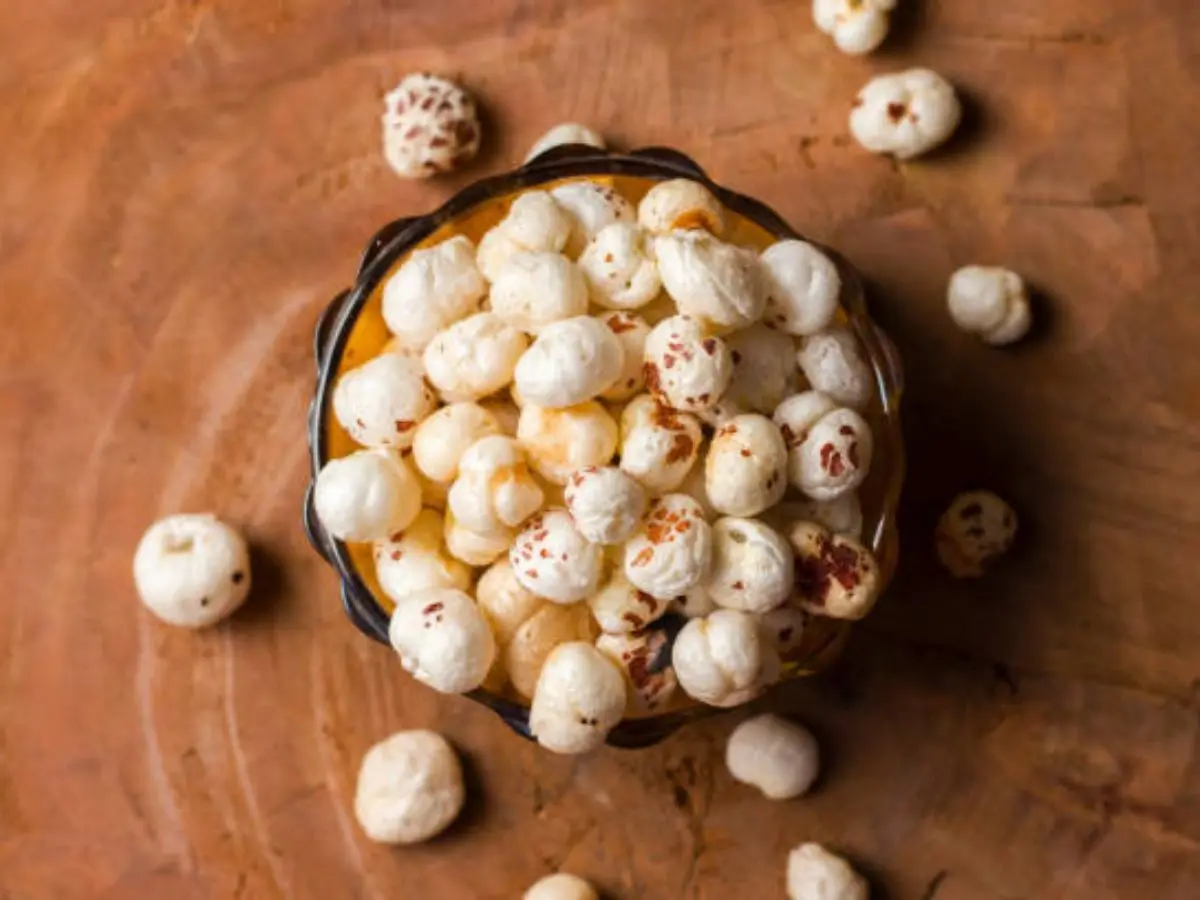
Makhana Photograph: (Freepik)
From its humble beginnings in Bihar to supermarkets in different parts of the world, makhana has made its space everywhere. Known for its low calories, ‘black diamond’ is very popular among health-conscious consumers, particularly those following vegan, gluten-free or weight-loss diets.
When it comes to Indian snacks, makhana is the favourite pick among health-conscious people. Also known as fox nuts, lotus seeds or gorgon nuts, these white pearls have become a popular superfood across the globe. Light, crunchy and packed with nutrients, it is ideal to include in your everyday meals. Though it was once a humble food grown and consumed locally in Bihar, it is today exported across continents and enjoyed as a guilt-free snack and an ingredient for both sweet and savoury dishes.
What are makhana a.k.a foxnuts?
Scientifically called Euryale ferox Salisb, makhana is a seed that belongs to the water lily family (Nymphaeaceae). It naturally grows in stagnant water bodies like ponds, lakes, swamps and marshy wetlands and thrives particularly well in tropical and subtropical climates. Unlike cereals, it is an aquatic crop and is harvested carefully from water plants before being processed into edible puffs.
Origin and popularity of makhana
The story of makhana cultivation began in Madhubani (Bihar), where farmers developed traditional methods of harvesting and popping these seeds. Over time, Bihar became the epicenter of global production, now contributing nearly 90 percent of the world’s supply.
Trending Stories
&imwidth=280&imheight=210&format=webp&quality=medium)
&imwidth=280&imheight=210&format=webp&quality=medium)
&imwidth=280&imheight=210&format=webp&quality=medium)
&im=FitAndFill=(700,400)&imwidth=280&imheight=210&format=webp&quality=medium)
&imwidth=280&imheight=210&format=webp&quality=medium)
&imwidth=280&imheight=210&format=webp&quality=medium)
&imwidth=280&imheight=210&format=webp&quality=medium)
&imwidth=280&imheight=210&format=webp&quality=medium)
&imwidth=280&imheight=210&format=webp&quality=medium)
&imwidth=280&imheight=210&format=webp&quality=medium)
&imwidth=280&imheight=210&format=webp&quality=medium)
&imwidth=280&imheight=210&format=webp&quality=medium)
&imwidth=280&imheight=210&format=webp&quality=medium)
&imwidth=280&imheight=210&format=webp&quality=medium)
&imwidth=280&imheight=210&format=webp&quality=medium)
&imwidth=280&imheight=210&format=webp&quality=medium)
&imwidth=280&imheight=210&format=webp&quality=medium)
&imwidth=280&imheight=210&format=webp&quality=medium)
&imwidth=280&imheight=210&format=webp&quality=medium)
&imwidth=280&imheight=210&format=webp&quality=medium)
&imwidth=280&imheight=210&format=webp&quality=medium)
&im=FitAndFill=(700,400)&imwidth=280&imheight=210&format=webp&quality=medium)
&imwidth=280&imheight=210&format=webp&quality=medium)
&imwidth=280&imheight=210&format=webp&quality=medium)
&imwidth=280&imheight=210&format=webp&quality=medium)
&imwidth=280&imheight=210&format=webp&quality=medium)
&imwidth=280&imheight=210&format=webp&quality=medium)
&imwidth=280&imheight=210&format=webp&quality=medium)
&imwidth=280&imheight=210&format=webp&quality=medium)
&imwidth=280&imheight=210&format=webp&quality=medium)
&imwidth=280&imheight=210&format=webp&quality=medium)
&imwidth=280&imheight=210&format=webp&quality=medium)
&imwidth=280&imheight=210&format=webp&quality=medium)
&imwidth=280&imheight=210&format=webp&quality=medium)
&im=FitAndFill=(700,400)&imwidth=280&imheight=210&format=webp&quality=medium)
However, this native snack from South-East Asia and China, has spread widely to countries like Japan, Korea, Nepal and Russia and has now gained international popularity. Due to its potential to improve farmers’ income, the Indian government has also promoted makhana cultivation, giving it the name “black diamond.”
Nutrients in makhana
The nutritional profile of makhana makes it stand out as a true superfood. It has a low glycemic index, which means it releases sugar slowly into the bloodstream, making it safe for diabetics. Being low in calories but rich in protein and fiber, it helps regulate appetite and supports weight management. Makhana is also a powerhouse of minerals like potassium, magnesium, calcium, phosphorus, and iron, while being almost negligible in sodium. It is further enriched with antioxidants such as flavonoids, which improves overall immunity.
Benefits of makhana
Regular consumption of makhana supports digestion, prevents constipation and keeps the gut healthy due to its high fiber content. The antioxidants present in this snack help reduce inflammation, promote healthy skin and slows signs of ageing. Its magnesium and potassium content regulate blood pressure and improve cardiovascular health, while calcium strengthens bones and teeth.
Ways to consume makhana
One of the reasons makhana has gained global recognition is its versatility in cooking. The simplest way to enjoy it is to dry roast the seeds and season them with spices like black pepper, sea salt or turmeric. In Indian households, desserts like makhana kheer made with milk and cardamom are popular festive treats. Beyond that savoury snacks such as makhana bhel, makhana chaat or makhana aloo tikki are enjoyed with evening tea. You can also add it to curries and kadhi for a healthy twist in your meals.
In recent years, makhana is not just limited to traditional kitchens as it has entered the global snack market. Many flavoured variants like caramel, peri-peri, chocolate and cheese-coated makhana have replaced popcorn and other fried snacks.

