Anoushka Shankar on Indian Classical music: At its heart, it has a spiritual connection


Anoushka Shankar
AnoushkaShankarhas recently unveiled the first chapter of her mini album titled 'Forever, For Now.' Additionally, she is set to embark on a tour in India, complemented by her upcoming engagement at Lollapalooza.
Shankarboasts of many accomplishments. All the while being a sitarist,Shankarhas been the youngest and first female recipient of a British House of Commons Shield; the first Indian musician to perform live and to serve as a presenter at the Grammy Awards, and now has nine nominations under her belt.
A lot of this discipline comes from her family. TheShankarhouse was seldom a silent place. Musicians were a permanent presence. In this talk with WION, whereShankarjoined us from England via a Zoom call, the sitarist talked about how her father, Late Pandit RaviShankarinfluenced her.

Let's talk about your album. 'Forever. For Now'. The inspiration behind it.
I mean I make albums, that's what I do. I was excited to try a new format and create a series of mini albums this time and release over the year.
&imwidth=180&imheight=135&format=webp&quality=medium)
Brendan Taylor overtakes Andy Flower to become Zimbabwe’s leading ODI run-scorer
&imwidth=180&imheight=135&format=webp&quality=medium)
Pakistan to head IMF, World Bank boards after 74 years amid persistent economic crisis
&imwidth=180&imheight=135&format=webp&quality=medium)
"The scariest thing was"... flydubai Captain Smit Machchhar recalls cockpit fight and how he thought of his son and daughter
&imwidth=180&imheight=135&format=webp&quality=medium)
'We are not sitting in ivory towers, we are aware': SC issues notice to Rahul Gandhi, Akhilesh Yadav
&imwidth=180&imheight=135&format=webp&quality=medium)
6-year-old among 2 killed as vehicle crashes into youth soccer game in US
&imwidth=180&imheight=135&format=webp&quality=medium)
‘I have very severe problems’: Trump fuels health speculation during address to firefighters
&imwidth=180&imheight=135&format=webp&quality=medium)
Lizard people? Ex-US Army sniper claims soldier killed by 'reptilian beings' in battle near Area 51
&imwidth=180&imheight=135&format=webp&quality=medium)
Ankita Bhandari murder case: Parents meet CBI, seek impartial investigation
&imwidth=180&imheight=135&format=webp&quality=medium)
Bangladesh resort fire kills 10 tourists, including a 5-year-old child
&imwidth=180&imheight=135&format=webp&quality=medium)
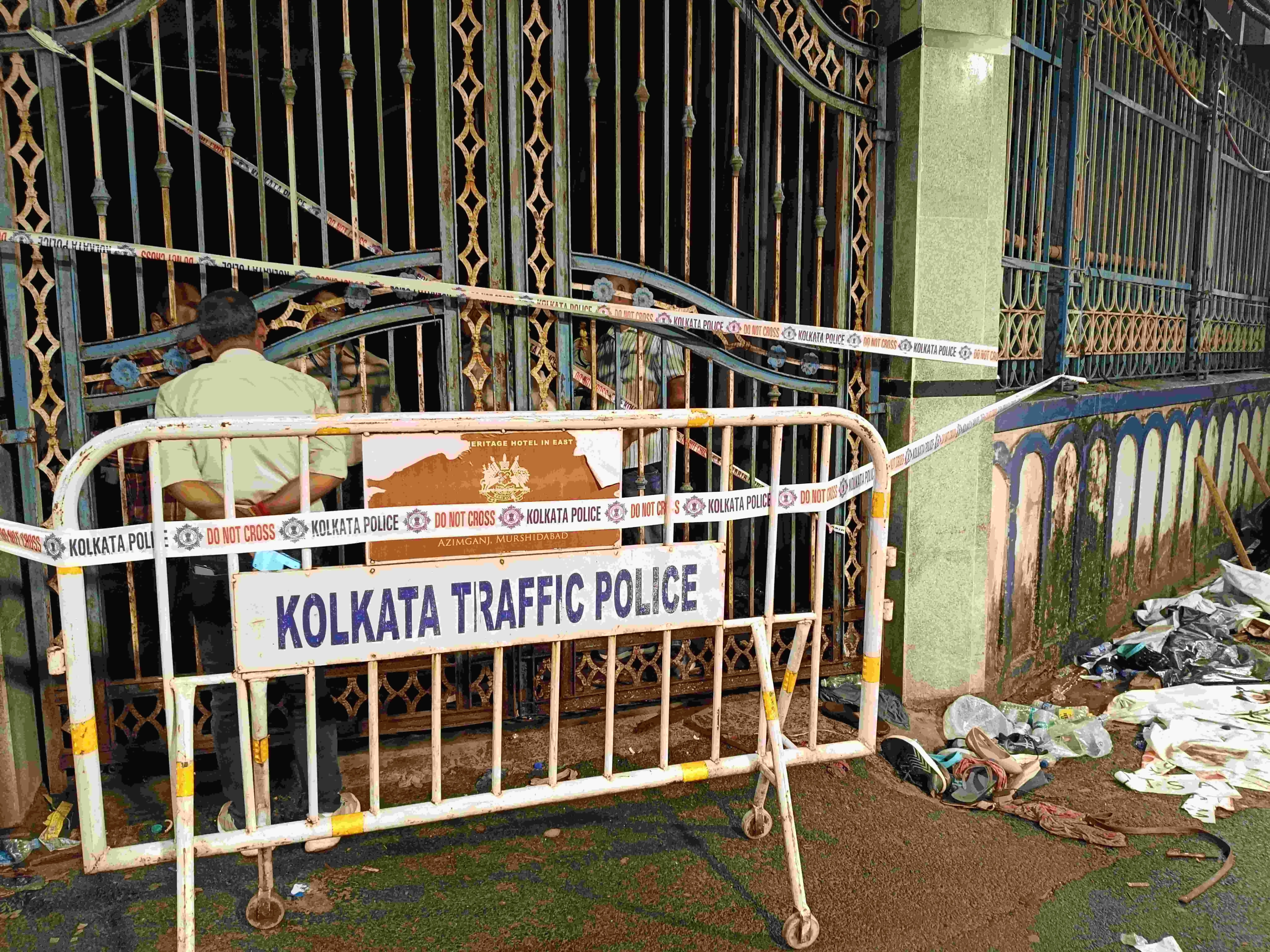
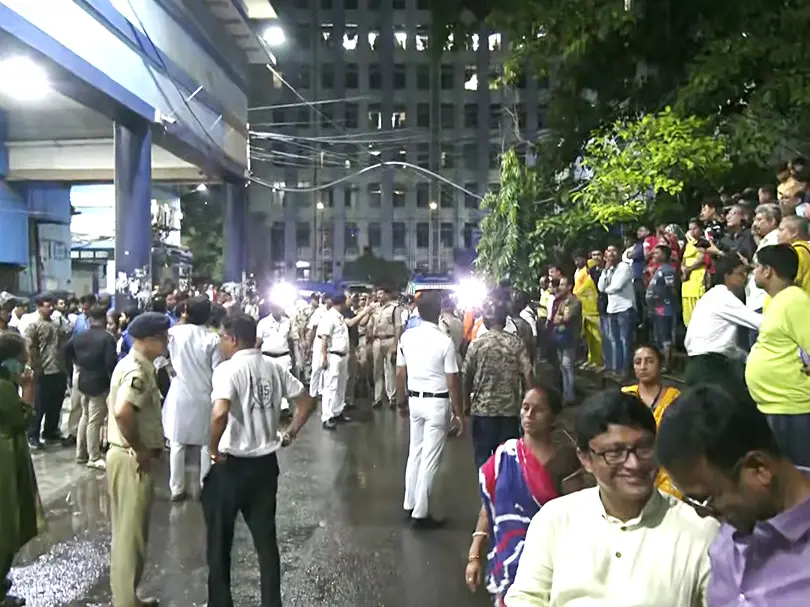
At least 19 killed in stampede-like situation after part of Kolkata Durga Puja pandal collapses
&imwidth=180&imheight=135&format=webp&quality=medium)
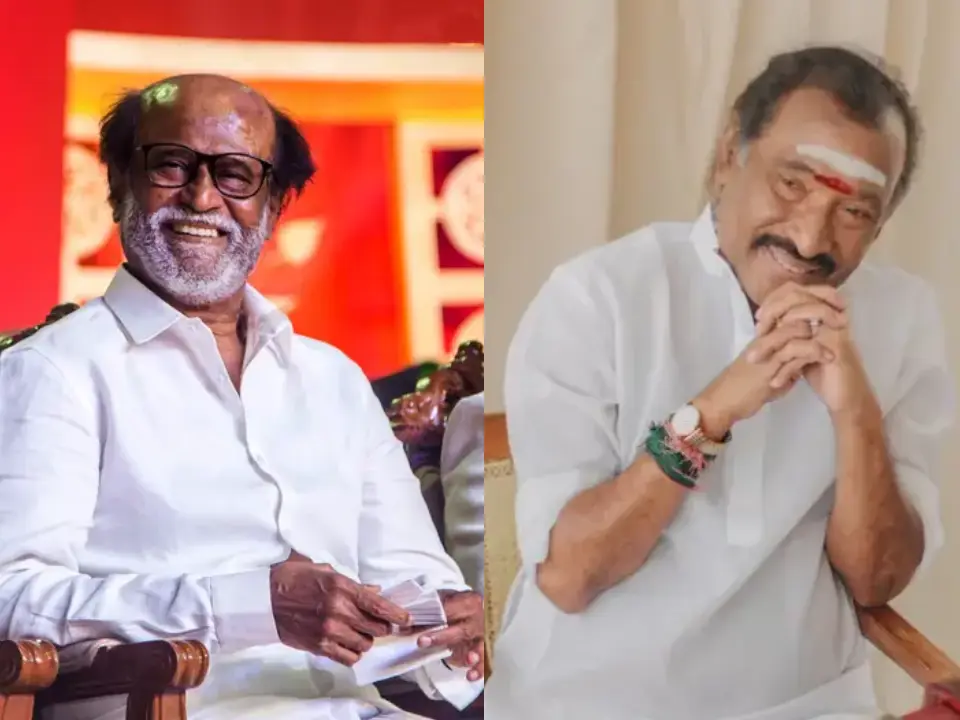
Rajinikanth remembers late composer Deva, recalls his kindness and musical legacy
&imwidth=180&imheight=135&format=webp&quality=medium)
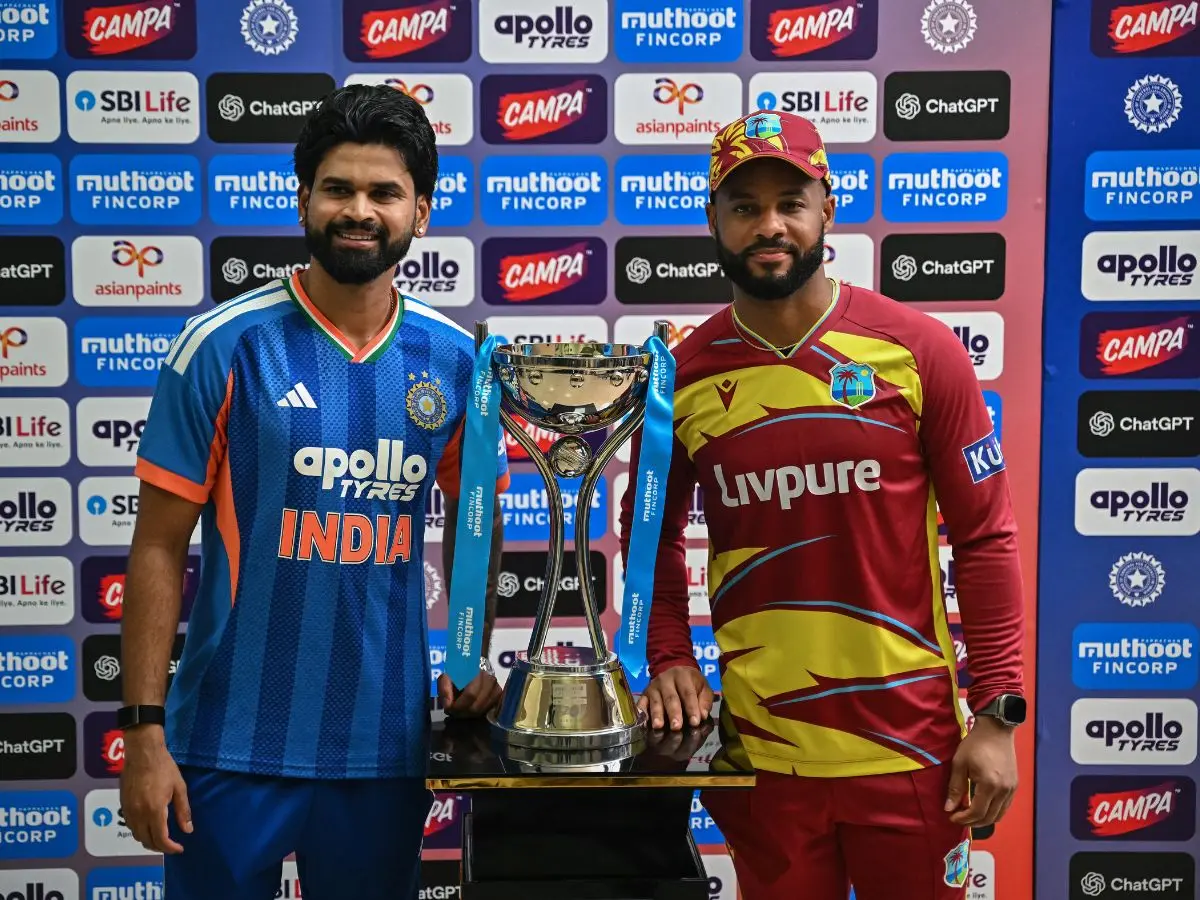
Rain washes out 5th T20I as India-West Indies share honours 2-2
&imwidth=180&imheight=135&format=webp&quality=medium)
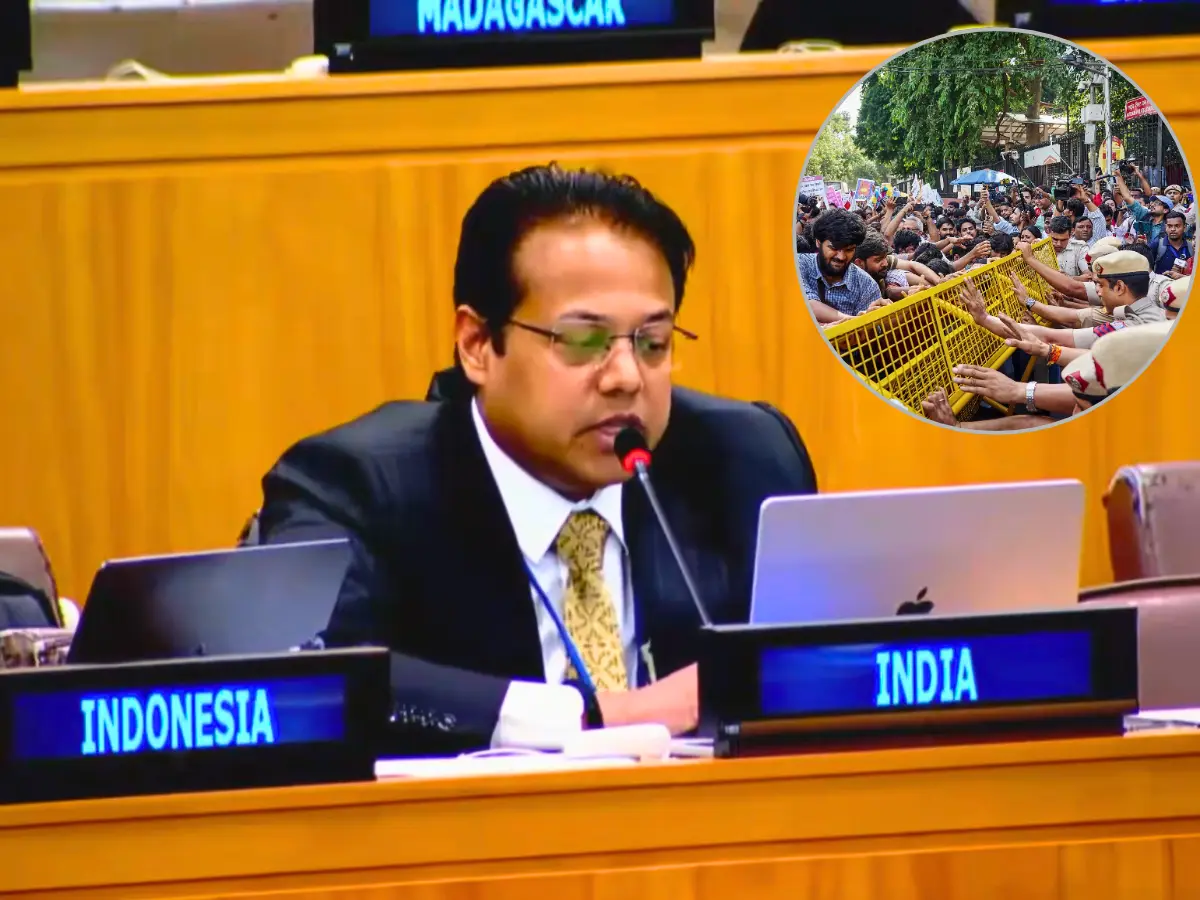
'Reason UN has lost credibility': Amid SIR protests India hits out at report alleging 'youth repression'
&imwidth=180&imheight=135&format=webp&quality=medium)
Pope Leo XIV discharged from hospital in Rome after cancer surgery
&imwidth=180&imheight=135&format=webp&quality=medium)
‘My president, I mean my husband’: Trump's new press secretary Katie Zacharia's first briefing goes off the rails in 14 minutes
&imwidth=180&imheight=135&format=webp&quality=medium)
China responds to Trump's Press Secretary Katie Zacharia after toilet remark: 'Visit China more often'
&imwidth=180&imheight=135&format=webp&quality=medium)
UAE agrees with Saudi Arabia to rejoin Yemen fight as Houthi strikes rattle Riyadh
&imwidth=180&imheight=135&format=webp&quality=medium)
'Let’s go to France, no riots, no revolutions': Trump mocks France protests, Vance blames it on immigration
&imwidth=180&imheight=135&format=webp&quality=medium)
SA vs AUS 2nd Test: Rain delays start as Rabada returns; Boland replaces Lyon for Australia
&imwidth=180&imheight=135&format=webp&quality=medium)
At least 400 arrested as protests turn violent in France; PM blames far left
&imwidth=180&imheight=135&format=webp&quality=medium)
Explosion and fire at military base in Canada's Alberta, casualties feared
&imwidth=180&imheight=135&format=webp&quality=medium)
WATCH | iPhones, luxury perfumes floating in Hormuz? Iranian fishermen make bizarre discovery
&imwidth=180&imheight=135&format=webp&quality=medium)
Two students die, 14 injured at Dandiya event in Hyderabad: Know what happened? VIDEO
&imwidth=180&imheight=135&format=webp&quality=medium)
'keep telling him you will get your opportunities': Iyer opens up on conversations with Sooryavanshi
&imwidth=180&imheight=135&format=webp&quality=medium)
WATCH | Zelensky gives cheeky response when asked if Trump is making him a scapegoat ahead of US midterms
&imwidth=180&imheight=135&format=webp&quality=medium)
No Ravindra Jadeja, Yashasvi Jaiswal in India’s 2027 ODI World Cup plans: Report
&imwidth=180&imheight=135&format=webp&quality=medium)
Kolkata Durga Puja stampede: PM Modi announces Rs 2 lakh ex-gratia for kin of dead, Amit Shah to visit injured
&imwidth=180&imheight=135&format=webp&quality=medium)
Taylor Swift performs at star-studded Academy Museum Gala 2026 in stunning Dior ensemble
&imwidth=180&imheight=135&format=webp&quality=medium)
Anirudh Ravichander-Kavya Maran wedding: Telangana CM reveals Chennai reception date
&im=FitAndFill=(700,400)&imwidth=180&imheight=135&format=webp&quality=medium)
Inside Tesla's Roadster: 10 features of Elon Musk's 'flying car' that push the limits of electric vehicles | In Pics
&imwidth=180&imheight=135&format=webp&quality=medium)
Ranbir Kapoor visits North Bombay Durga Puja pandal, offers prayers
&imwidth=180&imheight=135&format=webp&quality=medium)
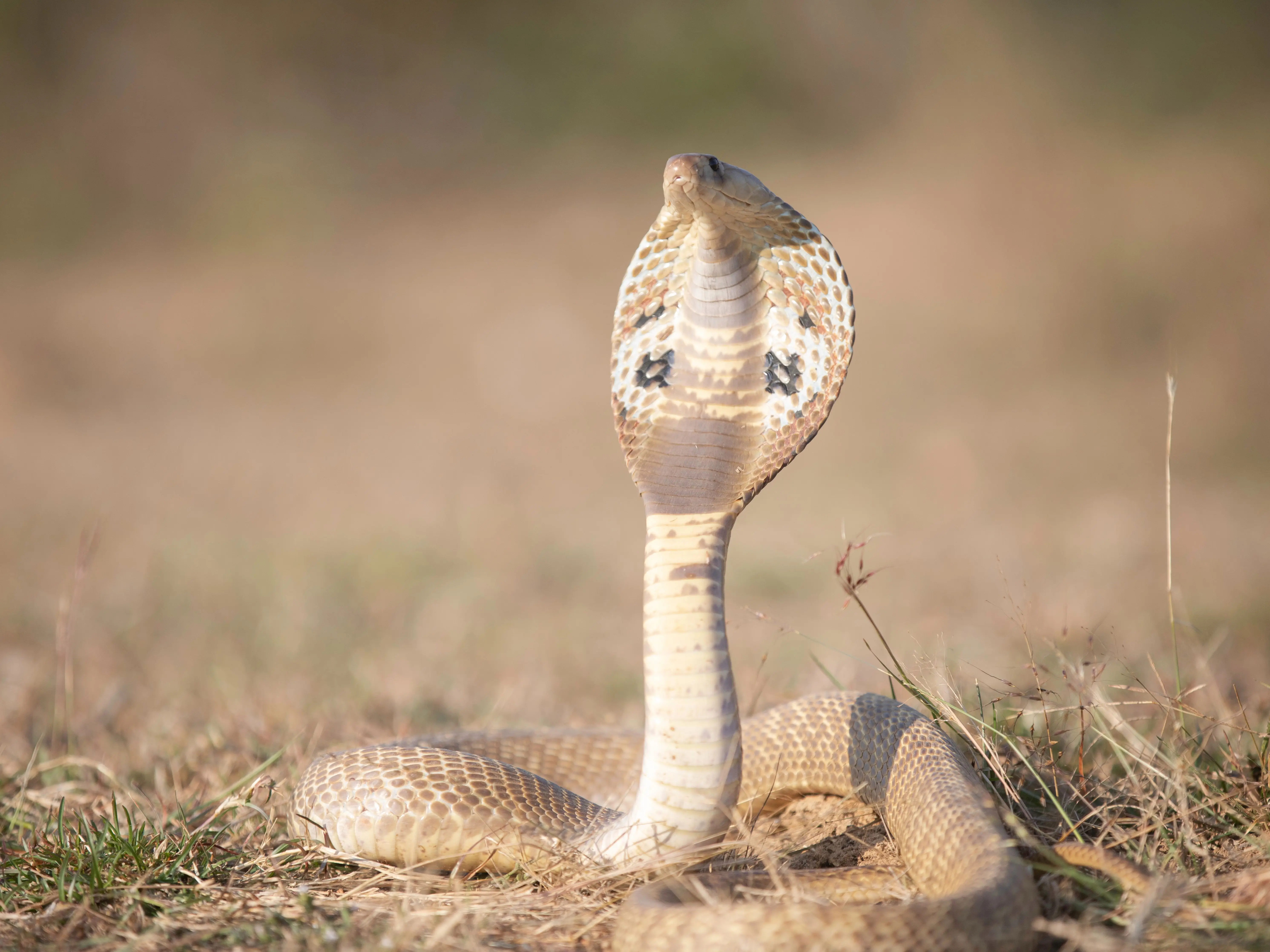
One species, two lineages: Why Sri Lanka’s spectacled cobra differs genetically from Indian variant
&imwidth=180&imheight=135&format=webp&quality=medium)
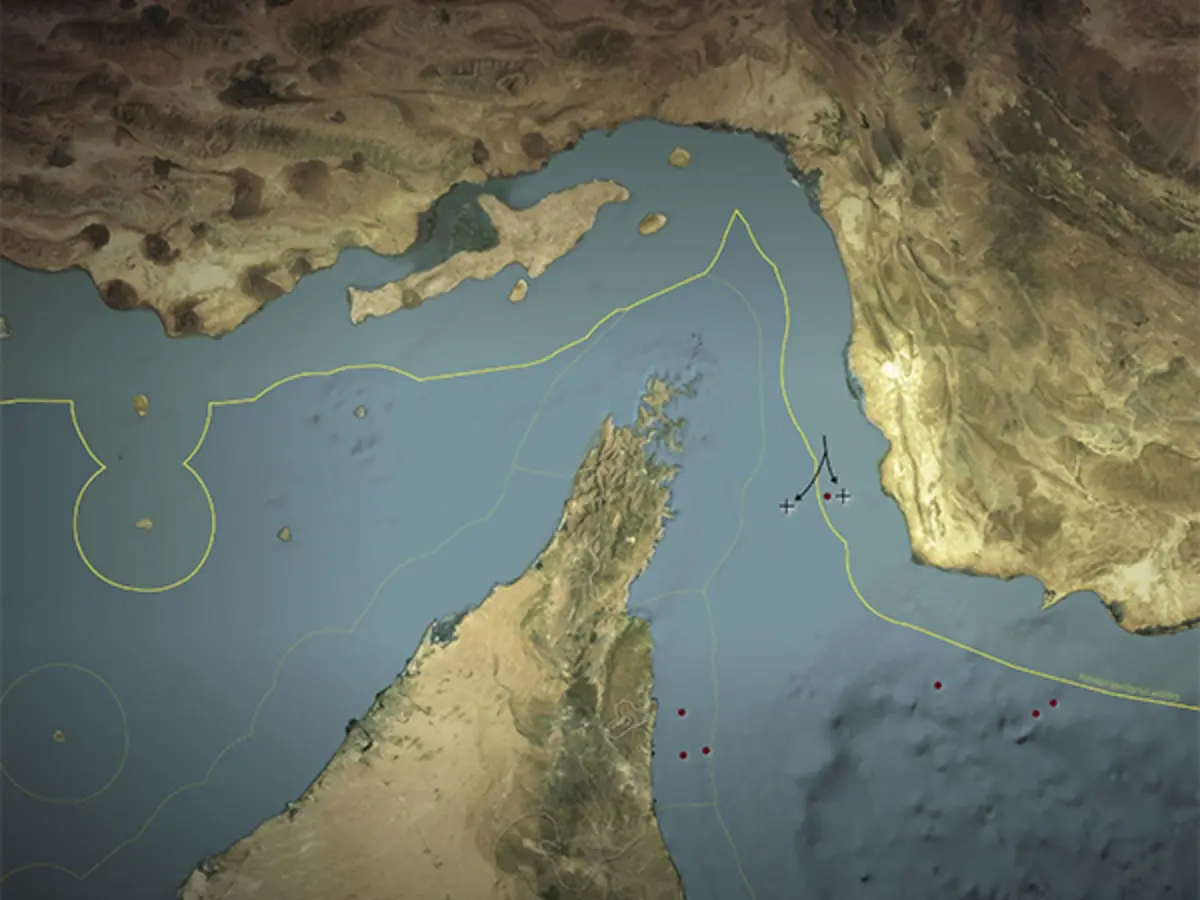
Oil tanker carrying over 2M barrels of crude hits mine in Strait of Hormuz, catches fire, says Iran
&imwidth=180&imheight=135&format=webp&quality=medium)
2 injured in plane crash on busy California highway
&imwidth=180&imheight=135&format=webp&quality=medium)
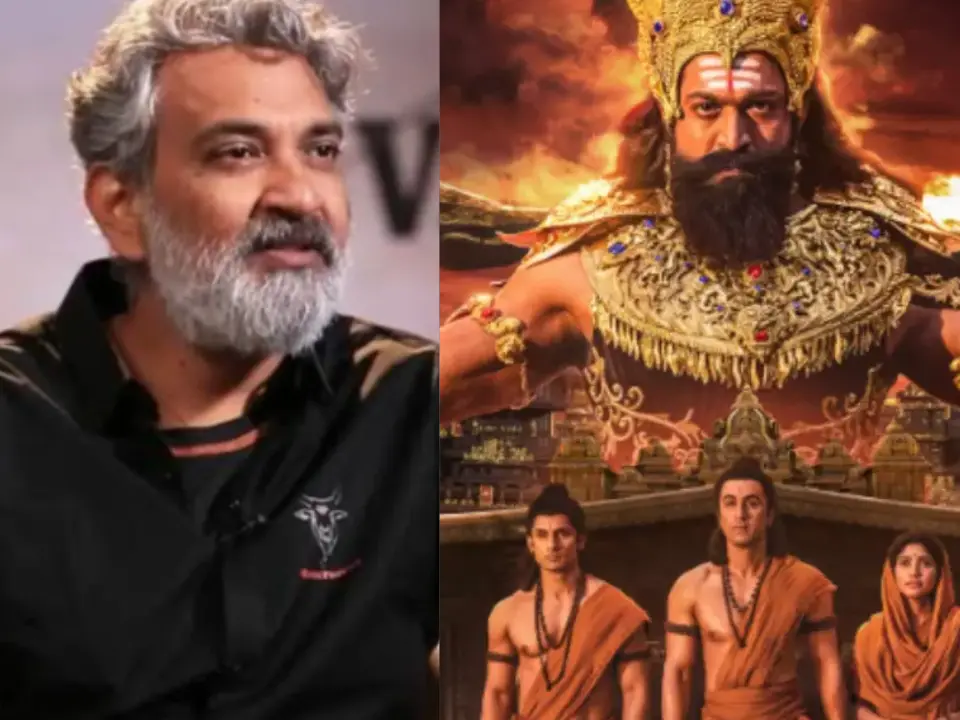
'It's a joy to see the makers bring it on such a grand scale': SS Rajamouli on Ramayana
&imwidth=180&imheight=135&format=webp&quality=medium)
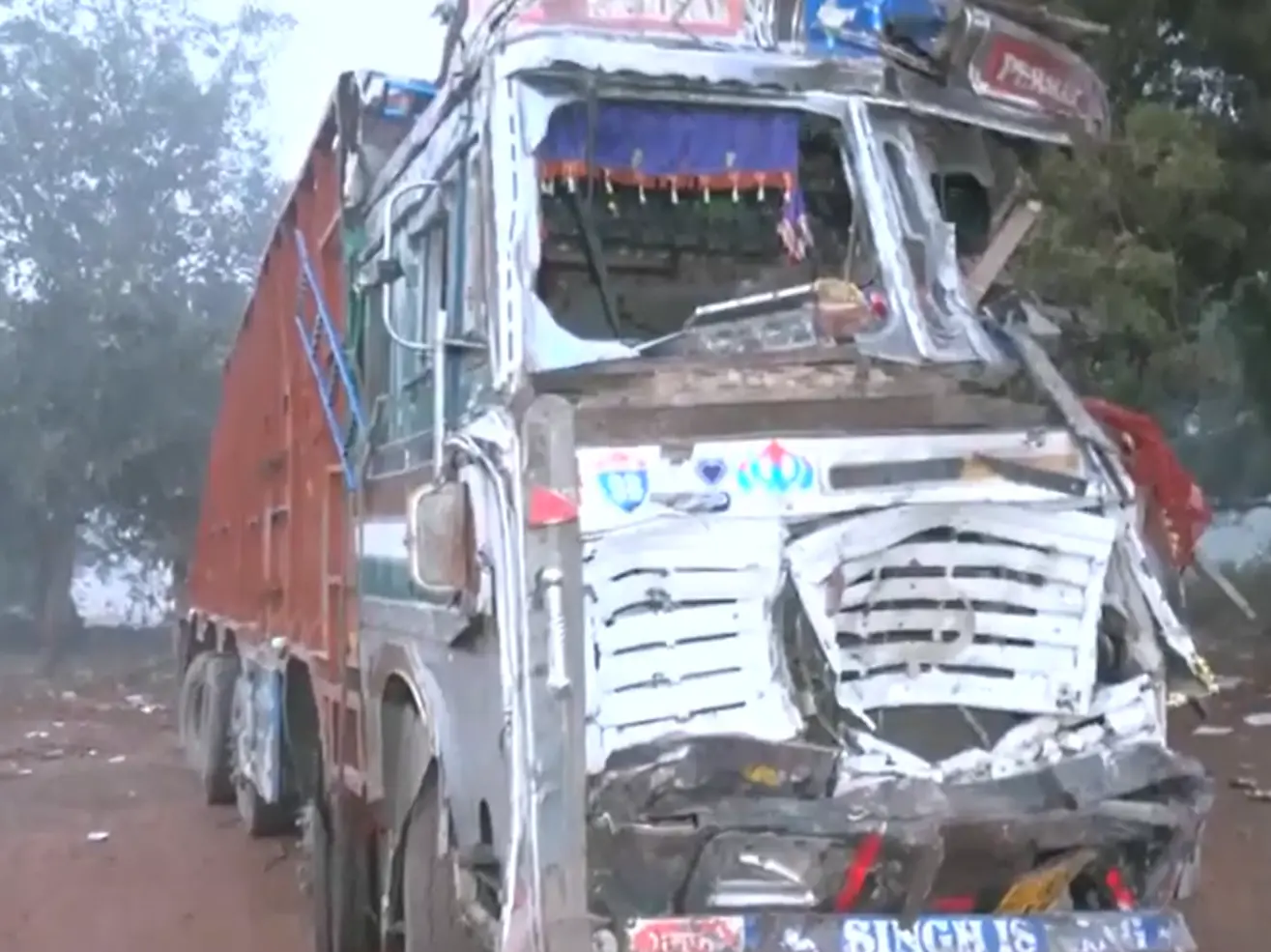
13 dead after truck mows down devotees, crashes into temple gate in Madhya Pradesh's Gwalior
&imwidth=180&imheight=135&format=webp&quality=medium)
IND-W vs ZIM-W, 2nd T20I: When and where to watch live streaming in India?
&imwidth=180&imheight=135&format=webp&quality=medium)
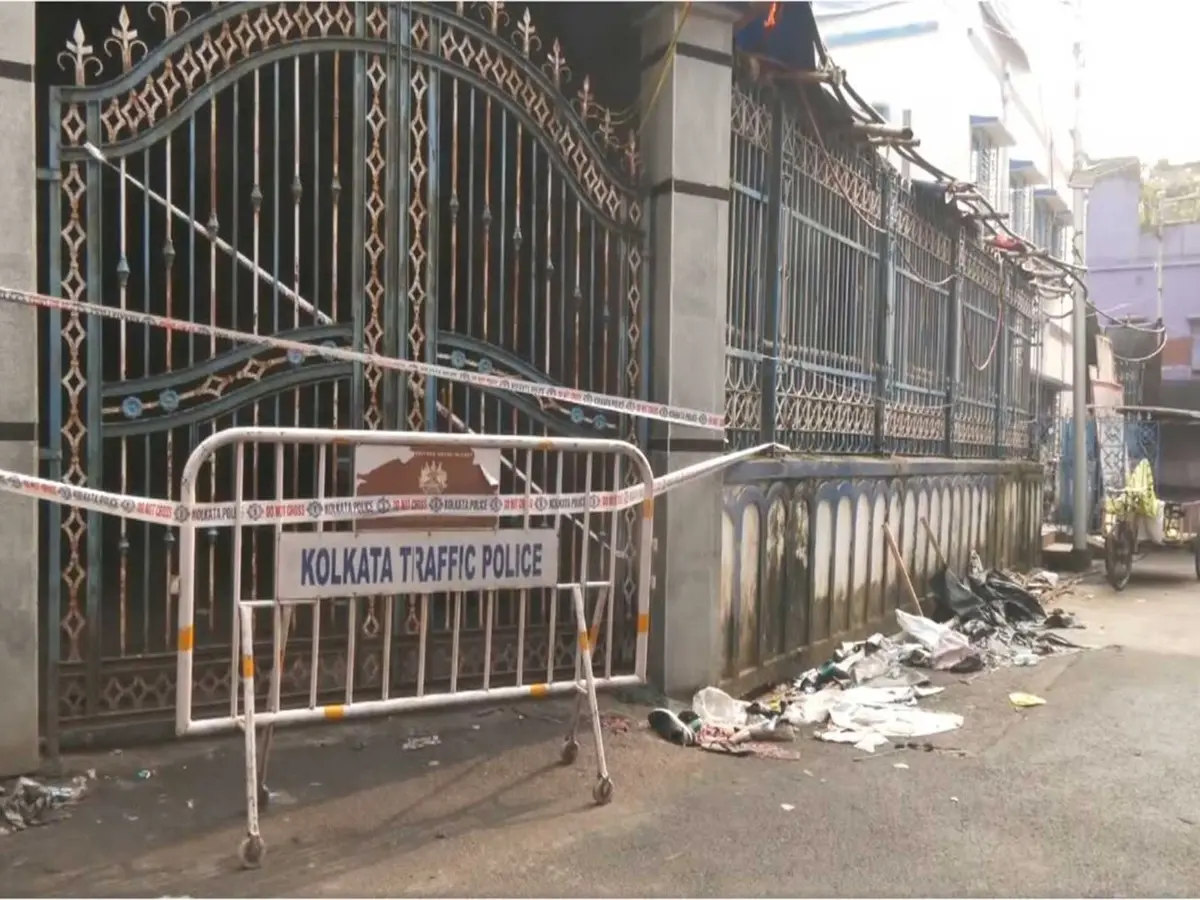
Kolkata puja pandal stampede: 7 arrested, section 163 restrictions imposed in north Kolkata
'Chapter 1: Forever Now', will always be the first of the series. It was very much inspired by trying to capture a feeling of fleeting moments of beauty and peace, even in times of difficulty and pain. I wanted to make music that helped people feel joy and peace.
Your father was a Grammy-winning Indian composer. Nearly all your relatives are dominating the field of music and art. Can you share what was the experience of growing up in theShankarfamily like?
I mean it was my only experience of growing up. For me, it was normal, even if in some ways it was unusual and extraordinary. It was very creative, there were a lot of artists always moving through, there was always music being played, and sometimes there would be dance rehearses. So I had a lot of exposure to art and culture that was formative in my life to make artistic work as well.
What's the kind of discipline is required to excel in Indian classical music?
What I do at this point is not exactly Indian Classical Music, but obviously, I spent decades learning it, they are the roots of everything that I do. It requires what any kind of classical form of music requires, which is a huge amount of dedication, practice and focus. To master your instrument, the vocal range, takes a lifetime of practice, focus and dedication. For a young person that can be quite difficult and will require a lot of commitment.
Can you talk about the power of Indian classical music and how it has influenced the world?
Indian classical music has incredible range, dynamism, excitement, and virtuosity. Most importantly, at its heart, it has that spiritual connection. There is a connection between the vibration and healing. The nuisance ragas can have a positive influence on a person. There's a reason why people across the globe, for generations keep coming back to Indian classical music, because there's something in it that's unique.
What kind of sounds, and vibrations attract you?
I mean I have always had a wide listening range. I love dark music, dance music, trans-trippy music, deep soulful music, and peaceful, slow music. I'm interested in honest soulful music that seems like it's coming from an artist's heart. I'm also interested in music that showcases virtuosity. I also think there is a place for fun, light-hearted music. I need the whole range as a human to reflect, the whole life and listening experience.
Have you ever suffered from writer's block or a creative block?
There have been times when I have felt that 'I should be writing, I should be writing', and nothing's coming. But my experience has been, that as soon as I put myself in the situation to write, whether that's putting myself in a room full of artists and musicians, or setting myself a deadline and making a commitment, then things tend to happen. It usually happens. As soon as I turn to that creative source, it is always there for me. It's just when I have disconnected I feel like I have writer's block.
I used to listen to the track 'Pather Panchali' on repeat mode. Those tracks brought out unspeakable emotions. How was your experience learning from Pandit RaviShankar?
It's one of the greatest soundtracks of all time. No question.
As you said, his style of playing was so unique, and revolutionary, that you can tell that it was distinctly his composition. Learning from him was very much a unique experience. My musical style has been shaped and moulded by his imprint. I got to learn so much from his ideas systematic approach, and raga knowledge. It was hugely influential. Like many of his other disciples, I had the real benefit of learning from him, performing with him, and expanding that learning on stage. That's an incredible part of classical music learning tradition, you get to learn to perform on stage. It's unique and beautiful.
You have experienced the time when music was heard from cassettes and CDs. From there to now this streaming era. Can you talk about your experience?
As you said, I started making music in the 90s. My first album was made on CDs and cassettes. Slowly they evolved into streaming platforms. I think that's been creatively freeing. I wouldn't have had an idea about these mini albums. We can release music, and singles however we want. When CDs were invented, people never thought of music in the 60-minute cycle before that was created. So that shaped the idea of what we think of as an album. Now that's changing too. I think it's exciting when technology keeps evolving on how art can be made.