

&imwidth=800&imheight=600&format=webp&quality=medium "From cost efficiency to value creation: Rethinking global growth strategy")
As businesses navigate an increasingly competitive global marketplace, industry experts are arguing that long-term success will depend on more than low-cost manufacturing or favourable trade agreements.
Instead, they say companies must focus on building confidence, capability and consistency to establish themselves as trusted global brands.
The idea was discussed at the Maharashtra MSME Summit & Awards 2026 in Navi Mumbai, where Advocate & CA Harsh Girish Patel, a global trade strategist, outlined what he described as the "Three Cs" framework for businesses looking to expand internationally. Speaking during a panel on export growth and free trade agreements (FTAs), Patel said companies should move beyond competing solely on price and instead invest in quality, expertise and long-term value creation.
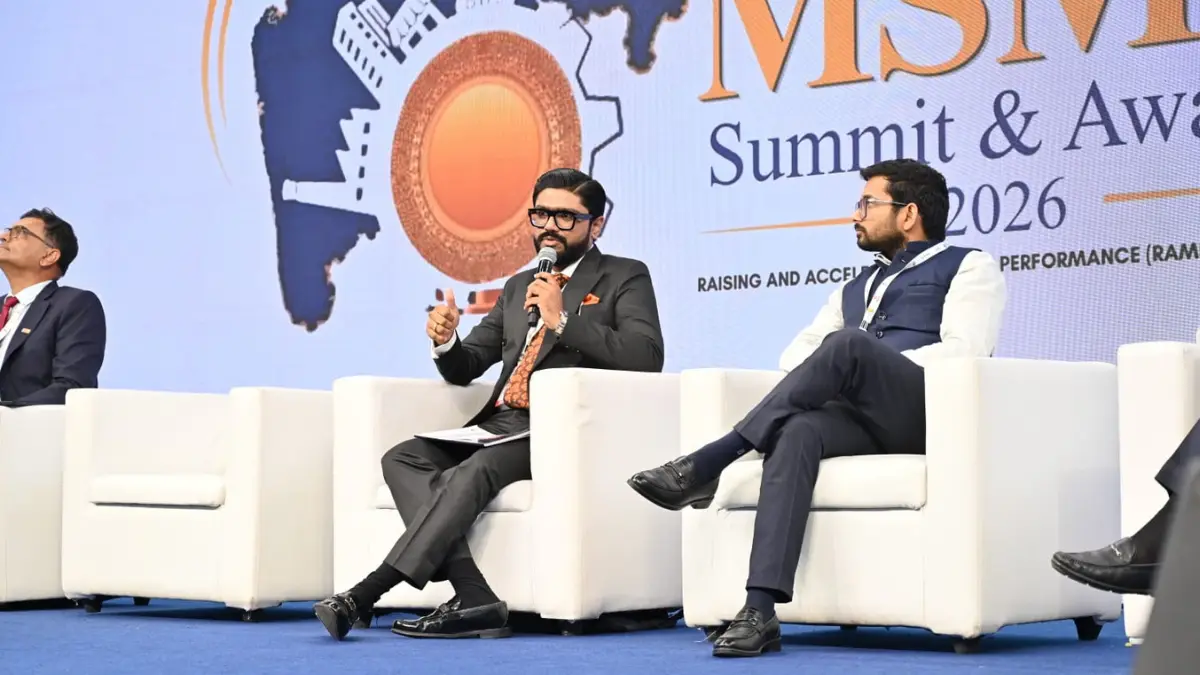
According to the Ministry of MSME, the sector contributes around 30% of India's GDP, nearly 36% of manufacturing output, and approximately 45% of the country's exports, making it a critical driver of economic growth. Despite this, many small businesses continue to face challenges in accessing developed markets because of regulatory requirements, certification standards and limited international presence.
Patel argued that the first pillar confidence requires businesses and professionals to shift away from positioning themselves primarily as low-cost providers. "The world is ready to pay for Indian excellence," he said during the summit, adding that companies should compete on quality and innovation rather than price alone.
Trending Stories
&imwidth=180&imheight=135&format=webp&quality=medium)
'Baseless and misconceived': India issues statement after Elon Musk's 'oligarchs' claim over Starlink delay
&imwidth=180&imheight=135&format=webp&quality=medium)
‘You earned that love’: Messi’s wife shares heartfelt message as football icon bids farewell to international stage
&imwidth=180&imheight=135&format=webp&quality=medium)
BJP chief Nitin Nabin calls Rahul Gandhi ‘anarchist’, says Oppn ‘spreading poison’ in society
&imwidth=180&imheight=135&format=webp&quality=medium)
‘Team first and team ahead’: India coach Gambhir pens heartfelt wish for chief selector Ajit Agarkar
&imwidth=180&imheight=135&format=webp&quality=medium)
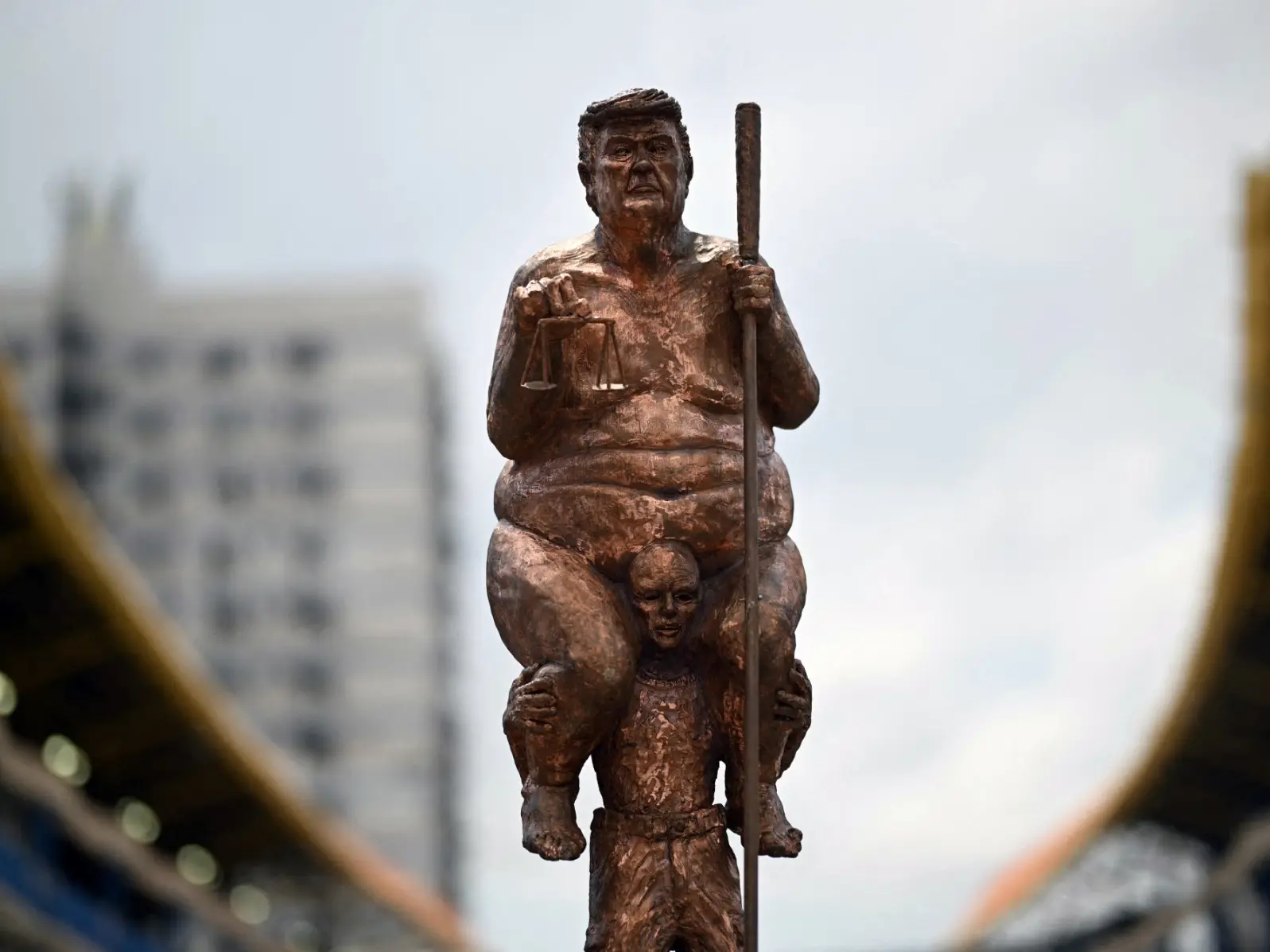
Trump's naked 23-karat gold statue unveiled near European Parliament
&imwidth=180&imheight=135&format=webp&quality=medium)
Nana Patekar: Remembering a legend of the Indian cinema
&imwidth=180&imheight=135&format=webp&quality=medium)
Thai Actors Fourth Nattawat, Gemini Norawit face racism accusations from Indian fans over viral Bollywood act
&imwidth=180&imheight=135&format=webp&quality=medium)
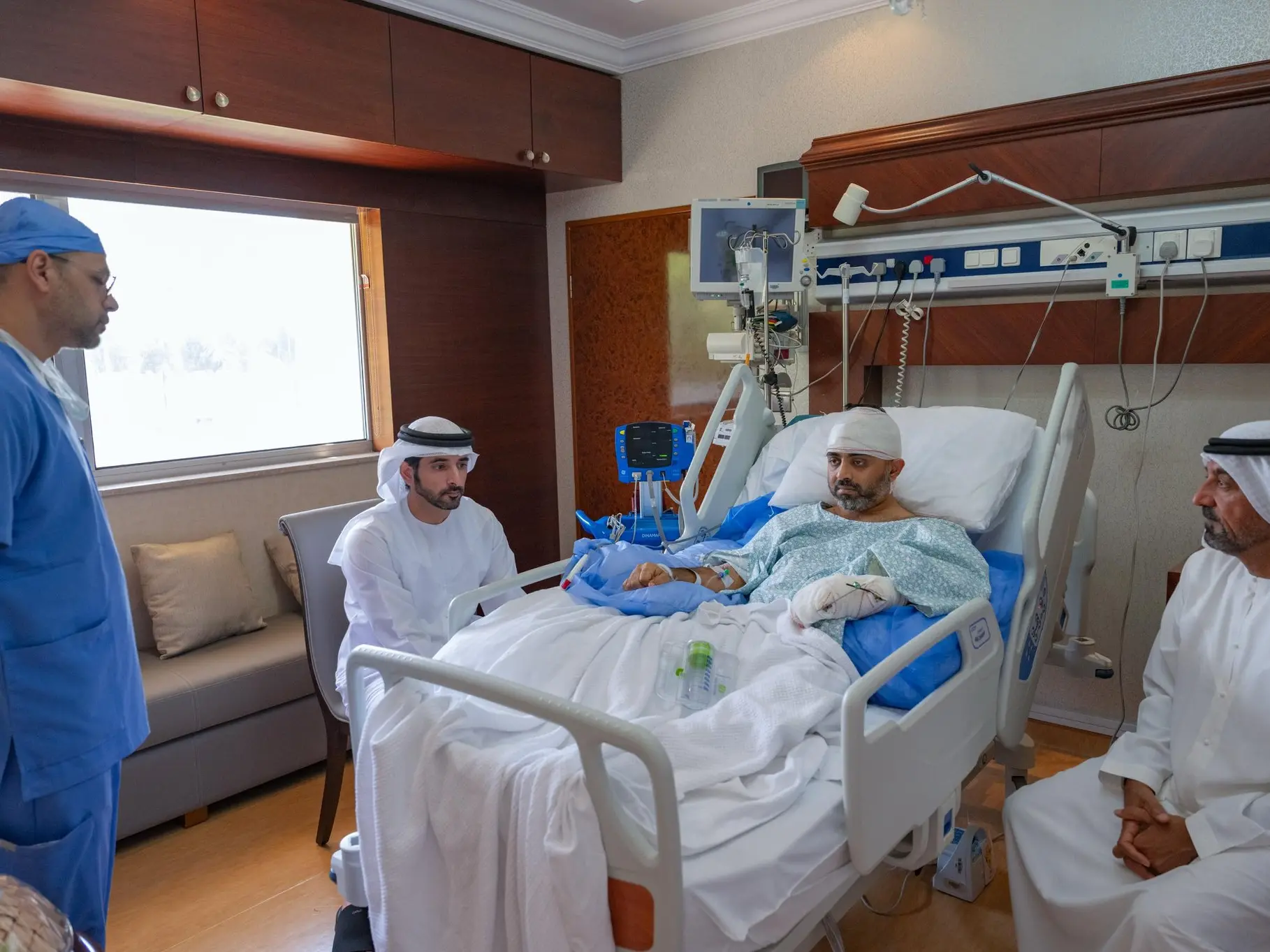
Captain Smit Machchhar on feet again, walks 10 steps as recovery continues after Flydubai flight attack
&imwidth=180&imheight=135&format=webp&quality=medium)
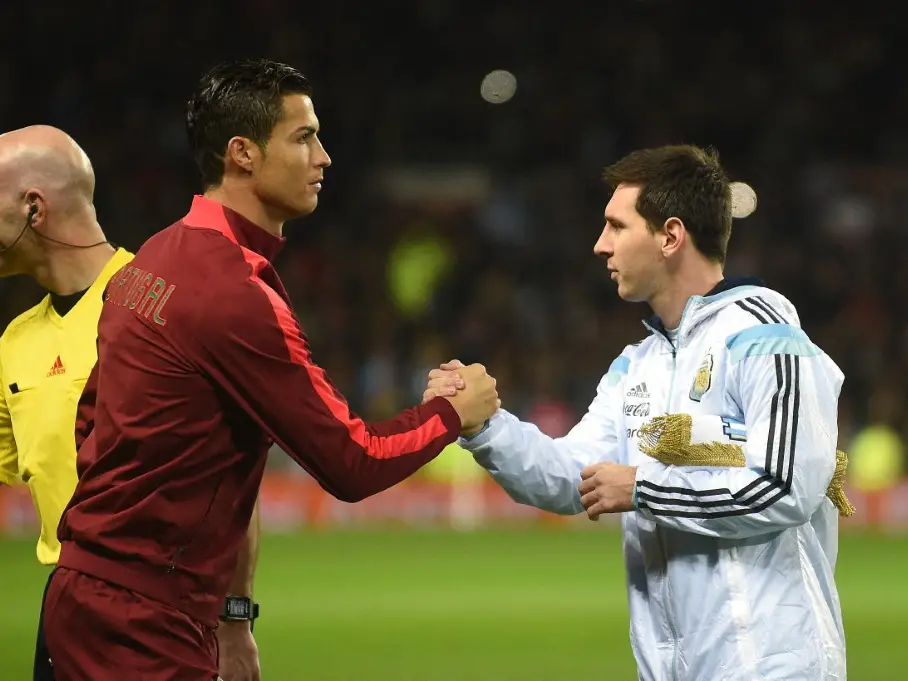
Ronaldo sends 'a hug' after Messi says he misses 'wearing the blue and white'
&imwidth=180&imheight=135&format=webp&quality=medium)
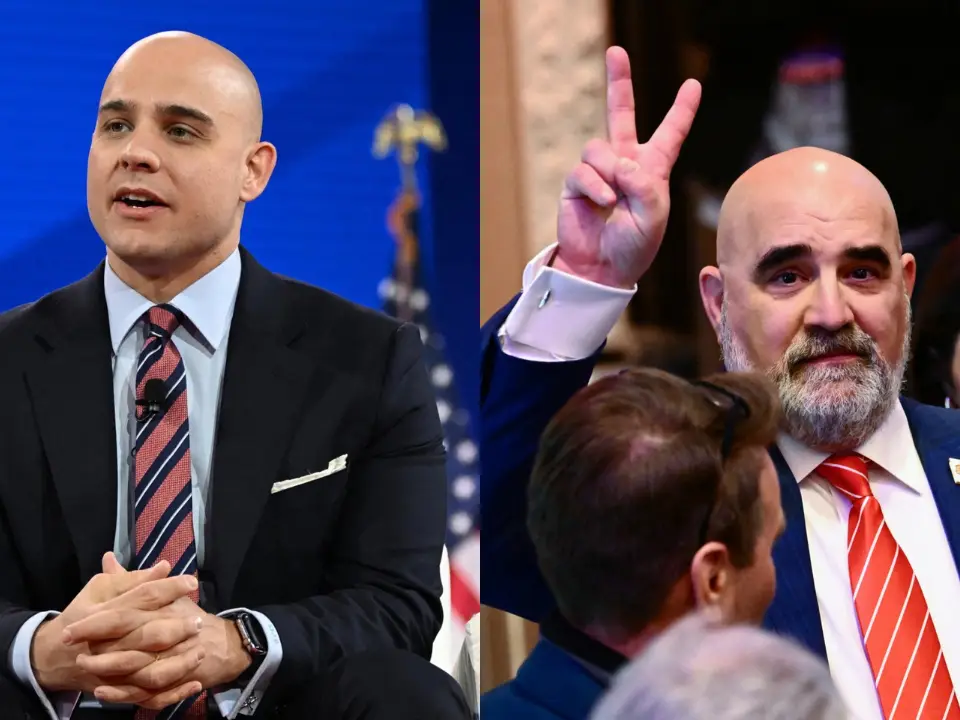
Trump distances himself from senior political advisers over work for pro-Russian government
&imwidth=180&imheight=135&format=webp&quality=medium)
A Love Other Than Yours: The temptation to cheat and what pushes people over the edge
&imwidth=180&imheight=135&format=webp&quality=medium)
Narendra Modi Stadium bomb threat declared hoax; India & Australia U19 squads safe
&imwidth=180&imheight=135&format=webp&quality=medium)
BTS agency HYBE announces first-ever Weverse Con Festival in India
&imwidth=180&imheight=135&format=webp&quality=medium)
US Midterms 2026: Barack Obama hits campaign trail to boost Democratic candidates
&imwidth=180&imheight=135&format=webp&quality=medium)
Shia LaBeouf and Mia Goth head for divorce after nearly 10 years
&imwidth=180&imheight=135&format=webp&quality=medium)
Who is DogeDesigner? All we know about the X account that sparked India-Musk-Starlink ‘oligarchs’ controversy
&imwidth=180&imheight=135&format=webp&quality=medium)
India at UN: Pak allows terror groups to operate from its soil
&imwidth=180&imheight=135&format=webp&quality=medium)
Christa Pike wakes after failed execution, asks 'Where am I and who are you?'
&imwidth=180&imheight=135&format=webp&quality=medium)
Christa Pike 'angry' and 'confused' after failed execution; judge orders to preserve evidence
&imwidth=180&imheight=135&format=webp&quality=medium)
Nigerian President Bola Ahmed Tinubu hails Modi’s 25-year leadership milestone, calls for deeper Nigeria-India strategic ties
&im=FitAndFill=(700,400)&imwidth=180&imheight=135&format=webp&quality=medium)
US midterms 2026: 10 leaders and candidates to watch in the battle for Congress
&imwidth=180&imheight=135&format=webp&quality=medium)
Nana Patekar's #MeToo controversy: From Tanushree Dutta’s allegations to court ruling
&imwidth=180&imheight=135&format=webp&quality=medium)
Atlantic hurricane Isaias could make landfall as a strong Category 2 storm, tornado warnings issued
&imwidth=180&imheight=135&format=webp&quality=medium)
Veteran actor Nana Patekar dies at 75 after suffering cardiac arrest
&imwidth=180&imheight=135&format=webp&quality=medium)
Musk alleges ‘oligarchs’ blocking Starlink in India, here is what we know so far
&imwidth=180&imheight=135&format=webp&quality=medium)
Lightning strikes IndiGo Patna-Lucknow flight at 17,000 feet, damages nose; all 110 safe
&imwidth=180&imheight=135&format=webp&quality=medium)
Who is Nana Patekar's wife Neelakanti? The bank officer who earned Rs 2,500 when he earned Rs 50
&imwidth=180&imheight=135&format=webp&quality=medium)
France holds talks with Taliban government amid diplomatic outreach
&imwidth=180&imheight=135&format=webp&quality=medium)
New Cold War: Why is China buying more gold? Explained
&imwidth=180&imheight=135&format=webp&quality=medium)
Nadella to be honoured with national medal of technology & innovation
&imwidth=180&imheight=135&format=webp&quality=medium)
IndiGo flight struck by lightning at 17,000 feet, nose of Patna-Lucknow flight damaged
&imwidth=180&imheight=135&format=webp&quality=medium)
US readying to strike Iran? Report suggests Trump preparing to put on show of strength ahead of US midterms
&imwidth=180&imheight=135&format=webp&quality=medium)
Zendaya gives The Odyssey white lace jacket a stylish twist at Paris Fashion Week 2026
&im=FitAndFill=(700,400)&imwidth=180&imheight=135&format=webp&quality=medium)
World’s top vehicle producers: Top 10 countries making the most cars. Check where India stands
&imwidth=180&imheight=135&format=webp&quality=medium)
US suspends Microsoft, Infosys, Tata, Wipro from green card programme over alleged H-1B abuse
&imwidth=180&imheight=135&format=webp&quality=medium)
'We don't think so': Trump says Russian plague lab worker's death not linked to bio-weapon
&imwidth=180&imheight=135&format=webp&quality=medium)
Sri Lankan Tamil worker gets death sentence in Saudi Arabia over blasphemy, calls for pardon intensify
&imwidth=180&imheight=135&format=webp&quality=medium)
France protests: How a Gen Z school movement turned into a political war | The Verdict
The second pillar, capability, focuses on strengthening products, services and professional expertise before entering overseas markets. According to Patel, businesses aiming to benefit from opportunities such as the proposed India-European Union Free Trade Agreement should build stronger capabilities in areas including compliance, regulatory understanding and international market strategy.
The third pillar consistency emphasises viewing trade agreements as long-term business opportunities rather than short-term commercial gains. During the summit, CA-Advocate Harsh Girish Patel also referred to recommendations from his policy report, EU-India FTA: From Trade Numbers to Strategic Corridors, which was presented to Maharashtra Industries Minister Dr Uday Samant. The report recommends cluster-based export support, simplified guidance for MSMEs and better awareness of evolving international regulations to help businesses prepare for global markets.
According to the European Commission, the European Union remains India's largest trading partner in goods, with bilateral goods trade exceeding €120 billion in 2024. Negotiations on the proposed India-EU Free Trade Agreement are continuing, with the objective of improving market access, reducing trade barriers and strengthening cooperation across goods, services and investment.
As businesses prepare for a rapidly changing global trade environment, discussions at the Maharashtra MSME Summit reflected a broader shift in thinking: sustainable international growth may depend as much on building institutional capability and market credibility as it does on securing favourable trade terms.
