AI is changing customer support jobs, but people remain central

&imwidth=600&imheight=450&format=webp&quality=medium "AI is changing customer support jobs, but people remain central")
AI is changing customer support jobs, but people remain central
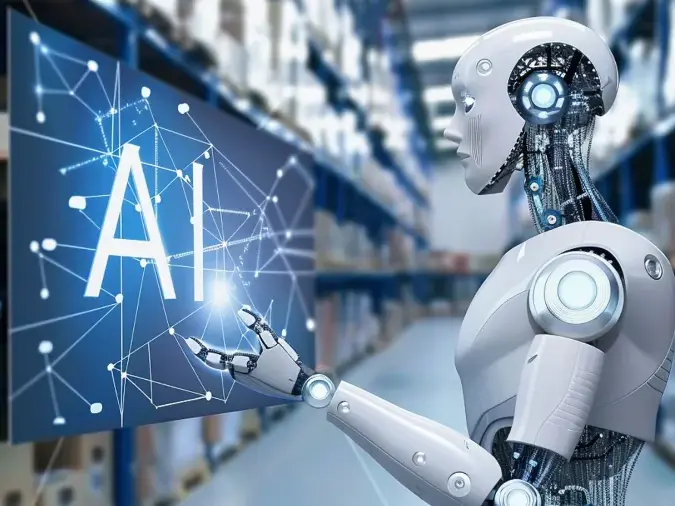
Artificial intelligence is reshaping customer support by automating routine tasks, but human expertise remains vital for complex and sensitive cases. Industry experts say businesses should prioritise resolving customer issues over relying solely on automation to improve service quality.
Artificial intelligence is reshaping customer support operations across industries, helping businesses automate routine queries, improve response times and streamline service delivery. But as companies continue to invest in AI-powered customer experience (CX) tools, industry leaders argue that technology alone is not enough to deliver better outcomes.
The growing use of AI has sparked debate over whether automation can replace human interaction in customer service. While AI has become increasingly effective at handling repetitive tasks, complex customer issues still require human judgement, empathy and contextual understanding, particularly in sectors such as banking, healthcare and insurance.
)
Speaking to WION, Adarsh Kumar, Co-Founder and Chief Operating Officer of Noida-headquartered business process outsourcing (BPO) companyiEnergizer, said the customer experience industry risks focusing on the wrong performance metrics as AI adoption accelerates.
"The technology is the means. The experience is still the product," Kumar said, adding that businesses should prioritise whether customer problems are actually resolved instead of simply increasing the number of interactions handled without human intervention.
According to Kumar, many organisations have concentrated on improving "containment" rates the percentage of customer queries resolved without reaching a human agent. However, he believes that high automation does not necessarily translate into better customer satisfaction if customers are left without effective solutions. "The metric that actually matters to customers is whether their problem was genuinely resolved," he said, warning that an overreliance on automation could undermine customer trust over time. Rather than replacing employees, Kumar sees AI as a tool that enhances their capabilities. He pointed to applications such as predictive systems that anticipate customer needs, intelligent routing that directs enquiries to the right specialist, real-time assistance for agents during conversations and post-interaction analytics that help businesses improve service quality.
At the same time, he argued that AI still falls short when dealing with situations requiring emotional intelligence and nuanced decision-making. Interactions involving suspected banking fraud, insurance disputes or sensitive healthcare matters often carry significant personal and financial consequences, making human involvement essential, Kumar said. In such cases, he believes AI should support employees rather than replace them.
The discussion comes as companies worldwide continue to increase spending on AI-driven customer service technologies in an effort to improve efficiency and reduce operational costs. Industry observers, however, have increasingly questioned whether these investments are translating into measurable improvements in customer satisfaction.
Kumar also linked service quality to workforce stability, arguing that experienced employees develop institutional knowledge that strengthens long-term client relationships. In an industry where employee attrition remains a persistent challenge, retaining skilled workers can become a competitive advantage, he said. Founded in 2000, iEnergizer operates customer experience and business process outsourcing services for enterprises globally. The company says it employs more than 40,000 people, serves over 100 clients and manages around 170 million customer interactions annually across more than 70 languages.
Trending Stories
)
)
)
&im=FitAndFill=(700,400))
)
)
)
)
)
)
)
)
)
)
)
)
)
)
)
)
)
)
)
)
)
)
)
)
)
)
)
)
&im=FitAndFill=(700,400))
)
)
)
&im=FitAndFill=(700,400))
)
As AI adoption continues to reshape the customer support industry, the debate is increasingly shifting from whether automation should replace people to how technology can help employees deliver better service. For businesses, the challenge may be finding the right balance between efficiency, automation and the human judgement that customers continue to value.
