Champions Trophy Final: Five key battles that could decide India-New Zealand final outcome

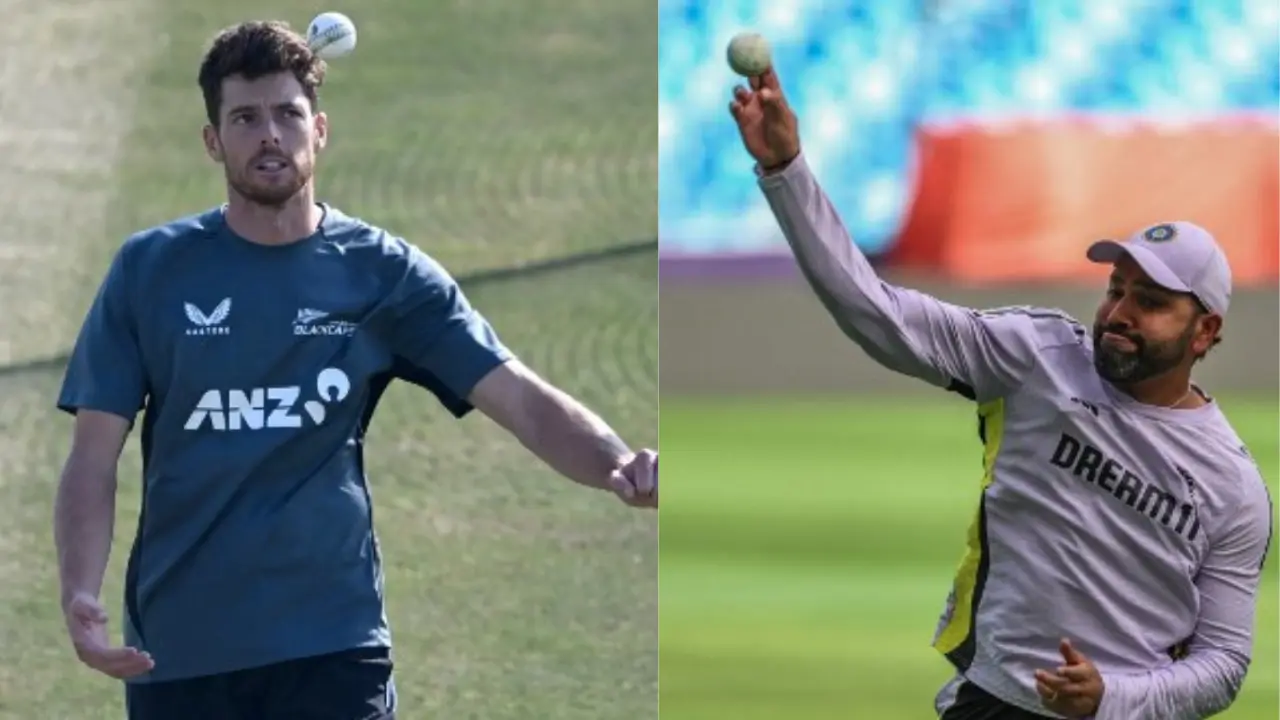
Sports, Cricket: India-New Zealand encounters have been defined by key battles and with the title on the line, this match could shape the legacies of several players on both sides
The ICC Champions Trophy final between India and New Zealand in Dubai is set to be a thrilling sequel to their iconic clash in the same tournament 25 years ago. With the title on the line, this match could shape the legacies of several players on both sides.
Over the years, India-New Zealand encounters have been defined by key battles—whether it's Virat Kohli's masterclass in a chase, crucial supporting knocks from KL Rahul and Shreyas Iyer, or Kiwi pacers like Matt Henry and Trent Boult ripping through India's top order. More recently, both teams have relied on their spinners to dictate terms. The final promises to follow a similar script, with multiple subplots shaping its outcome.
WION takes a look at the key battles and factors to watch out for:

Matt Henry's fitness: A decisive factor
The leading wicket-taker of the tournament, Matt Henry has been lethal, taking 10 wickets at an average of 16.70, including a five-wicket haul. His ability to trouble India is well documented—most notably in the 2019 World Cup semi-final, where his early strikes derailed India's chase of 239.
Henry has dismissed Rohit Sharma and Shubman Gill twice each in ODIs, with the duo averaging just 29 and 31.50 against him. He has also gotten the better of Kohli and enjoys an upper hand against KL Rahul.
)
Trump-Xi Summit: Trade, Taiwan and the red lines shaping US-China talks | Race To Power
)
US citizen injured in Illinois after ICE agents mistook him for fugitive, hospitalised
)
US judge questions Trump’s decision to ban CNN, MS NOW and Politico from White House
)
Afghan woman cyclist who disguised herself as a boy to escape Taliban, wins Asian Games medal
)
'There will be elections': Venezuela's interim leader Delcy Rodriguez makes big announcement at UN
)
IIT Bombay CCTV footage emerges: Sahil Wakode seen looking at phone in examination hall
)
Cyclone Arnab: Landfall expected before midnight tomorrow as IMD issues orange alerts across six states
)
9 killed, several injured as tourist bus catches fire on Yamuna Expressway
)
NBA player Steven Adams shares hilarious GTA VI theory
)
WION Iconic Tourism Summit 2026: Union Minister Shekhawat on 'experiential travel', peace diplomacy
)
ICC plans T20I expansion and fewer ODIs in 2027–2031 FTP cycle: Report
)
'AI got into my speech': Prince Harry jokes after teleprompter failure at event in New York
)
Scientists detect first radio signals directly from faraway planet
)
China to test supersonic jet that moves at Mach 2, double the speed of sound
)
WION Iconic Tourism Summit: 'Hanuman Ansh' Director on blockbuster success
)
Open AI, Anthropic CEO urges caution over rapid AI development at UN Security Council, call for 'extreme care'
)
Bomb scare in New York amid UNGA: Suspicious suitcase found near UN headquarters
)
Hours before Xi-Trump meeting, US announces visa curbs targeting birth tourism: What is it?
)
'Partners rather than rivals': Xi Jinping's first message after landing in US for Trump summit
)
WION Iconic Tourism Summit: Is India's travel boom outrunning its airports, airlines and hotels?
)
WION Iconic Tourism Summit and Awards 2026: Key voices to discuss India’s tourism future
&im=FitAndFill=(700,400))
New OTT releases this week (September 21-27, 2026): Shaque: Trust No One, Hunkkaar, Don’t Be Shy- 5 new titles coming to Netflix, Prime Video and more
)
WATCH | China President Xi Jinping lands in US as Trump greets him ahead of high-stakes summit
)
Australian PM Anthony Albanese calls OpenAI AI incident 'unacceptable' after restricted data access
)
'What kind of confession is this?': Pakistan PM Shehbaz Sharif’s 'terrorists would be roaming New York' remark goes viral, raises alarm online. Watch
)
WION Iconic Tourism Summit: How local tourism MSMEs must upskill for AI integration
)
Eight USS Abraham Lincoln sailors attempted suicide, Acting Navy Secretary says
)
Pilot recreates Mona Lisa in sky over Oklahoma and Arkansas in four-hour flight: VIDEO
)
Elephants hide behind trees, stage surprise attack on poachers targeting rhinos in South Africa
)
'Putin is patient zero': Zelensky slams Russian president at UNGA, accuses him of using fighters from 47 countries
&im=FitAndFill=(700,400))
National Film Awards 2026: Kartik Aaryan, Mammootty, Yami Gautam, Randeep Hooda and other key winners
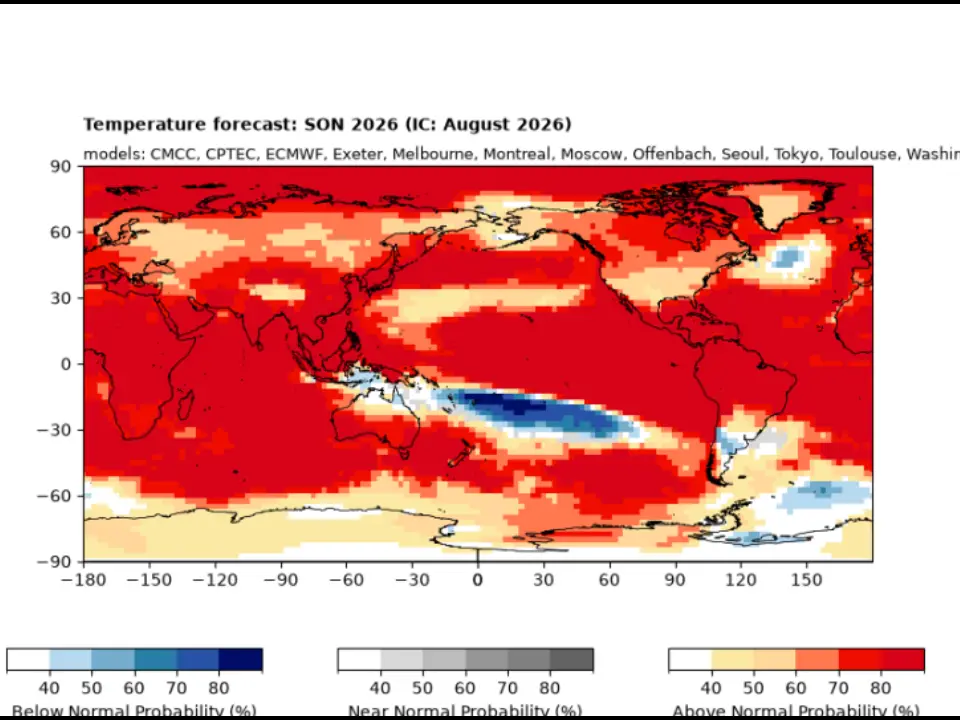)
El Niño 2026 heats up to become strongest in 1,000 years
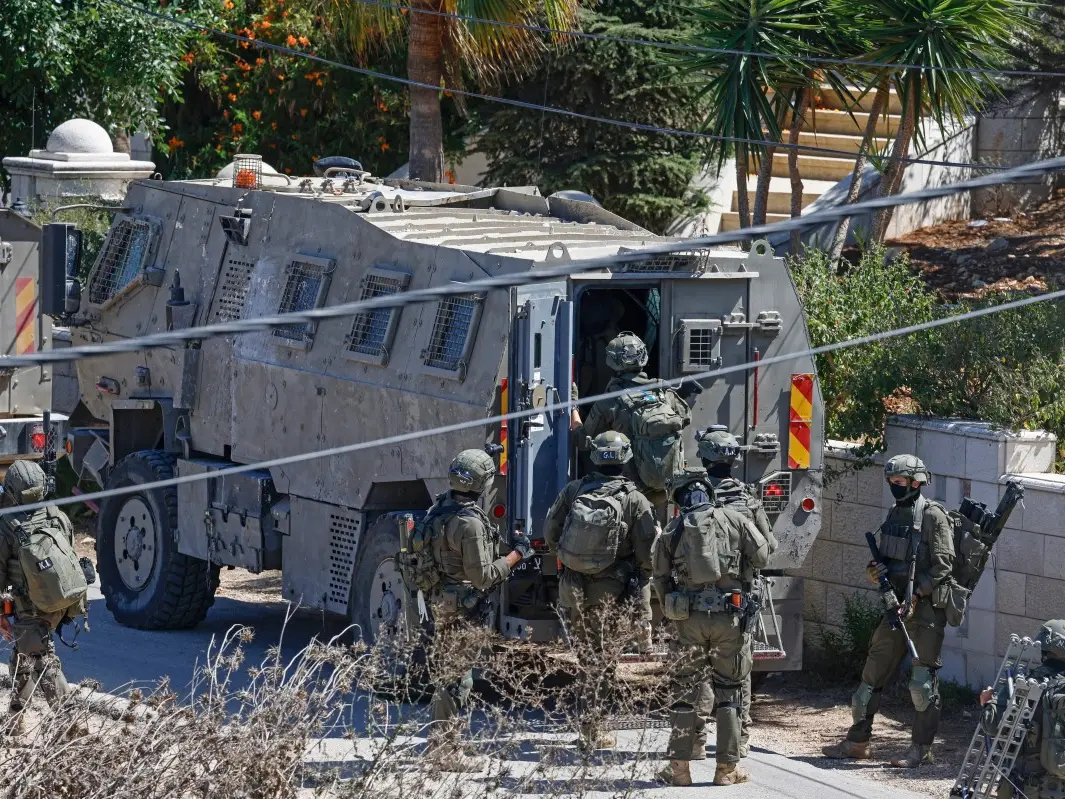)
Israeli envoy to US Yechiel Leiter’s son critically injured in West Bank ramming attack
&im=FitAndFill=(700,400))
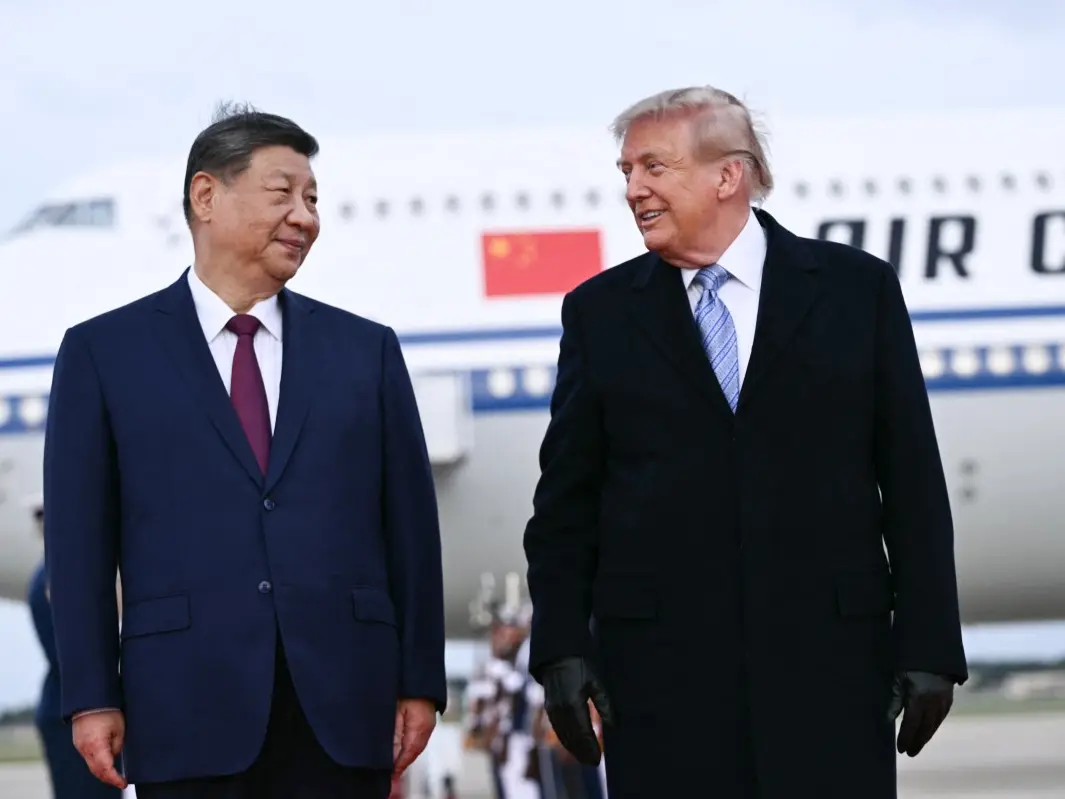
Trump welcomes Xi Jinping in rare airport gesture: Photos from Chinese President's arrival in US
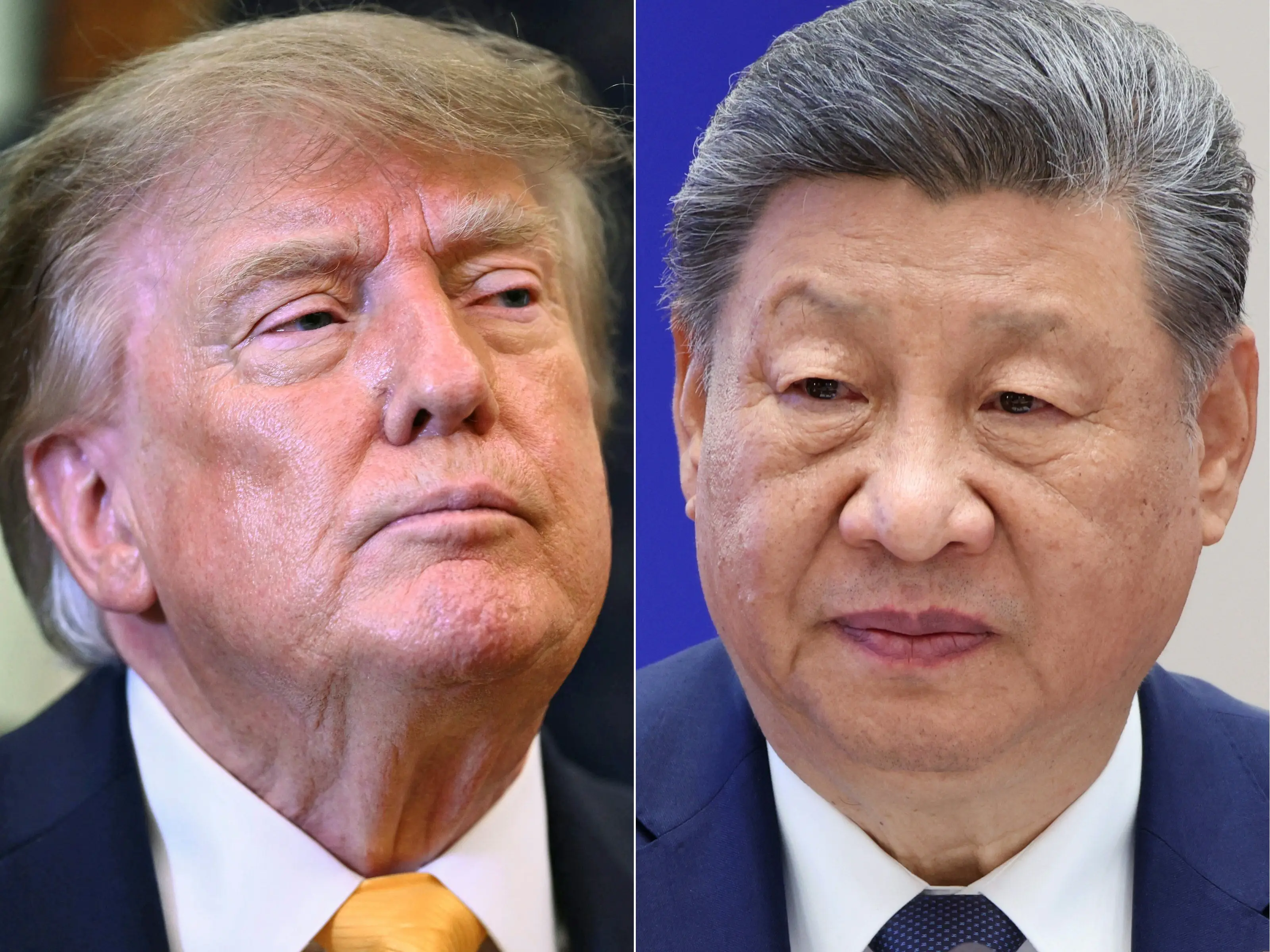)
Xi-Trump meeting: China’s human rights red line and past protests explained
Also Read: Champions Trophy betting: Despite ban, arrests, 'satta market' thrives with $57mn in play - Reports
If Henry is ruled out due to his shoulder injury from the semifinal, New Zealand will turn to Kyle Jamieson and Will O’Rourke. However, O’Rourke is not a regular new-ball bowler, which could work in India's favour. Jacob Duffy and all-rounder Nathan Smith are backup options but lack Henry’s experience and impact. If Henry plays, India’s top order will have a big challenge ahead. If he doesn't, expect Rohit and Gill to go on the attack.
India’s middle order vs Santner & Bracewell
New Zealand’s spin duo of Mitchell Santner (7 wickets at 27.71) and Michael Bracewell (6 wickets at 28.83) have been effective, despite playing most of their matches on batting-friendly tracks in Pakistan.
Santner, who has 16 ODI wickets this year at an economy of 4.48, has troubled India before. His 13-wicket haul in last year’s Pune Test showcased his ability to exploit slow conditions. Since 2023, he has dismissed Kohli and Rahul twice each, conceding just 37 and 2 runs to them, respectively. While Rohit and Gill have dominated him with strike rates of 125 and 116.6, the slower Dubai surface could make scoring against him difficult.
Bracewell has also gone under the radar, picking up 12 wickets this year at an economy of 4.36. How Santner and Bracewell contain India’s engine room of Kohli, Shreyas Iyer, and Rahul—masters of strike rotation and calculated aggression—could be a turning point.
Rachin Ravindra: The X-factor
Rachin Ravindra has been in sublime form, scoring 226 runs, including two centuries, in the tournament. His only failure came against India in Dubai, where he fell for just six runs to Hardik Pandya.
India has largely kept him quiet, dismissing him for scores of 94, 75, and 6. However, his prowess against spin—489 runs at an average above 61 and a strike rate above 112—makes him a serious threat. The 2023 World Cup showed his ability to dominate spinners, and if he gets going, India’s slow bowlers will have a tough challenge.
Indian spinners vs New Zealand’s middle order
India’s spin attack, led by mystery spinner Varun Chakaravarthy, could pose serious problems for New Zealand. The last time the Kiwis played in Dubai, Chakaravarthy dismantled their middle order with a stunning 5/42 while defending 250.
India also boasts an in-form spin trio—Axar Patel, Ravindra Jadeja, and Kuldeep Yadav. In their last meeting, New Zealand struggled against spin, crawling from 44/1 to 93/2 between overs 11-25. Despite having elite spin players like Kane Williamson and Daryl Mitchell, New Zealand could once again find themselves in a stranglehold if India unleashes another spin choke.
Fitness and fielding in Dubai heat
With temperatures expected to touch 34°C during the final, fitness and fielding will be crucial. Both teams have some of the fittest players in world cricket, but endurance in the sweltering heat—especially while fielding and running between the wickets—will be tested.

