What's driving up air fares despite rising demand? Experts have the answer


Flight take-off
As business and leisure travel has resumed, the worst of the pandemic has passed, countries are once again accessible, and airlines anticipate strong revenue. So why is air fare still so high?
There aren't enough planes, to start with, according to a Bloomberg report.Due to the pandemic's low travel demand, airlines shut down a significant portion of their fleets. The biggest jets have to be prepared for service after being parked away for 100 working hours, so they can't bring them back quickly enough at the moment.
Another factor is that after being denied the chance to travel, in some cases for up to three years, people are willing to pay more for tickets, the Bloomberg report said. More than 25,000 adults who planned to travel in the next 12 to 24 months participated in a Booking.com study, and many said they wished to be "more indulgent" with their travel plans in order to make up for missed opportunities.

“Even if some trips might be a bit more expensive than they were previously, many people still see value in spending on travel,” said Marcos Guerrero, senior director of flights at the online travel company, who spoke to Bloomberg.
Staff Shortage
Airlines suffered losses of almost $200 billion due to Covid, which resulted in the loss of tens of millions of aviation jobs. The travel industry is struggling to re-hire enough people, now that a recovery is well underway.
)
Trump 2.0: Dark days ahead for America’s ‘imperial presidency’
66 years of the Indus Waters Treaty: How India and Pakistan settled a bitter river dispute
)
Trump defends AI amid growing alarm, announces new 'AI force' and promises an 'AI czar'
)
9 women found dead near Johannesburg: South Africans rally, demand 'enough' to femicide
&im=FitAndFill=(700,400))
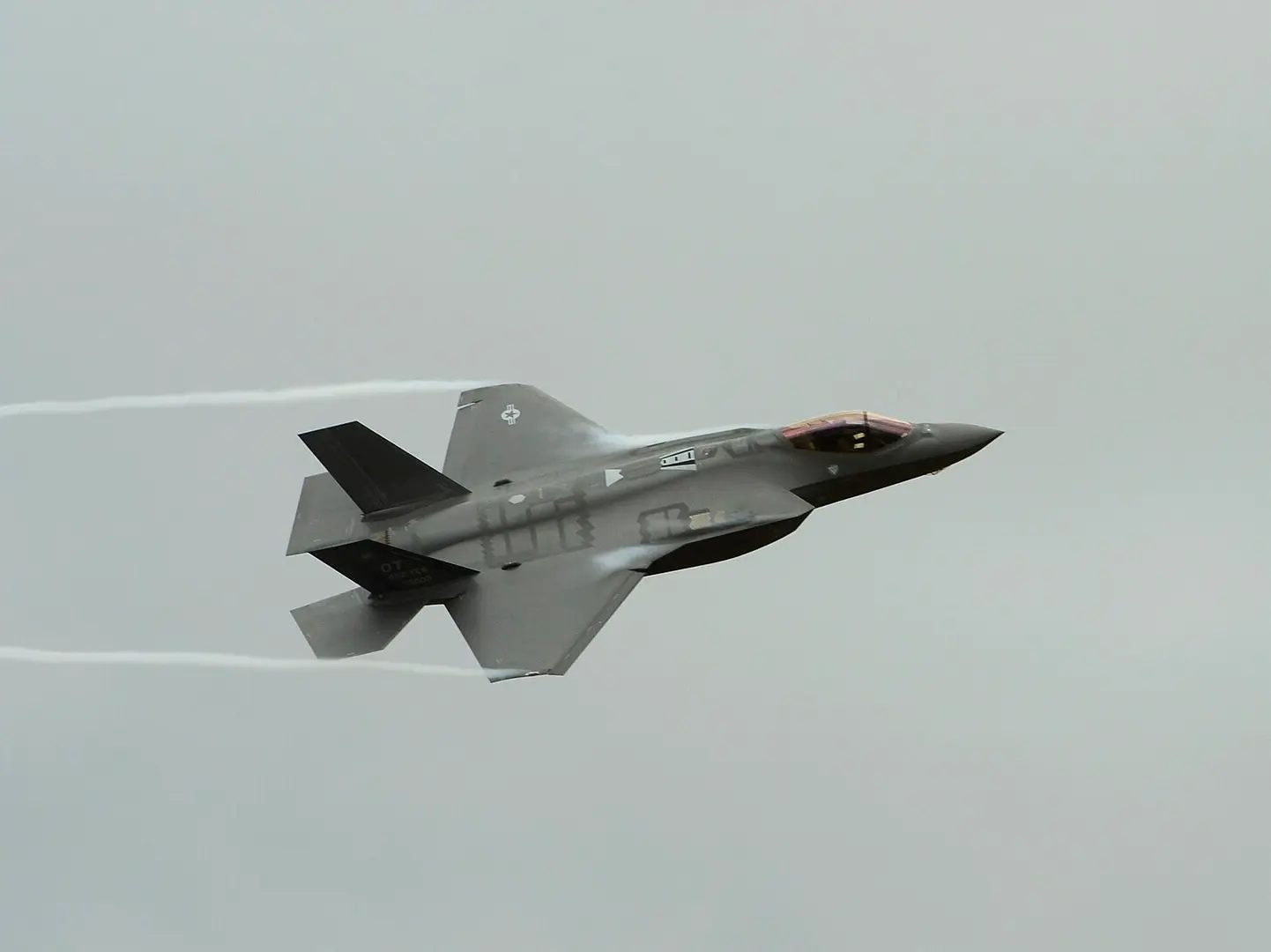
How many F-35s does Britain, Japan and Israel have?
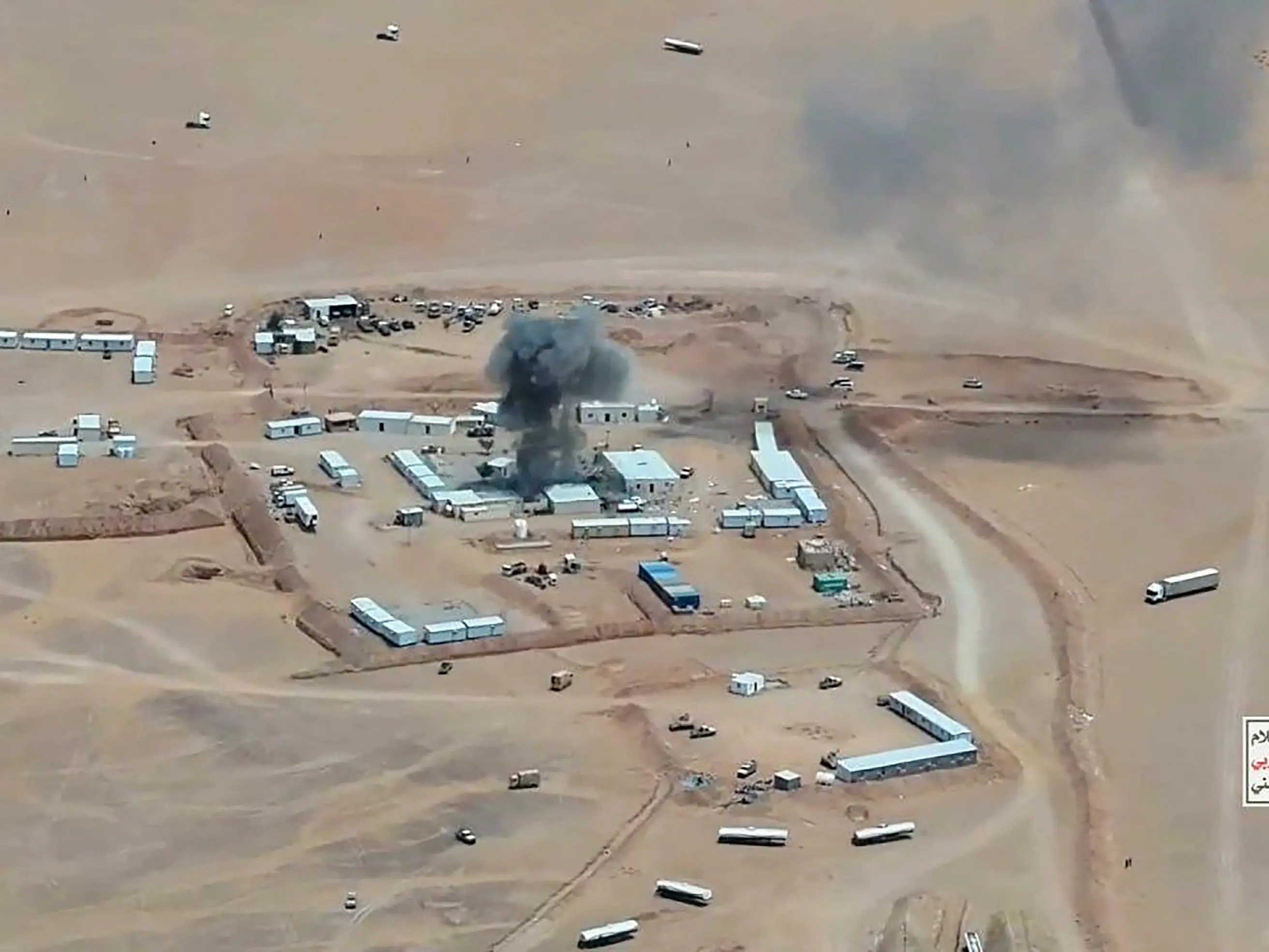)
‘Will go to any extent’: Pakistan vows to defend Saudi Arabia amid Houthi attacks
)
Nigeria: Protesters take to the streets, police fire shots
)
Raphinha hat-trick powers Barcelona to 3-1 win over Sevilla in La Liga
)
US-Iran war: Tehran draws red lines — seven demands before any peace talks
)
Cochin shipyard starts building Indian Navy's next-gen missile vessels
&im=FitAndFill=(700,400))
Meet top 5 Indian batters with fastest T20I centuries
)
Harry Brook targets long reign at top of T20I rankings after Sri Lanka sweep
)
Brigitte Bardot’s private collection set for Paris auction; key items and prices revealed
)
Pak: A series of counter terrorism operations in Khyber Pakhtunkhwa
)
Iran sets 7 conditions to end war with US: What are Tehran’s demands?
)
Pentagon revives mandatory testosterone testing for male troops aged 30 and above
)
Russia extends ban on Western food imports for two more years in extended sanctions countermeasure
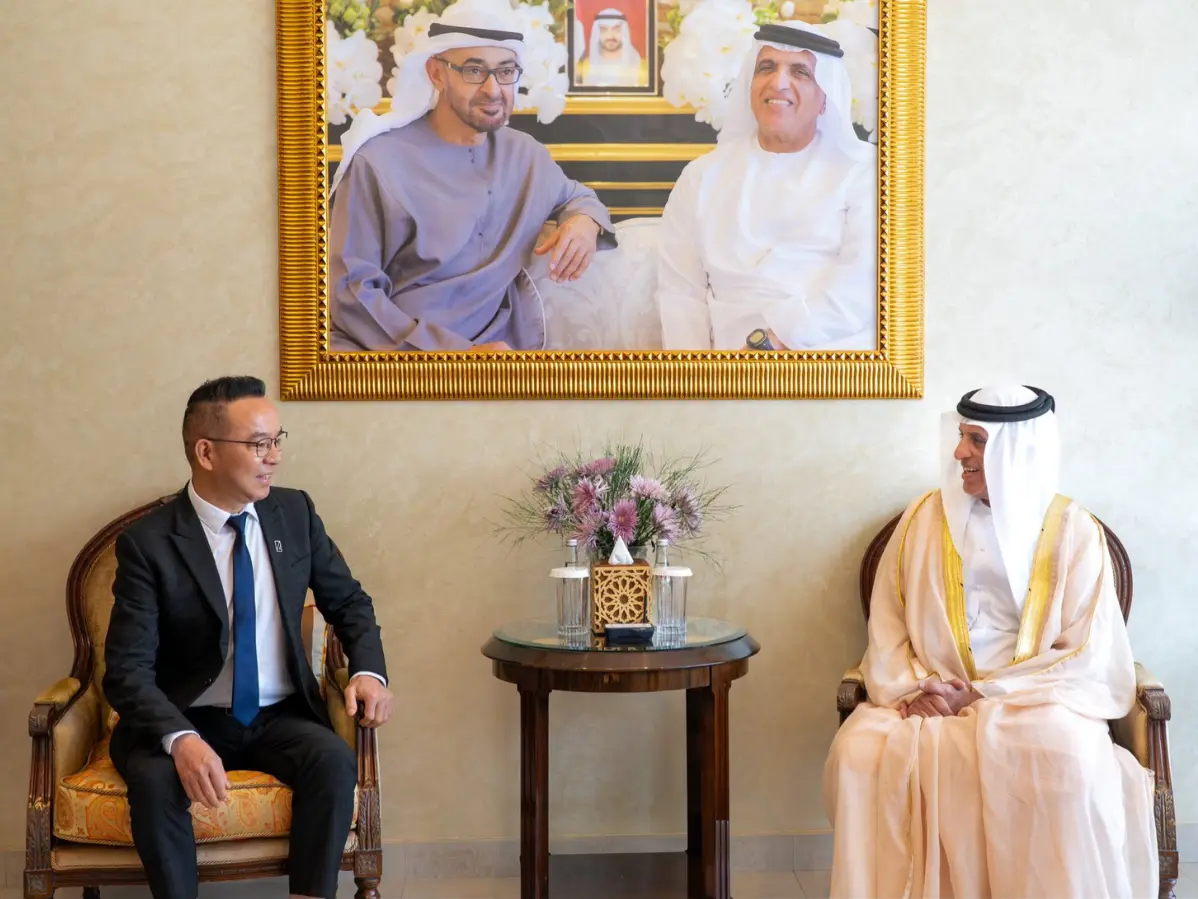)
Flying cars in UAE: Ras Al Khaimah signs deal with Chinese company to test new transport
&im=FitAndFill=(700,400))
Ananya Panday to Sharvari: 5 actresses serving major princess vibes
)
Africa is splitting, and a lot sooner than estimated, giving way to a new ocean
)
Iran rebuilding nuclear facilities? New satellite images show Tehran may be rapidly restoring bombed Parchin base
)
FACT CHECK: Why did PM Modi ask Xi ‘is it okay’ at BRICS Summit? New video reveals...
)
Trump announces ‘AI Force’ as debate grows over AI risks and regulation
)
Tirupati Laddu ghee adulterated with chemicals, says ED, supplier arrested
)
The Verdict | When precision fails: US commits war crime in Minab school strike, UN finds
)
Trump bans CNN, MS NOW and Politico from White House over ‘FAKE NEWS’
)
Mark Carney mimics Trump in hilarious moment over C$70 billion clean-energy investment; room erupts in laughter
)
Gaza under attack: Health chief's son killed in IDF strikes
)
Russia holds first parliamentary elections since the beginning of the Ukraine war
)
China may have gained access to US's classified F-35 jets; parts meant for repairs diverted to Hong Kong, sparking Pentagon inquiry
)
Reacher star Alan Ritchson opens up about alleged blackmail, suicide attempt during difficult period
&im=FitAndFill=(700,400))
‘Not the US or China’: These are the countries leading the world in arable land
)
How did an Australian river with 500 crocodiles pass the Olympic test? Here's how
)
Ed Sheeran addresses Macklemore's removal, Gaza conflict during Philadelphia concert: 'I cannot hide how I feel'
)
Arvind Kejriwal, family members, Delhi CM Rekha Gupta get SIR notices
)
Delays at airport check-in counters, immigration counters, and baggage carousels have gotten worse as a result of the shortages. They've also made airlines work harder to recruit and keep personnel, which has required paying higher wages. As a result, airlines charge more because they need to cover the extra expenses.
Rising oil prices
Although the cost of oil has decreased over the previous year, it is still more expensive than it was in January 2019, which is problematic for airlines because it is their single-highest expense. Numerous carriers, especially low-cost ones, don't hedge their fuel costs, making them susceptible to price increases brought on by situations like Russia's invasion of Ukraine, the Bloomberg report said.
A little over two per centof the carbon emissions in the world come from airlines, but they lag well behind all other industries in their commitment to a greener future. That's in part because the sole practical option available right now, sustainable aviation fuel, costs up to five times as much as traditional jet fuel.
Aircraft shortage
At the height of the pandemic, up to 16,000 aircraft—or almost two-thirds of the commercial fleet worldwide—were grounded. It takes a lot of work to get them back in the air, and every component must be carefully inspected for safety. Many were maintained in the US and Australia's deserts, where they are less prone to deterioration, but they can still experience problems including harmed interiors and engines.
ALSO READ |China broadening counter-espionage law spooks foreign businesses
Obtaining new engines is another hassle. Due to a lack of parts and the difficulty in producing new turbines, airlines including Spirit Airlines Inc. and India's IndiGo have been forced to idle new aircraft. Some newer technology also requires more frequent maintenance because components made of composites, coatings, and peculiar metal alloys wear out more quickly.
“Capacity is a challenge,” Ryanair’s O’Leary said at a Bloomberg conference this month.
“Over the medium term, the inability of Airbus and Boeing to deliver any meaningful increase in production means capacity is going to continue to be challenging for the next two, three, five years,” he said.
WATCH WION LIVE HERE: