

&imwidth=800&imheight=600&format=webp&quality=medium "“Wake-up call for the world”: Piyush Goyal slams China’s rare earth curbs")
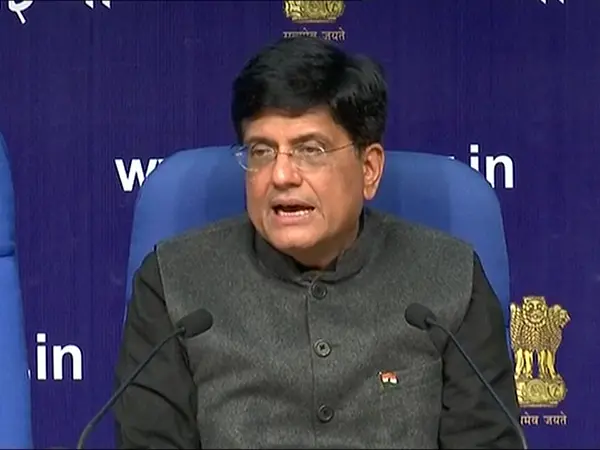
Commerce and Industry Minister Piyush Goyal has sharply criticised China’s latest export restrictions on rare earth materials, calling them a “wake-up call for the world”. He warned that while India’s automotive and white goods sectors may face short-term disruptions, the country is actively building resilient and independent supply chains to emerge stronger in the long run.
Goyal made these remarks during his official visit to Switzerland, where he addressed reporters on Monday. As quoted by ANI, he said, “This situation serves as a wake-up call for all those who have become over-reliant on certain geographies… The world today wants India in their supply chains because we are seen as a trusted partner.”
What did Goyal say?
According to ANI, Goyal acknowledged that sectors like automotive and electronics, both reliant on rare earth magnets will feel the impact of China’s decision to tighten export licences on seven key rare earth elements and related magnets.
These components are vital for electric vehicles, motors, defence equipment, and appliances.
He confirmed that several Indian companies have already submitted their licence applications to the Chinese government. While New Delhi is optimistic that approvals will come through, Goyal stressed that India is not waiting passively.
Trending Stories
&imwidth=180&imheight=135&format=webp&quality=medium)
'Gyanu must go': CJP's Saurav Das, Ashutosh Ranka after release, despite Jantar Mantar protest undertaking
&imwidth=180&imheight=135&format=webp&quality=medium)
Trump ordered to answer questions under oath in BBC defamation lawsuit by December 11
&imwidth=180&imheight=135&format=webp&quality=medium)
ENG vs SL: Harry Brook’s 202 goes in vain as Sri Lanka pull off second-highest ODI chase
&imwidth=180&imheight=135&format=webp&quality=medium)
Viral video shows cross falling on Colombia priest, no official confirmation | WATCH
&imwidth=180&imheight=135&format=webp&quality=medium)
Pakistan signs another defence pact even as Makkah Alliance shows no teeth. This time, it's with Qatar, Indonesia, Turkey
&imwidth=180&imheight=135&format=webp&quality=medium)
Trump called Musk to lift Starlink restrictions affecting Ukraine's military operation: Report
&imwidth=180&imheight=135&format=webp&quality=medium)
Saudi Arabia targeted yacht carrying 14 Indians in Red Sea, rescue underway, Houthis claim
&imwidth=180&imheight=135&format=webp&quality=medium)
'Vivek should keep it up': Trump defends Ramaswamy's controversial campaign ad targeting Amy Acton
&imwidth=180&imheight=135&format=webp&quality=medium)
Putin says Russia is ready to resume Ukraine-US peace talks but rejects 'short ceasefire' amid deadly attacks
&imwidth=180&imheight=135&format=webp&quality=medium)
'It's a crime not to see this scene': Tehran puts Trump 'behind bars'
&imwidth=180&imheight=135&format=webp&quality=medium)
China's dancing robot turns violent bodyguard, lifts cars and fights intruders - Watch
&imwidth=180&imheight=135&format=webp&quality=medium)
From Agni-V to Project Kusha: How are India’s indigenous missile systems and defence shield reshaping modern warfare
&imwidth=180&imheight=135&format=webp&quality=medium)
France reports first human case of livestock virus Shamonda, patient dies; what we know so far
&imwidth=180&imheight=135&format=webp&quality=medium)
'That was great, who threw that punch?': Trump asks as protester punched at rally
&imwidth=180&imheight=135&format=webp&quality=medium)
'This is despicable': Amy Acton hits back at Vivek Ramaswamy over Ohio campaign ad featuring her estranged mother
&imwidth=180&imheight=135&format=webp&quality=medium)
Watch: India rejects ‘imprecise and unsupported’ references in UN migrant rights report
&imwidth=180&imheight=135&format=webp&quality=medium)
US midterms 2026: US Supreme Court allows New Hampshire to restrict student IDs for voting
&imwidth=180&imheight=135&format=webp&quality=medium)
Netanyahu dials PM Modi, invites him and Capt Smit Machchhar to light torch on Israel’s Independence Day
&imwidth=180&imheight=135&format=webp&quality=medium)
Ilhan Omar breaks silence over alleged marriage to her brother; Trump thinks it's 'really good answer'
&imwidth=180&imheight=135&format=webp&quality=medium)
US midterms 2026: Elon Musk’s political spending hits $445 million as Republicans battle to retain Senate control
&imwidth=180&imheight=135&format=webp&quality=medium)
Christa Pike's failed execution: Tennessee team struggled to insert IV lines, lawyer says
&imwidth=180&imheight=135&format=webp&quality=medium)
What is the ‘heat ray’ weapon? Pete Hegseth reportedly authorises DHS to test it at US-Mexico border
&imwidth=180&imheight=135&format=webp&quality=medium)
A secret code, a midnight escape and 300 deaths: The Russian officer who turned on Putin
&imwidth=180&imheight=135&format=webp&quality=medium)
Two BrahMos missiles on Tejas, triple the range and 100% indigenisation, says former BrahMos CEO
&imwidth=180&imheight=135&format=webp&quality=medium)
GRAVITAS | Putin fires nuclear-capable hypersonic missiles, Zelensky ready to surrender 25% territory
&imwidth=180&imheight=135&format=webp&quality=medium)
Iran to invade neighbours soon, Israeli jets in action, American troops ready to strike any moment
&imwidth=180&imheight=135&format=webp&quality=medium)
ENG vs SL: Harry Brook breaks Shubman Gill’s record for fastest ODI double century
&im=FitAndFill=(700,400)&imwidth=180&imheight=135&format=webp&quality=medium)
Serbia elections: Nearly 150,000 people take to streets in massive rally against Aleksandar Vucic | In pics
&imwidth=180&imheight=135&format=webp&quality=medium)
Finance influencer dies by suicide in Chennai; father accuses tech CEO, who denies charge
&imwidth=180&imheight=135&format=webp&quality=medium)
One man, 8 months of work, and a river dirty again: Why Bittu Tabahi may quit
&imwidth=180&imheight=135&format=webp&quality=medium)
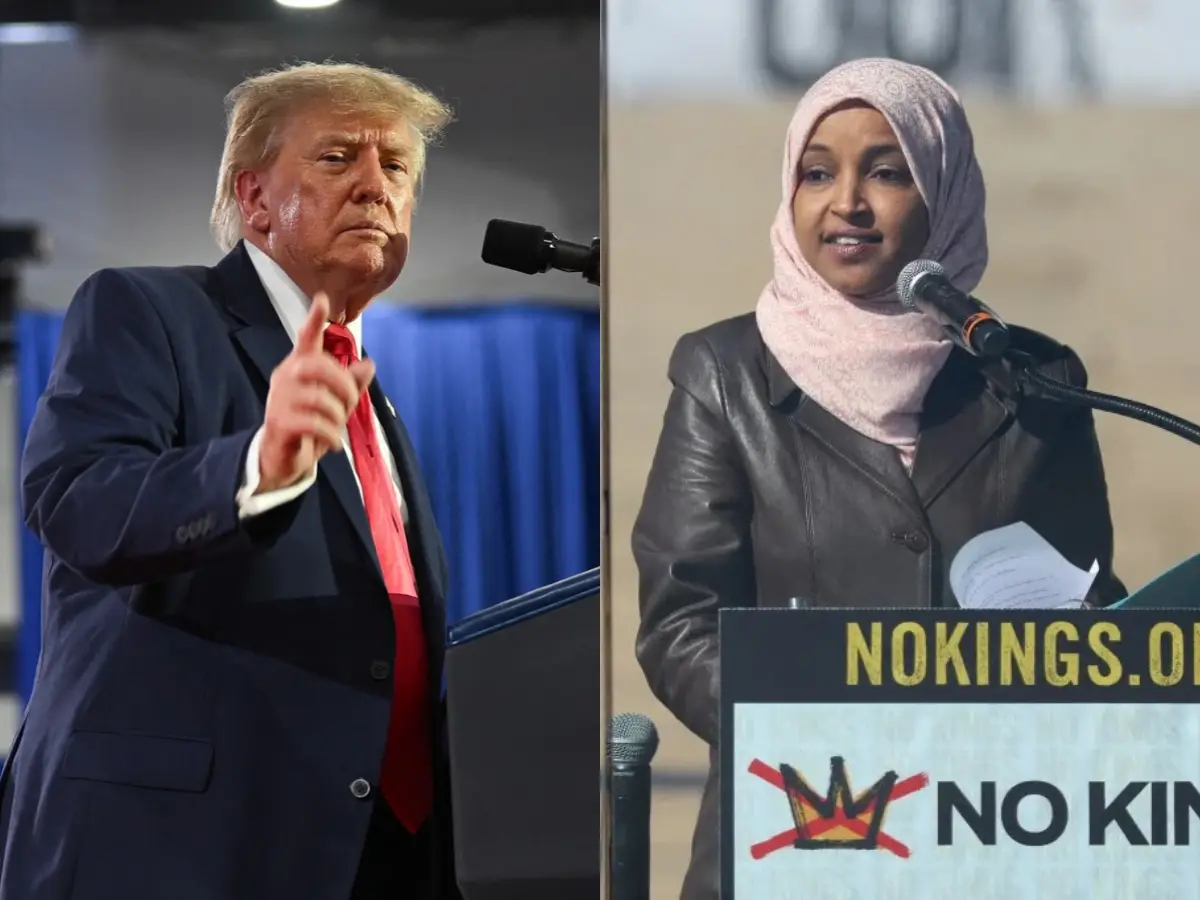
WATCH: Trump demands Ilhan Omar removal from Congress for 'using fake name to be sworn in'. So what is her real name?
&imwidth=180&imheight=135&format=webp&quality=medium)
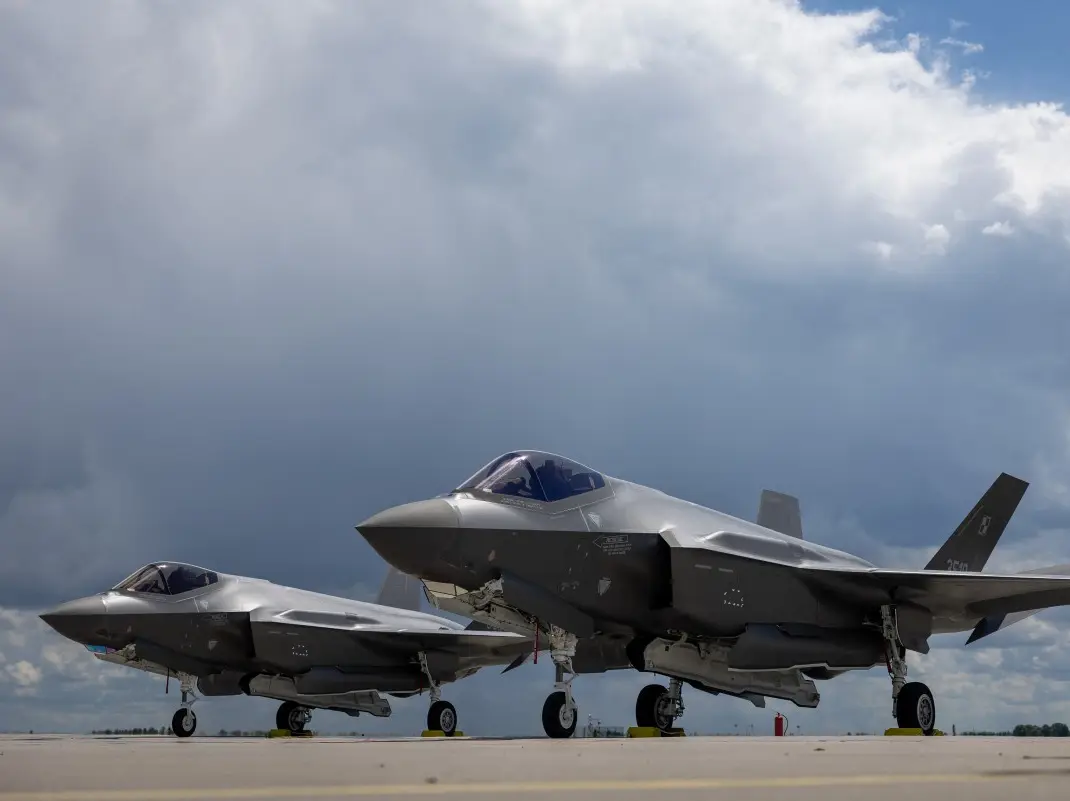
US to get 850 F-35 stealth fighter jets under 10-year Pentagon-Lockheed deal
The Indian embassy in Beijing is actively pursuing fast-track approvals, while the Commerce Ministry is exploring new sourcing options. At the same time, efforts are underway to boost domestic capacity through Indian Rare Earths Ltd and private partnerships.
“The industry is not just looking to the government for handouts anymore,” Goyal remarked. “More and more companies are partnering with startups, funding innovation, and adapting pricing to support the ecosystem.
India’s dependency on China for rare earth
India's reliance on China for rare earth magnets is longstanding, but the urgency has intensified.
Despite having rare earth reserves, India lacks large-scale refining and processing infrastructure. As a result, more than 70 per cent of its rare earth magnets are imported from China, which dominates over 90 per cent of the world’s magnet-making capacity.
These specialised magnets power everything from electric vehicle drivetrains to missile systems and air conditioners. With Beijing’s new restrictions, effective from 4 April, the disruption is already affecting production timelines in India’s high-growth sectors, particularly manufacturing and clean tech.
Even though India is not a direct player in the current US-China trade conflict, it finds itself entangled in the fallout. Beijing’s export curbs are widely seen as retaliation against Washington’s escalating tariffs on Chinese tech and green energy products. In this global power contest, India, heavily dependent on critical imports, risks becoming collateral damage.
This comes against the backdrop of still-strained bilateral ties between India and China following the 2020 Galwan clash. Although trade between the two nations touched $118 billion in FY24, India’s trade deficit with China remains steep, primarily due to its heavy imports of electronics, industrial components, and solar modules. These recent curbs have accelerated India’s urgency to secure alternate supply chains.
New Delhi's alternative approach
Despite the near-term challenges, Goyal expressed optimism that this disruption could act as a pivot for long-term self-reliance. As quoted by ANI, he said, “We are all working as a team and remain confident that while there may be challenges in the short run, we will emerge as winners in the medium to long term.”
There are early signs of industry adapting. Indian automakers have begun collaborating with local startups and researchers to develop domestic solutions. Meanwhile, the government is exploring whether the Production Linked Incentive (PLI) scheme can be extended to cover rare earth processing, magnet recycling, and advanced materials.
Goyal also emphasised a shift in industry mindset. Indian firms are no longer relying entirely on government subsidies but are taking active ownership of innovation and investment. This aligns with the government’s broader push for Atmanirbhar Bharat (a self-reliant India).
PiyushGoyal’s comments go beyond China’s immediate policy shift. His statement is a call to Indian industry, and the global community to rethink the fragility of global supply chains in an era marked by geopolitical uncertainty. “There is an opportunity even in this crisis… and India intends to seize it,” he said as quoted by ANI.