U.S. consumer confidence drops more-than-expected in August

United States consumer market
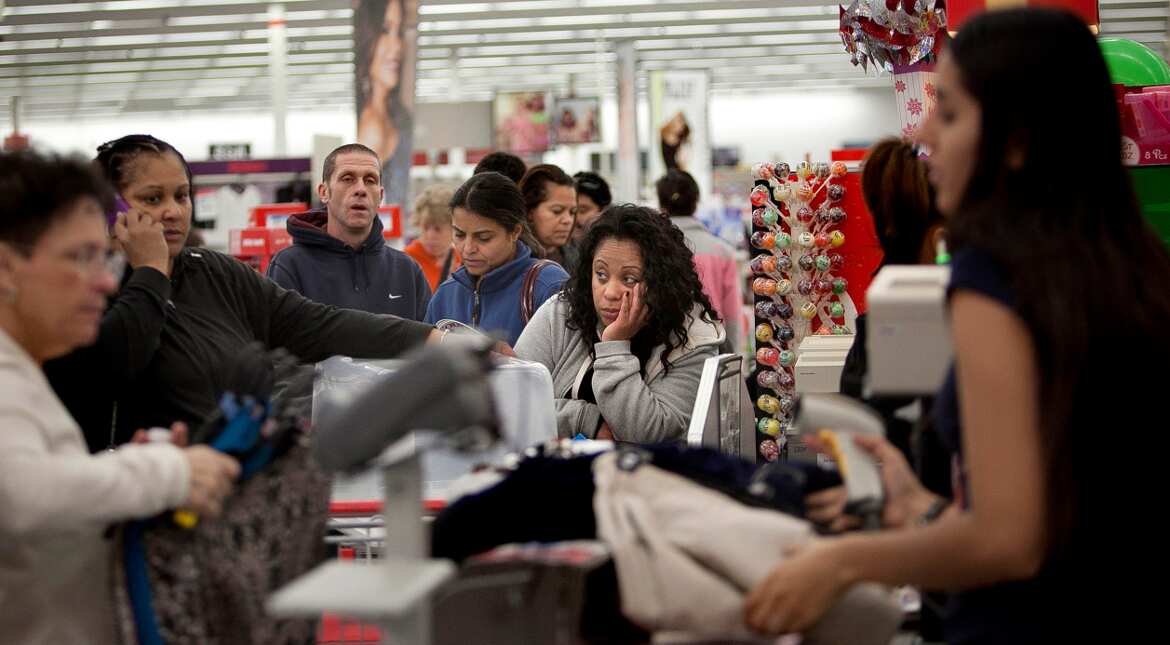
Consumer confidence in the United States declined more than expected in August, as an unclear economic outlook and persistent inflation dampened optimism.
The Conference Board's index dipped to 106.1 this month from 114 in July, according to figures released Tuesday. The figure fell short of all forecasts in a Bloomberg survey, reversing most of the previous two months' gains.
The group's current circumstances index slipped to 144.8, the lowest level since November. A measure of consumer expectations, which measures their six-month view, fell to 80.2, remaining marginally higher than in June.

Furthermore, expected inflation for the coming year increased to 5.8 percent, the first increase in five months. While lower inflation has provided some respite to consumers, excessive costs remain a source of concern.
"Consumers were once again preoccupied with rising prices in general, and for groceries and petrol in particular," Conference Board chief economist Dana Peterson said in a statement.
Following the release of the confidence statistics and concurrent Bureau of Labor Statistics data on July job vacancies, the yield on 10-year Treasury notes dropped and equities continued gains.
)
BRICS Summit 2026: Global leaders of BRICS nations attend main open session
)
Houthis launch cross-border strike on Saudi Arabia as Yemen war escalates
)
Why asking questions could be more important than memorising answers
)
BRICS Summit 2026: PM Modi addresses Day 2 of 18th BRICS summit
)
IND vs AFG, 1st T20I: When and where to watch live streaming in India?
)
Why going digital does not always mean becoming more efficient
)
Migration protests return to Portsmouth as rival demonstrations face off
)
PM Modi and China's Xi offered to help resolve Russia-Ukraine war: Kremlin
)
War is making Russia stronger? How Ukraine is shaping Moscow’s next generation of weapons
)
Could staying indoors all day affect your health?
)
Humans may lose control of AI: Anthropic CEO calls for slowdown, Altman, Musk back him
)
BRICS Summit 2026: PM Modi, Xi reach key consensus on ties, China to assume BRICS chairmanship in 2027
)
Bigg Boss 20: Qazi Touqeer gets a special ‘rockstar’ moment from Salman Khan
)
800 million years old - Scientists discover 'fingerprints' of supercontinent Gondwana in ancient rocks
)
Top 5 places to visit in Goa beyond its famous beaches
)
Osama Bin Laden ‘planned’ to target India, CIA reveals dozens of declassified documents
)
BRICS Summit 2026: PM Modi to hold bilateral with leaders of seven countries
)
BRICS Summit 2026: Consensus on joint declaration, diplomatic win for India
)
BRICS Summit 2026: Chinese president Xi Jinping departs from New Delhi after attending BRICS summit
)
'He is popular...': Malaysian PM Anwar Ibrahim's praise for PM Modi during bilateral meeting | WATCH
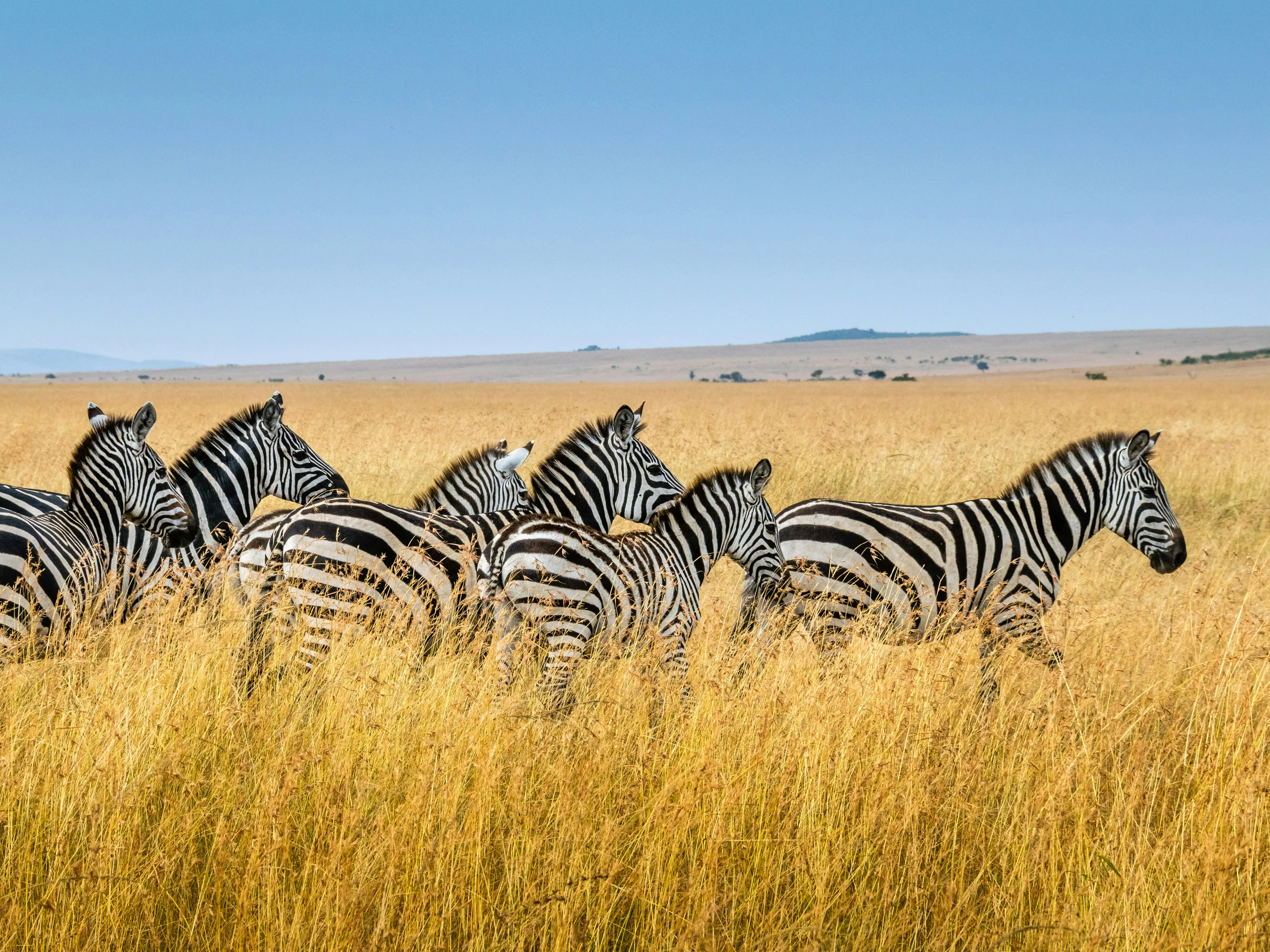)
How does the loss of forests affect the way wildlife lives and moves?
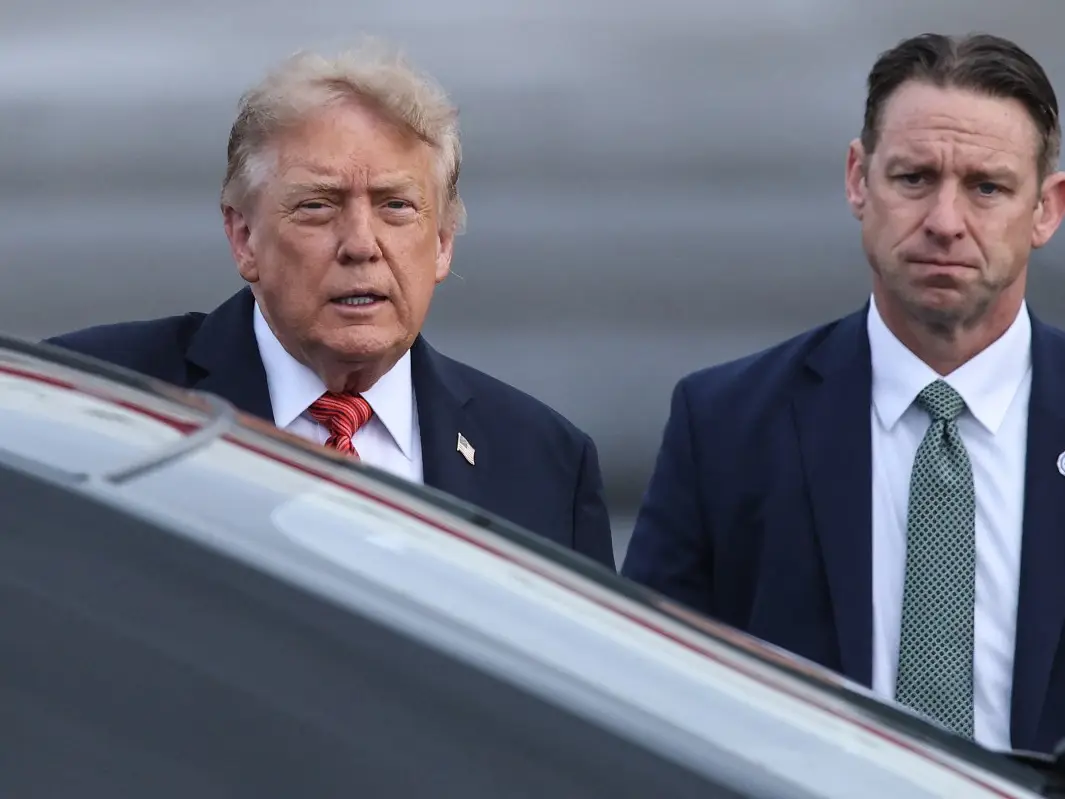)
Trump says Canada eager to reach a deal, it could come ‘fairly soon’ if Ottawa treats US farmers better
)
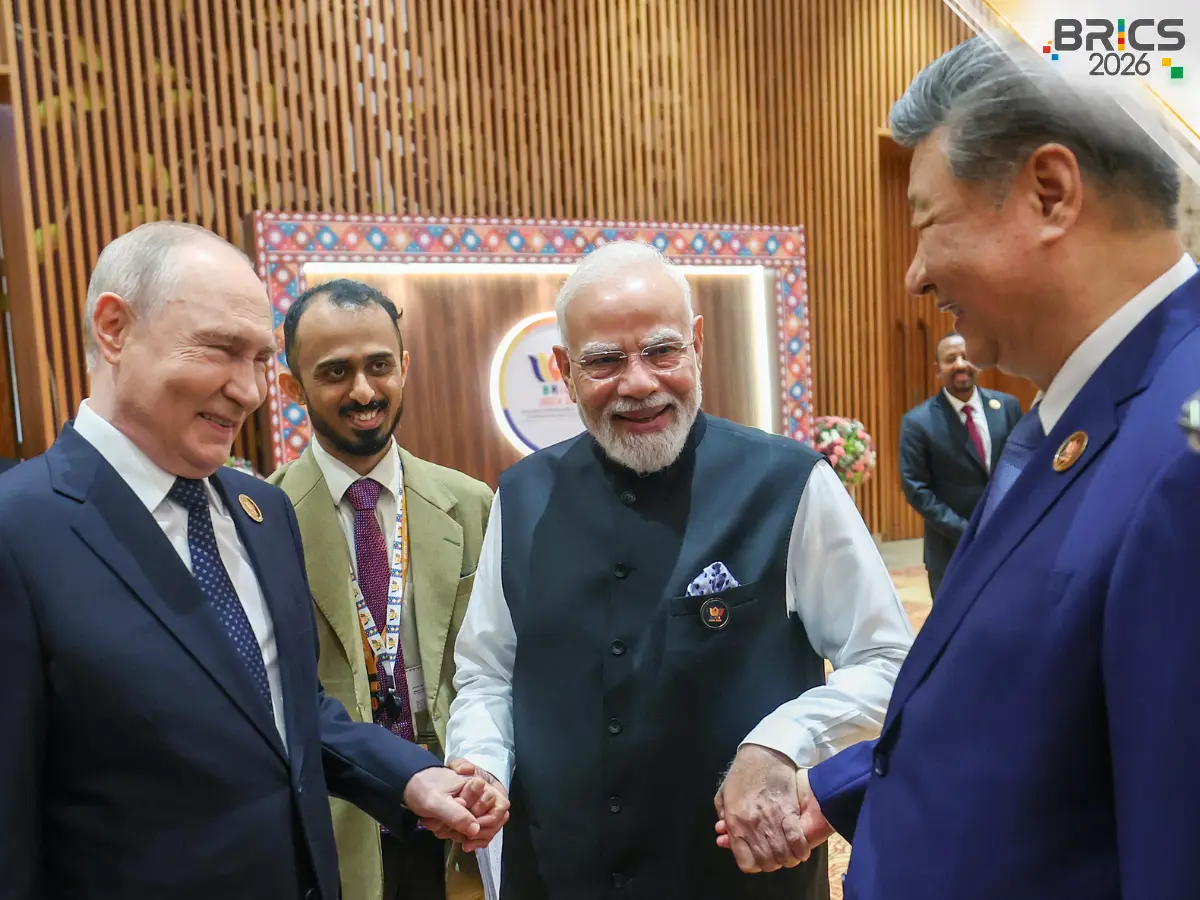
Who is the smiling man beside Modi, Putin and Xi at BRICS Summit 2026?
)
Why does your skin need protection from UV rays?
)
'Iran won't surrender': Pezeshkian sends blunt message to US while attending BRICS Summit in India
&im=FitAndFill=(700,400))
Why do air defence missiles explode near their target instead of hitting it?
&im=FitAndFill=(700,400))
Why Chinese PL-15 air-to-air missiles use dual-pulse motors compared to European interceptors
)
Ramanathaswamy temple takes centre stage as PM Modi welcomes world leaders at BRICS
)
BRICS Summit day 1: New Delhi declaration adopted with full consensus, big diplomatic win for India
)
Why dehydration is the hidden cause of travel fatigue on long flights
)
Did Iran President Pezeshkian touch feet of Hindu spiritual leader at Delhi event as shown in viral video?
)
Celine Dion makes emotional stage comeback after six years: 'I'm so delighted to see you'
&im=FitAndFill=(700,400))
Meet top 5 batters fastest to 3000 runs in T20Is
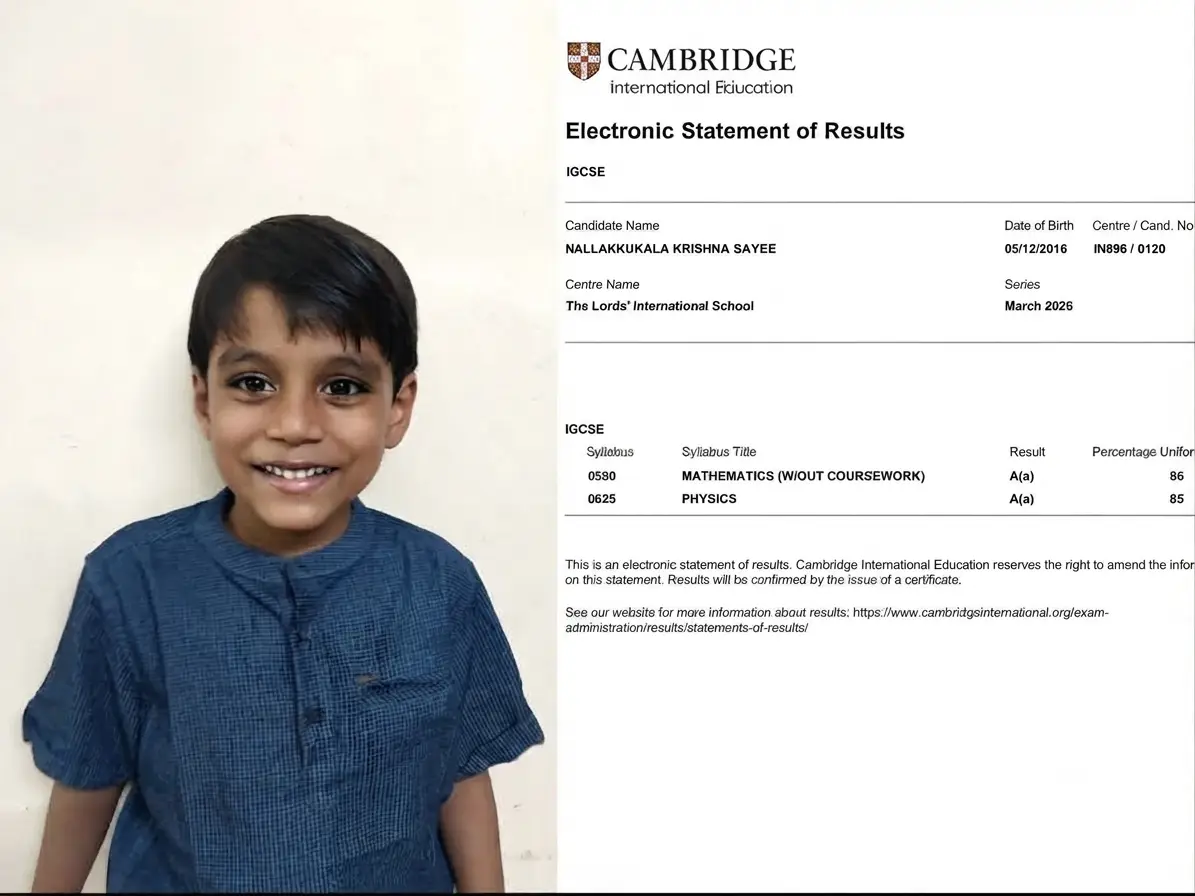)
9-year-old Chennai prodigy clears Cambridge IGCSE grade 10 exams
)
Why do wild animals need quiet places to survive?
)
‘Partners, not rivals’: Xi outlines four point plan for stronger India-China ties
)
Why does your body need time to adjust after a long journey?
)
From severe mobility problems to recovery: Madhuri the elephant’s journey of wildlife care
Though economists have been extending their recession estimates due to improved economic progress, many still expect a dip in the next year as consumers show symptoms of weakness beneath the surface. Some Americans are using credit cards to make ends meet, while others are reducing their spending entirely.
Furthermore, respondents to the study were more pessimistic about the labor sector, where resilience has been a crucial source of the economy's continued performance this year.
Fewer consumers claimed employment was "abundant", while more said it was "hard to come by. The gap between the two metrics, which economists use to judge labor-market health, has shrunk to its smallest since April 2021.
A separate government study expected Friday will give more insight into the labor market's trajectory. While the US is expected to gain the fewest jobs since the end of 2020 in August, this would still be a respectable rate of payroll growth.
According to the study, high borrowing prices impacted confidence in August. Almost two-thirds of respondents indicated they expected rising interest rates in the coming months, the highest number since November.
"On a six-month moving average basis, plans to purchase automobiles and appliances continued to trend upward, but plans to purchase homes continued to trend downward—more in line with rising interest rates," Peterson said.
(With inputs from Reuters)