

&imwidth=800&imheight=600&format=webp&quality=medium "UK economy shrinks again in May, signalling fragile recovery")
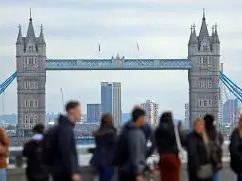
The UK economy unexpectedly contracted in May, marking its second consecutive monthly decline and raising concerns about the strength of the country’s post-pandemic recovery. According to data released by the Office for National Statistics (ONS) on July 11, gross domestic product (GDP) fell by 0.1 per cent in May, following a sharper 0.3 per cent drop in April. The contraction caught analysts off guard, as consensus forecasts had anticipated modest growth of 0.1 per cent. The latest figures point to a significant slowdown in the second quarter after the economy posted a 0.7 per cent expansion in the first three months of the year.
May’s downturn was led by a 0.9 per cent drop in production output and a 0.6 per cent decline in construction. Manufacturing, particularly car production and the volatile pharmaceutical sector, weakened, while oil and gas extraction also contributed to the slump. In contrast, the services sector registered some growth, with improvements in legal services helping to partially offset the wider downturn. Retail performance remained notably weak during the month, adding further pressure to the overall economic picture. The May contraction dragged the pound down by 0.2 per cent against the dollar, reflecting growing investor unease.
Tariffs, tax rises, and uncertain outlook
The UK’s economic momentum has struggled to recover from the combined impact of global trade disruptions and domestic fiscal changes. The contraction in April had already been attributed to the introduction of new domestic tax rises and the shockwaves from US President Donald Trump’s sweeping tariff announcements, which included a 10 per cent reciprocal tariff on UK goods.
Despite securing a bilateral trade deal with the United States, the UK has not been insulated from the broader uncertainty caused by shifting global trade dynamics. The initial surge in export activity during the first quarter—fuelled by businesses rushing to beat US tariffs—now appears to have been a one-off boost rather than a sign of sustained growth.
Although GDP grew 0.5 per cent in the March-to-May period, the back-to-back contractions in April and May point to a fragile economic environment. Economists now expect GDP growth to decelerate sharply in the second quarter, with revised forecasts predicting only 0.1 per cent growth, far below earlier expectations.
Trending Stories
&imwidth=180&imheight=135&format=webp&quality=medium)
Lula campaign accuses Meta of election interference after social media content blocked
&imwidth=180&imheight=135&format=webp&quality=medium)
US troop deaths in Iran war on rise? Pentagon reveals latest toll
&imwidth=180&imheight=135&format=webp&quality=medium)
100,000 strikes in 3 years: How October 7 redefined Israel's war
&imwidth=180&imheight=135&format=webp&quality=medium)
‘Your people don’t even let us near it’: IAF chief’s blunt response on US F-35; India yet to decide on Russia’s Su-57
&imwidth=180&imheight=135&format=webp&quality=medium)
Real or fake? PIB fact-checks protest videos; Delhi Police clarifies on Gurdwara Bangla Sahib clip
&imwidth=180&imheight=135&format=webp&quality=medium)
UK navy hit by espionage scandal: Sailor accused of spying for Russia | Gravitas
&imwidth=180&imheight=135&format=webp&quality=medium)
Saudi Arabia's King Khalid International Airport attack kills 12, injures 309; India calls it 'unacceptable'
&imwidth=180&imheight=135&format=webp&quality=medium)
‘Never-ending flow of cheap labour’: JD Vance hits back at Indian-origin Congresswoman over US green card curbs for major tech companies
&imwidth=180&imheight=135&format=webp&quality=medium)
Panama president declares ‘major disaster’ after powerful 7.7-magnitude earthquake; over 80 aftershocks recorded
&imwidth=180&imheight=135&format=webp&quality=medium)
HYBE’s Weverse Con India sets ticket sale date for March 2027 festival
&imwidth=180&imheight=135&format=webp&quality=medium)
Messi scores twice in Inter Miami return following final match for Argentina
&imwidth=180&imheight=135&format=webp&quality=medium)
CJP's Abhijeet Dipke, Ashutosh Ranka, Saurav Das released 22 hours after flight detention
&imwidth=180&imheight=135&format=webp&quality=medium)
'Unwarranted interference': India slams UN human rights office over remarks on Delhi protests
&imwidth=180&imheight=135&format=webp&quality=medium)
'Jantar Mantar not the story of India': BJP's Sambit Patra claims 'anarchists' tried to hold Delhi captive
&imwidth=180&imheight=135&format=webp&quality=medium)
Nicolas Cage refuses AI waiver for Spider-Noir, hints at Amazon exit and True Detective role
&imwidth=180&imheight=135&format=webp&quality=medium)
Riyadh airport hit in missile attack, dozens injured; 5 in intensive care
&imwidth=180&imheight=135&format=webp&quality=medium)
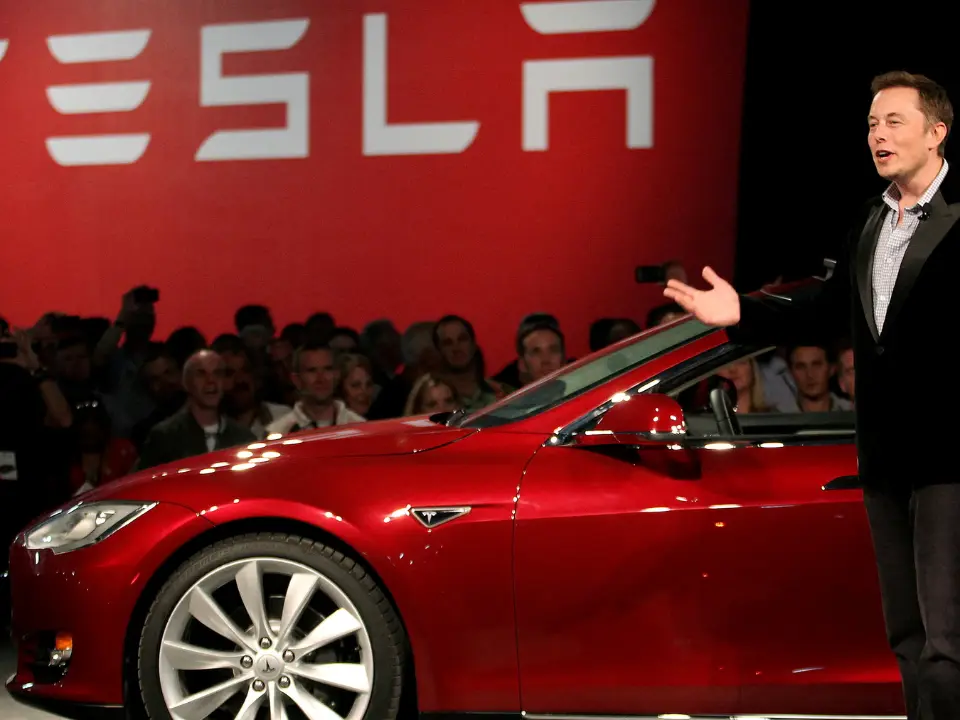
'Spent Rs 2,000 cr to elect Trump': Elon Musk bought US President's loyalty by writing the biggest political cheque in human history
&imwidth=180&imheight=135&format=webp&quality=medium)
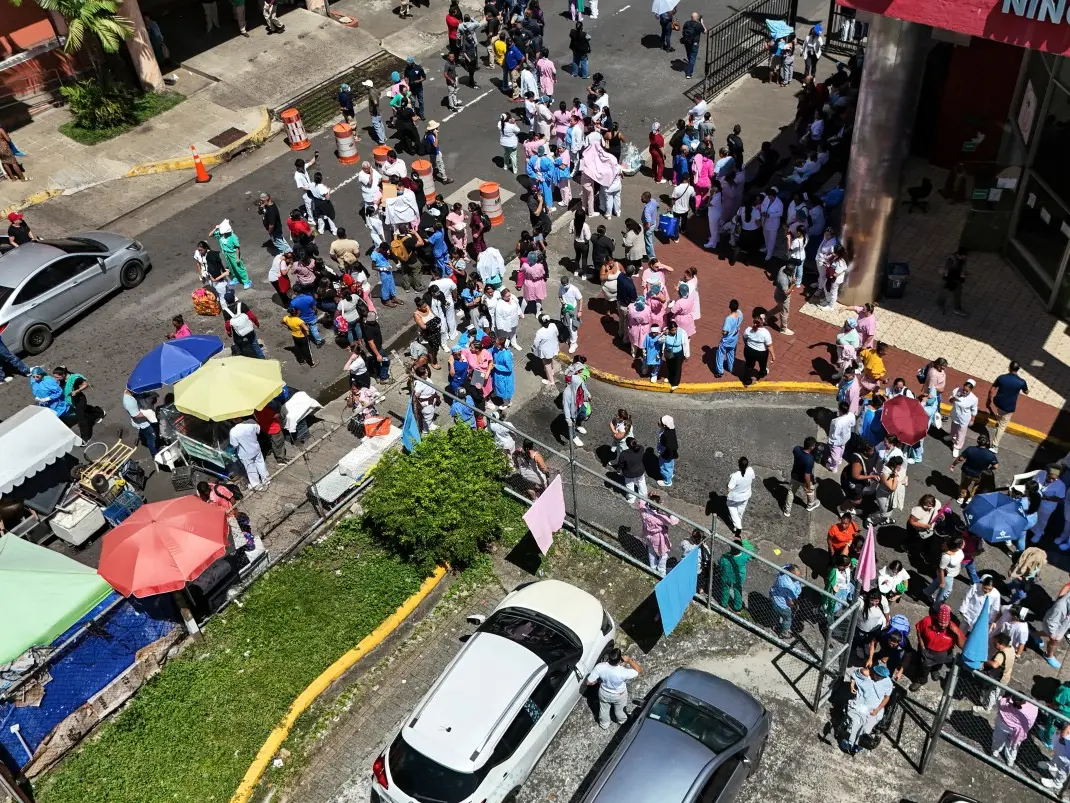
Powerful 7.7 magnitude earthquake strikes Panama, tsunami warning issued
&imwidth=180&imheight=135&format=webp&quality=medium)
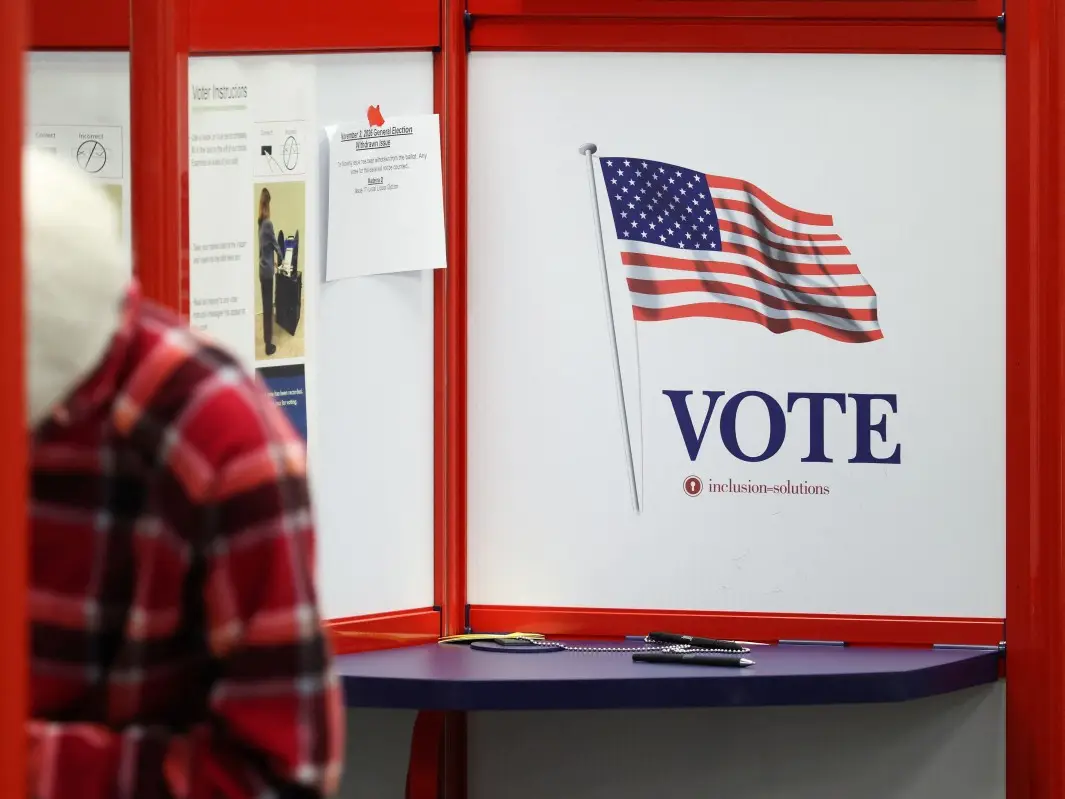
US mid-term elections: What are PACs - Unique American System that lets corporates shape voting
&imwidth=180&imheight=135&format=webp&quality=medium)
'Ouch!!! That must hurt': Kangana Ranaut hails Kamal Haasan's sharp reply to Elon Musk over Starlink row
&imwidth=180&imheight=135&format=webp&quality=medium)
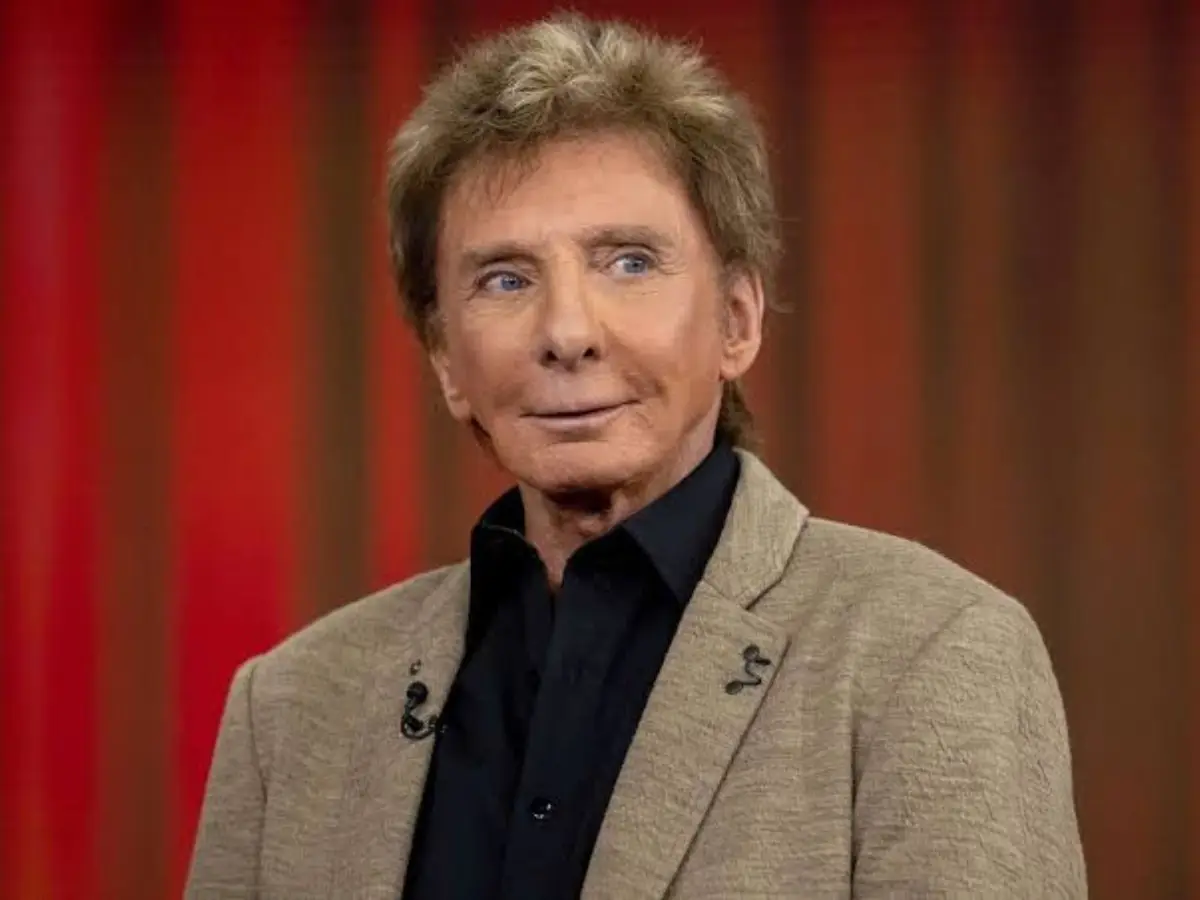
Barry Manilow cuts short Las Vegas comeback show, cancels next concert over Bronchitis
&imwidth=180&imheight=135&format=webp&quality=medium)
Hamas used double agents, deceived Israel to carry out October 7 massacre
&imwidth=180&imheight=135&format=webp&quality=medium)
Bigg Boss 20: Who is Manish Goel? Meet the new wild card contestant on Salman Khan’s show
&imwidth=180&imheight=135&format=webp&quality=medium)
Portugal Federation confirms Cristiano Ronaldo’s return to national team despite suspension
&imwidth=180&imheight=135&format=webp&quality=medium)
Kim Kardashian brings glamour to Singapore Grand Prix while supporting boyfriend Lewis Hamilton
&imwidth=180&imheight=135&format=webp&quality=medium)
All 22 Indian seafarers safe in attack on Panama-flagged tanker off UAE coast
&imwidth=180&imheight=135&format=webp&quality=medium)
‘Time for Ukraine to get a new president’: Trump lashes out at Zelensky over Russia strikes
&im=FitAndFill=(700,400)&imwidth=180&imheight=135&format=webp&quality=medium)
Amitabh Bachchan @ 84: A look at his most iconic on-screen avatars - Anthony Gonsalves, Vijay Kumar and more
&imwidth=180&imheight=135&format=webp&quality=medium)
BTS’ RM raises privacy concerns over drones, lasers outside hotel amid Lima concert, urges fan respect
&imwidth=180&imheight=135&format=webp&quality=medium)
Thai queen becomes first reigning monarch to fly jet solothailand #queen #wion
&im=FitAndFill=(700,400)&imwidth=180&imheight=135&format=webp&quality=medium)
Food shortages, suicide attempts and more: USS Abraham Lincoln returns to US after 321 day deployment — What happened aboard the US carrier?
&imwidth=180&imheight=135&format=webp&quality=medium)
Rahul Gandhi calls Modi, Shah ‘cowards’ amid CJP protest crackdown in Delhi
&imwidth=180&imheight=135&format=webp&quality=medium)
‘Had he known, would have been here’: CJP Chief Abhijeet Dipke denied news of grandmother's death, family claims
&imwidth=180&imheight=135&format=webp&quality=medium)
Where are Abhijeet Dipke, Ashutosh Ranka, Saurav Das? CJP gives big update after flight detention
&imwidth=180&imheight=135&format=webp&quality=medium)
Putin conveys Iran’s proposal to Trump, offers to take Tehran’s enriched uranium
Meanwhile, the Bank of England, which has already cut interest rates from 5.25 per cent to 4.25 per cent over the past year, faces mounting pressure to act again. Market pricing now reflects an 80 per cent likelihood of a further rate cut in August, despite inflation remaining above 3 per cent.
As the government prepares its autumn budget, rising public debt and recent policy U-turns, particularly on welfare and winter fuel support, have limited fiscal flexibility. With public finances under strain and tax rises looming, economists warn that growth could remain subdued for the rest of the year.