UAW warns to expand strike if dialogue doesn’t lead to “serious progress”: Report


UAW workers protesting against industry giants
If “serious progress” is not made towards a resolution, the United Auto Workers (UAW)have warned to extend their historic strike against Detroit's Big Three automakers on Friday, according to a report by The Washington Post.
UAW President Shawn Fain gave General Motors, Ford, and Stellantis until noon on Friday, which will mark one week since the union started striking at three factories, one at each company, in a video uploaded late Monday. The industry is transitioning to electric vehicles, which could result in additional plant closures. The union is asking for a significant pay rise, improved benefits, and more employment protections.
“We’re going to keep hitting the company where we need to, when we need to,” The Washington Post quoted Fain as saying. “And we’re not going to keep waiting around forever while they drag this out.”

The strike's participating factories were not disclosed by Fain. He also refrained from announcing that provisional agreements would be required to prevent further strikes and did not define what would constitute “serious progress.” The current strikes affect the Wentzville, Missouri, GM van and truck facility, the Toledo Stellantis plant that manufactures the Jeep Wrangler and Gladiator, and the Wayne, Michigan, Ford plant that produces the Ranger pickup and Bronco SUV.
Separately, Ford and the employees' union, Unifor, avoided a strike on Tuesday by coming to a tentative contract agreement. The union said the agreement made "fundamental, transformative gains that addressed our core priorities of pensions, wages, and the EV transition." Late on Tuesday, the union and Ford announced that they had achieved an agreement.
Both parties declined to provide details, stating that the workers must yet ratify the arrangement. The agreement was reached just after 5,600 Ford employees and Unifor announced they were prepared to strike. An engine manufacturing facility in Windsor, Ontario, which produces engines for the business's extremely lucrative F-series trucks, was one of the workplaces threatening a work stoppage.
&imwidth=180&imheight=135&format=webp&quality=medium)
BTS agency HYBE announces first-ever Weverse Con Festival in India
&imwidth=180&imheight=135&format=webp&quality=medium)
'We don't think so': Trump says Russian plague lab worker's death not linked to bio-weapon
&im=FitAndFill=(700,400)&imwidth=180&imheight=135&format=webp&quality=medium)
US midterms 2026: 10 leaders and candidates to watch in the battle for Congress
&imwidth=180&imheight=135&format=webp&quality=medium)
Ronaldo sends 'a hug' after Messi says he misses 'wearing the blue and white'
&imwidth=180&imheight=135&format=webp&quality=medium)
Narendra Modi Stadium bomb threat declared hoax; India & Australia U19 squads safe
&imwidth=180&imheight=135&format=webp&quality=medium)
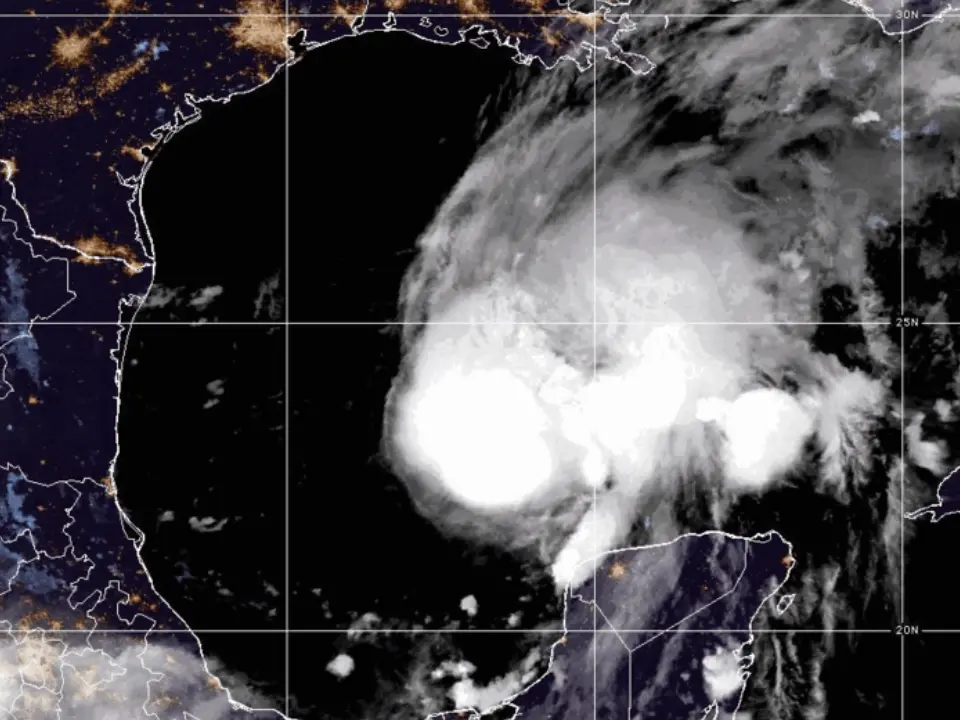
Atlantic hurricane Isaias could make landfall as a strong Category 2 storm, tornado warnings issued
&imwidth=180&imheight=135&format=webp&quality=medium)
France holds talks with Taliban government amid diplomatic outreach
&imwidth=180&imheight=135&format=webp&quality=medium)
Thai Actors Fourth Nattawat, Gemini Norawit face racism accusations from Indian fans over viral Bollywood act
&imwidth=180&imheight=135&format=webp&quality=medium)
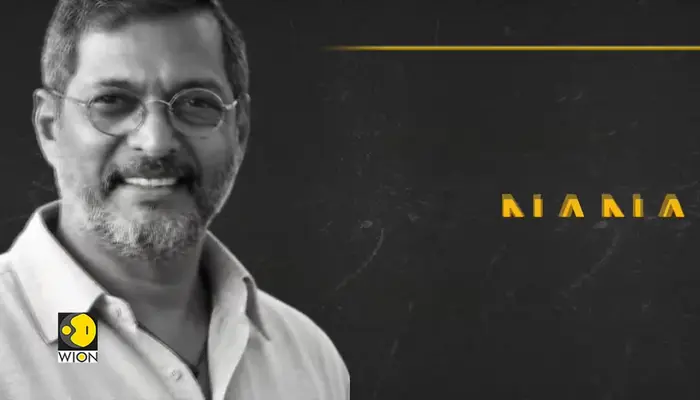
Nana Patekar: Remembering a legend of the Indian cinema
&imwidth=180&imheight=135&format=webp&quality=medium)
Christa Pike 'angry' and 'confused' after failed execution; judge orders to preserve evidence
&imwidth=180&imheight=135&format=webp&quality=medium)
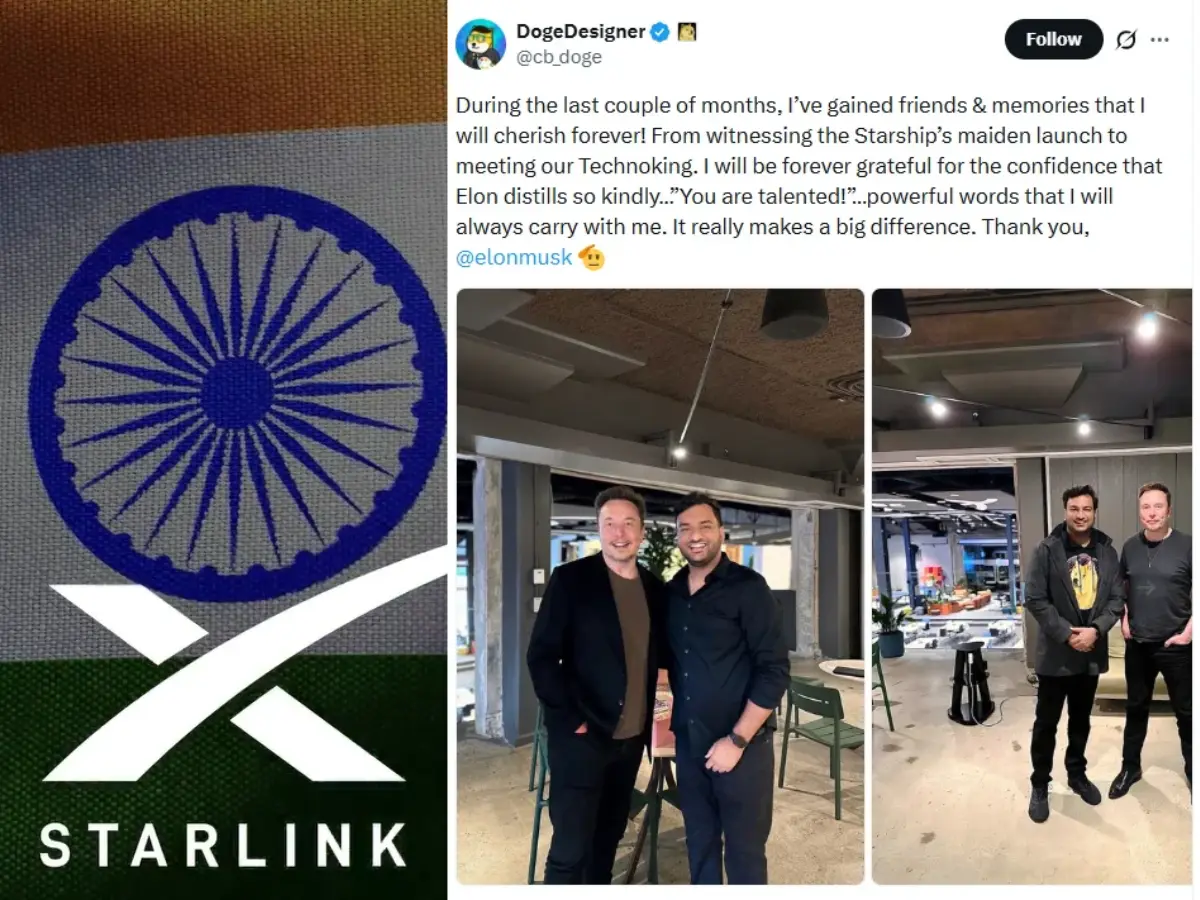
Who is DogeDesigner? All we know about the X account that sparked India-Musk-Starlink ‘oligarchs’ controversy
&imwidth=180&imheight=135&format=webp&quality=medium)
'Baseless and misconceived': India issues statement after Elon Musk's 'oligarchs' claim over Starlink delay
&imwidth=180&imheight=135&format=webp&quality=medium)
Sri Lankan Tamil worker gets death sentence in Saudi Arabia over blasphemy, calls for pardon intensify
&imwidth=180&imheight=135&format=webp&quality=medium)
‘You earned that love’: Messi’s wife shares heartfelt message as football icon bids farewell to international stage
&imwidth=180&imheight=135&format=webp&quality=medium)
Nana Patekar's #MeToo controversy: From Tanushree Dutta’s allegations to court ruling
&imwidth=180&imheight=135&format=webp&quality=medium)
Musk alleges ‘oligarchs’ blocking Starlink in India, here is what we know so far
&imwidth=180&imheight=135&format=webp&quality=medium)
Trump to honour Elon Musk, Sergey Brin and Jensen Huang with top science honour at White House. Check the full list here
&imwidth=180&imheight=135&format=webp&quality=medium)
Nadella to be honoured with national medal of technology & innovation
&imwidth=180&imheight=135&format=webp&quality=medium)
Nigerian President Bola Ahmed Tinubu hails Modi’s 25-year leadership milestone, calls for deeper Nigeria-India strategic ties
&imwidth=180&imheight=135&format=webp&quality=medium)
US Midterms 2026: Barack Obama hits campaign trail to boost Democratic candidates
&imwidth=180&imheight=135&format=webp&quality=medium)
‘Team first and team ahead’: India coach Gambhir pens heartfelt wish for chief selector Ajit Agarkar
&im=FitAndFill=(700,400)&imwidth=180&imheight=135&format=webp&quality=medium)
World’s top vehicle producers: Top 10 countries making the most cars. Check where India stands
&imwidth=180&imheight=135&format=webp&quality=medium)
Christa Pike wakes after failed execution, asks 'Where am I and who are you?'
&imwidth=180&imheight=135&format=webp&quality=medium)
Shia LaBeouf and Mia Goth head for divorce after nearly 10 years
&imwidth=180&imheight=135&format=webp&quality=medium)
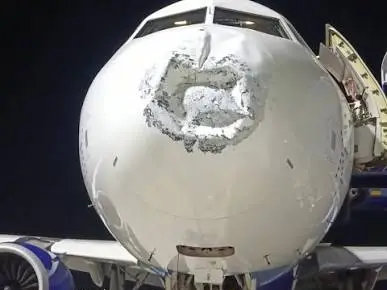
Lightning strikes IndiGo Patna-Lucknow flight at 17,000 feet, damages nose; all 110 safe
&imwidth=180&imheight=135&format=webp&quality=medium)
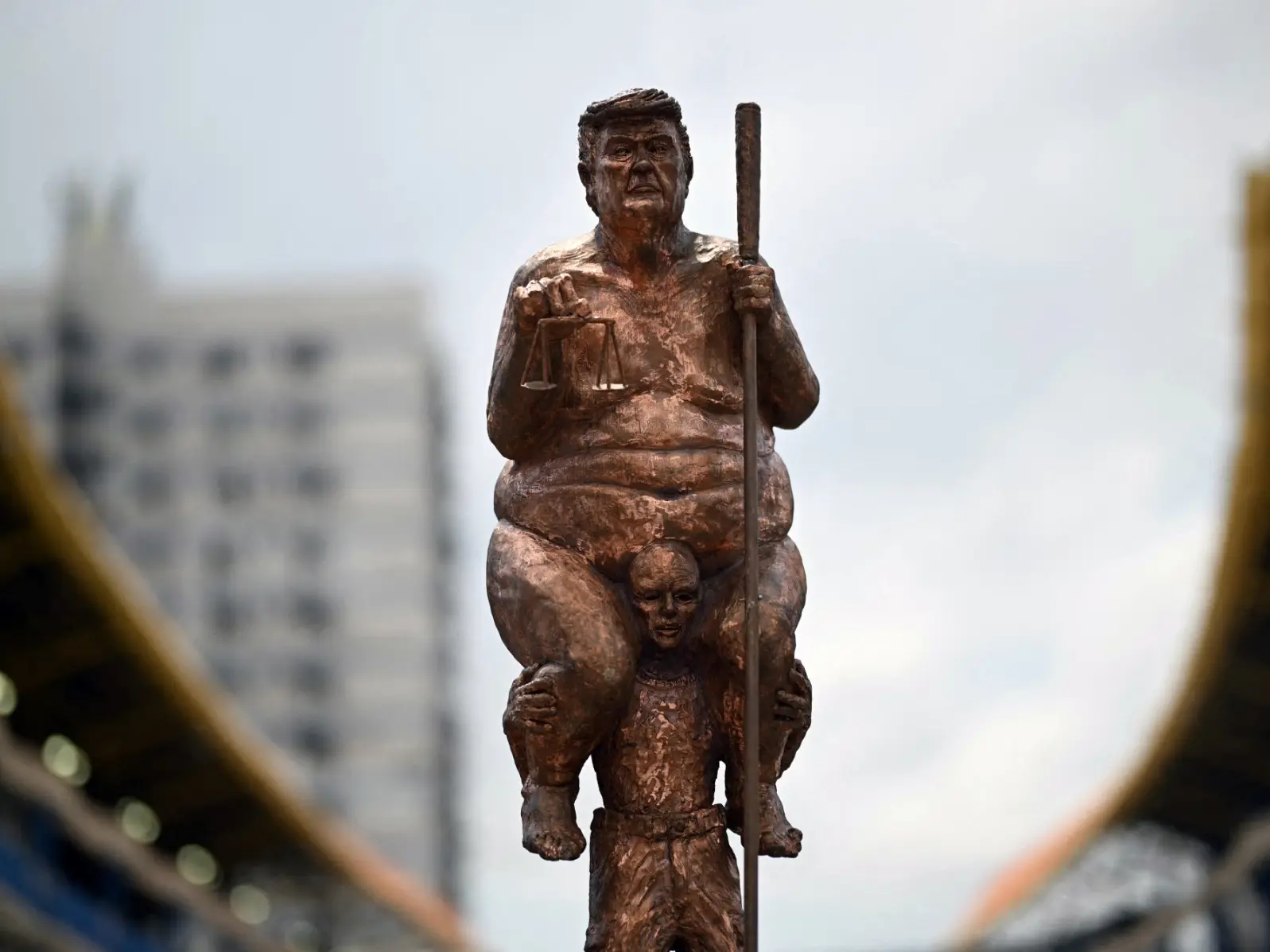
Trump's naked 23-karat gold statue unveiled near European Parliament
&imwidth=180&imheight=135&format=webp&quality=medium)
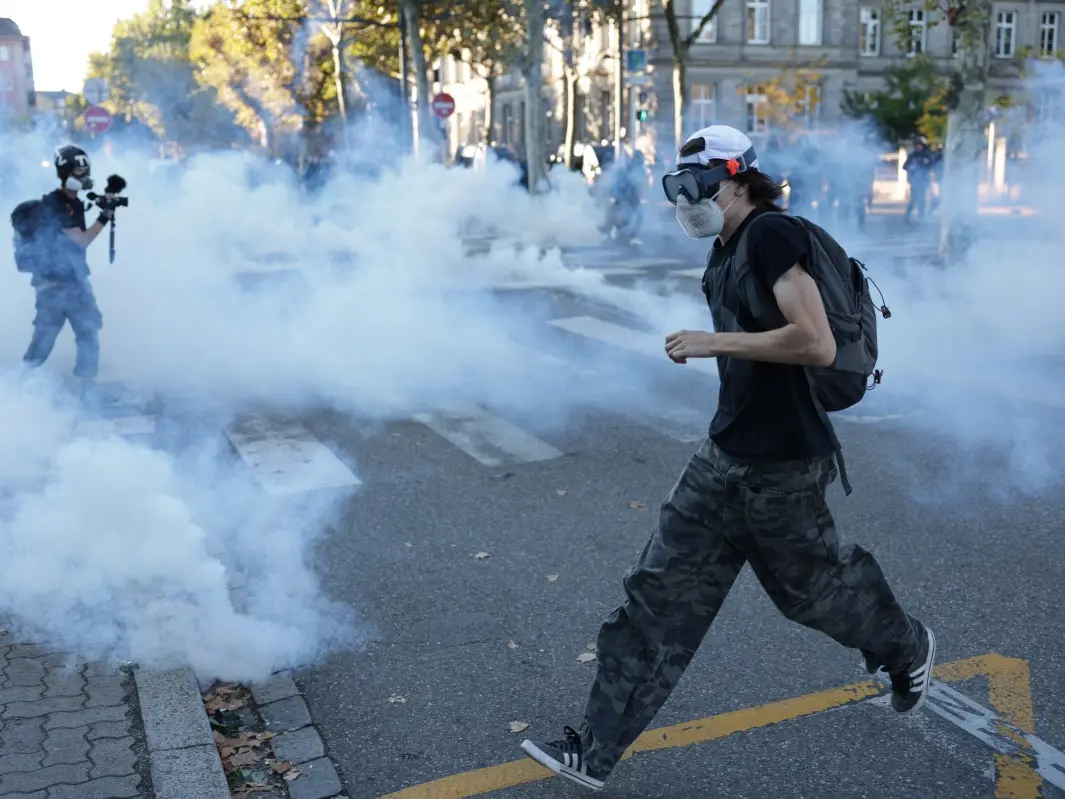
France protests: How a Gen Z school movement turned into a political war | The Verdict
&imwidth=180&imheight=135&format=webp&quality=medium)
Zendaya gives The Odyssey white lace jacket a stylish twist at Paris Fashion Week 2026
&imwidth=180&imheight=135&format=webp&quality=medium)
BJP chief Nitin Nabin calls Rahul Gandhi ‘anarchist’, says Oppn ‘spreading poison’ in society
&imwidth=180&imheight=135&format=webp&quality=medium)
Veteran actor Nana Patekar dies at 75 after suffering cardiac arrest
&imwidth=180&imheight=135&format=webp&quality=medium)
US readying to strike Iran? Report suggests Trump preparing to put on show of strength ahead of US midterms
&imwidth=180&imheight=135&format=webp&quality=medium)
New Cold War: Why is China buying more gold? Explained
&imwidth=180&imheight=135&format=webp&quality=medium)
A Love Other Than Yours: The temptation to cheat and what pushes people over the edge
&imwidth=180&imheight=135&format=webp&quality=medium)
US midterms 2026: Why the Latino vote could shape control of Congress
&imwidth=180&imheight=135&format=webp&quality=medium)
Captain Smit Machchhar on feet again, walks 10 steps as recovery continues after Flydubai flight attack
&imwidth=180&imheight=135&format=webp&quality=medium)
Who is Nana Patekar's wife Neelakanti? The bank officer who earned Rs 2,500 when he earned Rs 50
&imwidth=180&imheight=135&format=webp&quality=medium)
IndiGo flight struck by lightning at 17,000 feet, nose of Patna-Lucknow flight damaged
When Unifor announced the tentative agreement, it claimed that it had “used the most potent tool at our union's disposal: the right to strike.”
Although Unifor is also in negotiations with GM and Stellantis, it has decided to put its current agreements with those businesses on hold in order to concentrate on discussions with Ford.
The UAW and the automakers in the United States are still at odds over the provisions of a new, four-year contract. The automakers are only willing to provide roughly 20 per cent of the 36 per cent wage raise the union is asking for over a four-year period.
The current system of tiered pay for employees is nevertheless a source of contention because younger workers receive lower pay and perks or spend years in a temporary employment status. The businesses have offered to reduce the time it takes for employees to reach the top salary rate and have suggested raising the starting pay for temporary employees by 20 per cent, to $20 per hour. They did not, however, give in to all of the union's demands.
Following Fain's comments late Monday, Ford stated that it has conceded a lot in the negotiations and is still committed to reaching an agreement. Ford is providing certain compensation adjustments for the cost of living, additional contributions to employees' retirement savings, and more paid time off in addition to 20 per cent wage increases spread over four years
WATCH WION LIVE HERE