UAW reaches agreements with Detroit automakers, ending strikes


UAW workers protesting against industry giants
After a six-week-long campaign of coordinated strikes, the United Auto Workers (UAW) and General Motors (GM) reached a tentative agreement on Monday, marking the end of the unprecedented strike against Detroit's "Big Three" automakers. This labour victory follows similar deals made between the UAW and Ford Motor and Chrysler-owner Stellantis, signifying a turning point for auto workers who have endured stagnant wages and concessions since the 2008 financial crisis.
In a video address, UAW President Shawn Fain expressed his conviction that the strike had succeeded in achieving significant concessions from General Motors. Reuter quoted him as saying, "We wholeheartedly believe our strike squeezed every last dime out of General Motors. They underestimated us. They underestimated you."
As the strike was officially suspended against the Detroit Three, UAW local leaders are set to convene in Detroit to consider the agreement with GM. The terms will then be presented to all union workers for approval. GM CEO Mary Barra conveyed her anticipation for a swift return to work across all of the company's operations.

These new contracts will come at a significant cost for the automakers, making it challenging for them to compete with electric-vehicle leader Tesla and non-union foreign brands like Toyota. The deals include substantial wage increases for veteran workers and financial incentives for retirees until 2028.
The negotiations between the UAW and GM had their share of sticking points, particularly regarding pension benefits. GM, which has a larger number of retirees than Ford or Stellantis, was subject to intense scrutiny during the talks.
One turning point in the negotiations was the UAW's decision to strike a crucial GM engine factory in Spring Hill, Tennessee. Fain referred to this move as the "knockout blow" that ultimately led to the agreement.
)
Why asking questions could be more important than memorising answers
)
Osama Bin Laden ‘planned’ to target India, CIA reveals dozens of declassified documents
)
'Iran won't surrender': Pezeshkian sends blunt message to US while attending BRICS Summit in India
)
BRICS Summit 2026: Global leaders of BRICS nations attend main open session
)
Celine Dion makes emotional stage comeback after six years: 'I'm so delighted to see you'
)
PM Modi and China's Xi offered to help resolve Russia-Ukraine war: Kremlin
)
Why dehydration is the hidden cause of travel fatigue on long flights
&im=FitAndFill=(700,400))
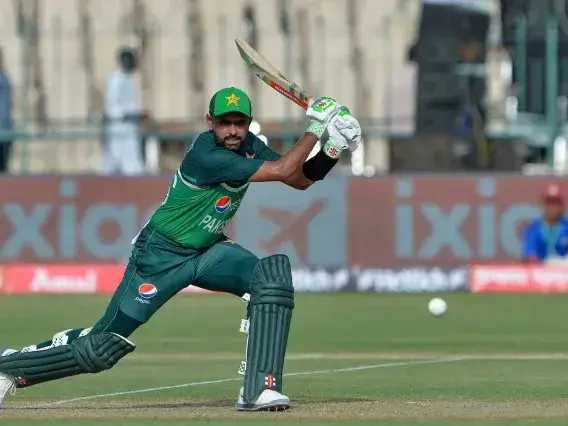
Meet top 5 batters fastest to 3000 runs in T20Is
)
Top 5 places to visit in Goa beyond its famous beaches
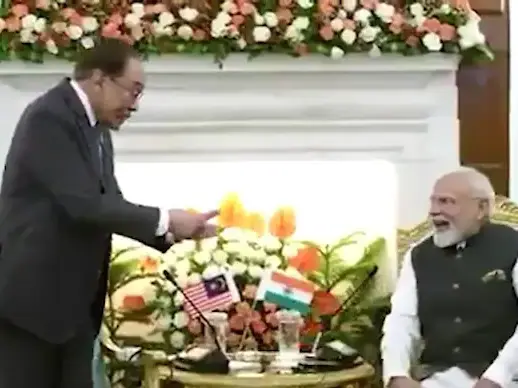)
'He is popular...': Malaysian PM Anwar Ibrahim's praise for PM Modi during bilateral meeting | WATCH
)
BRICS Summit 2026: PM Modi, Xi reach key consensus on ties, China to assume BRICS chairmanship in 2027
)
BRICS Summit 2026: Consensus on joint declaration, diplomatic win for India
)
Trump says Canada eager to reach a deal, it could come ‘fairly soon’ if Ottawa treats US farmers better
)
‘Partners, not rivals’: Xi outlines four point plan for stronger India-China ties
&im=FitAndFill=(700,400))
Why Chinese PL-15 air-to-air missiles use dual-pulse motors compared to European interceptors
)
Could staying indoors all day affect your health?
)
BRICS Summit 2026: PM Modi addresses Day 2 of 18th BRICS summit
)
Who is the smiling man beside Modi, Putin and Xi at BRICS Summit 2026?
)
800 million years old - Scientists discover 'fingerprints' of supercontinent Gondwana in ancient rocks
)
Why going digital does not always mean becoming more efficient
&im=FitAndFill=(700,400))
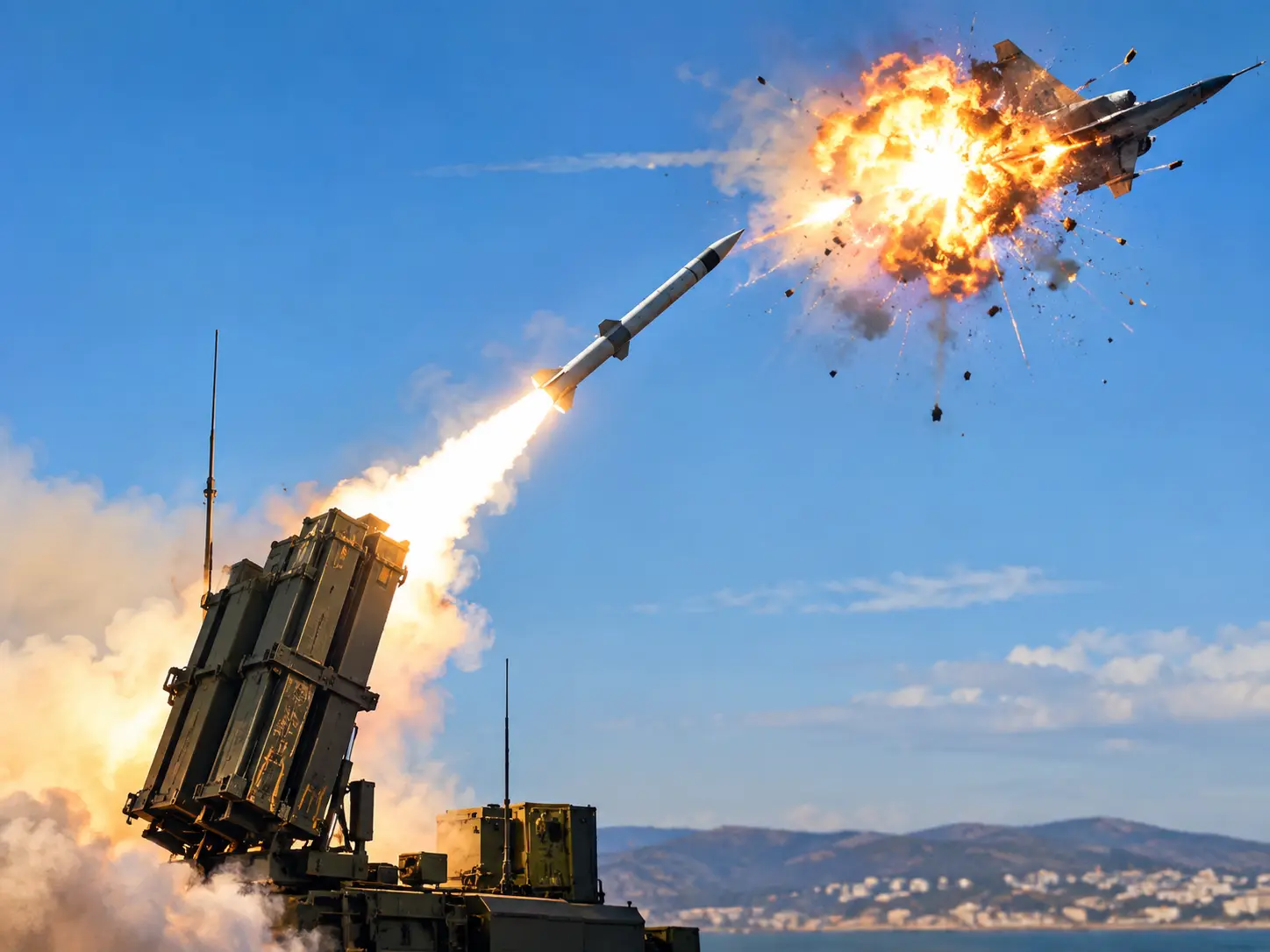
Why do air defence missiles explode near their target instead of hitting it?
)
War is making Russia stronger? How Ukraine is shaping Moscow’s next generation of weapons
)
Migration protests return to Portsmouth as rival demonstrations face off
)
From severe mobility problems to recovery: Madhuri the elephant’s journey of wildlife care
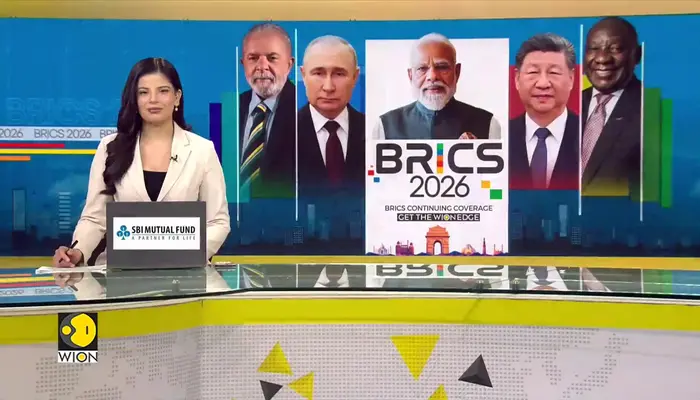)
BRICS Summit day 1: New Delhi declaration adopted with full consensus, big diplomatic win for India
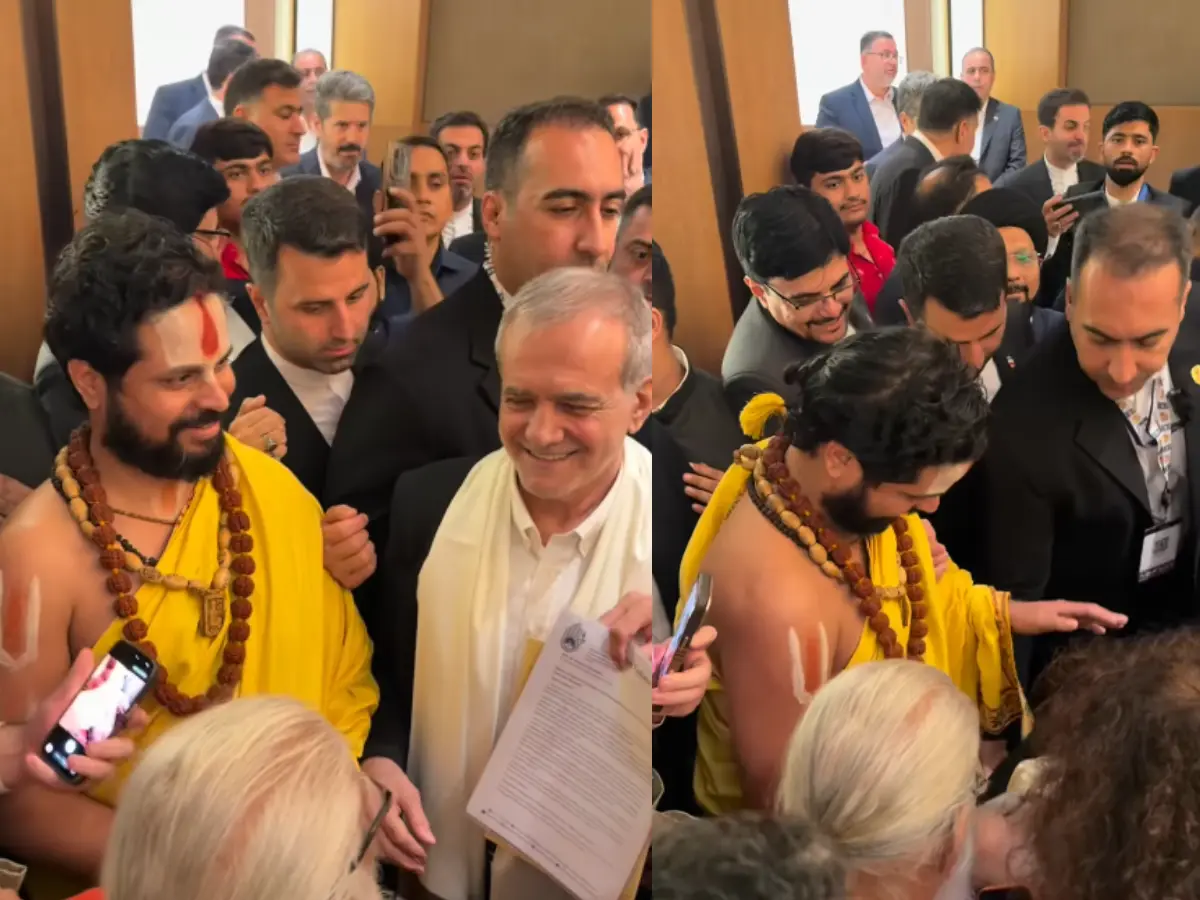)
Did Iran President Pezeshkian touch feet of Hindu spiritual leader at Delhi event as shown in viral video?
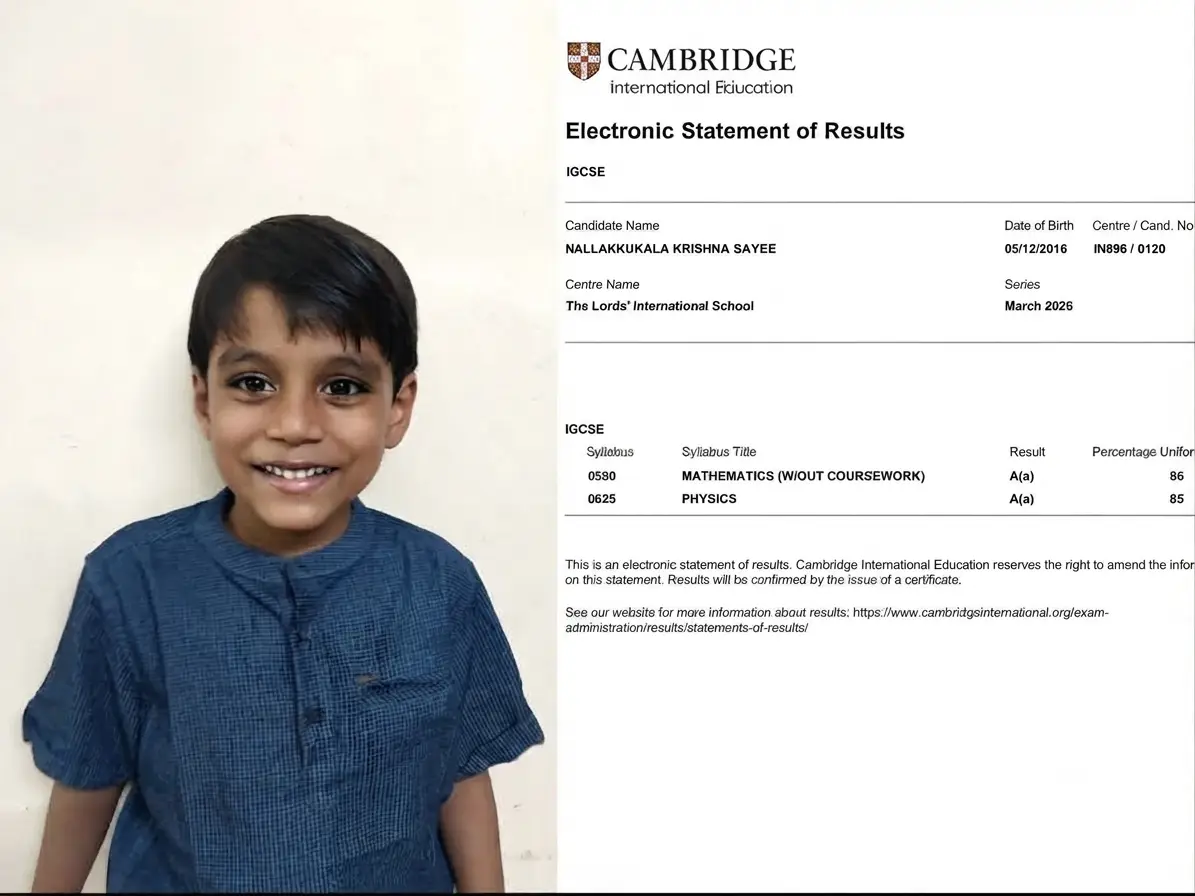)
9-year-old Chennai prodigy clears Cambridge IGCSE grade 10 exams
)
Why does your body need time to adjust after a long journey?
)
BRICS Summit 2026: PM Modi to hold bilateral with leaders of seven countries
)
Ramanathaswamy temple takes centre stage as PM Modi welcomes world leaders at BRICS
)
Houthis launch cross-border strike on Saudi Arabia as Yemen war escalates
)
BRICS Summit 2026: Chinese president Xi Jinping departs from New Delhi after attending BRICS summit
)
Why does your skin need protection from UV rays?
)
How does the loss of forests affect the way wildlife lives and moves?
)
IND vs AFG, 1st T20I: When and where to watch live streaming in India?
)
Why do wild animals need quiet places to survive?
)
Bigg Boss 20: Qazi Touqeer gets a special ‘rockstar’ moment from Salman Khan
)
Humans may lose control of AI: Anthropic CEO calls for slowdown, Altman, Musk back him
This contract represents a reversal of GM's previous efforts to establish lower-paid groups of UAW workers in various units. Workers at GM's battery joint-venture with LG Energy in South Korea will now fall under the national agreement. Additionally, the contract limits the use of lower-paid temporary workers, preventing the creation of a "permanent underclass" of temporary labour.
The UAW also secured more influence over the companies' investment decisions by gaining the right to strike in response to future plant closures. While the automakers have declared their intentions not to close existing factories as they transition to electric vehicles, the contract could compel them to keep unprofitable plants open during economic downturns or slow sales periods.
The strike, which commenced on September 15, drew nearly 50,000 workers from a total of approximately 150,000 UAW members at the Detroit automakers. The strategy of escalating strikes had significant financial consequences for the Detroit Three and their suppliers. UAW leaders portrayed the contract fight as part of a broader effort to address economic hardships faced by working-class Americans.
Reuters cited analysts, like Patrick Anderson of the Anderson Economic Group, who acknowledge the broader implications of this labour victory. According to him, "This is more than an auto industry story; it is a signal to the entire country that unionized workers can demand and get big wage increases."
The new contract will result in higher labour costs for GM, estimated at $7 billion over 4.5 years. Ford, on the other hand, projected an increase of $850 to $900 in labour costs per vehicle.
U.S. President Joe Biden and politicians from both parties voiced their support for the UAW during the strike, recognising its popularity among voters. Michigan, a crucial swing state in the 2024 presidential election, had the UAW's support as a condition for endorsement by UAW President Shawn Fain. Biden praised the historic contract as a testament to the power of unions and collective bargaining to bolster the middle class and revitalise American companies.
The UAW is committed to organising workforces at other carmakers in the future, with negotiations anticipated in 2028 involving the "Big Five or Big Six." The momentum toward these agreements accelerated significantly in the past two weeks, driven by UAW worker walkouts at highly profitable factories. In the words of Fain, "We have shown the companies, the American public, and the whole world that the working class is not done fighting. In fact, we're just getting started."
(With inputs from Reuters)
WATCH WION LIVE HERE