
&imwidth=800&imheight=600&format=webp&quality=medium "Trump to impose 15-20% blanket tariffs on most trade partners")
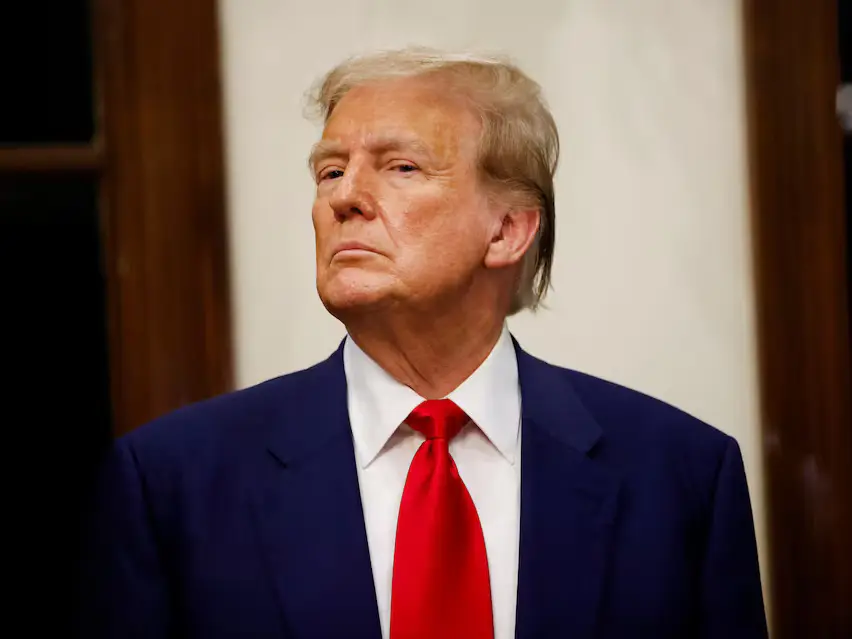
US President Donald Trump announced on July 10 that the United States will impose blanket tariffs of 15 per cent to 20 per cent on most of its trade partners, a move that would significantly escalate his ongoing trade war with key nations. The announcement, made during an interview with NBC News, comes as Trump remains steadfast in his economic agenda despite concerns about inflation and the potential impact on stock markets. “We’re just going to say all of the remaining countries are going to pay, whether it’s 20 per cent or 15 per cent. We’ll work that out now,” Trump stated.
Currently, the United States has a blanket tariff of 10 per cent, but the president indicated that the new higher rates will be enacted as soon as next month. Trump dismissed warnings that increased tariffs could negatively affect the economy, including fears of rising inflation and supply chain disruptions, citing recent stock market performance as a sign of his policies’ success.
Despite a turbulent period earlier this year when the S&P 500 experienced one of its fastest drops following the initial announcement of tariffs, the stock market reached a new high on July 10. “The stock market hit a new high today. I think the tariffs have been very well-received,” Trump noted. The increase in equity markets appears to be in contrast to earlier concerns over the long-term effects of tariff hikes, especially amid ongoing trade tensions.

Global trade relations under pressure
In his conversation with NBC News, Trump confirmed that the blanket tariffs will target a wide range of trade partners, not just specific nations. He hinted at a significant expansion of the tariff policy, with countries that have not already received letters regarding new tariff rates expected to face the same blanket measures. “Not everybody has to get a letter. You know that. We’re just setting our tariffs,” Trump explained, signalling that further escalations are imminent.
Trump’s administration has spent recent weeks sending formal letters to countries around the world, notifying them of upcoming tariff increases. As part of his broader strategy, the president has indicated that these new rates could reach as high as 50 per cent on certain imports, including metals like copper. While Trump has touted his tariff policies as a way to strengthen American industry, the impact on US consumers remains uncertain.
Trending Stories
)
Bollywood x K-pop crossover! LE SSERAFIM’s Kazuha charms fans with Shah Rukh Khan’s ‘Chammak Challo’ steps
)
WATCH | As Shehbaz Sharif claims Pakistan’s ‘victory’ during 2025 conflict, Indian diplomat R Srinivas laughs at UN
)
Russia will achieve Ukraine war aims; Europe doing everything to block peace talks: Lavrov at UN
)
US-Iran war: Trump rejects Iran's Hormuz proposal, reports suggest talks expected next week
)
Asian Games 2026: India face Afghanistan in quarterfinal on Sep 28; Pakistan clash with Hong Kong
)
Gunmen kill 27 in two separate mass shootings in South Africa
)
UK police arrest several under explosives act near air base used by US forces
&im=FitAndFill=(700,400))
New Friday OTT releases (September 25, 2026): Don’t Be Shy, Hunkkaar: The Roar, Mango Pachcha- 6 movies and TV shows on Netflix, Prime Video and more
)
WATCH | Delhi minister Parvesh Verma slaps man during road inspection – Here’s what happened
)
Afghanistan says 28 fighters killed in clash near Pakistan border, Islamabad denies
)
Ramayana: Yash’s Ravana gets first official poster from Nitesh Tiwari’s epic
)
Two men die of suspected chemical exposure inside public toilet in Mumbai
)
Election Commission on 'damage control' : What do nine new decisions mean?
)
Beyond metros: How Tier-2 and Tier-3 cities could drive India’s next AI wave
)
IND vs WI 1st ODI: Naman Dhir debuts as India bowl first in Trivandrum; check playing XIs
)
UNSC reform momentum grows: Russia, Portugal, Mauritius push for India's permanent seat bid
)
OpenAI AI Agents hacked 4 websites before Hugging Face, researchers reveal
)
'Countries far from conflict are penalised': Jaishankar calls for Gulf peace, seafarer safety at UN
)
US vs China over South China Sea: Washington backs Philippines, Beijing hits back
)
LPU students go on rampage, vandalise campus amid widespread protest: What's happening
)
'FIRST LOOK from inside Noah’s Ark': Researchers share video from inside mysterious mound in Turkey
)
Sri Lankan Tamil migrant worker gets death sentence in Saudi Arabia, help sought from India
&im=FitAndFill=(700,400))
Humanoid robots to virtual worlds! Korean sci-fi dramas to watch: Are You Human Too?, Memories of the Alhambra and more
)
‘Could kill billions...’: Bill Gates backs calls to slow AI development amid fears of catastrophe
)
Man arrested after his 22-year-old girlfriend dies at homestay in Guwahati; police suspect murder over suicide claim
)
‘Olympic inclusion is our major target’: WPA President Ishaun Singh on pool’s global ambitions
)
US Treasury Secretary Scott Bessent hails global crackdown on Iranian banks and airlines
)
Bigg Boss 20: Salman Khan schools Rhiti Tiwari over Qazi Touqeer clash, compares her to Dolly Bindra
)
SIR row: RTI response raises questions over EC’s claim of unanimous approval
)
'A terrorist country is asking me that question?': Jaishankar hits back at Pakistani journalist at UN; flags attacks on commercial shipping
)
Nations League: Spain sink England at Wembley; Modric shines for Croatia
)
Trump-Xi summit wrap: Big pageantry, Iran talks, few major developments and more meetings planned
)
‘Attack on Mecca a red line for Pakistan’: Shehbaz Sharif warns Houthis at UN
Critics of the tariff plan warn that the new measures could result in higher prices for American consumers, particularly on imported goods, and potentially exacerbate inflation, which remains above 2.3 per cent. However, Trump dismissed concerns raised by business leaders, stating that if goods are made in the US, they wouldn’t have a price increase.
While the White House maintains that these tariffs will lead to fairer trade deals and greater economic independence, many experts worry that they could further strain relationships with US allies and lead to retaliatory measures. The European Union, for example, is already preparing retaliatory tariffs, including potential duties on goods made in swing states.
As Trump prepares to send additional letters to European countries, the fate of US trade relations remains uncertain, with no clear resolution in sight. The president’s trade strategy continues to evolve as tensions rise, and the coming weeks could prove critical in shaping the global economic landscape.