Trump’s tariff playbook: What’s in effect and what’s coming next

&imwidth=600&imheight=450&format=webp&quality=medium "Trump’s tariff playbook: What’s in effect and what’s coming next")
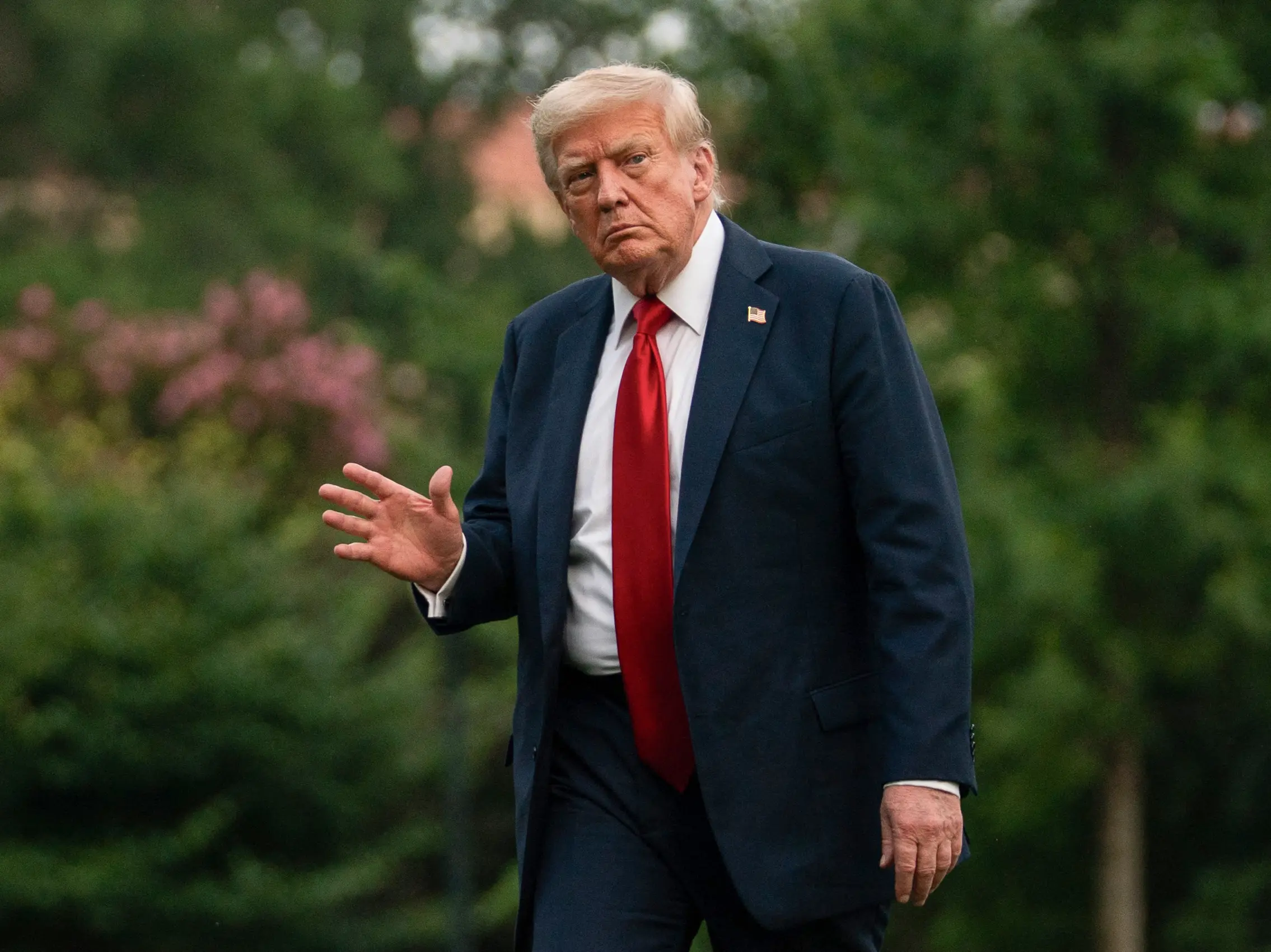
US President Donald Trump walks on the South Lawn upon arrival at the White House in Washinton, DC. Photograph: (Reuters)
As Trump’s August 1 deadline nears, from steel and semiconductors to autos and pharmaceuticals, here’s what tariffs are already in place and what sweeping country-level measures could come next.
US President Donald Trump’s trade policy is entering a new phase, threatening a dramatic escalation if partners don’t make concessions before an August 1 deadline. From industrial products to entire countries, Trump’s tariff regime is sweeping and complex and it’s sending shudders through global supply chains.
According to Reuters, the White House has signalled it will impose tariffs ranging from 10 to 200 per cent on hundreds of billions of dollars’ worth of goods if trade talks fail.
But what exactly is in place now and what could come next? Let’s break it down.
Product tariffs: Industry under pressure
Trump’s strategy targets industries he sees as strategically vital or vulnerable to foreign competition. Bloomberg reports that the administration has already locked in 50 per cent tariffs on steel and aluminium, hitting exporters across Europe, Asia, and North America.
Autos and auto parts are also in the spotlight, with 25 per cent tariffs in effect. The White House says these measures are essential to revitalise American industry and reduce dependence on imports.
Trending Stories
&imwidth=280&imheight=210&format=webp&quality=medium)
&imwidth=280&imheight=210&format=webp&quality=medium)
&imwidth=280&imheight=210&format=webp&quality=medium)
&imwidth=280&imheight=210&format=webp&quality=medium)
&im=FitAndFill=(700,400)&imwidth=280&imheight=210&format=webp&quality=medium)
&imwidth=280&imheight=210&format=webp&quality=medium)
&im=FitAndFill=(700,400)&imwidth=280&imheight=210&format=webp&quality=medium)
&imwidth=280&imheight=210&format=webp&quality=medium)
&imwidth=280&imheight=210&format=webp&quality=medium)
&imwidth=280&imheight=210&format=webp&quality=medium)
&imwidth=280&imheight=210&format=webp&quality=medium)
&imwidth=280&imheight=210&format=webp&quality=medium)
&imwidth=280&imheight=210&format=webp&quality=medium)
&imwidth=280&imheight=210&format=webp&quality=medium)
&imwidth=280&imheight=210&format=webp&quality=medium)
&imwidth=280&imheight=210&format=webp&quality=medium)
&imwidth=280&imheight=210&format=webp&quality=medium)
&imwidth=280&imheight=210&format=webp&quality=medium)
&imwidth=280&imheight=210&format=webp&quality=medium)
&imwidth=280&imheight=210&format=webp&quality=medium)
&imwidth=280&imheight=210&format=webp&quality=medium)
&imwidth=280&imheight=210&format=webp&quality=medium)
&imwidth=280&imheight=210&format=webp&quality=medium)
&imwidth=280&imheight=210&format=webp&quality=medium)
&imwidth=280&imheight=210&format=webp&quality=medium)
&imwidth=280&imheight=210&format=webp&quality=medium)
&imwidth=280&imheight=210&format=webp&quality=medium)
&imwidth=280&imheight=210&format=webp&quality=medium)
&imwidth=280&imheight=210&format=webp&quality=medium)
&imwidth=280&imheight=210&format=webp&quality=medium)
&imwidth=280&imheight=210&format=webp&quality=medium)
&imwidth=280&imheight=210&format=webp&quality=medium)
&imwidth=280&imheight=210&format=webp&quality=medium)
&imwidth=280&imheight=210&format=webp&quality=medium)
But it goes further as Pharmaceuticals face tariffs up to 200 per cent, making them among the most heavily taxed categories. Semiconductors, at the heart of tech supply chains, are hit with 25 per cent or higher tariffs. Even cultural exports like movies face 100 per cent duties in some cases.
Trump has also threatened new tariffs on copper from August 1, aimed at securing critical materials for clean energy and defence sectors.
| Product Category | Tariff Rate |
| Steel and aluminium | 50% |
| Autos and auto parts | 25% |
| Copper | 50% (effective August 1) |
| Pharmaceuticals | Up to 200% |
| Semiconductors | 25% or higher |
| Movies | 100% |
| Timber and lumber | Targeted, variable rates |
| Aircraft, engines, parts | Included in sectoral tariffs |
| Critical minerals | Varies |
Source: Reuters, Bloomberg, White House Trade Policy Announcements
These tariffs, says Reuters, aim to force new supply chain investments in the US, but have also raised fears of inflation and global trade fragmentation.
Country-specific tariffs: Allies and rivals alike targeted
Beyond products, Trump’s tariff policy is explicitly geopolitical. Reuters reports that China faces a blanket 30 per cent tariff, plus extra duties on key sectors, as part of an ongoing confrontation over technology and trade deficits.
Mexico and Canada face tariffs on goods not covered by the USMCA, with threatened rates rising to 30–35 per cent if negotiations fail by August 1. Even allies like South Korea and Japan are in the crosshairs, with 25 per cent tariffs threatened.
The European Union is currently under a 30 per cent tariff threat but has extended a suspension of countermeasures until early August in hopes of avoiding a tit-for-tat escalation. Emerging markets such as Brazil, Vietnam, and Myanmar face even higher proposed rates of 40 to 50 per cent, especially where the US accuses them of transshipment or unfair trade practices.
| Country | Tariff Rate |
| China | 30% + additional product tariffs |
| Mexico | 25–30% |
| Canada | 10% (energy), 25–35% (other goods) |
| United Kingdom | 10% baseline (exemptions on some goods) |
| European Union | 30% (effective August 1 if no deal) |
| Vietnam | 20–40% (transshipment crackdown) |
| Brazil | 50% (effective August 1) |
| South Korea, Japan | 25% (effective August 1) |
| Algeria, Libya, Iraq | 30% (effective August 1) |
| Bangladesh, Serbia | 35% (effective August 1) |
| Cambodia, Thailand | 36% (effective August 1) |
| Laos, Myanmar | 40% (effective August 1) |
| Indonesia, Philippines | 20–32% (effective August 1) |
| South Africa | 30% (effective August 1) |
| Tunisia, Moldova, Malaysia | 25% (effective August 1) |
Source: Reuters, Bloomberg, White House Trade Memoranda
A high-stakes deadline
What’s at stake is not just the cost of goods but the entire structure of global trade. As Bloomberg notes, the Trump administration is using the threat of tariffs to push for bilateral deals on US terms. The August 1 deadline looms large. Without framework deals, these tariffs could go into force, hitting critical sectors from autos to energy and souring relations with allies.
Reuters reports that the EU is holding off on countermeasures for now, hoping to secure a last-minute deal. Mexico and Canada are lobbying for exemptions under USMCA. But with Trump demanding more concessions, the threat of a full-blown trade war remains very real. For businesses and consumers alike, that means uncertainty, potential supply chain upheavals, and higher prices in the months ahead.