Trump’s deal with Nvidia raises questions on US national security and export policy

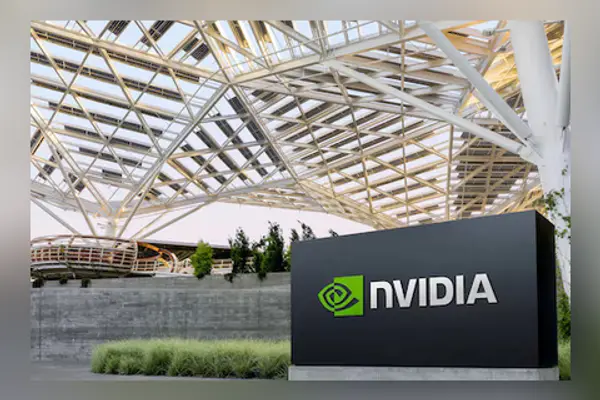
The logo of NVIDIA as seen at its corporate headquarters in Santa Clara, California, in May of 2022. Photograph: (Reuters)
The move has sparked intense debate and raised concerns about the future of US export controls. The deal, which also includes Nvidia’s smaller rival, AMD, is seen by some as the beginning of a new approach to managing sensitive technologies.
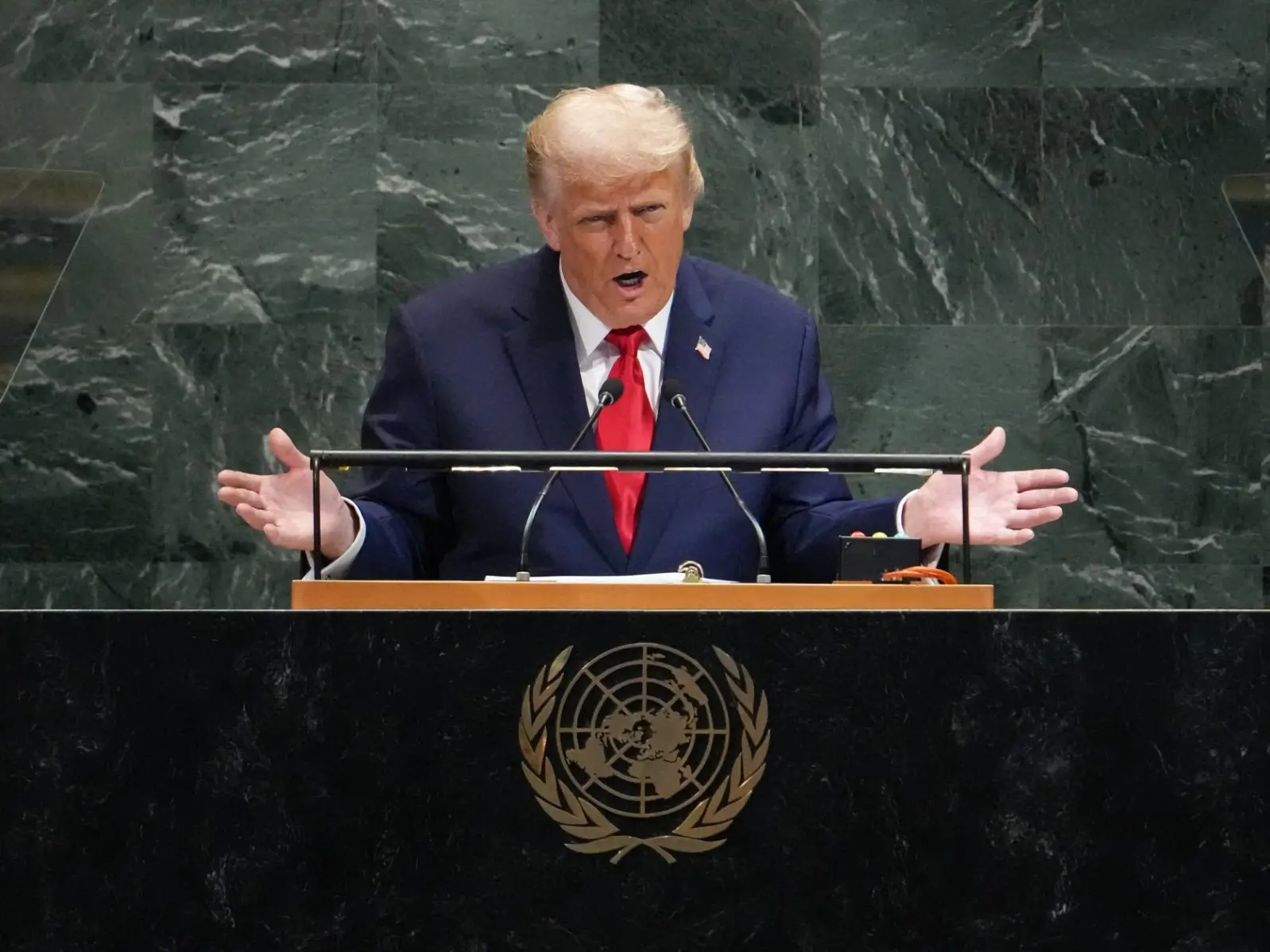
US President Donald Trump has upended decades of national security policy with a controversial new deal involving chipmaker Nvidia. In exchange for allowing Nvidia to resume the sale of its H20 artificial intelligence (AI) chips to China, previously banned on national security grounds, Trump proposed that the US government take a 15 per cent cut of Nvidia’s sales in the country. The move has sparked intense debate and raised concerns about the future of US export controls.
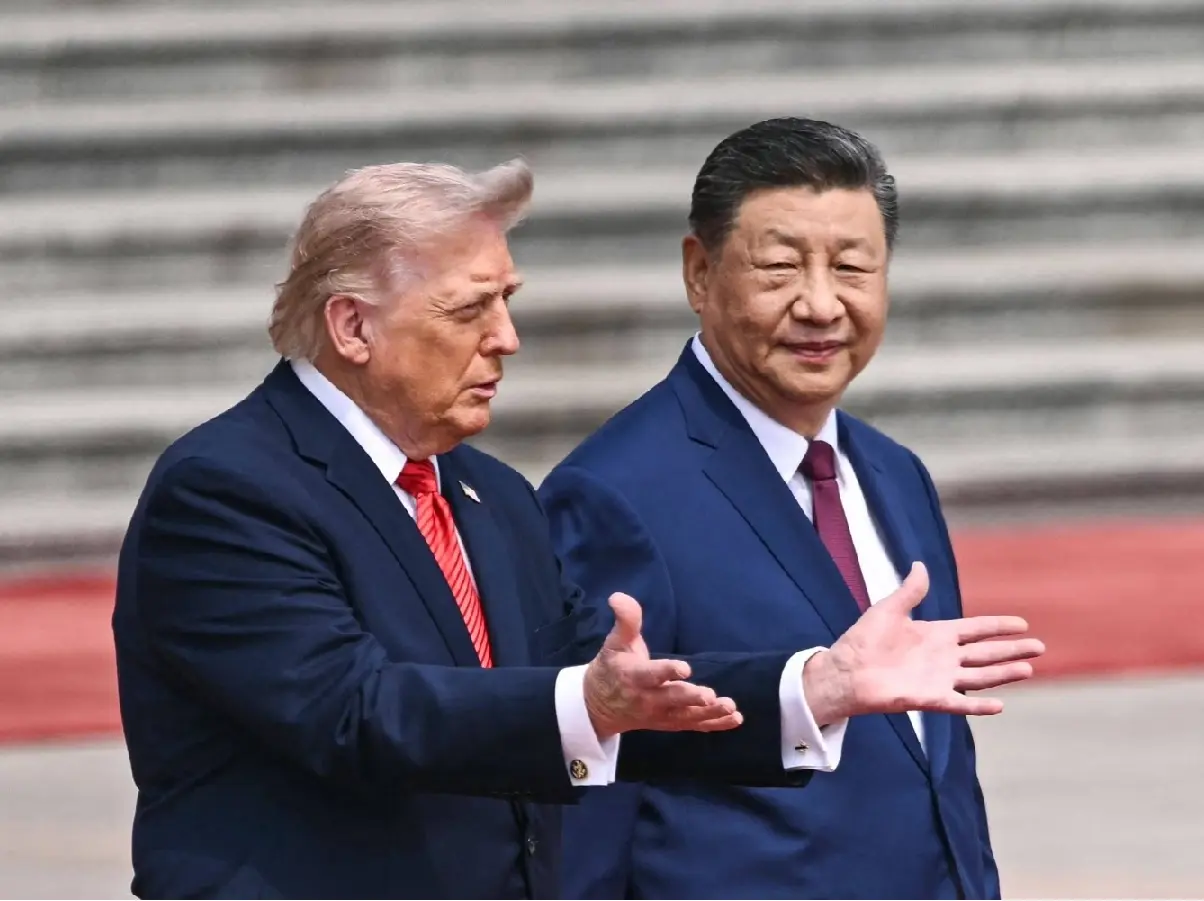
The deal, which also includes Nvidia’s smaller rival, AMD, is seen by some as the beginning of a new approach to managing sensitive technologies. Earlier, export controls on technologies like advanced semiconductors have been non-negotiable, with national security concerns driving the decision to limit or ban sales to adversarial nations. But under Trump’s administration, the rules seem to have shifted, leading to accusations of a “pay-for-play” framework.
Legal and ethical questions surround the deal
The legality of the deal remains unclear, as US law generally prohibits taxes or duties on exported goods, particularly those related to national security. Legal experts have expressed concerns about whether Trump’s deal constitutes an “export tax” or represents a novel form of revenue-sharing, which has never been implemented in US export policy before.
While Nvidia has yet to publicly confirm details of the 15 per cent revenue-sharing arrangement, the company stated it “follows rules the US government sets for our participation in worldwide markets.” AMD, meanwhile, confirmed that it had received US approval for some AI processor exports to China but did not directly address the revenue-sharing terms.
Potential impact on US chipmakers and global trade
Trending Stories
)
)
)
)
)
)
)
)
)
)
)
)
)
)
)
)
)
)
)
)
)
)
&im=FitAndFill=(700,400))
)
)
)
)
)
)
)
)
)
)
)
)
)
The financial implications of this deal could affect chipmakers, with analysts suggesting that the 15 per cent revenue cut could reduce margins on China-bound processors by 5 to 15 percentage points. Bernstein analysts warned that this could erode Nvidia and AMD’s overall margins by about a point. The deal could also introduce uncertainty for other industries exporting strategic products to China, as they may now face similar revenue-sharing demands from the US government.
The latest move signals a new era in US export controls, with some experts predicting that more deals like this could follow. As the Trump administration continues to reshape export policy, the deal with Nvidia serves as a focal point for broader discussions on the balance between economic opportunities and national security risks.
(With inputs from agencies)