Trump’s AI Action Plan to ease regulations, boost energy for data centres

&imwidth=600&imheight=450&format=webp&quality=medium "Trump’s AI Action Plan to ease regulations, boost energy for data centres")
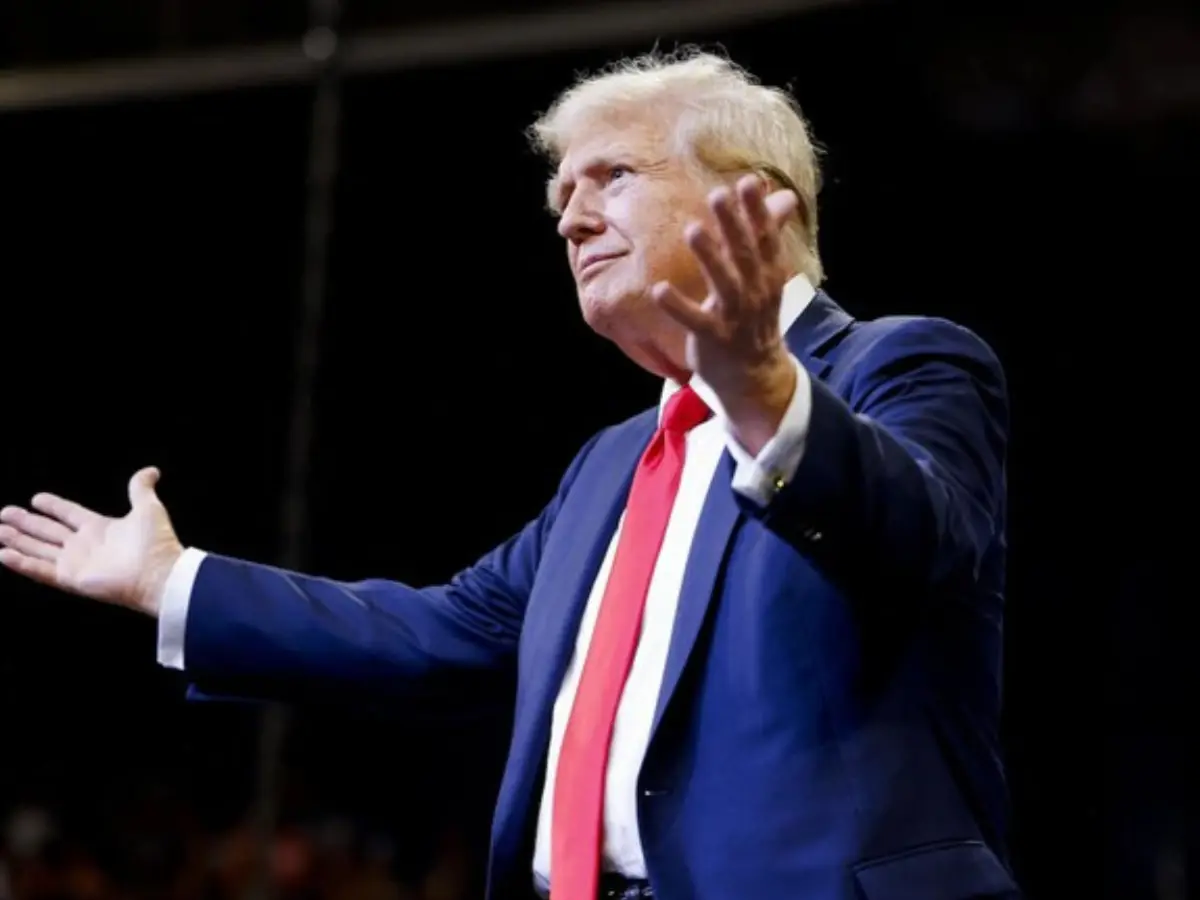
US President Donald Trump. Photograph: (AFP)
AI Action Plan, crafted after months of industry consultation, is designed to accelerate AI development and adoption in the US while removing what the administration sees as regulatory roadblocks.
US President Donald Trump is expected to unveil a sweeping set of federal policy guidelines for artificial intelligence (AI) in the coming days, emphasising looser regulations, expanded energy infrastructure, and global competitiveness for American AI technology. Dubbed the AI Action Plan, the initiative marks the Trump administration’s most comprehensive stance yet on the rapidly evolving sector. The plan, crafted after months of industry consultation, is designed to accelerate AI development and adoption in the US while removing what the administration sees as regulatory roadblocks. While light on long-term legislative commitments, the plan is expected to be bolstered by a series of executive orders and a nationwide promotional campaign led by the White House Office of Science and Technology Policy.
Federal framework over state oversight
Central to the proposal is a push for Congress to enact federal AI legislation that would preempt individual state laws, a move aimed at curbing a patchwork of regulations that major tech companies have called burdensome. Earlier attempts to block state-level AI rules were struck down in the Senate, but the administration is now reviving the effort with renewed legislative backing.
President Trump, who has championed AI as a strategic pillar of US competitiveness, is expected to highlight the plan during a tech policy event on July 23 hosted by the All-In podcast and the Hill and Valley Forum, a Silicon Valley consortium.
Energy and export boosts
As AI infrastructure demands skyrocket, the administration’s plan includes measures to expand energy availability for data centres, including reforms to permitting and streamlining environmental standards under the National Environmental Policy Act. However, guidance on fortifying national power grids is not expected in the current rollout.
Trending Stories
&imwidth=280&imheight=210&format=webp&quality=medium)
&im=FitAndFill=(700,400)&imwidth=280&imheight=210&format=webp&quality=medium)
&imwidth=280&imheight=210&format=webp&quality=medium)
&imwidth=280&imheight=210&format=webp&quality=medium)
&imwidth=280&imheight=210&format=webp&quality=medium)
&imwidth=280&imheight=210&format=webp&quality=medium)
&imwidth=280&imheight=210&format=webp&quality=medium)
&imwidth=280&imheight=210&format=webp&quality=medium)
&imwidth=280&imheight=210&format=webp&quality=medium)
&imwidth=280&imheight=210&format=webp&quality=medium)
&imwidth=280&imheight=210&format=webp&quality=medium)
&imwidth=280&imheight=210&format=webp&quality=medium)
&imwidth=280&imheight=210&format=webp&quality=medium)
&imwidth=280&imheight=210&format=webp&quality=medium)
&imwidth=280&imheight=210&format=webp&quality=medium)
&imwidth=280&imheight=210&format=webp&quality=medium)
&imwidth=280&imheight=210&format=webp&quality=medium)
&imwidth=280&imheight=210&format=webp&quality=medium)
&imwidth=280&imheight=210&format=webp&quality=medium)
&imwidth=280&imheight=210&format=webp&quality=medium)
&imwidth=280&imheight=210&format=webp&quality=medium)
&imwidth=280&imheight=210&format=webp&quality=medium)
&imwidth=280&imheight=210&format=webp&quality=medium)
&imwidth=280&imheight=210&format=webp&quality=medium)
&imwidth=280&imheight=210&format=webp&quality=medium)
&imwidth=280&imheight=210&format=webp&quality=medium)
&imwidth=280&imheight=210&format=webp&quality=medium)
&im=FitAndFill=(700,400)&imwidth=280&imheight=210&format=webp&quality=medium)
&imwidth=280&imheight=210&format=webp&quality=medium)
&imwidth=280&imheight=210&format=webp&quality=medium)
&imwidth=280&imheight=210&format=webp&quality=medium)
&imwidth=280&imheight=210&format=webp&quality=medium)
&imwidth=280&imheight=210&format=webp&quality=medium)
&imwidth=280&imheight=210&format=webp&quality=medium)
The initiative also aims to enhance global deployment of American AI technologies. An executive order will mobilise the US International Development Finance Corporation and the Export-Import Bank to finance exports of US AI systems, especially to countries lacking domestic capabilities. Though historically criticised by conservatives, the move underscores a strategic shift to secure AI market share abroad.
Neutrality, security, and industry collaboration
Another executive order, shepherded by senior advisers including David Sacks and Sriram Krishnan, will require all government-procured large language models to be politically neutral and free of bias, a nod to growing partisan scrutiny of AI-generated content.
The AI Action Plan further emphasises third-party risk evaluations, international partnerships, and robust safeguards to prevent foreign adversaries from accessing US AI hardware and software. With over $500 billion in private AI infrastructure investments already pledged this year, the plan is positioned as a catalyst for sustained US dominance in the global AI race.