Trump lifts sanctions on Syria: What happened and what it means for the war-torn nation

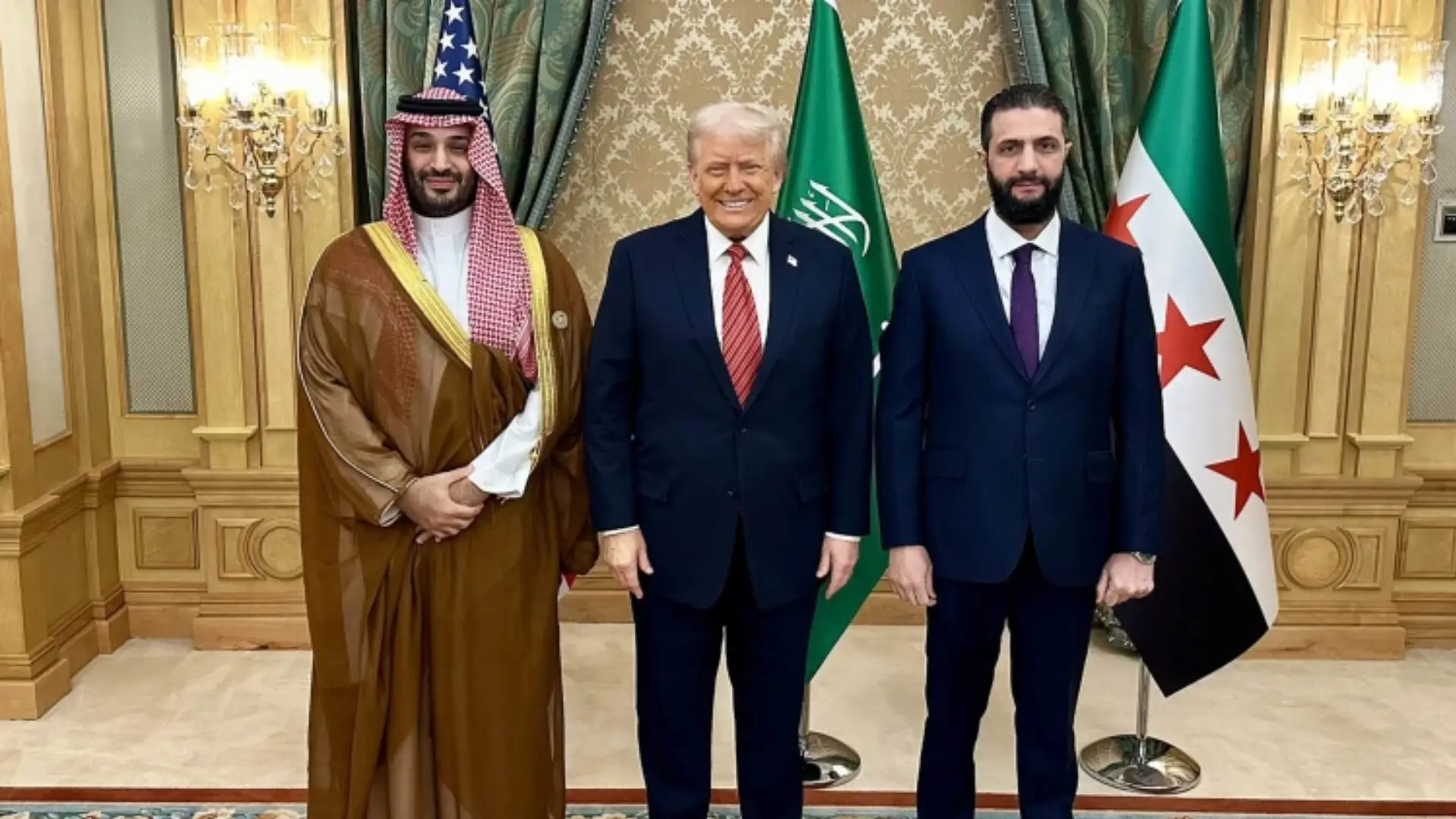
Business & Economy: The move followed a landmark meeting with Syria’s interim President Ahmed al-Sharaa during Trump’s visit to Saudi Arabia.
In a dramatic shift in Middle Eastern geopolitics, US President Donald Trump has announced the lifting of economic sanctions on Syria following his unexpected meeting with the country’s new interim president, Ahmed al-Sharaa, a former militant leader with links to al-Qaeda.
The decision marks a major turning point in the US-Syria relationship, which could have far-reaching consequences across the region.
What happened in Syria?

After over a decade of civil war and the near-total collapse of governance, President Bashar al-Assad’s regime was toppled in December by Islamist militia Hayat Tahrir al-Sham (HTS). The group, once affiliated with al-Qaeda, staged a surprise advance into Damascus, forcing Assad and his family to flee to Russia.
HTS, now rebranded as a political movement, formed an interim government led by Ahmed al-Sharaa, who has attempted to present a moderate image and initiate the rebuilding of Syria. Street debates about democracy, governance, and civil liberties have emerged after decades of state repression.
However, Sharaa’s administration is viewed with scepticism by many Syrians and global powers, due to the group’s violent past. According to Human Rights Watch, HTS (previously the Nusra Front) was reportedly responsible for massacres of minority communities, including Alawites and Druze, during the conflict.
)
Nigeria: Protesters take to the streets, police fire shots
)
US-Iran war: Tehran draws red lines — seven demands before any peace talks
)
Russia-Europe tensions: Polish PM warns Russian attacks could test NATO's unity
&im=FitAndFill=(700,400))
‘Not the US or China’: These are the countries leading the world in arable land
)
EXCLUSIVE | Singer Hanita Bhambri on her Toxic debut, working with Vishal Mishra and more
)
Mark Carney mimics Trump in hilarious moment over C$70 billion clean-energy investment; room erupts in laughter
)
Delhi voter roll shake-up: 3.31 million electors flagged in SIR review
)
Aravana prasadam shortage at Sabarimala temple in Kerala triggers protests, TDB questioned
)
‘End of my career...’: NSA Doval recalls tense Sikkim mission when China captured Indian intelligence team
)
Report: Iran rebuilding Taleghan 2, nuclear site tied to past weapons research, hit twice by Israel
)
Trump defends AI amid growing alarm, announces new 'AI force' and promises an 'AI czar'
)
Iran sets 7 conditions to end war with US: What are Tehran’s demands?
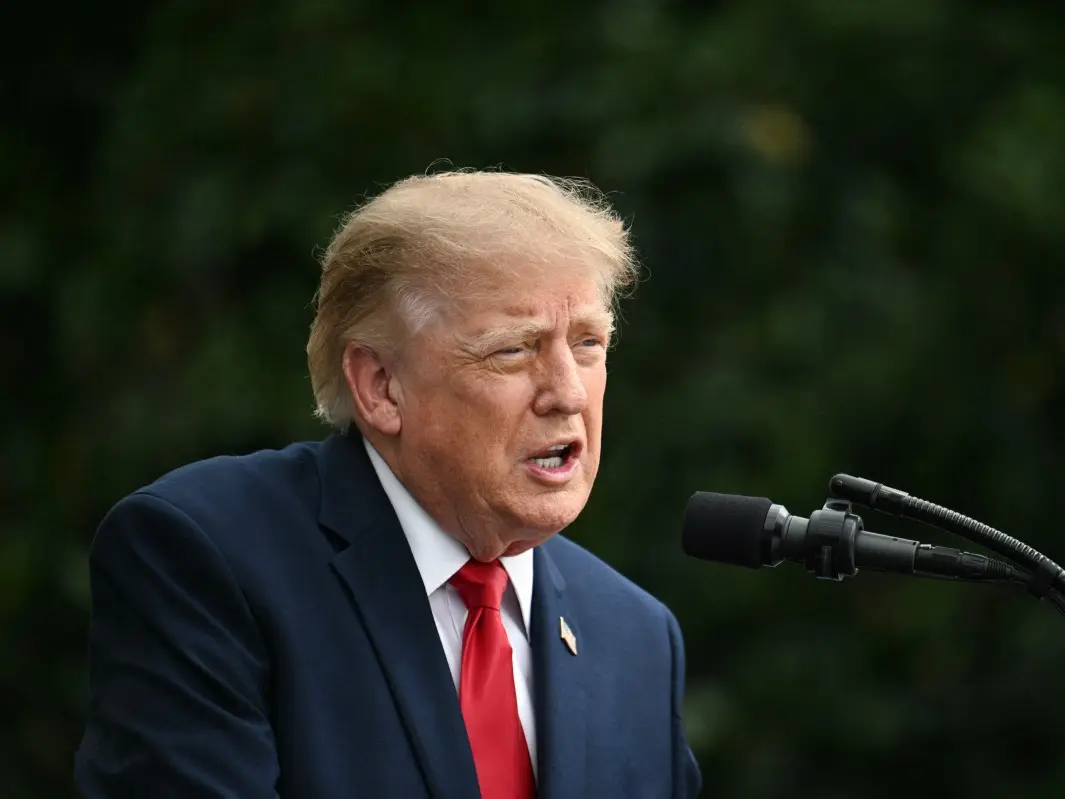)
Trump announces ‘AI Force’ as debate grows over AI risks and regulation
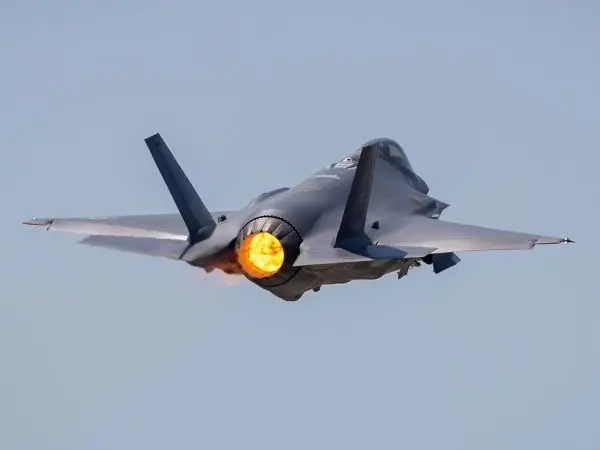)
China may have gained access to US's classified F-35 jets; parts meant for repairs diverted to Hong Kong, sparking Pentagon inquiry
)
Gaza under attack: Health chief's son killed in IDF strikes
)
Arvind Kejriwal, family members, Delhi CM Rekha Gupta get SIR notices
)
Cochin shipyard starts building Indian Navy's next-gen missile vessels
)
Saudi vs Houthis: Houthis claim missiles & drones used in attack on key Saudi sites
)
Ed Sheeran addresses Macklemore's removal, Gaza conflict during Philadelphia concert: 'I cannot hide how I feel'
)
Nepal forms 7-member panel to probe August 26 Bhotekoshi flood from source to downstream
)
‘Will go to any extent’: Pakistan vows to defend Saudi Arabia amid Houthi attacks
66 years of the Indus Waters Treaty: How India and Pakistan settled a bitter river dispute
)
The Verdict | When precision fails: US commits war crime in Minab school strike, UN finds
)
9 women found dead near Johannesburg: South Africans rally, demand 'enough' to femicide
)
Kampala-Ankara rift deepens: Uganda suspends military ties, seeks Fred Lumbuye's extradition
)
Several petrol pumps, other businesses to refuse UPI payments above Rs 2,000 from Oct 16: Is it legal?
)
US-Iran war: Tehran sets seven conditions to re-engage in talks with US
)
Reacher star Alan Ritchson opens up about alleged blackmail, suicide attempt during difficult period
)
Africa is splitting, and a lot sooner than estimated, giving way to a new ocean
)
Flying cars in UAE: Ras Al Khaimah signs deal with Chinese company to test new transport
)
West Indies Squad for India Series: Hetmyer included for T20Is, Holder rested
)
Trump bans CNN, MS NOW and Politico from White House over ‘FAKE NEWS’
)
Trump 2.0: Dark days ahead for America’s ‘imperial presidency’
&im=FitAndFill=(700,400))
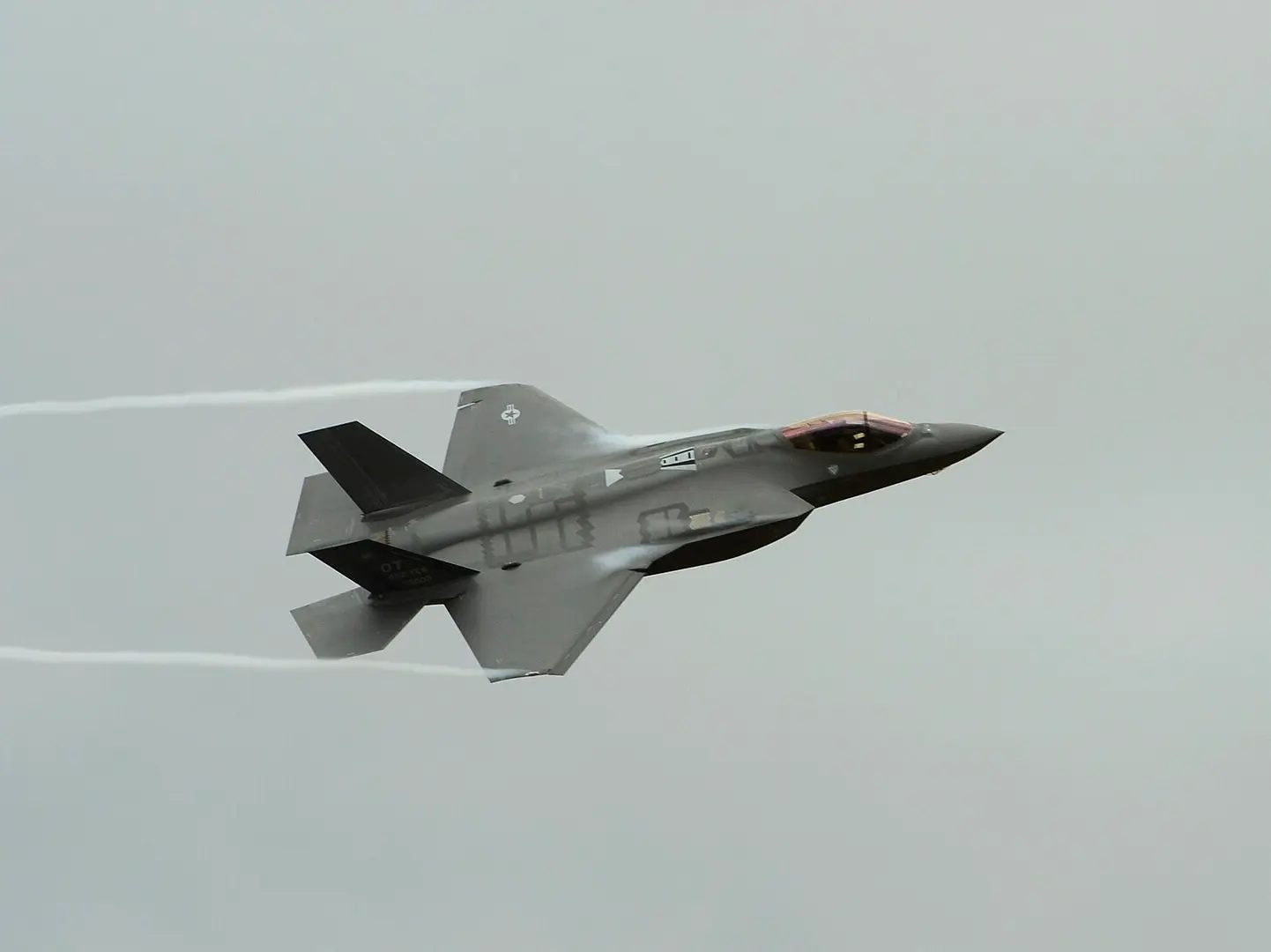
How many F-35s does Britain, Japan and Israel have?
)
Harry Brook targets long reign at top of T20I rankings after Sri Lanka sweep
)
Russia's deadly Ukraine strikes kill 2 in Sumy, hit Dnipro mall
)
Russia holds first parliamentary elections since the beginning of the Ukraine war
&im=FitAndFill=(700,400))
Meet top 5 Indian batters with fastest T20I centuries
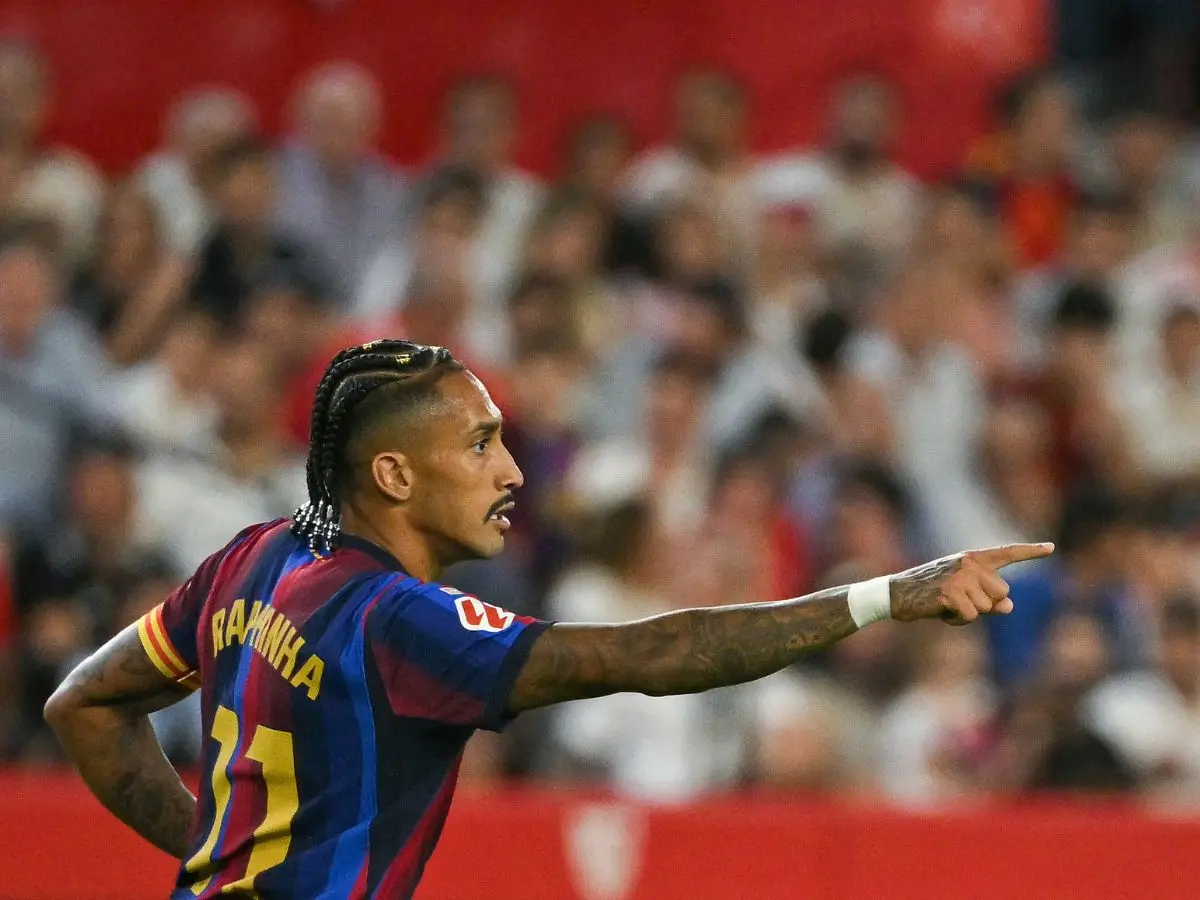)
Raphinha hat-trick powers Barcelona to 3-1 win over Sevilla in La Liga
)
Sharaa now insists he is committed to safeguarding Syria’s religious and ethnic diversity. “There must be a legal framework that protects and ensures the rights of all,” he told CNN.
Why did Trump lift Syria sanctions?
As per the Bloomberg report, Trump’s decision came after weeks of lobbying from Saudi Crown Prince Mohammed bin Salman and Turkish President Recep Tayyip Erdogan, two of Sharaa’s key regional backers. Meeting with Sharaa in Riyadh, Trump described him as a “tough guy” with “potential” and framed the move as giving Syria “a chance at greatness.”
Speaking at a major US-Saudi investment forum, Trump called the existing sanctions “crippling” and outdated. According to the White House summary, Trump urged Sharaa to normaliseties with Israel and “expel all foreign terrorists” from Syria.
Trump also criticised previous US administrations, claiming they were more interested in punishing leaders than negotiating change. “We’re not here to look into souls,” he remarked. “We’re here to make deals.”
What were the US sanctions on Syria?
US sanctions on Syria date back to 1979, when the country was designated a state sponsor of terrorism. The restrictions intensified after Syria’s interference in Lebanon and support for Hezbollah.
In 2004, under President George W. Bush, the US further tightened sanctions, ending most exports to Syria. After Syria’s brutal crackdown on Arab Spring protests in 2011, more sanctions followed under the Caesar Syria Civilian Protection Act, targeting Syrian government officials, businesses, and sectors linked to Assad’s military campaign and human rights abuses.
According to the US Department of the Treasury, these sanctions froze assets, blocked US investments, and barred financial transactions, effectively cutting Syria off from the international banking system.
How did sanctions affect the Syrian economy?
Syria’s economy was already bleeding from years of war. The World Bank downgraded it to low-income status in 2018. The country’s GDP collapsed by over 50 per cent between 2010 and 2020, according to the United Nations Development Program (UNDP).
By 2023, over 90 per cent of Syrians lived in poverty, reports the Syrian Observatory for Human Rights. Access to fuel, medicine, electricity, and food was critically low. Public institutions barely functioned, and foreign investment dried up. Meanwhile, Syria’s once-thriving agriculture sector—famed for olives and pistachios—was decimated.
Sanctions also indirectly boosted Syria’s illicit economy. With trade routes blocked, the country turned into a regional hub for Captagon, a powerful, amphetamine-type drug, according to Europol and United Nations Office on Drugs and Crime (UNODC).
By cutting Syria off from global financial institutions, sanctions hampered reconstruction and even aid operations. Humanitarian agencies complained of delays and operational costs rising due to restrictions on banking transactions, despite technical exemptions.
What’s next for US-Syria relations?
Trump’s face-to-face with Sharaa was the first US-Syria leader-level meeting in 25 years. It signals a dramatic shift in US policy, especially given Sharaa’s militant past.
But it’s also fraught with risks. HTS remains on the US Foreign Terrorist Organization list, and Sharaa’s past includes links to al-Qaeda in Iraq and Syria. As recently as 2016, the US offered $10 million for his capture.
Critics fear Trump’s engagement could legitimise extremist actors. But supporters argue this is a pragmatic step to stabilise the region, curb Iranian influence, and enable regional powers to shoulder Syria’s reconstruction.
Whether lifting sanctions will bring lasting peace or empower a controversial leader remains uncertain. For now, Syrians are celebrating what many call their “Liberation Day” — hoping that relief from sanctions will translate into jobs, infrastructure, and dignity.
As the world watches, the road to Syria’s recovery remains long, fragile, and deeply contested.