Toronto Stock Exchange grapples with unprecedented IPO drought. Here's why

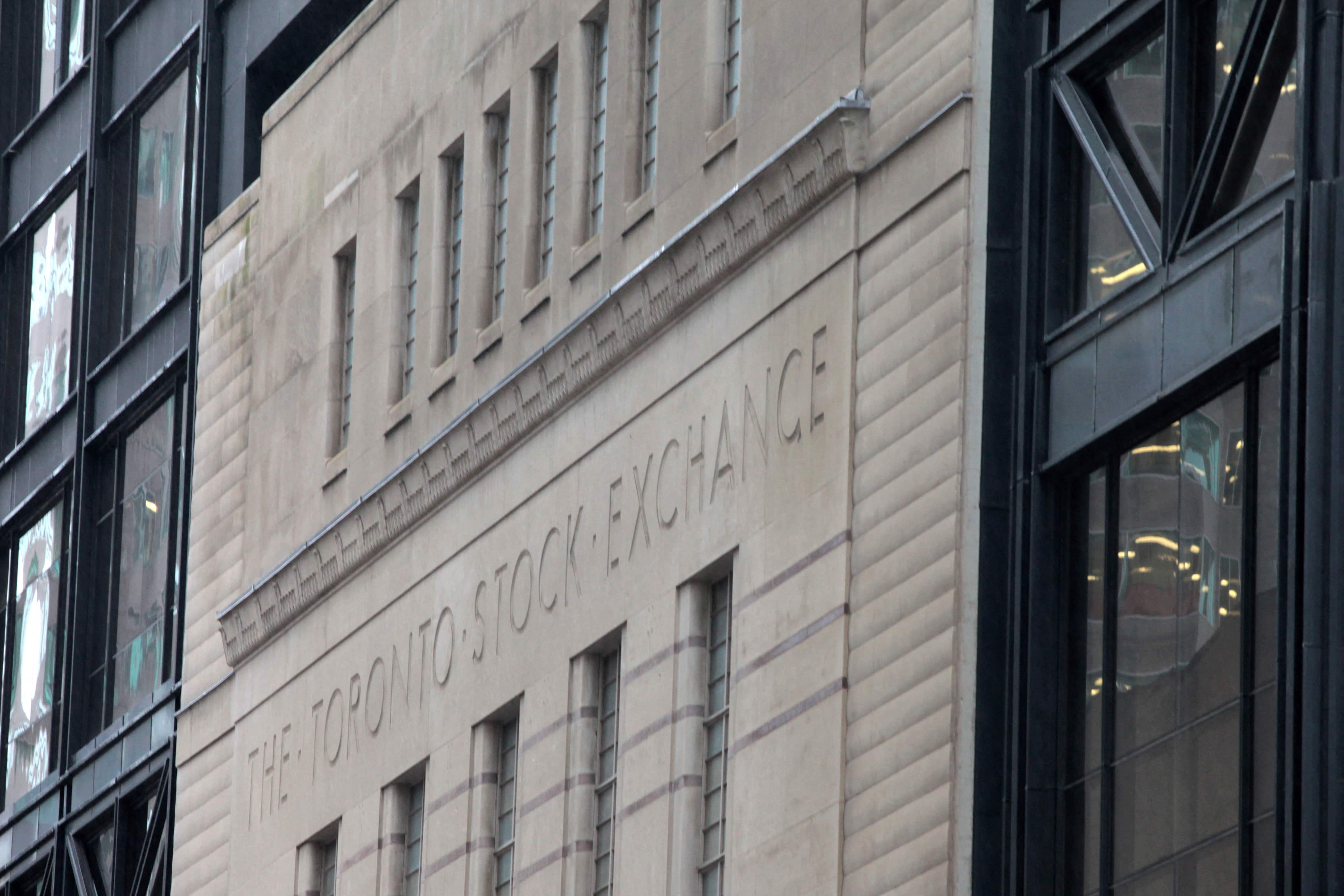
The Art Deco facade of the original Toronto Stock Exchange building is seen on Bay Street in Toronto
Canada's largest stock exchange, the Toronto Stock Exchange (TSX), is grappling with an unprecedented dearth of initial public offerings (IPOs), while the prospects for improvement seems uncertain.
According to a Bloomberg report published on Thursday, only one company has successfully completed an IPO on the TSX this year, marking the first time such an occurrence has transpired since 1993. Lithium Royalty Corp., which raised C$150 million ($108 million) in March, is the sole venture to navigate the challenging IPO landscape in 2023.
Grant Kernaghan, Chief Executive at Citigroup Global Markets Canada, who played a pivotal role in the Lithium Royalty deal. told Bloomberg, "I don't think it's a coincidence that the one deal that got done is a lithium royalty company."

Historically, natural resources stocks have been a cornerstone of strength for the TSX. Kernaghan said that more battery metals companies will likely seek the TSX as a platform to raise capital, giventhe increasing investor interest in the energy transition.
Nevertheless, Lithium Royalty serves as a cautionary tale for both potential issuers and investors, with disappointing earnings and a dimming outlook for natural resources, especially concerning the sluggish recovery in China. The company's shares faced a challenging debut and have not managed to recover, closing at a 37 per cent decline from their IPO price.
The Canadian stock market, as a whole, confronts challenges, with the benchmark S&P/TSX Composite Index reaching a one-year low in October. Despite the Bank of Canada's recent decision to keep interest rates steady, the swaps market projects a potential quarter-point cut only in the second half of the following year.
)
Mushtaq Khan dies at 56: When Welcome actor opened up about his salary for iconic role Ballu
)
US Supreme Court backs Trump administration's use of SAVE database to check voter citizenship
)
Outrage erupts after 3-year-old is married to 60-year-old man in Pakistan, link to her sister's murder being probed
)
Donald Trump shares image of Xi's arrival in Washington, carries signs of AI
)
Pakistan deploys over 20,000 security personnel as PTI vows march for Imran Khan's release
)
Anthropic says Claude found a new gene-editing enzyme but science isn't confirmed
)
Prince Harry offers rare glimpse into Archie and Lilibet’s life after UK move
)
Farhan, who went viral for AK47 celebration vs India in Asia Cup, hopes to lead Pakistan beyond Asian Games
)
LPU students go on rampage, vandalise campus amid widespread protest: What's happening
)
OpenAI AI Agents hacked 4 websites before Hugging Face, researchers reveal
)
Pentagon quietly adds 37 wounded troops to Iran war tally without explaining when or how
)
Asian Games 2026: India women’s kabaddi team edge Iran 37-34 to clinch 3rd gold medal
&im=FitAndFill=(700,400))
New Friday OTT releases (September 25, 2026): Don’t Be Shy, Hunkkaar: The Roar, Mango Pachcha- 6 movies and TV shows on Netflix, Prime Video and more
)
Asian Games 2026: India face Afghanistan in quarterfinal on Sep 28; Pakistan clash with Hong Kong
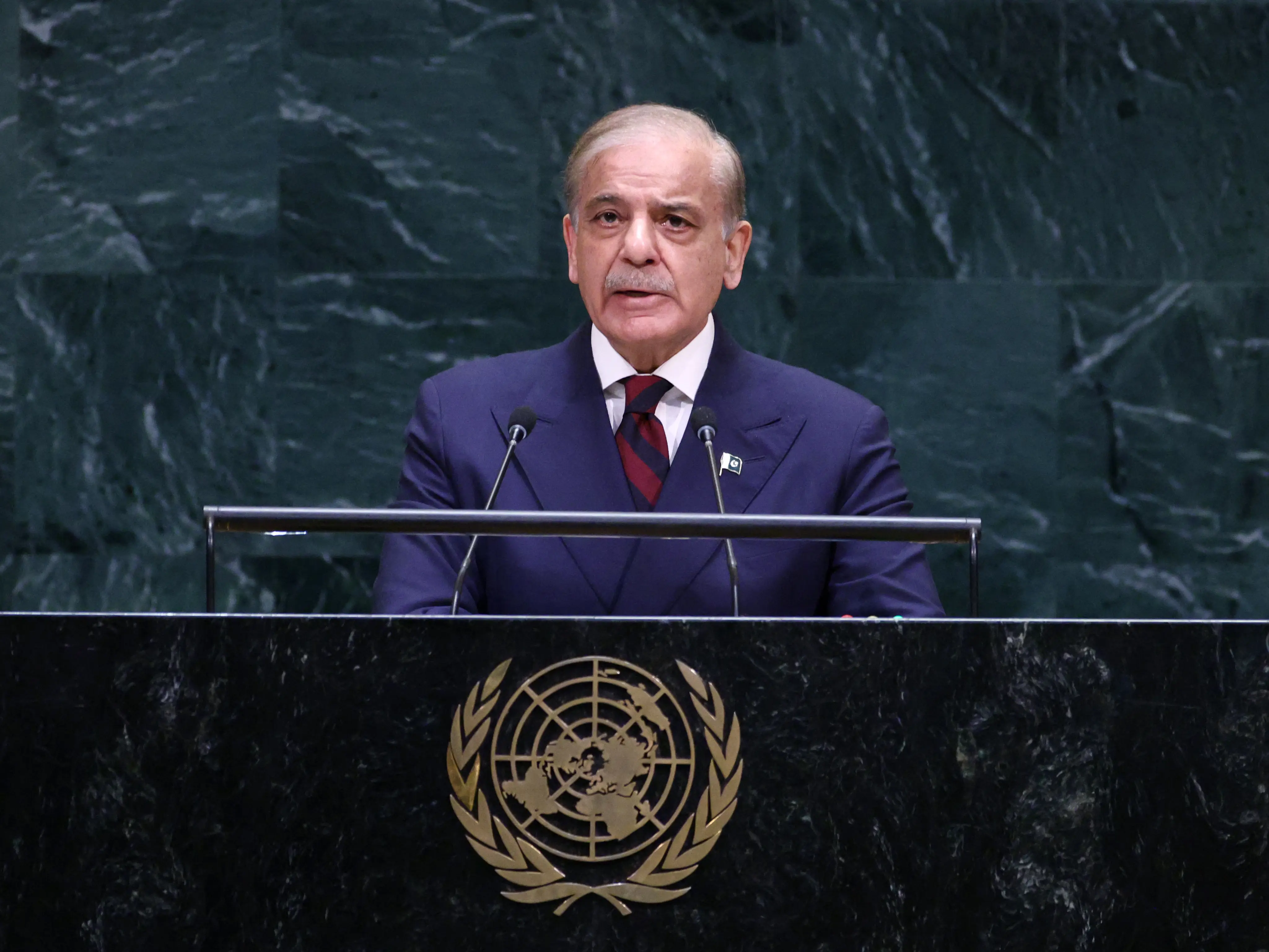)
‘Attack on Mecca a red line for Pakistan’: Shehbaz Sharif warns Houthis at UN
)
‘I rejected it’: Trump confirms turning down Iran’s proposal to reopen Hormuz, claims Tehran is losing ‘badly’
)
Did Hitler kill his niece Geli Raubal? Newly found records reopen a 95-year-old mystery
)
Nigeria Navy moves to boost oil security, tackle crude theft and infrastructure threats
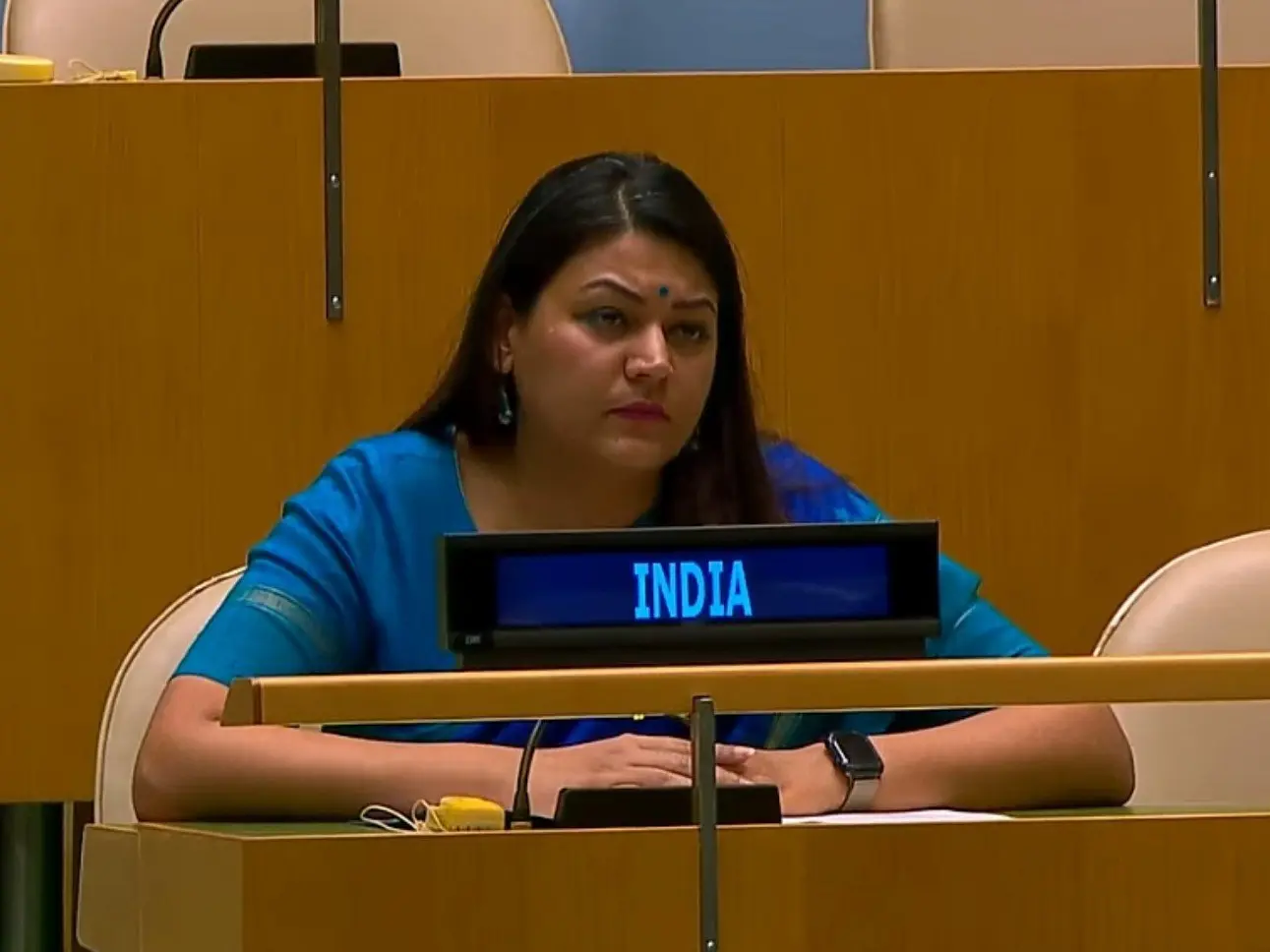)
Indian diplomat Petal Gahlot raises deteriorating situation in Pakistan-occupied Kashmir in right of reply at UN
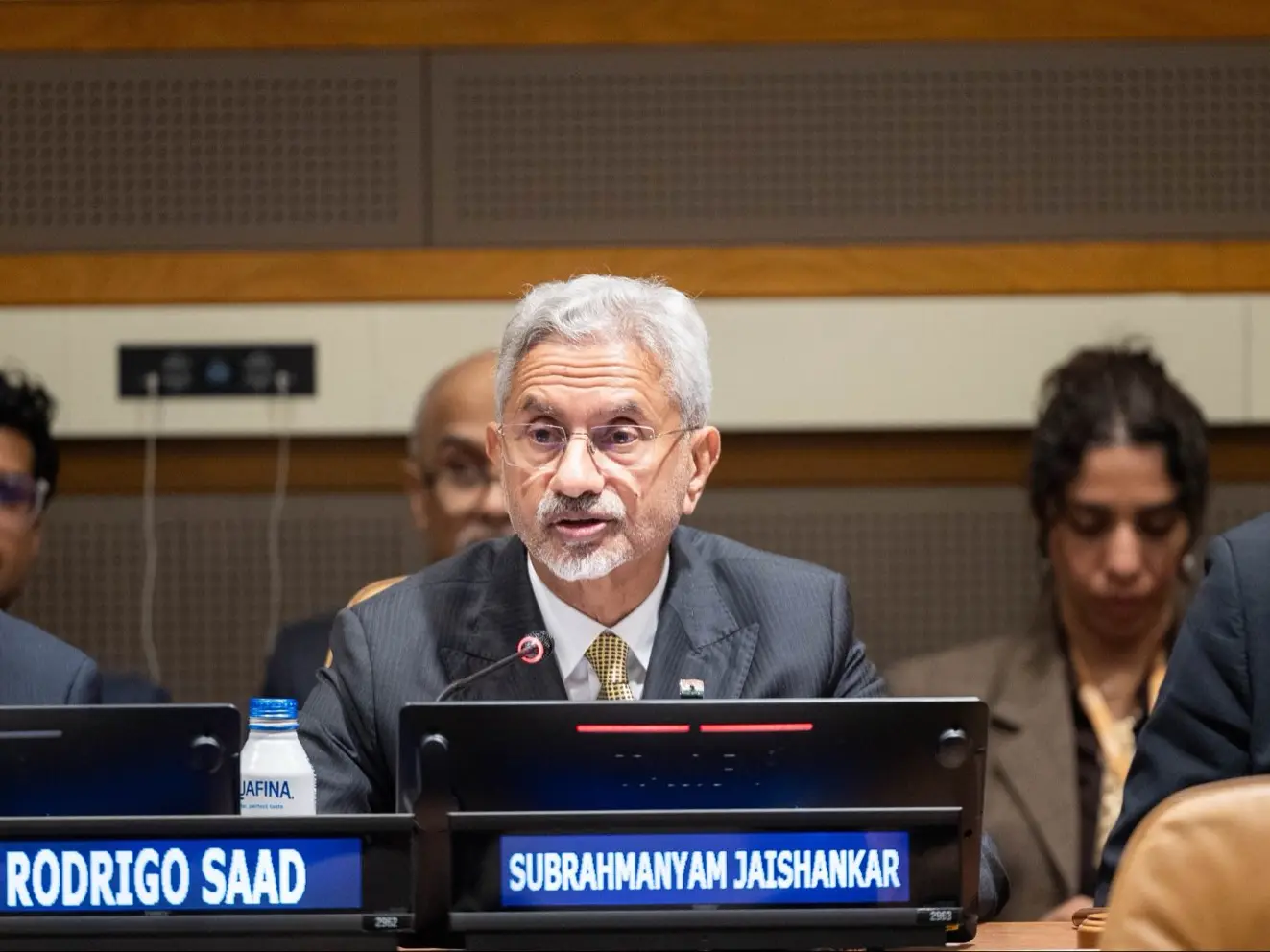)
'Countries far from conflict are penalised': Jaishankar calls for Gulf peace, seafarer safety at UN
)
Bigg Boss 20: Salman Khan schools Rhiti Tiwari over Qazi Touqeer clash, compares her to Dolly Bindra
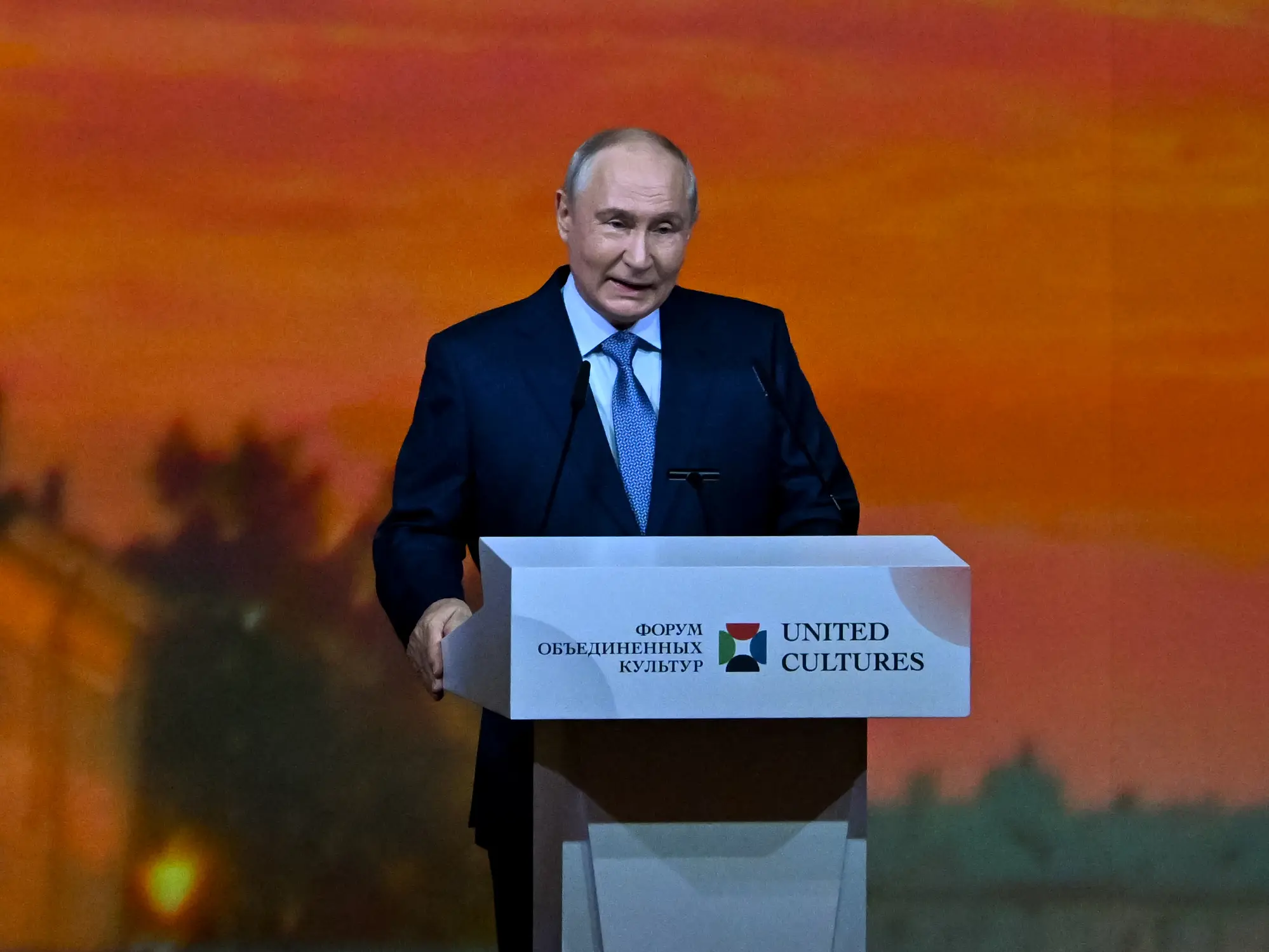)
‘It is all possible’: Putin weighs next steps on Ukraine talks, rules out Europe conflict
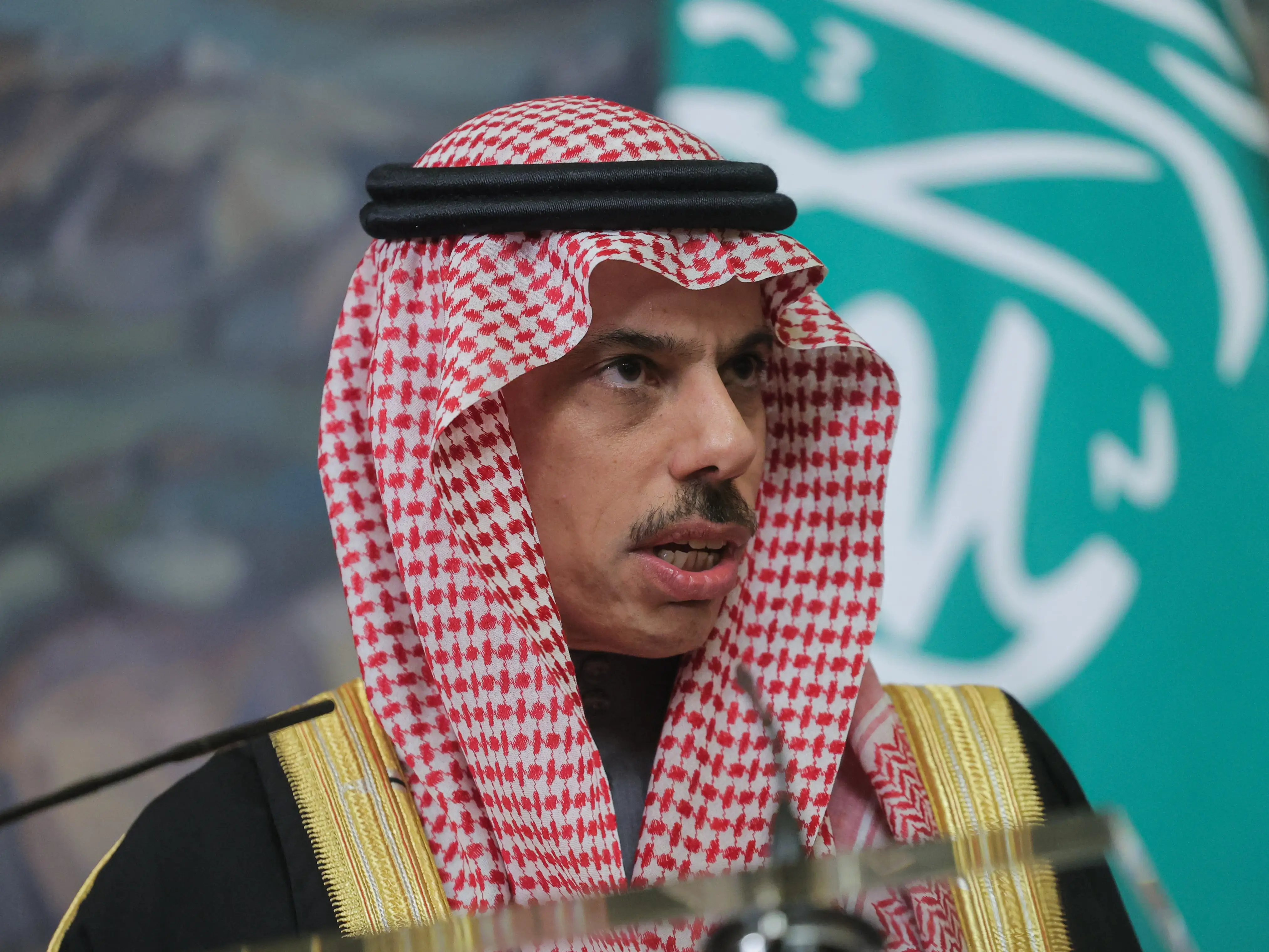)
Global community 'absent' in Gulf crisis: Saudi at UN calls for freedom of navigation, pre war status for Hormuz
)
Gaza's war turned environmental damage into second crisis
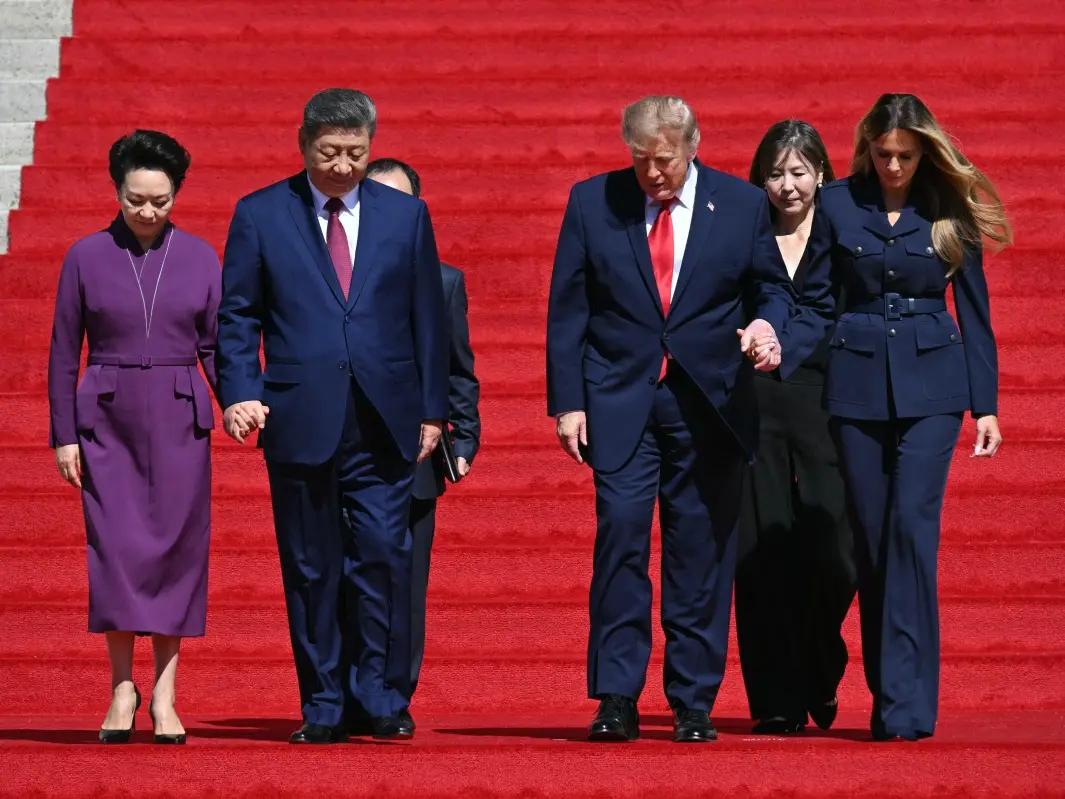)
Trump-Xi summit wrap: Big pageantry, Iran talks, few major developments and more meetings planned
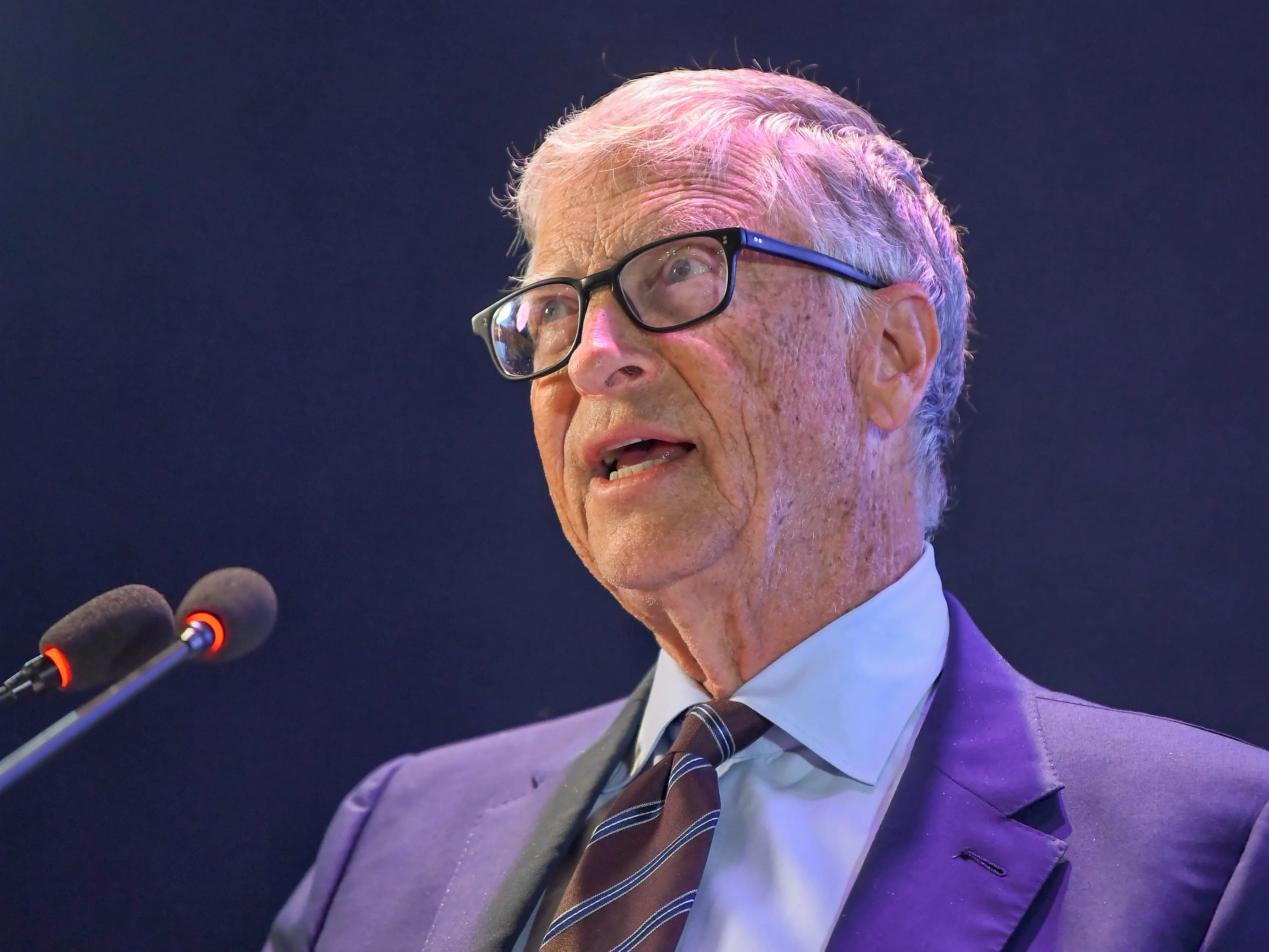)
‘Could kill billions...’: Bill Gates backs calls to slow AI development amid fears of catastrophe
)
Bollywood x K-pop crossover! LE SSERAFIM’s Kazuha charms fans with Shah Rukh Khan’s ‘Chammak Challo’ steps
)
US-Iran war: Trump rejects Iran's Hormuz proposal, reports suggest talks expected next week
)
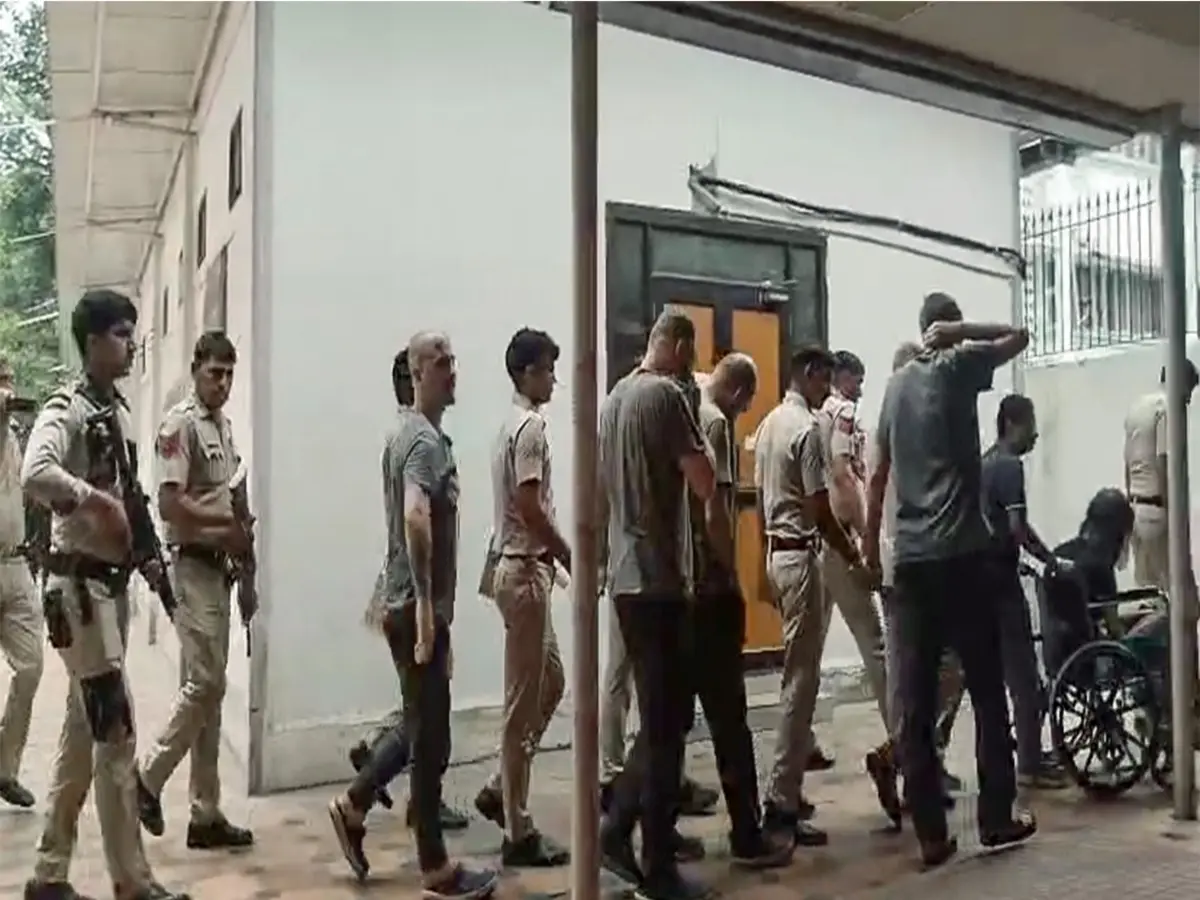
'What kind of confession is this?': Pakistan PM Shehbaz Sharif’s 'terrorists would be roaming New York' remark goes viral, raises alarm online. Watch
)
Myanmar training camp case: US national, 6 Ukrainians allowed to meet their families abroad
)
'FIRST LOOK from inside Noah’s Ark': Researchers share video from inside mysterious mound in Turkey
)
Cindy Crawford’s son Presley Gerber cremated as death probe continues
)
WATCH | As Shehbaz Sharif claims Pakistan’s ‘victory’ during 2025 conflict, Indian diplomat R Srinivas laughs at UN
)
'A terrorist country is asking me that question?': Jaishankar hits back at Pakistani journalist at UN; flags attacks on commercial shipping
)
Russia will achieve Ukraine war aims; Europe doing everything to block peace talks: Lavrov at UN
)
‘Serial practitioner of terrorism’: Jaishankar calls out Pakistan’s ‘state-sponsored’ terror at UNGA
)
US court backs Pentagon's decision to exclude Anthropic over Claude AI restrictions
Bloomberg quoted Kernaghan as saying, "The problem is that right now, we have a lot of voices saying that interest rates are going to stay where they are." He suggested that unless a company owner is seeking an exit or another compelling reason drives a firm to sell shares, it makes sense to wait.
While Canadian IPOs have been scarce, some firms in the natural resources sector, such as Strathcona Resources Ltd. and Allied Gold Corp., have entered the market through reverse takeovers, where private companies acquire publicly traded entities and assume the stock listing. Additionally, several companies have chosen to go public via special purpose acquisition companies (SPACs) in recent years. Kernaghan noted that the SPAC boom in 2020 and 2021 exhausted the pipeline of companies with IPO potential in the near future.
Kernaghan further expressed a sense of optimism, stating that private equity firms are actively looking to divest their portfolio companies either through initial public offerings (IPOs) or sales. He reasoned by saying that these firms have made substantial investments, and these assets are currently held within their portfolios. Consequently, there is a growing expectation that these firms will become increasingly eager to bring these assets to the market.
John McKenzie, the CEO of TMX Group Ltd,which operates the TSX, also expressed optimism during an earnings call, suggesting that the exchange anticipates increased equity financings in the coming year, with approximately 1,500 prospects in its pipeline.
Notably, the TSX's most prominent upcoming deal is the planned spinoff of BlackBerry Ltd.'s Internet of Things business in 2024, estimated to fetch $1.7 billion. Citi's Kernaghan highlighted the significant expertise in the natural resource sector within Canada, which is expected to support demand for potential issuers.
(Inputs from Bloomberg)
WATCH WION LIVE HERE