Technological sovereignty essential for strategic autonomy: Top science officer

&imwidth=600&imheight=450&format=webp&quality=medium "Technological sovereignty essential for strategic autonomy: Top science officer")
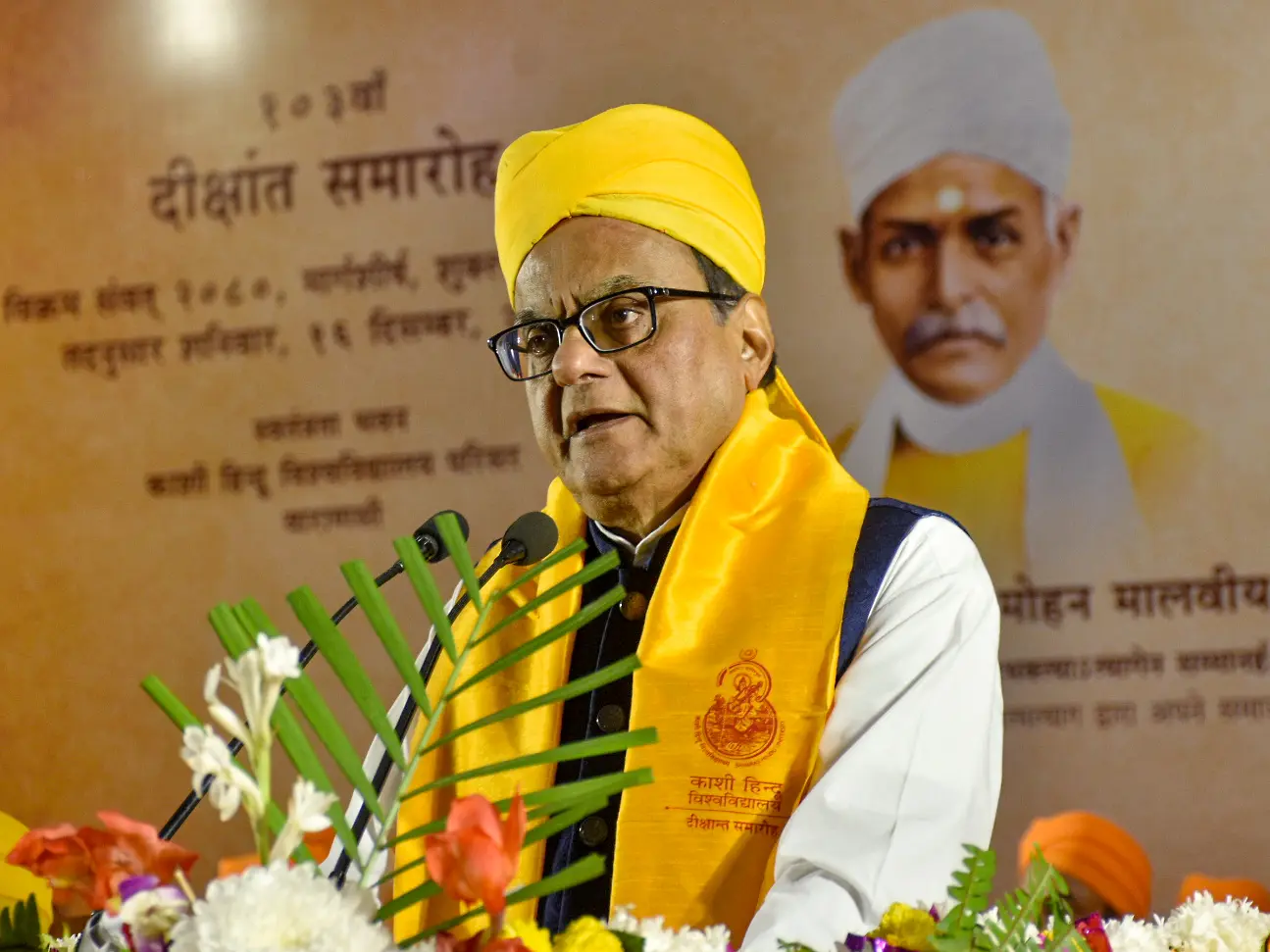
Professor Ajay Kumar Sood, Principal Scientific Adviser (PSA) to the Government of India. Photograph: (ANI file)
Government's Principal Scientific Adviser, Ajay Kumar Sood's remark came a day after Prime Minister Narendra Modi launched the Research, Development, and Innovation scheme.
Government's Principal Scientific Adviser, Ajay Kumar Sood, has stressed the importance of achievingtechnological sovereignty, saying the feat is importantfor thestrategic autonomy of a country. He said that the private sector must join the government in the research and development fields tosynergise the entire R&D system.
His remark came a day after Prime Minister Narendra Modi launched theResearch, Development, and Innovation scheme.
"We need to have technological sovereignty, which is absolutely essential for the strategic autonomy of a country. We need to see how the private sector R&D can join the government support through ANRF (Anusandhan National Research Foundation) and RDI (Research, Development and Innovation) Scheme to really synergise the entire R&D system," Sood said.
RDI scheme
The Research, Development and Innovation (RDI) Fund is a scheme with a corpus of Rs one lakh crore aimed at boosting private sector investment in research and development.
He said PM Modi has given aroadmap and a vision of how technology can benefit society. He added thattechnology has become important for every aspect of national growth.
Trending Stories
)
)
)
)
)
)
)
)
)
)
)
)
)
)
)
)
)
&im=FitAndFill=(700,400))
)
)
)
)
&im=FitAndFill=(700,400))
)
)
)
)
)
)
&im=FitAndFill=(700,400))
)
)
)
)
)
He further said that theResearch, Development and Innovation (RDI) scheme will be agame changer and that the initiatives will help synergise the public and private R&D ecosystems and accelerate the country's technological capabilities.
He said the fund will help buildcutting-edge and futuristic technologies.
He also called fordeeper engagement of Tier-II and Tier-III institutions to ensure that innovation is not limited to elite centres.
"How do we bring Tier-II and Tier-III institutions as much into the play as Tier-I, and really, we are seeing where policy intervention is needed to address it. All this is making a roadmap to take us forward," he added.
He noted that in India, hundreds of startups have come up, which are carrying out research inrockets, satellites, and the utilization of data.