Taiwan's financial ties with China unravel as ETF market nears collapse

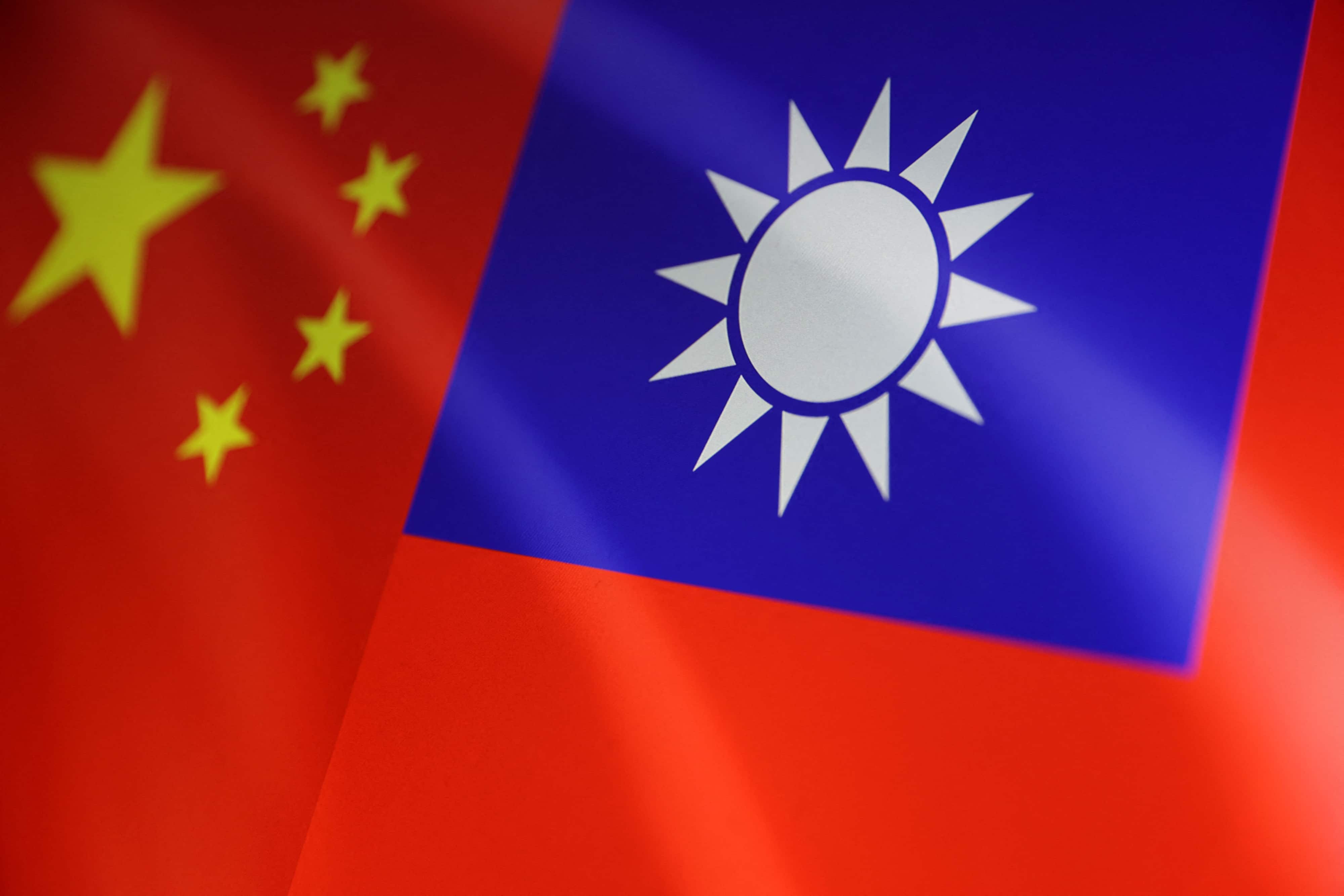
Chinese and Taiwanese flags are seen in this illustration
In a stark manifestation of the deepening economic and financial decoupling between Taiwan and China, the world's largest Chinese bond exchange-traded fund (ETF) market is on the brink of collapse.
According to Bloomberg, this rupture highlights the widening gap in relations fuelled by geopolitical tensions, de-risking of supply chains, and China's economic slowdown. Despite the impending critical presidential election in January, the trend of decoupling, from markets to finance and investments, is expected to persist.
ETF Meltdown: A 94 per cent plunge in Chinese bond assets

Taiwanese ETFs tracking Chinese bonds, once valued at over $58 billion in 2019, have witnessed a staggering 94 per cent decline in total assets under management as of early this month.
The nosedive reflects a broader global trend where funds are fleeing China's bond market due to significant yield differentials with the US. This financial rift mirrors Taiwan's pivotal role in US-China geopolitics, making the outcome of the upcoming election crucial as voters decide between maintaining political independence or seeking closer ties with Beijing.
Changing Dynamics: From promising yields to regulatory shifts
)
Why asking questions could be more important than memorising answers
)
Did India risk its US trade deal despite softer stance at BRICS?
&im=FitAndFill=(700,400))
How 2nm technology improves iPhone performance
&im=FitAndFill=(700,400))
Shahid Kapoor to Rajkummar Rao: Actors who rule both theatres and OTT
)
BRICS Summit 2026: Trump wants to weaken BRICS, but maybe doing the opposite
&im=FitAndFill=(700,400))
Meet top 5 batters fastest to 3000 runs in T20Is
)
Did BRICS Summit 2026 prove that an 11-member bloc with India and China in it can still agree on key issues?
)
Top 5 places to visit in Goa beyond its famous beaches
)
Delhi’s balancing act: BRICS serves as a stage for West Asia diplomacy
&im=FitAndFill=(700,400))
Why European Meteor missiles use ramjet engines compared to standard US solid rockets
)
'He is popular...': Malaysian PM Anwar Ibrahim's praise for PM Modi during bilateral meeting | WATCH
)
Iran, India agree to deepen humanitarian and political ties, President Pezeshkian says
)
‘Want to reset ties with India, have engagement based on mutual interests,’ says Bangladesh minister
)
BRICS Summit 2026: PM Modi, Xi reach key consensus on ties, China to assume BRICS chairmanship in 2027
)
UK breakup on the cards? Scotland, Wales and Northern Ireland push for independence
)
Russia-Ukraine-US talks in October? Kremlin says not ruling out possibility of trilateral
)
Trump says Canada eager to reach a deal, it could come ‘fairly soon’ if Ottawa treats US farmers better
)
The Verdict | Africa is too big to remain a guest at the BRICS table
)
‘Partners, not rivals’: Xi outlines four point plan for stronger India-China ties
&im=FitAndFill=(700,400))
Why Chinese PL-15 air-to-air missiles use dual-pulse motors compared to European interceptors
)
'It’s going to be a war': Ben Shelton on facing Zverev in US Open title clash
)
NATO under Russian threat? Drone strikes just 2 km from Poland, narrow escape for former UK PM, CIA chief
)
Trump defends Lincoln Memorial pool amid NYT report blaming renovation flaws, not vandalism
)
BRICS Summit: New Delhi declaration adopted with full consensus, big diplomatic win for India
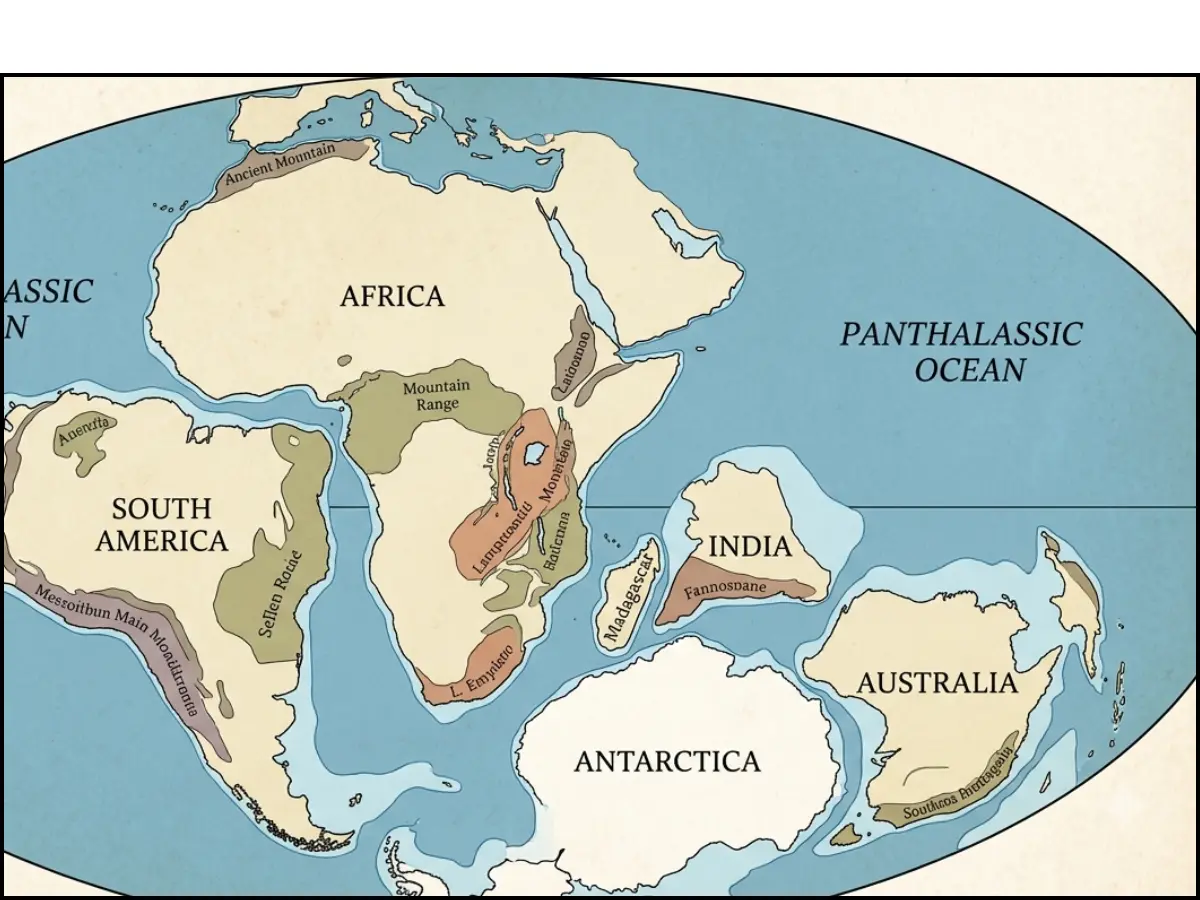)
800 million years old - Scientists discover 'fingerprints' of supercontinent Gondwana in ancient rocks
)
Russian drone hits Warsaw-bound train near Polish border, Zelensky accuses Moscow of ‘deliberate’ targeting
)
War is making Russia stronger? How Ukraine is shaping Moscow’s next generation of weapons
)
BRICS Summit 2026: Russia-India-China grouping never formalised
)
9-year-old Chennai prodigy clears Cambridge IGCSE grade 10 exams
)
Indian importers urge Bangladesh to lift export ban on 'Hilsa' fish ahead of Durga Puja
)
Humans may lose control of AI: Anthropic CEO calls for slowdown, Altman, Musk back him
)
US diplomat accused of possessing child abuse images secretly flown out of UK by US Marines
)
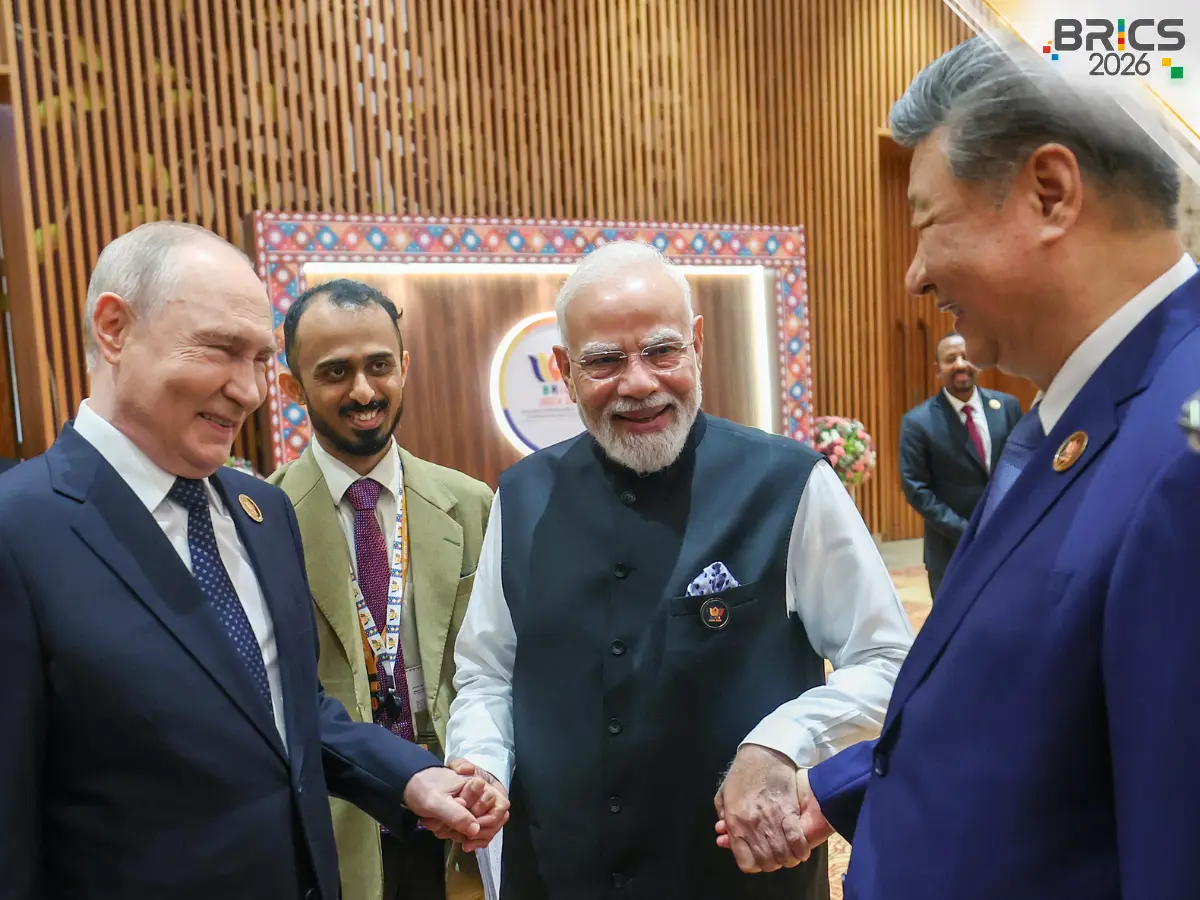
BRICS Summit 2026: Modi-Xi moment highlights India-China thaw at BRICS
)
Why does your skin need protection from UV rays?
)
PM Modi and China's Xi offered to help resolve Russia-Ukraine war: Kremlin
)
Akram, Afridi, Mushtaq tear into PCB after Pakistan’s Test series collapse in UK
The local market for investing in China-linked fixed-income securities in Taiwan, introduced five years ago, once thrived. Driven by promising yields for yuan-denominated bonds and the credibility of the Chinese government and policy banks as debtors, it faced a turning point with widening US-China yields.
Furthermore, stringent Taiwanese government regulations, requiring insurers to hold at least a BBB- rating, rendered it impossible for them to invest in China-backed ETFs. KGI Securities notes that until these restrictions ease, Taiwanese life insurance firms would need credit ratings from major global agencies to re-enter the market.
Financial Exodus: Taiwanese banks scale back in China
Taiwanese banks have been steadily reducing their financial footprint in China, with exposure to the world's second-largest economy hitting record lows. This withdrawal aligns with a global trend known as "China+1," where firms diversify and set up operations in other regions to manage supply chain risks.
Taiwanese firms, including Cathay United Bank and Fubon Financial Holding, are adjusting their strategies, expanding in Southeast Asia and capping positions in China, respectively.
Investment Slump: Cross-Strait tensions take a toll
Taiwanese direct investment into China has plummeted nearly 40 per cent in the first ten months of this year compared to 2022, poised for the sharpest year-on-year decline since 2019. Increased cross-strait tensions, ongoing US-China trade disputes, and the geopolitical landscape contribute to this significant drop. Analysts believe that even if a Beijing-friendly candidate were to replace President Tsai, the trend of looser ties in terms of foreign direct investment (FDI) and visitor flows is likely to persist.
China's share in Taiwan's exports shrinks
China and Hong Kong's share in Taiwan's total overseas shipments has decreased from 44 per cent in 2020 to 35 per cent in the first ten months of 2023. This shift is attributed to a decline in goods sent from Taiwan to China across various categories.
Rising wages, reduced local subsidies, and geopolitical strains, including Washington's export bans on Beijing, contribute to the diminishing attractiveness of China as a manufacturing hub.
(With inputs from Bloomberg)
WATCH WION LIVE HERE