
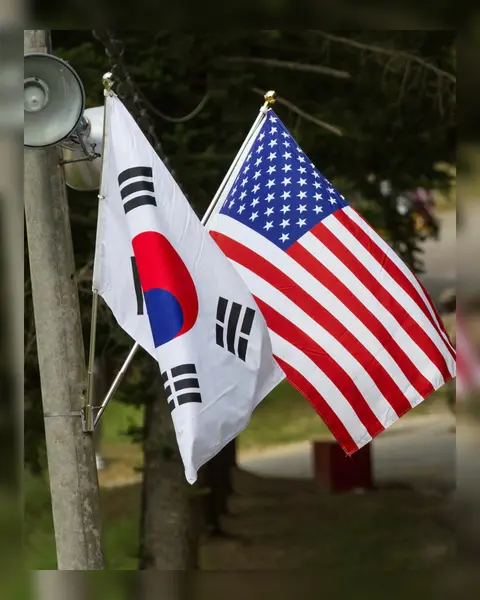
South Korea is scrambling to seal an in-principle trade deal with the United States before a looming tariff deadline threatens to hit some of its most vital industries. With a 25 per cent tariff set to kick in on August 1, negotiators in Seoul are under growing pressure to find a compromise that will protect exports of cars and steel, key drivers of the country’s industrial base.
A tight deadline for a fragile agreement
South Korea’s Minister for Trade, Yeo Han-koo, suggested there was still hope for an “agreement in principle” before the deadline, but warned that a perfect, detailed treaty was unrealistic on such short notice. As reported by the Newsis news agency, Yeo said talks were progressing but that the next three weeks would be critical to avoid what he described as “unfair” tariffs from Washington.

“Twenty days are not enough to come up with a perfect treaty that contains every detail,” Yeo told local media. He described the goal as agreeing on a broad framework that could head off Trump’s tariffs while buying time for more complex negotiations later.
Agriculture market access on the table
One of the most sensitive sticking points in the talks is agriculture. Traditionally a fiercely protected sector in South Korea, agriculture and livestock market access has now emerged as a potential bargaining chip. Yeo signalled that while “sensitive” areas would still need protection, Seoul could consider opening up some parts of the market to US exports as part of the broader deal.
Trending Stories
)
Nigeria: Protesters take to the streets, police fire shots
)
US-Iran war: Tehran draws red lines — seven demands before any peace talks
)
Russia-Europe tensions: Polish PM warns Russian attacks could test NATO's unity
&im=FitAndFill=(700,400))
‘Not the US or China’: These are the countries leading the world in arable land
)
EXCLUSIVE | Singer Hanita Bhambri on her Toxic debut, working with Vishal Mishra and more
)
Mark Carney mimics Trump in hilarious moment over C$70 billion clean-energy investment; room erupts in laughter
)
Delhi voter roll shake-up: 3.31 million electors flagged in SIR review
)
Aravana prasadam shortage at Sabarimala temple in Kerala triggers protests, TDB questioned
)
‘End of my career...’: NSA Doval recalls tense Sikkim mission when China captured Indian intelligence team
)
Report: Iran rebuilding Taleghan 2, nuclear site tied to past weapons research, hit twice by Israel
)
Trump defends AI amid growing alarm, announces new 'AI force' and promises an 'AI czar'
)
Iran sets 7 conditions to end war with US: What are Tehran’s demands?
)
Trump announces ‘AI Force’ as debate grows over AI risks and regulation
)
China may have gained access to US's classified F-35 jets; parts meant for repairs diverted to Hong Kong, sparking Pentagon inquiry
)
Gaza under attack: Health chief's son killed in IDF strikes
)
Man breaks open wall hiding hundreds of books since 15 years
)
Arvind Kejriwal, family members, Delhi CM Rekha Gupta get SIR notices
)
AI actress Tilly Norwood glitches mid-interview, switches from English to Chinese | Watch
)
Saudi vs Houthis: Houthis claim missiles & drones used in attack on key Saudi sites
)
Ed Sheeran addresses Macklemore's removal, Gaza conflict during Philadelphia concert: 'I cannot hide how I feel'
)
Nepal forms 7-member panel to probe August 26 Bhotekoshi flood from source to downstream
)
‘Will go to any extent’: Pakistan vows to defend Saudi Arabia amid Houthi attacks
66 years of the Indus Waters Treaty: How India and Pakistan settled a bitter river dispute
)
The Verdict | When precision fails: US commits war crime in Minab school strike, UN finds
)
9 women found dead near Johannesburg: South Africans rally, demand 'enough' to femicide
)
Kampala-Ankara rift deepens: Uganda suspends military ties, seeks Fred Lumbuye's extradition
)
Several petrol pumps, other businesses to refuse UPI payments above Rs 2,000 from Oct 16: Is it legal?
)
US-Iran war: Tehran sets seven conditions to re-engage in talks with US
)
Reacher star Alan Ritchson opens up about alleged blackmail, suicide attempt during difficult period
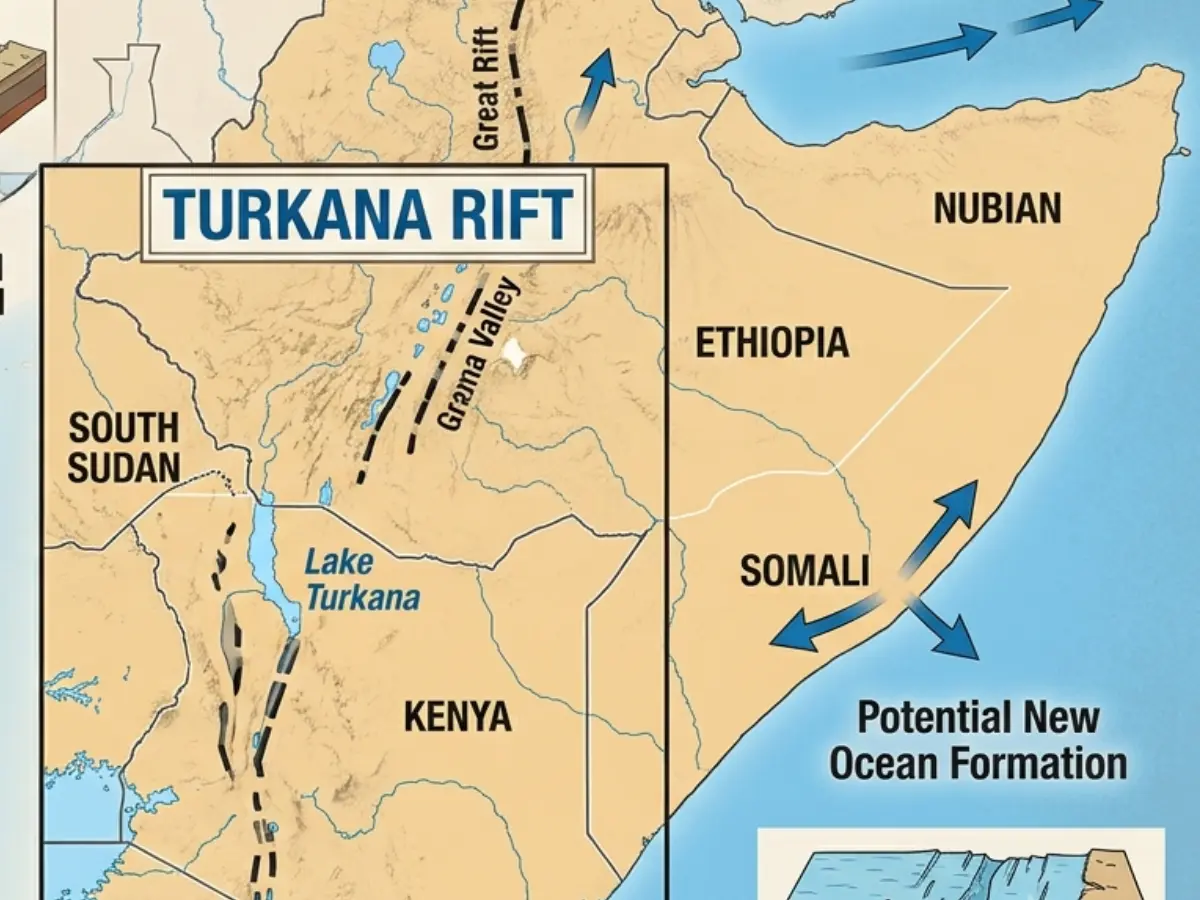)
Africa is splitting, and a lot sooner than estimated, giving way to a new ocean
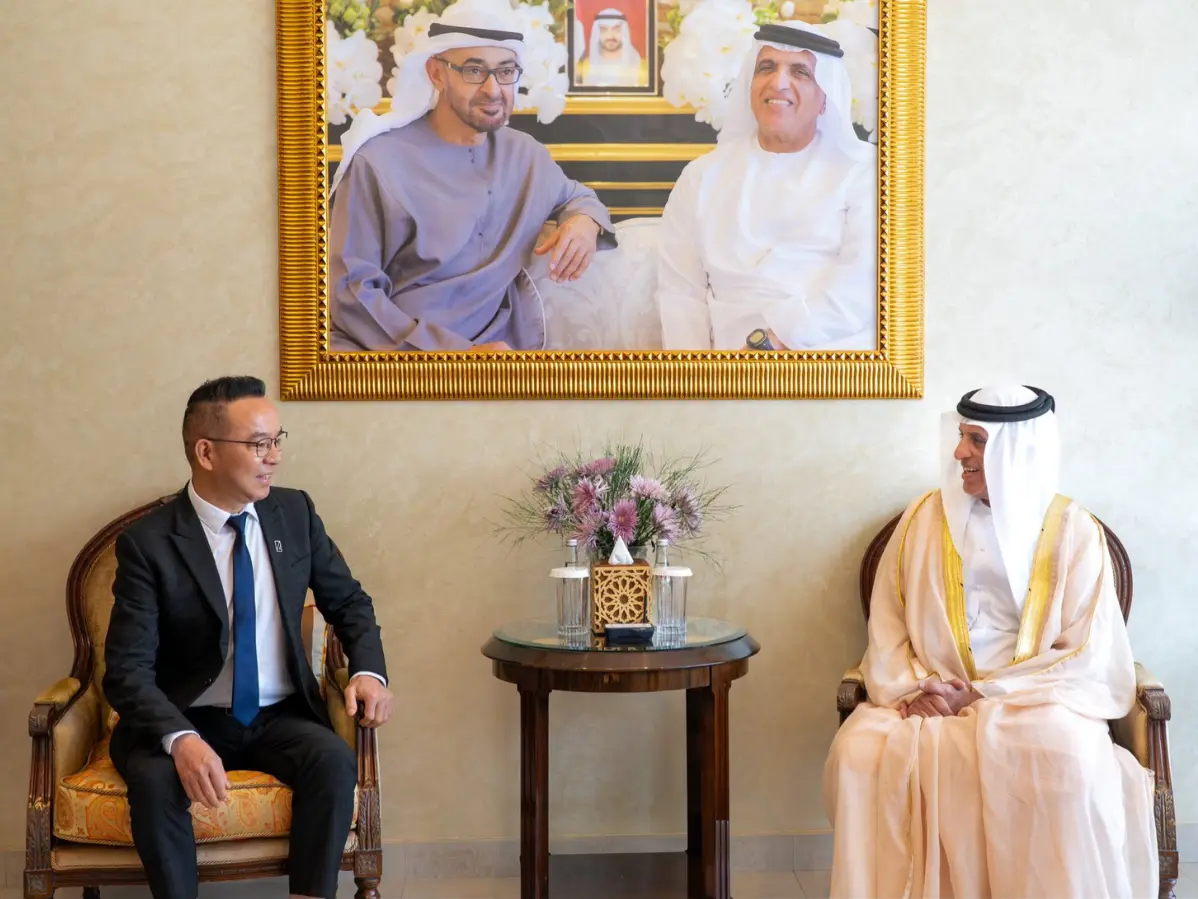)
Flying cars in UAE: Ras Al Khaimah signs deal with Chinese company to test new transport
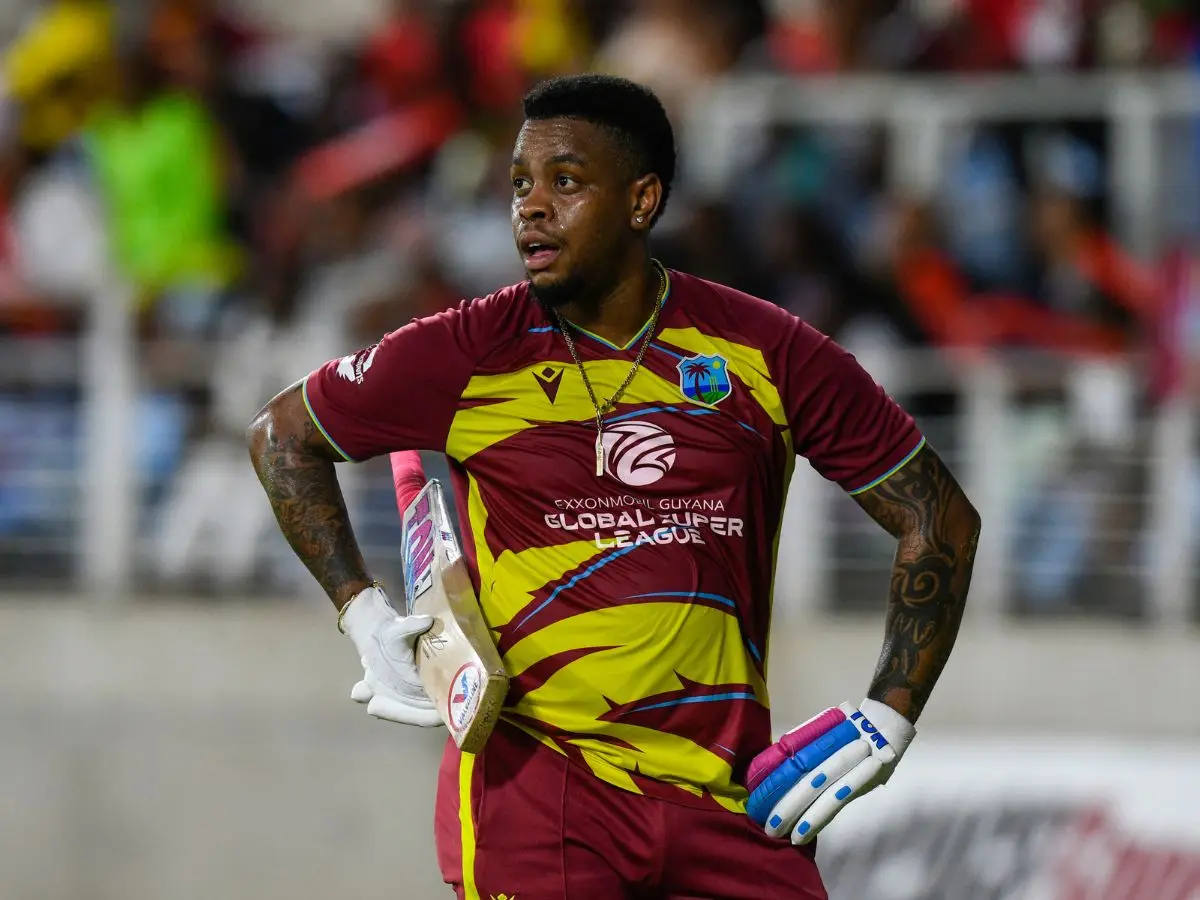)
West Indies Squad for India Series: Hetmyer included for T20Is, Holder rested
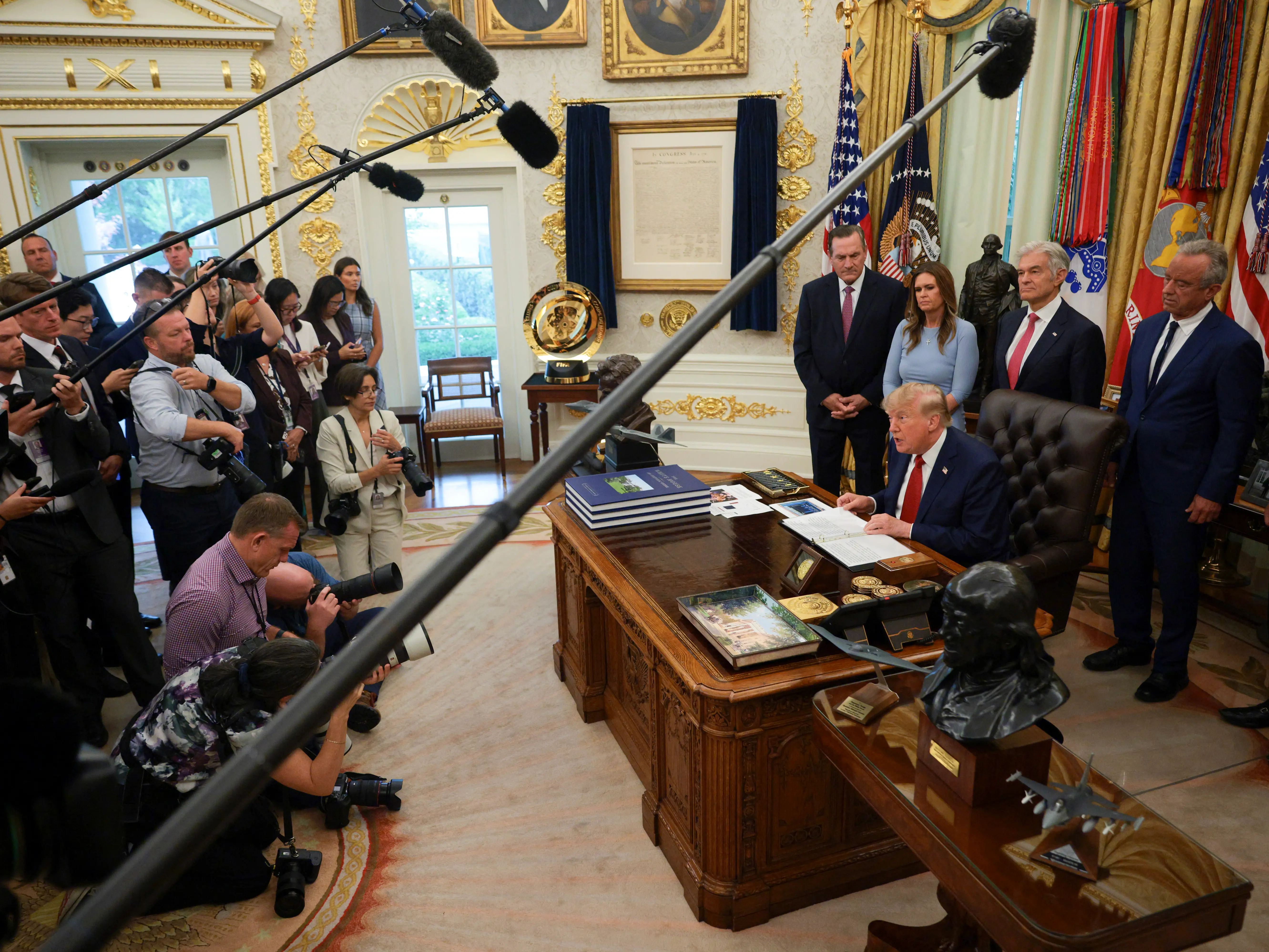)
Trump bans CNN, MS NOW and Politico from White House over ‘FAKE NEWS’
)
Trump 2.0: Dark days ahead for America’s ‘imperial presidency’
&im=FitAndFill=(700,400))
How many F-35s does Britain, Japan and Israel have?
)
Harry Brook targets long reign at top of T20I rankings after Sri Lanka sweep
)
Russia's deadly Ukraine strikes kill 2 in Sumy, hit Dnipro mall
)
Russia holds first parliamentary elections since the beginning of the Ukraine war
&im=FitAndFill=(700,400))
Meet top 5 Indian batters with fastest T20I centuries
)
Such a move would be politically risky, given the power of South Korea’s farming lobby, but officials see it as necessary if it helps defuse Trump’s tariff threat.
Trade surplus under scrutiny
The urgency in Seoul is driven by fears of serious economic damage. According to Korea Customs Service data, South Korea posted a record $55.6 billion trade surplus with the US in 2024, up 25 per cent from the previous year, fuelled largely by surging car exports.
Washington has long complained about that imbalance. Trump’s administration is demanding concrete measures to reduce the US trade deficit—echoing similar demands made during earlier rounds of trade fights with allies in Europe and Asia.
Tariffs on cars and steel a key battleground
For South Korea, the big worry is sector-specific tariffs that would hit its auto and steel industries hard. Trump has already threatened to impose 25 per cent duties on those goods if no deal is reached by August 1.
South Korean officials hope that by offering concessions on agriculture and showing willingness to cut the surplus, they can secure exemptions similar to those the US granted Britain in past negotiations.
Yeo said there had been “considerable progress” on industrial issues, but stressed that both sides would need to make concessions.
Political turmoil complicates talks
South Korea’s rush to negotiate is also shaped by recent political upheaval. President Lee Jae-myung only took office on June 4, after months of instability following his predecessor’s removal over an attempted martial law declaration.
That turmoil left Seoul with little time to respond to Trump’s tariff threats. Negotiations began in earnest only after the new administration was sworn in, forcing officials to work under intense pressure with the clock ticking.
Trump’s pressure tactics continue
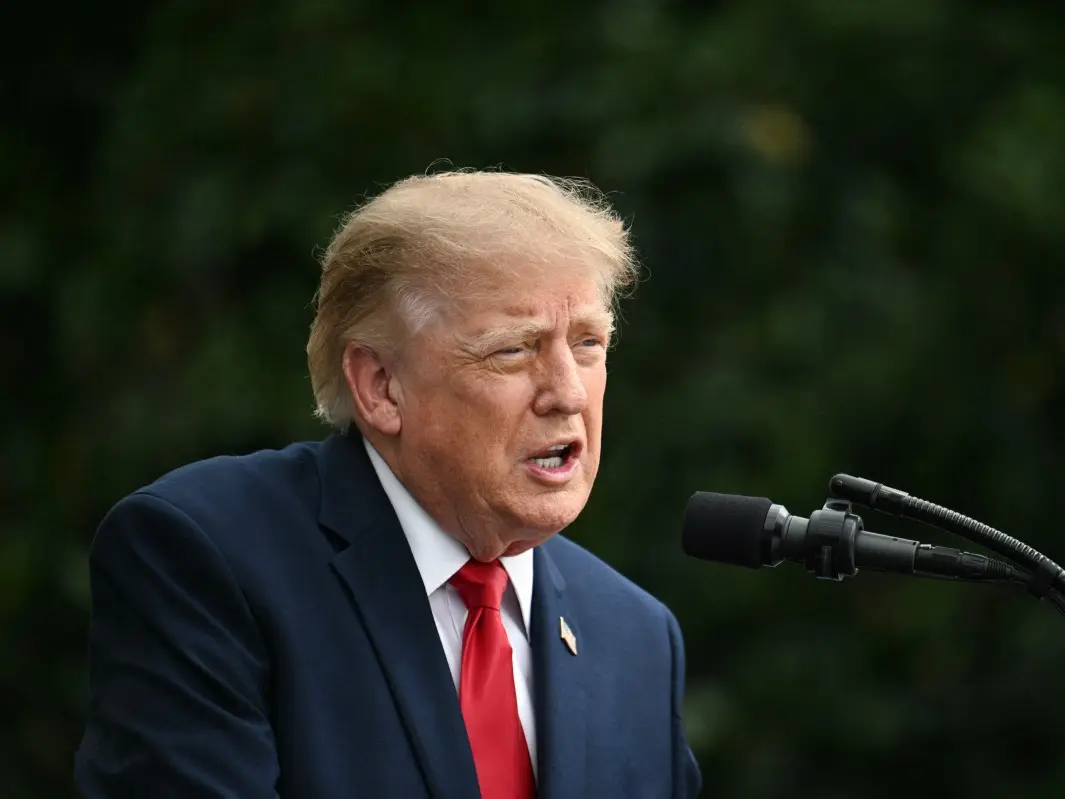
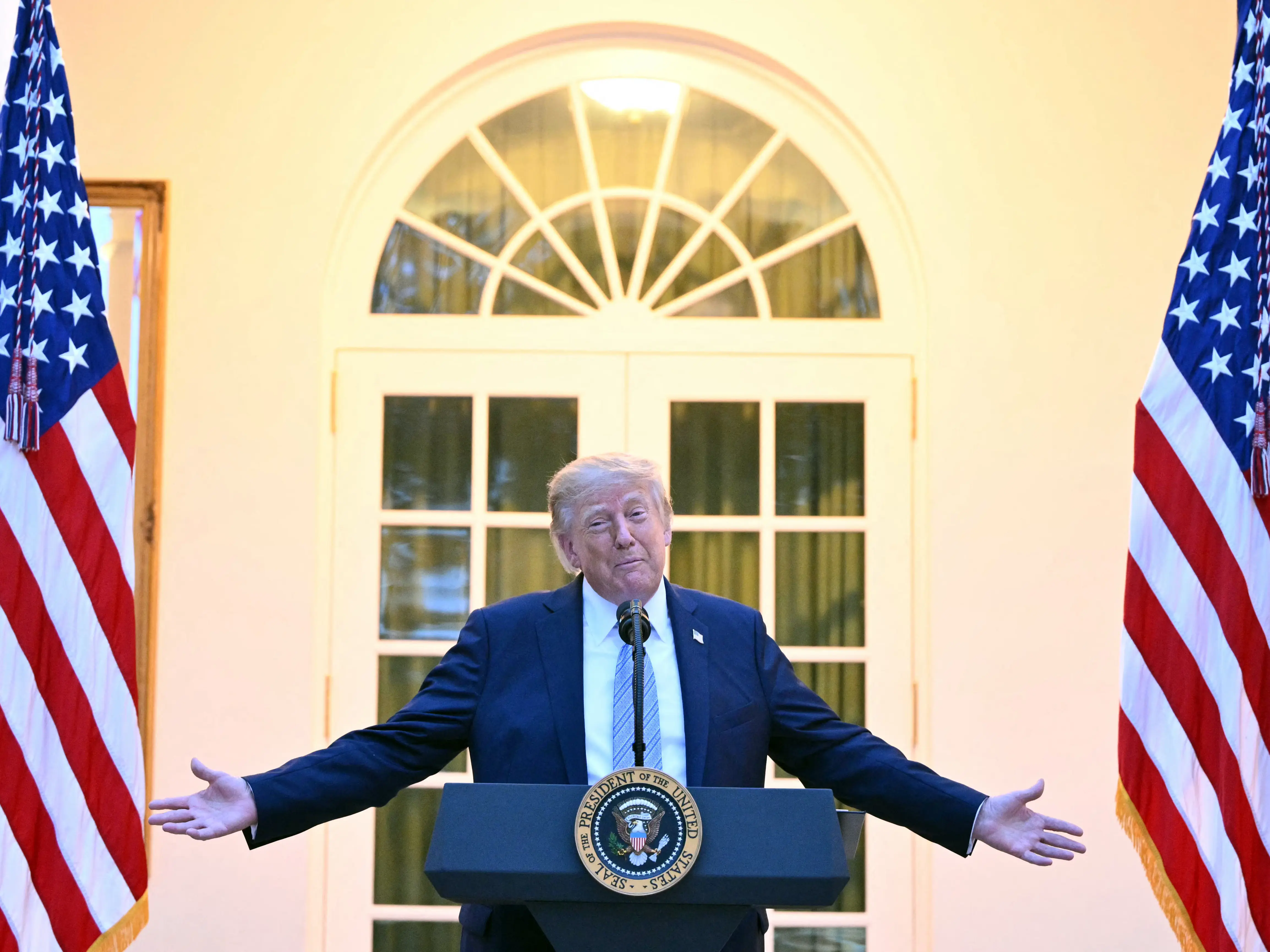
Meanwhile, President Trump has kept up the public pressure. Speaking to reporters in Maryland, he said bluntly that “South Korea wants to make a deal right now,” but did not specify what terms Washington would accept or how quickly a final pact could be concluded.
Analysts suggest Trump is looking for headline commitments that he can sell as a win to domestic voters—a reduction in the trade deficit, increased access for US farm exports, and new proof of his tough-on-trade stance.
A race against time
With less than three weeks to go before the deadline, both sides know the stakes are high. The tariffs would not only disrupt trade flows but could also strain broader security and diplomatic ties between the allies.
For Seoul, the mission is clear: avoid an economic shock that could ripple through its industrial base. For Washington, the goal is to extract concessions that help balance the trade relationship.
As the deadline nears, negotiators on both sides face the delicate task of turning fragile progress into a deal that can withstand political scrutiny at home and avert a damaging escalation in one of Asia’s most important trade relationships.