Saudi Arabia provides $2 billion support to Pakistan's weak economy

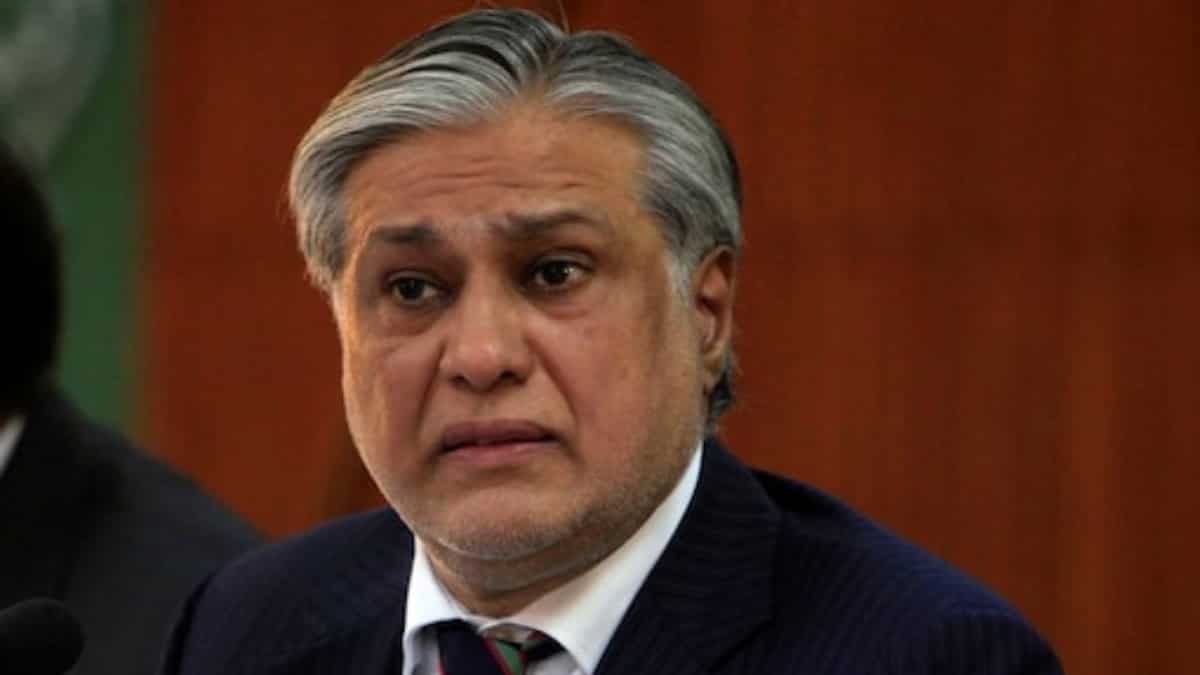
Ishaq Dar
Finance Minister Ishaq Dar announced on Tuesday that Saudi Arabia provided a boost of support to Pakistan's struggling economy. Saudi Arabia has provided $2 billion in financial assistance to Pakistan, which comes at a crucial time as the International Monetary Fund's board is expected to approve a much-needed $3 billion bailout.
Minister Dar disclosed that the funds have been successfully deposited into Pakistan's central bank, resulting in a bolstering of the country's foreign exchange reserves. This financial assistance from Saudi Arabia comes at a critical juncture when Pakistan's reserves were inadequate to cover a month's worth of restricted imports.
Saudi Arabia had committed to providing the funds back in April but waited until the assurance of an IMF rescue package, given Pakistan's ongoing debt and economic crises, before depositing the funds with the State Bank of Pakistan.

In the closing days of June, Pakistan, facing the imminent risk of a sovereign debt default, secured a crucial $3 billion IMF rescue package. However, the loan still awaits approval from the IMF board, which is scheduled to convene on Wednesday. The IMF will gradually distribute the remaining funds under the nine-month agreement, with Pakistan receiving an initial disbursement of approximately $1.1 billion.
The agreement with the IMF is expected to pave the way for additional financial support through bilateral and multilateral channels, in addition to the assistance provided by Saudi Arabia. Finance Minister Dar expressed his optimism, stating that Pakistan's foreign exchange reserves are anticipated to reach $15 billion by the end of this month.
Pakistan is grappling with economic issues.
)
What’s in a name? Trump’s 'Lake America' move gets a tit-for-tat response from Canada
)
Outrage erupts after 3-year-old is married to 60-year-old man in Pakistan, link to her sister's murder being probed
)
Trump gifts Xi a bald eagle sculpture at White House dinner: Here’s what it symbolises
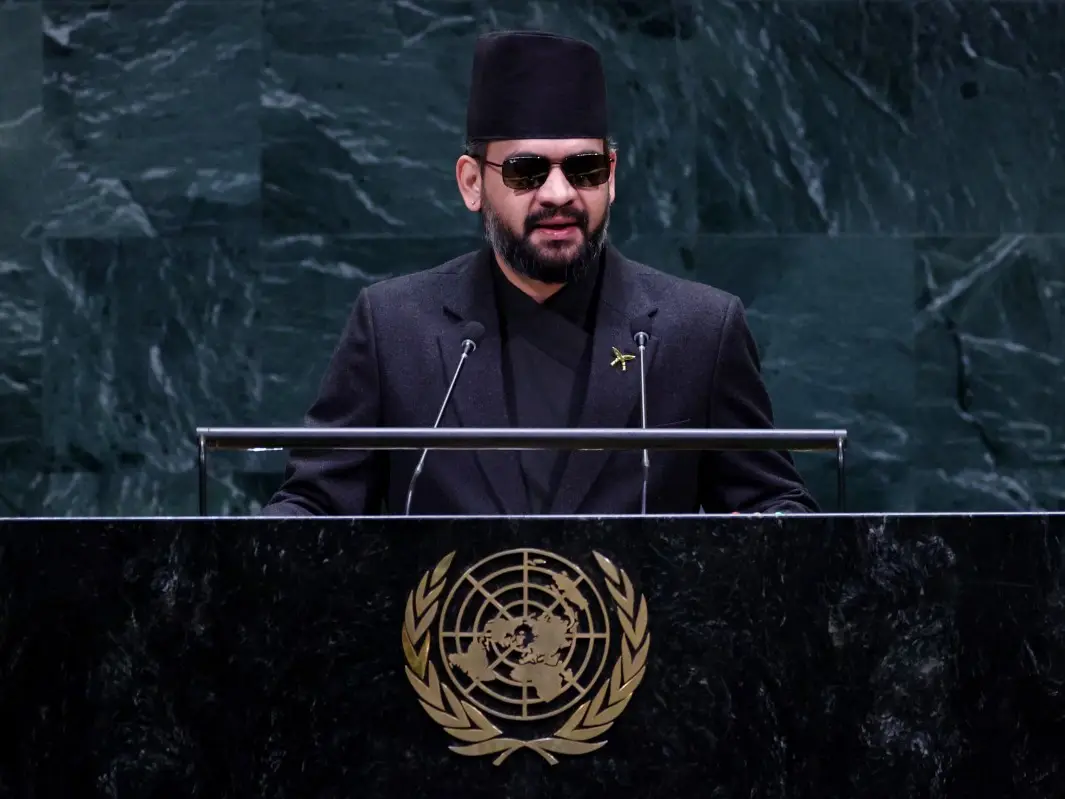)
‘Not just a local tragedy’: Nepal PM Shah warns UN of growing climate threat, says Nepal floods were 'a warning to the world'
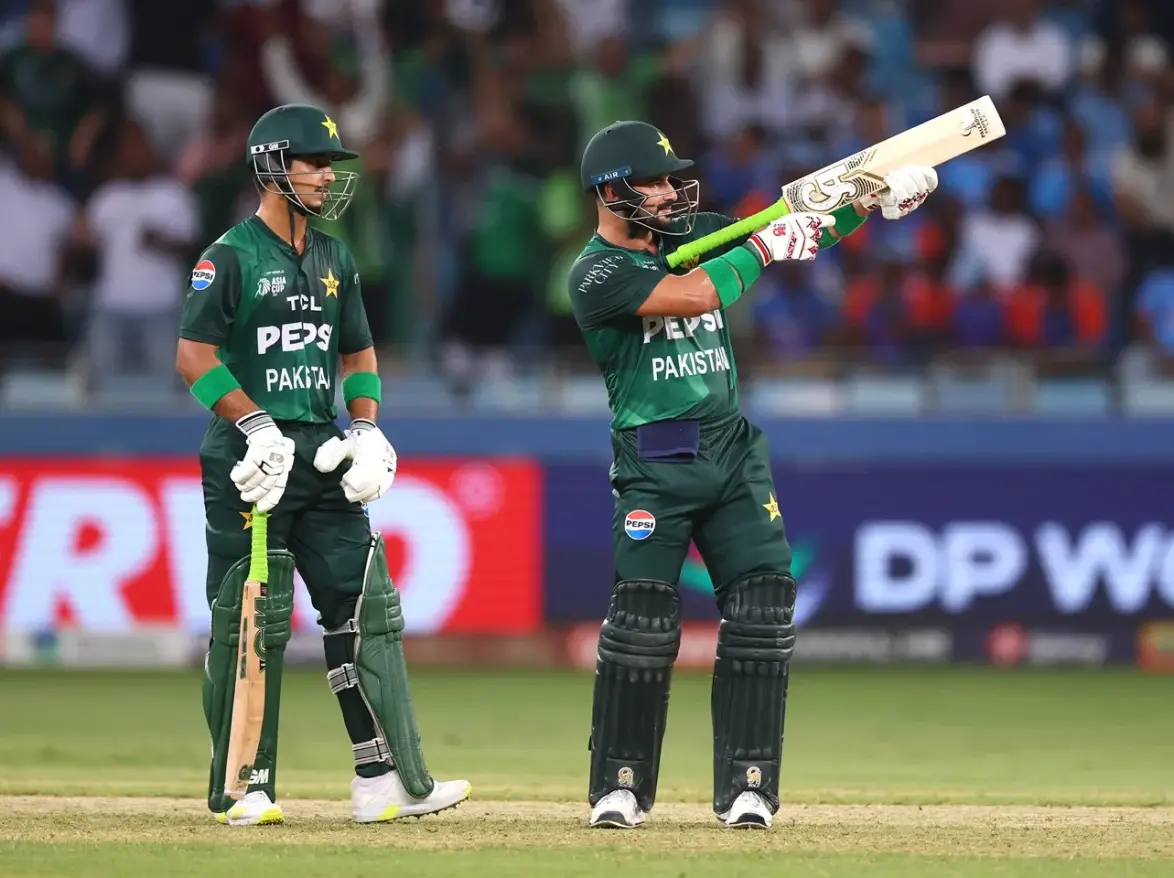)
Farhan, who went viral for AK47 celebration vs India in Asia Cup, hopes to lead Pakistan beyond Asian Games
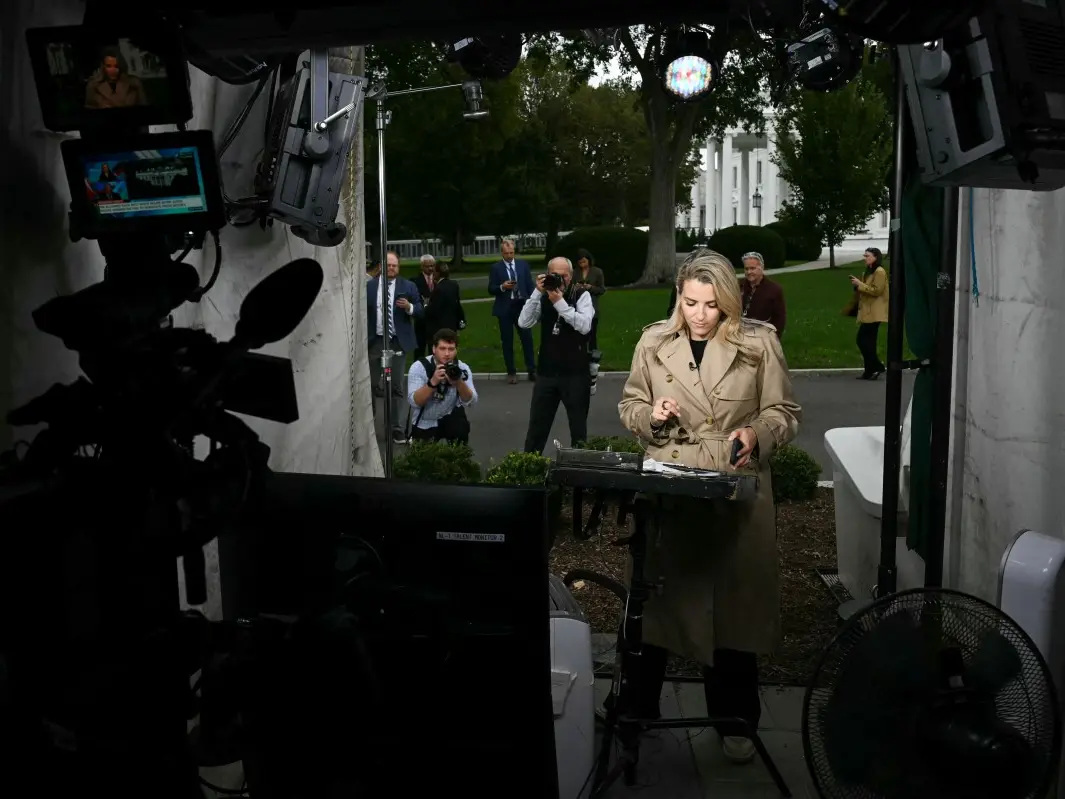)
CNN, Politico and MS NOW back in White House after judge blocks Trump’s media ban
)
India-New Zealand FTA is ‘an expression of trust’, NZ High Commissioner Patrick John Rata says
Don't Be Shy movie review: A frothy coming-of-age tale that is too shy to experiment
)
Park Ji Hyun makes history as first Korean actress nominated for International Emmy
)
Tesla is preparing something big for Optimus: new Gen 3 models surface in app
)
Bias or safety concerns? Bengaluru CEO says firm will not hire men from UP, Bihar, Rajasthan, MP. Here's why
)
Trump's welcome to Xi demonstrates 'attraction' to dictators: Chuck Schumer
)
Nations League: Germany draw on Klopp debut; Portugal, Norway win
)
WION Iconic Tourism Summit 2026: Union Minister Shekhawat on 'experiential travel', peace diplomacy
)
Scientists detect first radio signals directly from faraway planet
)
A seven-day roadmap? Iran proposes plan to end war, reopen Strait of Hormuz and resume nuclear talks
)
The Vvaan Review: This Ekta Kapoor's Tulsi Virani-coded world can't be saved by Sidharth Malhotra and Tamannaah Bhatia
)
China to test supersonic jet that moves at Mach 2, double the speed of sound
)
Xi Jinping's 'special plane' vs Trump's Air Force One: What's the difference?
)
Ruckus in J&K Assembly over statehood resolution; BJP leaders enter well of house
)
UNGA 2026: Israeli PM attacks Britain, France for past colonialism
)
West Indies coach Sammy looking at India series as opportunity to finetune ahead of ODI World Cup 2027 qualifiers
)
‘We’ve never gotten along better’: Trump praises Xi, jokes about White House ballroom at high-stakes state dinner
)
Air India pilot suspended after failing pre-flight alcohol test on Zurich-Delhi route
)
Yemen called Trump for US military support in fight against Houthis: Official
)
Meet Adrian Abraham: 9-year-old Indian-origin guitar prodigy aiming for a Guinness World Record
)
US faces fresh cost crunch as mortgage rates hit 7%, oil tops $107 and gas prices surge
)
'Blockbuster' nor'easter develops an eye similar to hurricanes as warnings are issued
)
WATCH: Pak PM Shehbaz Sharif refuses to answer on Hafeez Sayeed, walks away
)
OpenAI is building AI to fight cyber threats: What GPT-6 Cyber means for security
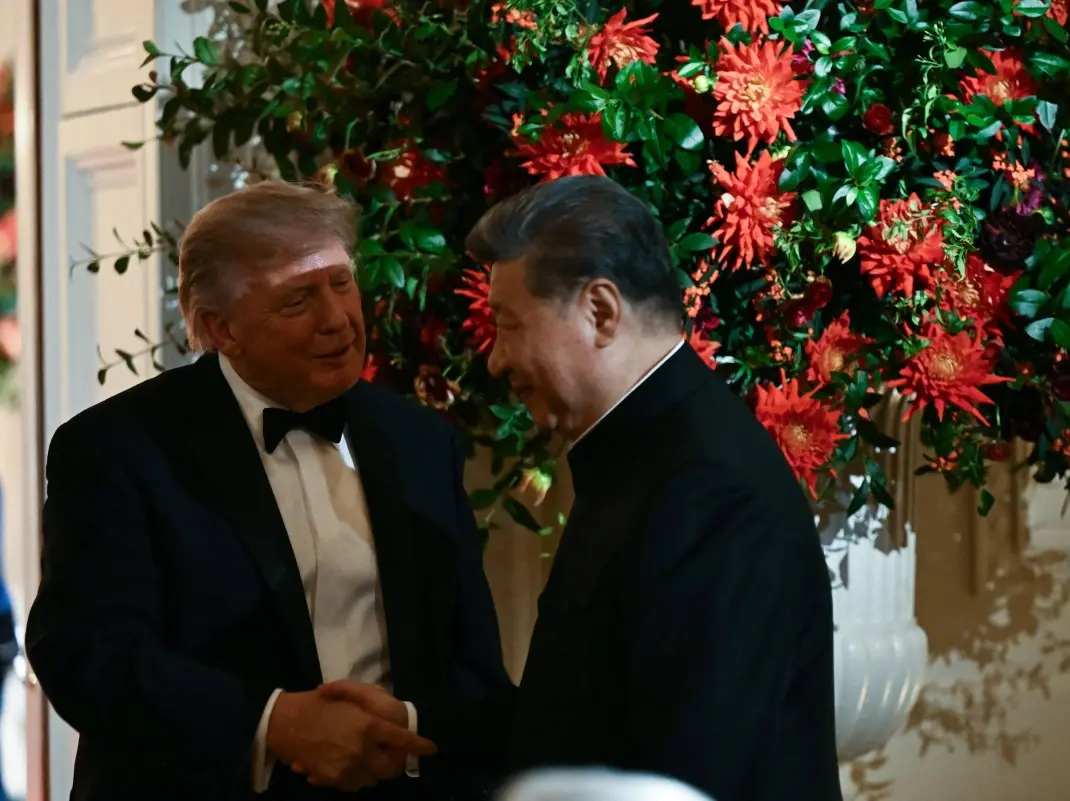)
'Making history': Xi Jinping praises Trump as US-China leaders dine at White House
)
'What kind of confession is this?': Pakistan PM Shehbaz Sharif’s 'terrorists would be roaming New York' remark goes viral, raises alarm online. Watch
&im=FitAndFill=(700,400))
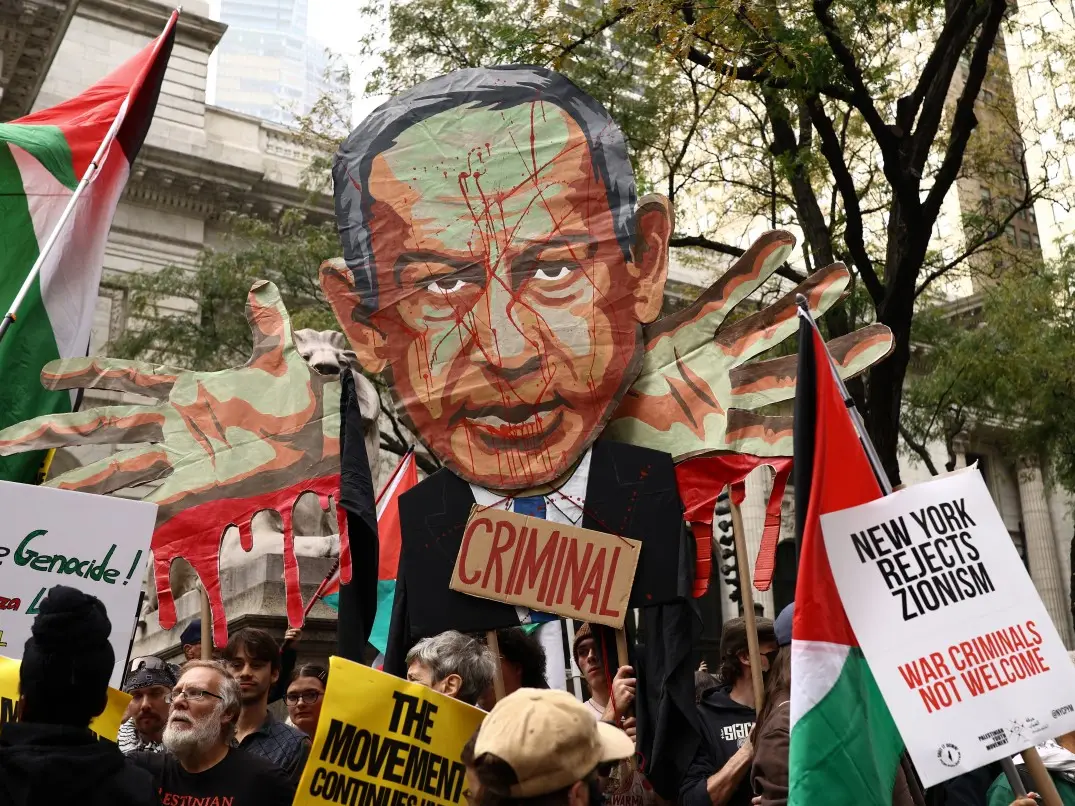
Netanyahu at UN: Mass walkout, attack on Mamdani and Iran threats | In Pics
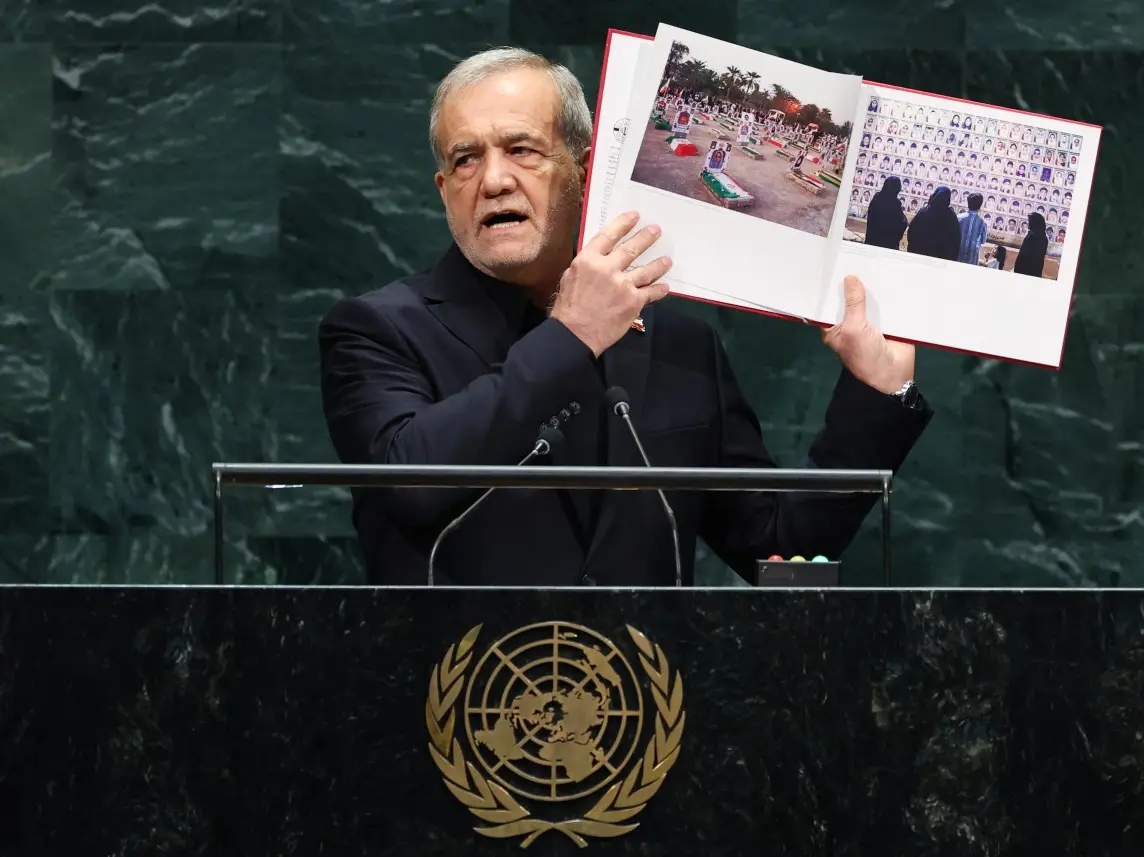)
'We do not wish to continue. It's America that must choose': Iran president Pezeshkian calls on US to end war
)
Bollywood mourns Mushtaq Khan: Sunny Deol, Rajpal Yadav and others pay tribute
)
Myanmar training camp case: US national, 6 Ukrainians allowed to meet their families abroad
)
'FIRST LOOK from inside Noah’s Ark': Researchers share video from inside mysterious mound in Turkey
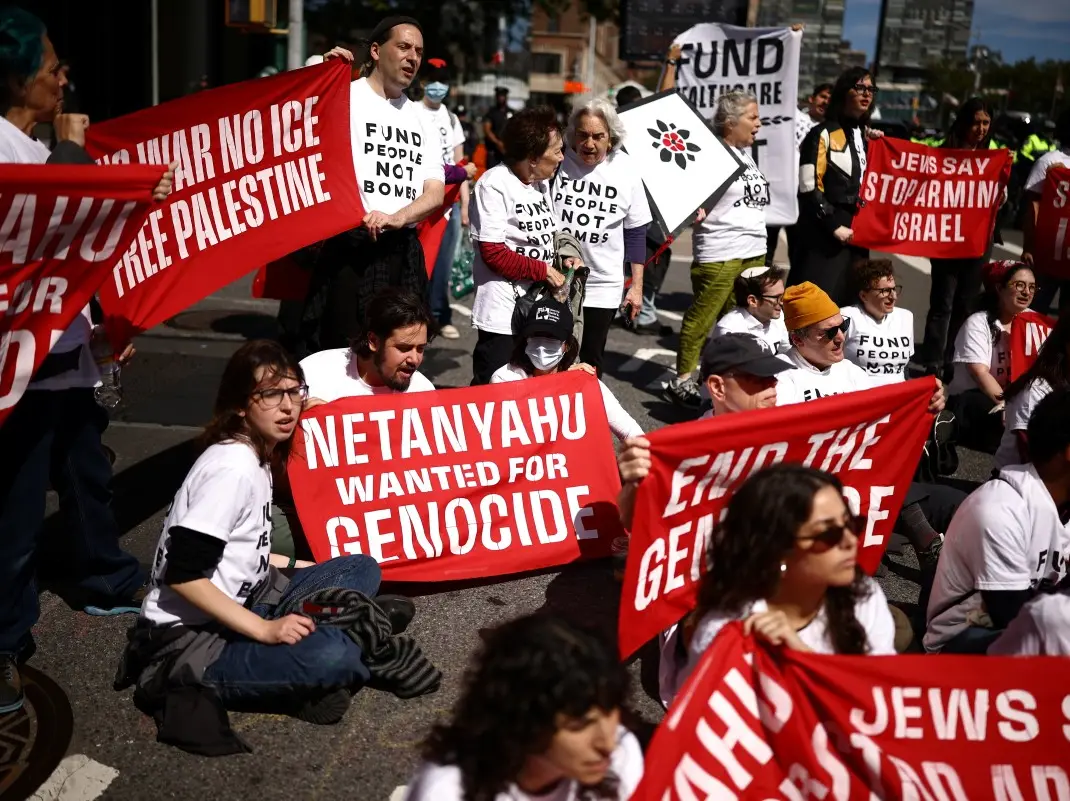)
'Fund people, not bombs': Hundreds take to New York streets as Netanyahu delivers speech at UN; dozens arrested
)
Susan Sarandon and Hannah Einbinder detained by NYPD outside UN Headquarters
)
Pakistan's economy, valued at $350 billion, is currently facing severe challenges, as it grapples with a staggering inflation rate of 38%. Over the past year, the government has implemented stringent measures to prevent default, as the country contends with a rapidly depreciating currency and a mounting external deficit.
During the current fiscal year, Pakistan's industrial sectors, which are vital for the country's economy, have witnessed a decline of around 3%. This decline has raised substantial concerns in a nation with a population of 230 million, where more than 2 million individuals enter the labor market each year. As a result, this setback in growth and employment opportunities has led to an increase in migration, posing a significant obstacle for Pakistan to overcome.
Reuters cited Hafeez Pasha, a renowned economist and former finance minister of Pakistan, who provided an estimate of the country's unemployment rate as "11–12 percent, conservatively." It is worth noting that official unemployment figures have not been released for over two years, leaving a gap in the current understanding of the employment situation in Pakistan.
Pakistan's fiscal deficit for fiscal year 2024 is expected to amount to 6.5% of the country's GDP. In preparation for the IMF meeting, Pakistan has revised its budget and implemented new measures aimed at reducing the deficit. However, specific figures regarding the extent of the deficit reduction were not provided by the finance minister.
Pakistan's improving credit rating
On Monday, Fitch Ratings upgraded Pakistan's long-term foreign currency issuer default rating from CCC- to CCC, providing a sense of relief to investors in the country's stocks and bonds. This improvement in the rating serves as a positive sign for Pakistan, which has been grappling with its most severe economic crisis.
Following Pakistan's agreement with the IMF, the country's bonds have experienced a significant surge in value. According to Tradeweb statistics, the sovereign dollar bonds witnessed a remarkable increase of up to 1.8 cents on Tuesday, following the disclosure of Saudi assistance. Shorter-dated bonds demonstrated the most substantial gains, with the 2024 issue rising to 77.75 cents on the dollar, marking an increase of over 30 cents from its late-June lows. This upward trend reflects growing investor confidence and optimism in Pakistan's financial outlook.
The recent upgrade in the country's rating reflects Pakistan's improved external liquidity and funding conditions, attributed to the staff level agreement reached with the International Monetary Fund (IMF). However, it also highlights the cautionary note that the budget deficit still remains significant. This development signifies a positive step for Pakistan's economic stability, while acknowledging the need for continued efforts to address the budget deficit.