Samsung's profits skyrocket as chip price rises on strong AI demand


Samsung
Samsung Electronics reported a sharp rise in its second-quarter operating profit Friday, attributing this to the recovery of semiconductor prices buoyed by the boom in the field of artificial intelligence. The company estimated that its operating profit for the quarter ended June 30 sharply rose over 15 times, reaching 10.4 trillion won ($7.54 billion) vis-a-vis 670 billion won last year.
That outperformed the 8.8 trillion won consensus estimate from LSEG SmartEstimate, which is a weighted average of the most reliable analysts' projections. It was the most profitable quarter for the company since the third quarter of 2022.
The revenue probably surged about 23 per cent year-on-year to 74 trillion won during the quarter, Samsung said.

The semiconductor business, its crown jewel and the biggest contributor to its overall performance, likely posted a second consecutive quarterly profit. That would be an improvement from the first quarter, as analysts expect memory chip prices to continue their rebound from a slump extended from mid-2022 to the last half of 2023, hit by soft post-pandemic demand for gadgets using these chips.
Analysts also pointed out that increased demand for high-end DRAM chips, especially for high-bandwidth memory (HCM) chips used in artificial intelligence (AI) chipsets, and chips used in data centre servers and AI-powered gadgets, has been causing the rise in prices for the chips.
For instance, DRAM chip prices in the second quarter have risen 13-18 per cent compared with the previous quarter, according to TrendForce. Meanwhile, NAND Flash chips, used for data storage functions, saw price increases of 15-20 per cent in the second quarter.
)
‘We’ve never gotten along better’: Trump praises Xi, jokes about White House ballroom at high-stakes state dinner
)
Park Ji Hyun makes history as first Korean actress nominated for International Emmy
)
Myanmar training camp case: US national, 6 Ukrainians allowed to meet their families abroad
)
What’s in a name? Trump’s 'Lake America' move gets a tit-for-tat response from Canada
)
Bias or safety concerns? Bengaluru CEO says firm will not hire men from UP, Bihar, Rajasthan, MP. Here's why
)
Israeli envoy to US Yechiel Leiter’s son critically injured in West Bank ramming attack
Don't Be Shy movie review: A frothy coming-of-age tale that is too shy to experiment
)
'FIRST LOOK from inside Noah’s Ark': Researchers share video from inside mysterious mound in Turkey
)
OpenAI is building AI to fight cyber threats: What GPT-6 Cyber means for security
)
CNN, Politico and MS NOW back in White House after judge blocks Trump’s media ban
)
UNGA 2026: Israeli PM attacks Britain, France for past colonialism
)
Susan Sarandon and Hannah Einbinder detained by NYPD outside UN Headquarters
)
Yemen called Trump for US military support in fight against Houthis: Official
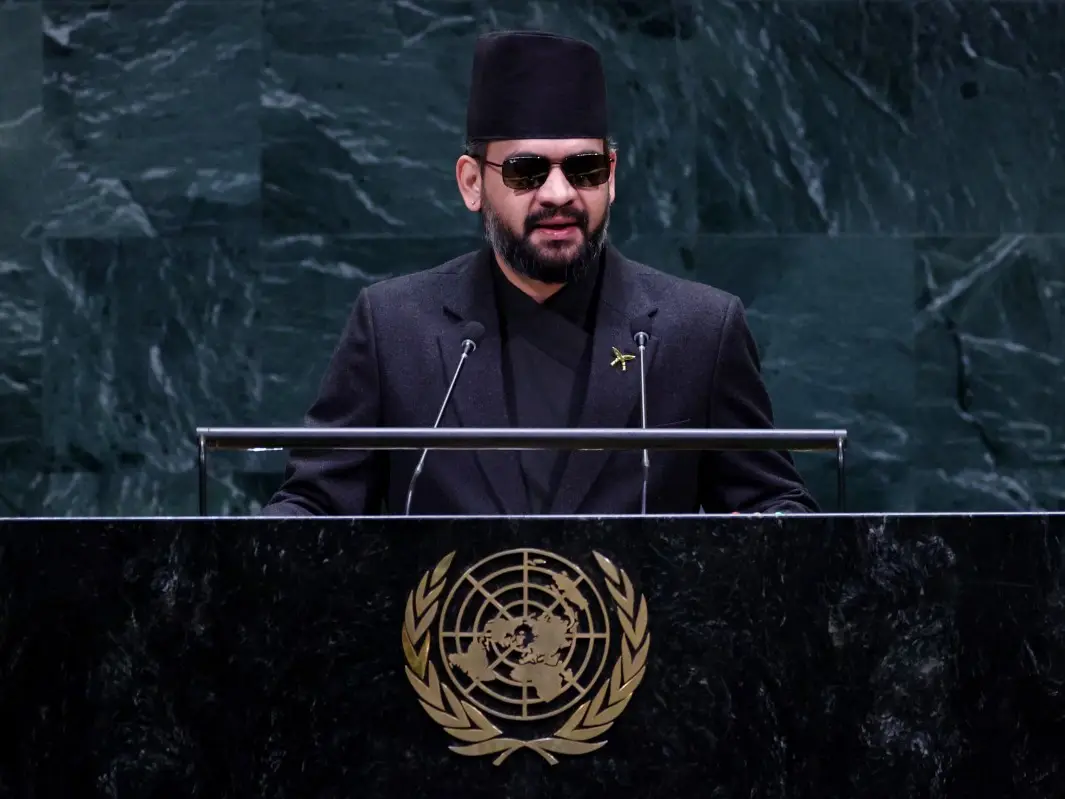)
‘Not just a local tragedy’: Nepal PM Shah warns UN of growing climate threat, says Nepal floods were 'a warning to the world'
)
Air India pilot suspended after failing pre-flight alcohol test on Zurich-Delhi route
)
WION Iconic Tourism Summit 2026: Union Minister Shekhawat on 'experiential travel', peace diplomacy
)
Outrage erupts after 3-year-old is married to 60-year-old man in Pakistan, link to her sister's murder being probed
)
WATCH: Pak PM Shehbaz Sharif refuses to answer on Hafeez Sayeed, walks away
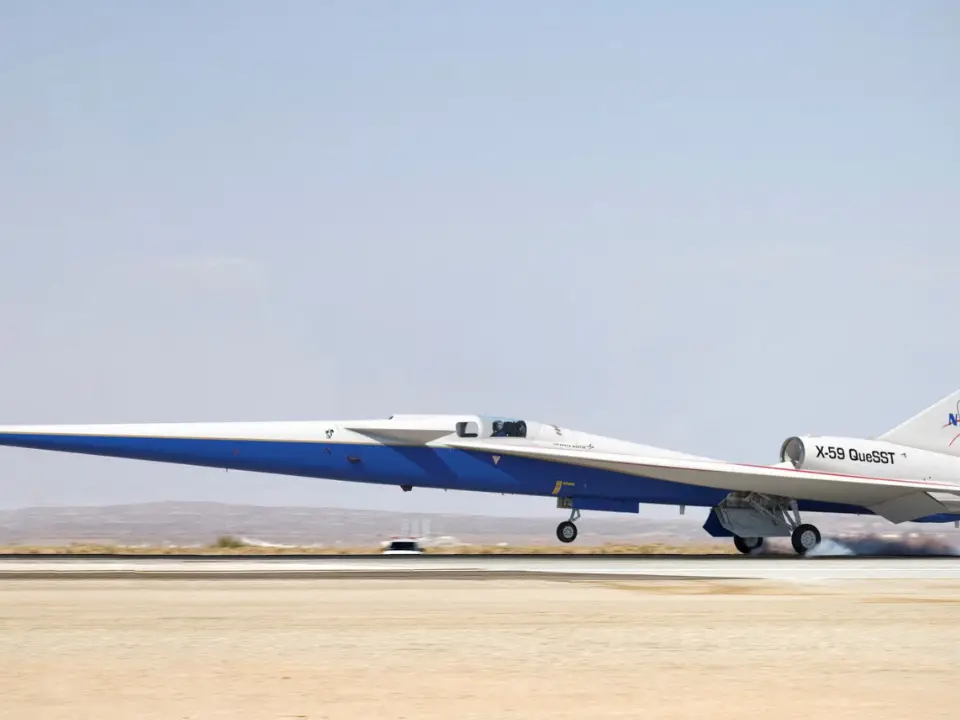)
China to test supersonic jet that moves at Mach 2, double the speed of sound
)
'What kind of confession is this?': Pakistan PM Shehbaz Sharif’s 'terrorists would be roaming New York' remark goes viral, raises alarm online. Watch
&im=FitAndFill=(700,400))
Netanyahu at UN: Mass walkout, attack on Mamdani and Iran threats | In Pics
)
'Blockbuster' nor'easter develops an eye similar to hurricanes as warnings are issued
)
West Indies coach Sammy looking at India series as opportunity to finetune ahead of ODI World Cup 2027 qualifiers
)
'Making history': Xi Jinping praises Trump as US-China leaders dine at White House
)
Trump gifts Xi a bald eagle sculpture at White House dinner: Here’s what it symbolises
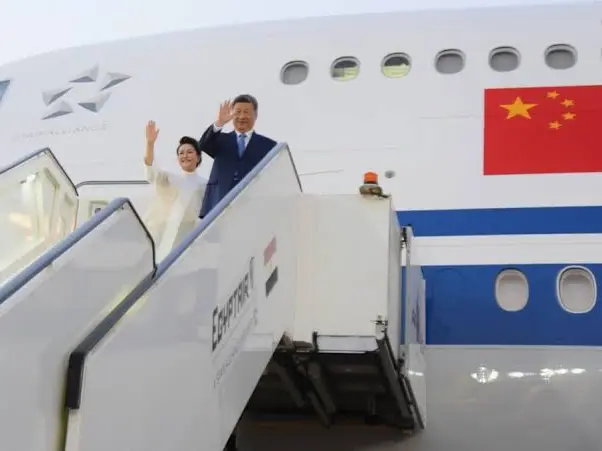)
Xi Jinping's 'special plane' vs Trump's Air Force One: What's the difference?
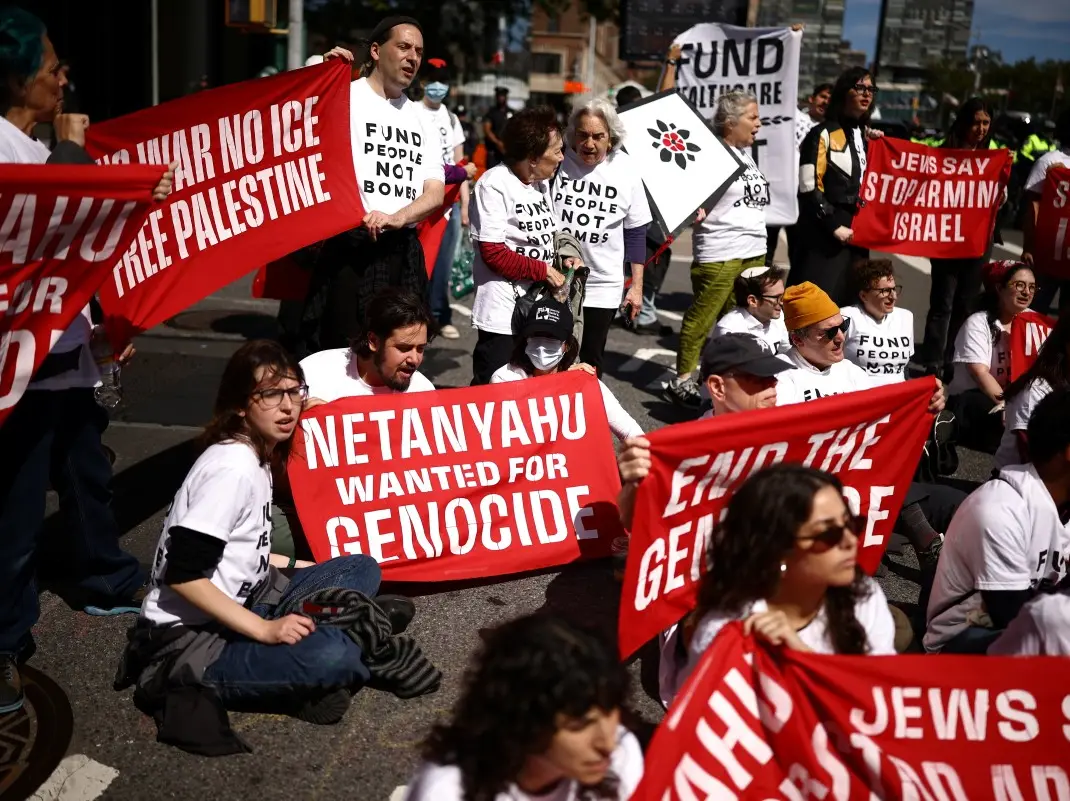)
'Fund people, not bombs': Hundreds take to New York streets as Netanyahu delivers speech at UN; dozens arrested
)
US faces fresh cost crunch as mortgage rates hit 7%, oil tops $107 and gas prices surge
)
Trump's welcome to Xi demonstrates 'attraction' to dictators: Chuck Schumer
)
The Vvaan Review: This Ekta Kapoor's Tulsi Virani-coded world can't be saved by Sidharth Malhotra and Tamannaah Bhatia
)
Nations League: Germany draw on Klopp debut; Portugal, Norway win
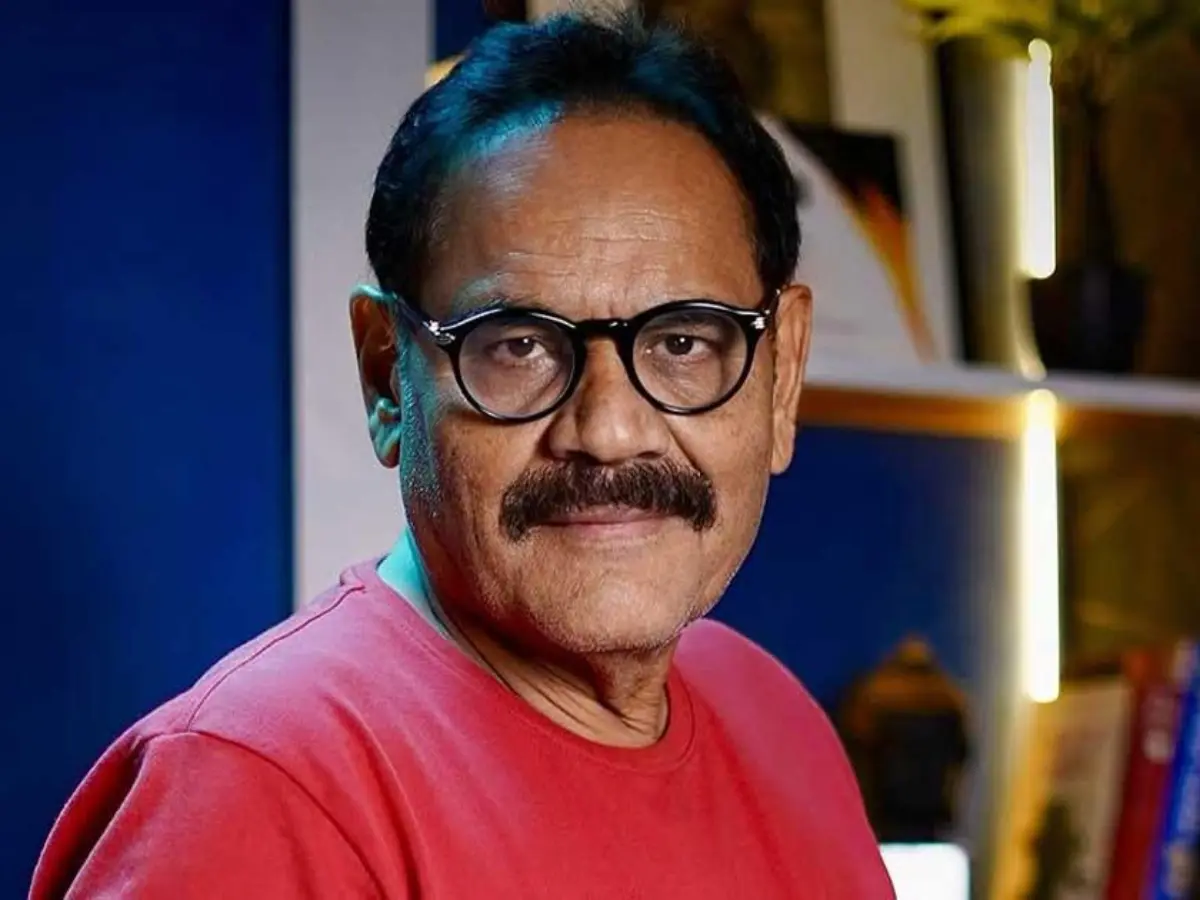)
Bollywood mourns Mushtaq Khan: Sunny Deol, Rajpal Yadav and others pay tribute
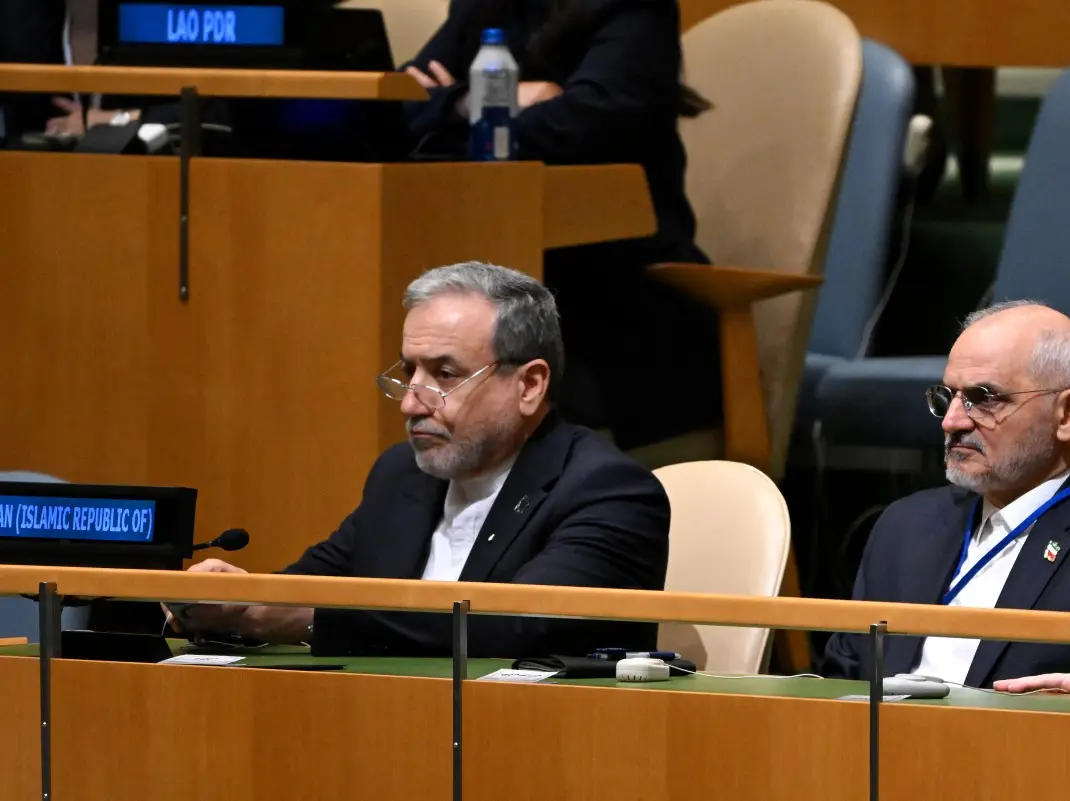)
A seven-day roadmap? Iran proposes plan to end war, reopen Strait of Hormuz and resume nuclear talks
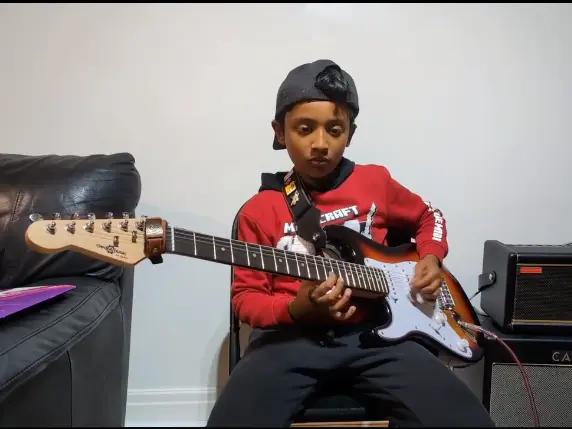)
Meet Adrian Abraham: 9-year-old Indian-origin guitar prodigy aiming for a Guinness World Record
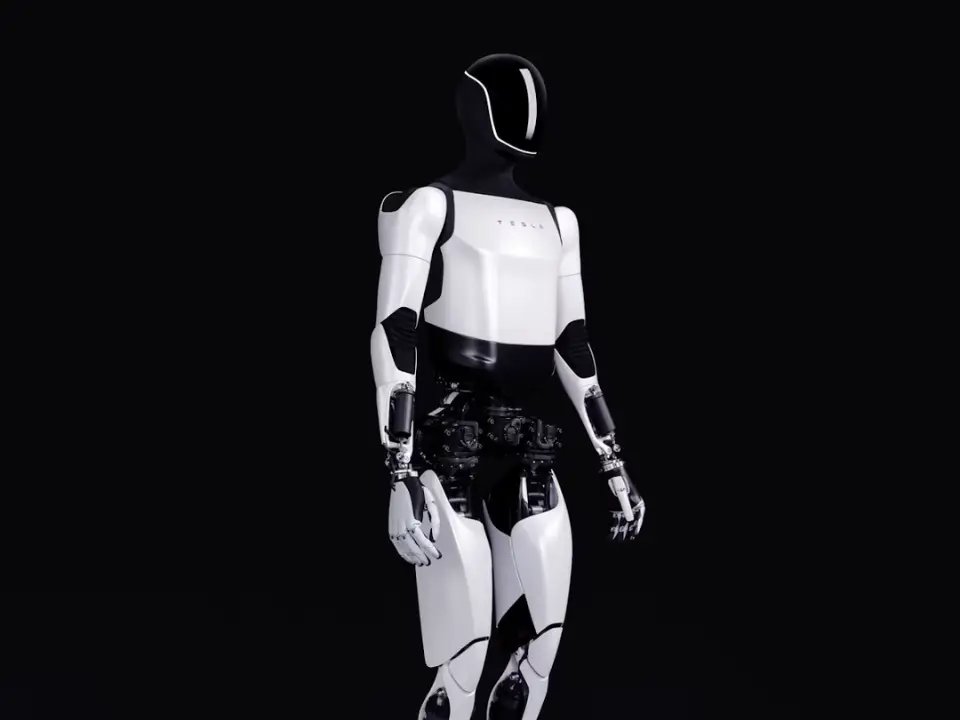)
Tesla is preparing something big for Optimus: new Gen 3 models surface in app
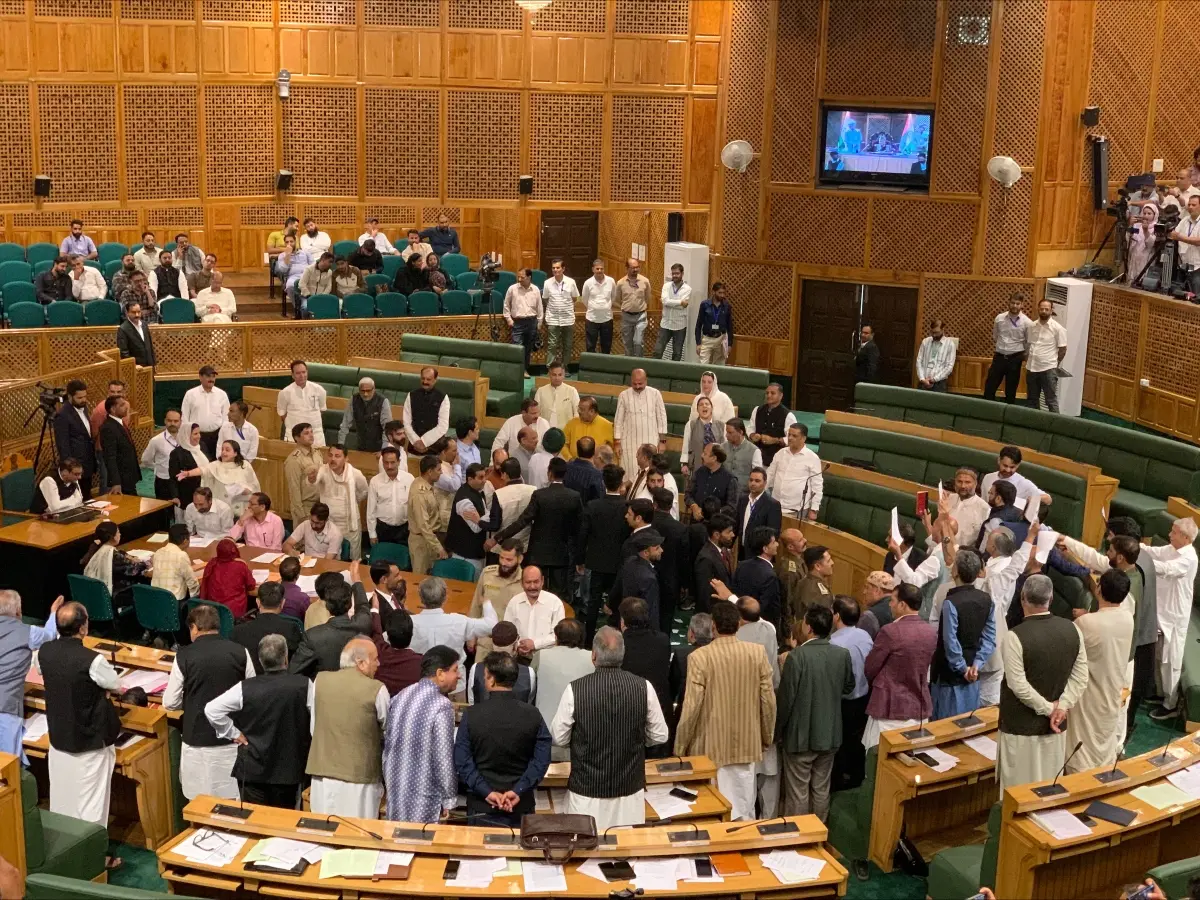)
Ruckus in J&K Assembly over statehood resolution; BJP leaders enter well of house
)
Scientists detect first radio signals directly from faraway planet
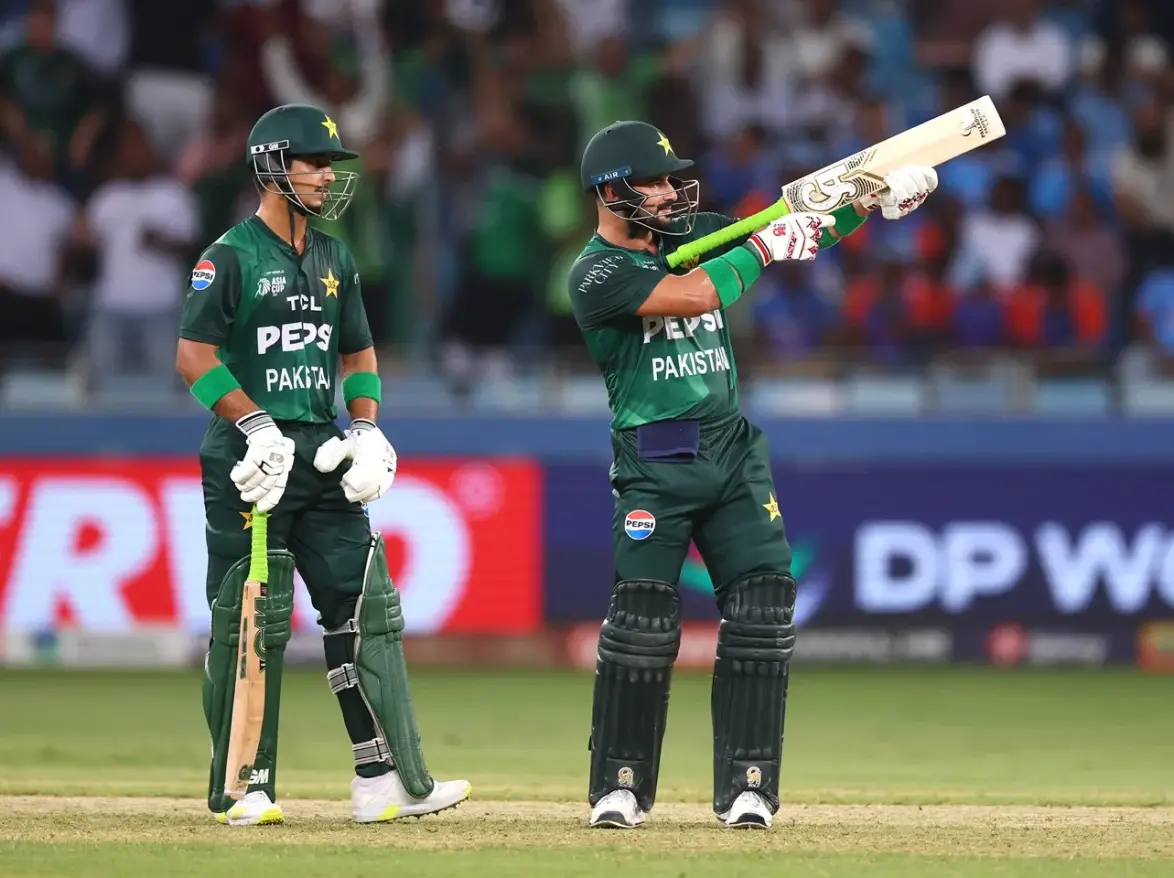)
Farhan, who went viral for AK47 celebration vs India in Asia Cup, hopes to lead Pakistan beyond Asian Games
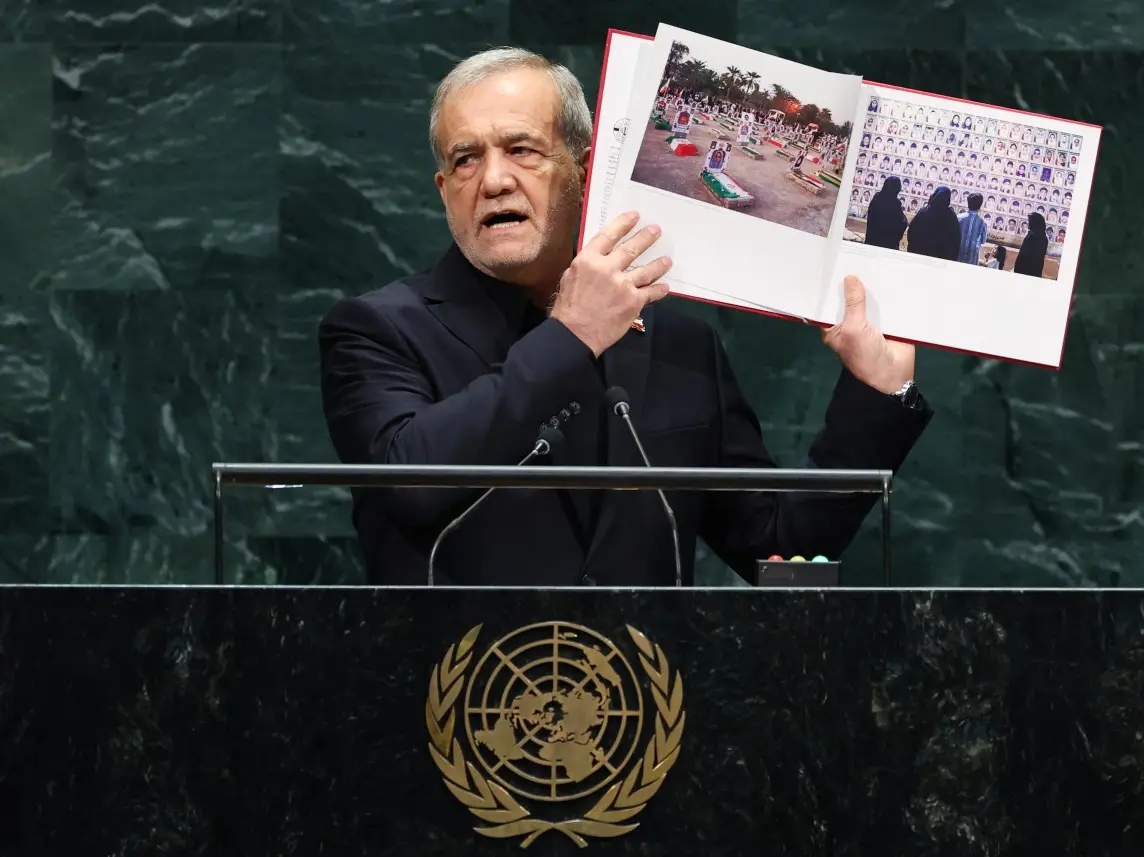)
'We do not wish to continue. It's America that must choose': Iran president Pezeshkian calls on US to end war
)
This is, of course, driven by demand for artificial intelligence technologies that are greatly in demand and positions Samsung well within the global market for semiconductors.