Renowned economist Robert Solow, Nobel laureate in tech-driven growth, passes away at 99

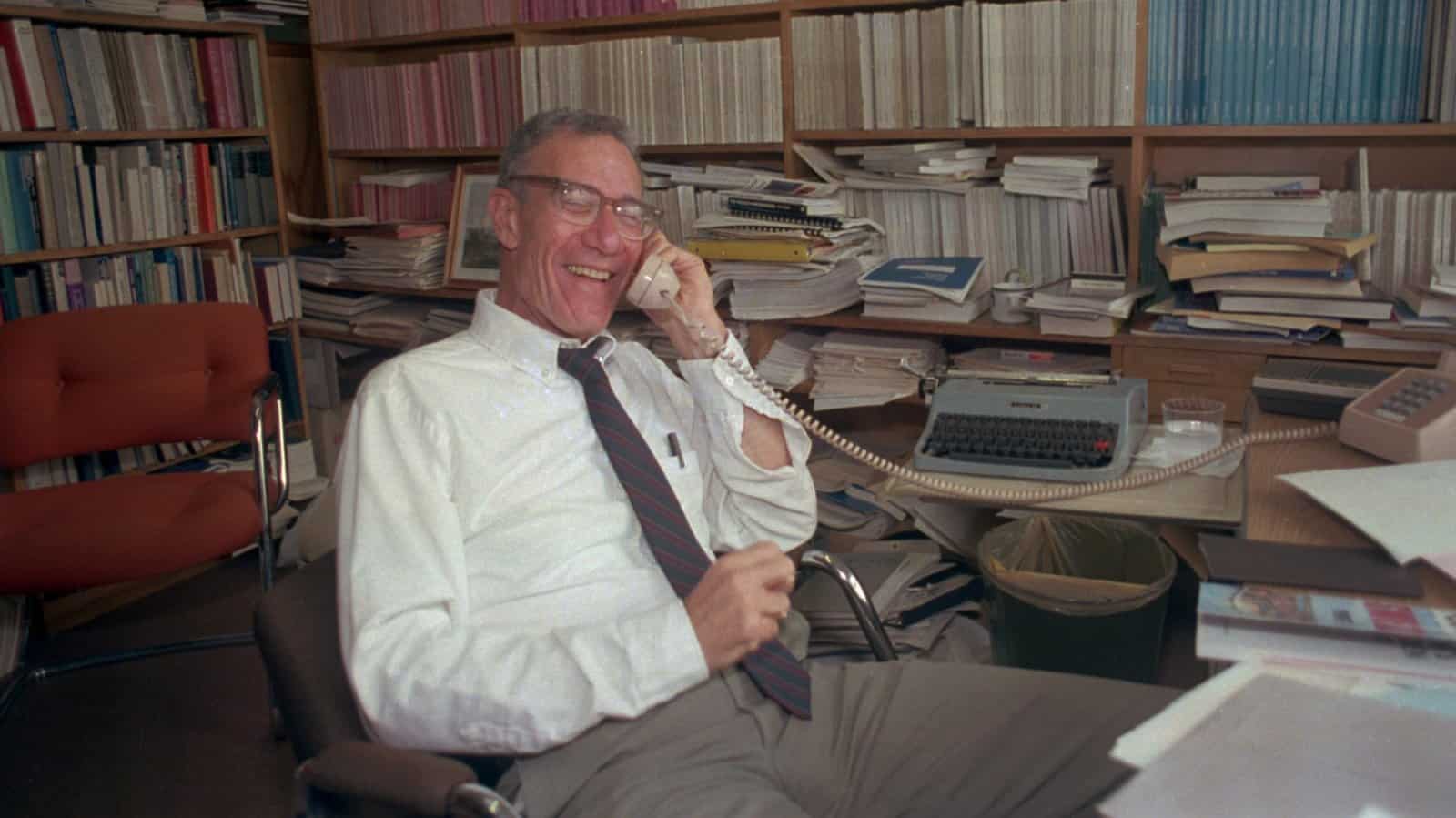
Robert Solow
Robert Solow, the distinguished economics professor at the Massachusetts Institute of Technology (MIT) renowned for his groundbreaking work linking technology to economic growth, has died at the age of 99.
Solow's contributions earned him the 1987 Nobel Prize in economics, awarded by the Royal Swedish Academy of Sciences. The academy praised Solow for his development of a mathematical model that expanded the understanding of production, laying the foundation for modern macroeconomic theory. Solow's son confirmed his passing at his Lexington residence on Thursday, as reported by the New York Times.
In a series of articles from 1956 to 1960, Solow challenged prevailing growth models, asserting that they were inadequate in their narrow focus on capital and labour. He highlighted the pivotal role of technological progress in economic growth, emphasising its contribution to at least half of the economic expansion. Despite acknowledging the challenge of quantifying technological innovation, Solow's work spurred advancements in economic thought.

Solow's advocacy for an active government role in managing the economy, akin to his colleague Paul Samuelson, earned him a senior economist position in President John F. Kennedy's Council of Economic Advisers. Solow's analysis influenced industrialised countries to allocate more resources to education and scientific research. He won the Nobel Prize during Ronald Reagan's administration, criticising Reaganomics for its aversion to tax hikes.
"The best thing you can say about Reaganomics is that it probably happened in a fit of inattention," Solow remarked during the award press conference.
Solow's enduring impact is evident in his 2017 contribution to the book "After Piketty: The Agenda for Economics and Inequality," where he endorsed Thomas Piketty's call for an annual progressive tax on wealth, deeming the wealth gap an "ominous anti-democratic trend."
&imwidth=180&imheight=135&format=webp&quality=medium)
Here’s who is eyeing the White House press secretary role after Katie Zacharia’s exit
&imwidth=180&imheight=135&format=webp&quality=medium)
Ankita Bhandari murder case: Parents meet CBI, seek impartial investigation
&imwidth=180&imheight=135&format=webp&quality=medium)
India’s naval priorities: Ex-Navy Chief calls for third aircraft carrier, more warships and submarines
&imwidth=180&imheight=135&format=webp&quality=medium)
Oregon school shooting: 16-year-old shooter identified, used shotgun bought by mother; Trump praises bystander who shot gunman as 'great hero'
&imwidth=180&imheight=135&format=webp&quality=medium)
Gravitas | Iran threatens to hit key bridges in 7 countries if US resumes strikes
&imwidth=180&imheight=135&format=webp&quality=medium)
China responds to Trump's Press Secretary Katie Zacharia after toilet remark: 'Visit China more often'
&imwidth=180&imheight=135&format=webp&quality=medium)
US midterms 2026: Dan Sullivan’s ‘gotcha’ attempt backfires against Mary Peltola in fiery Alaska Senate debate
&imwidth=180&imheight=135&format=webp&quality=medium)
Pakistan to head IMF, World Bank boards after 74 years amid persistent economic crisis
&imwidth=180&imheight=135&format=webp&quality=medium)
Selma Blair’s team responds to flight incident, says actress ‘did not intend to harm anyone’
&imwidth=180&imheight=135&format=webp&quality=medium)
One species, two lineages: Why Sri Lanka’s spectacled cobra differs genetically from Indian variant

US ends automatic work permit extensions; Indian workers lose 540-day safety net: What it means
&imwidth=180&imheight=135&format=webp&quality=medium)
Israel examines Russia's Shahed-type drones sent by Ukraine to combat Iran | Gravitas
&imwidth=180&imheight=135&format=webp&quality=medium)
US midterms 2026: Ken Paxton may have Elon Musk to thank if he wins the Texas Senate race. Here's why
&imwidth=180&imheight=135&format=webp&quality=medium)
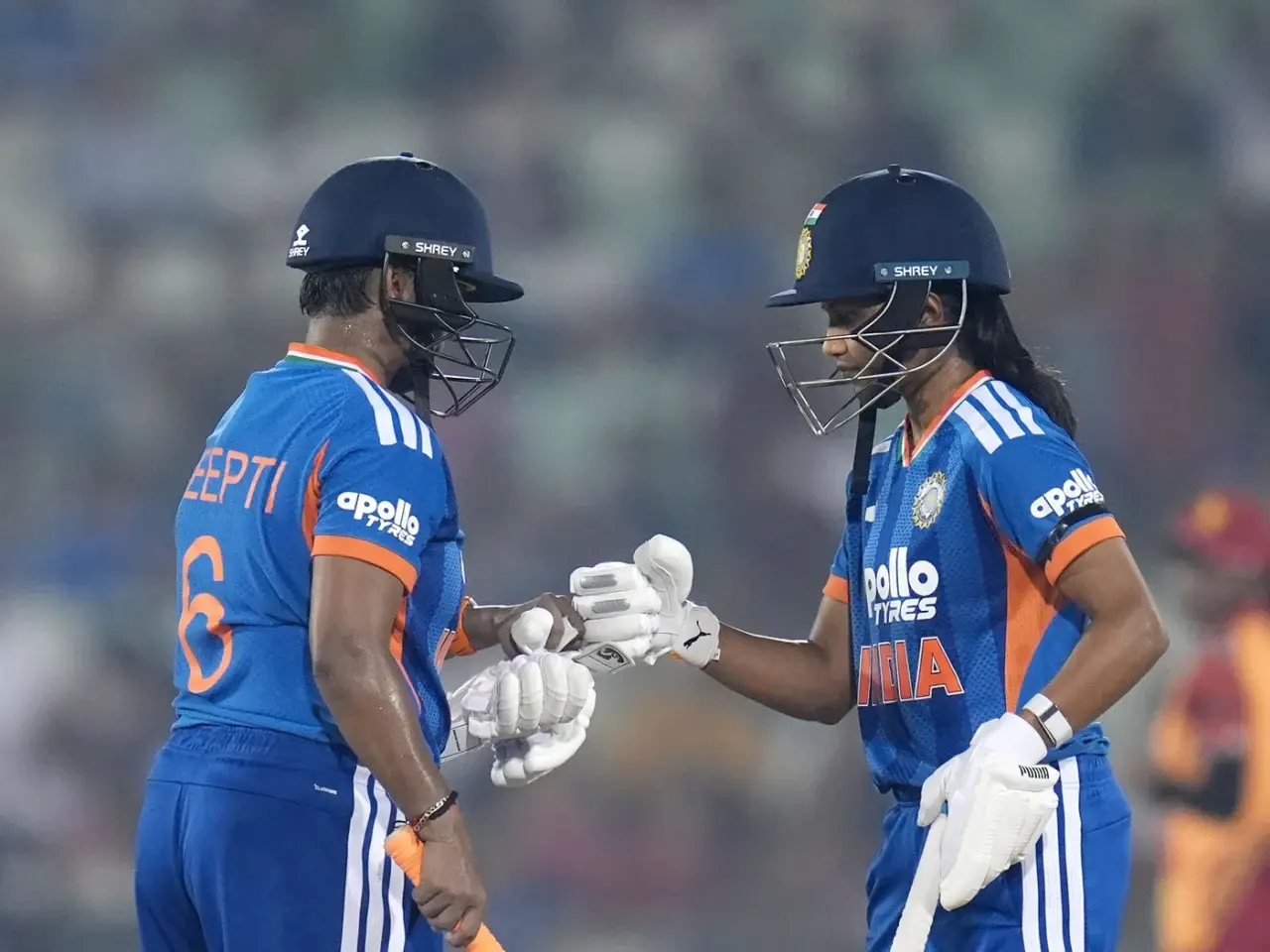
IND-W vs ZIM-W, 1st T20I: Deepti Sharma, Niki Prasad shine as India beat Zimbabwe by four wickets
&imwidth=180&imheight=135&format=webp&quality=medium)
CJP's Tiranga march: People hit streets of Delhi again, reiterate call for Gyanesh Kumar's resignation
&imwidth=180&imheight=135&format=webp&quality=medium)
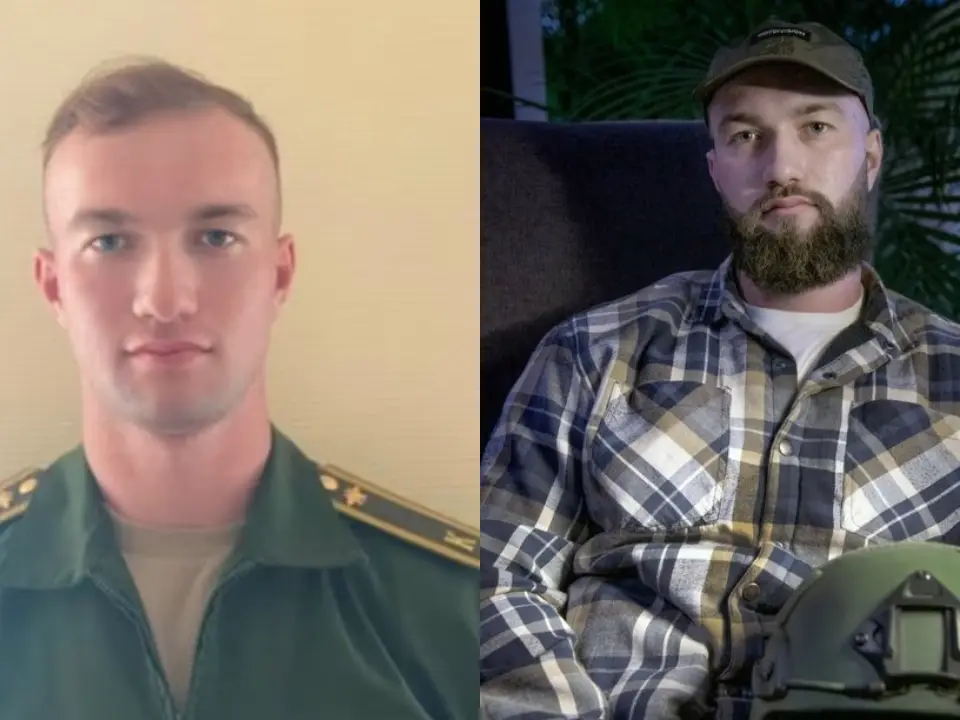
A secret code, a midnight escape and 300 deaths: The Russian officer who turned on Putin
&imwidth=180&imheight=135&format=webp&quality=medium)
Starlink says 'ready to connect India with high-speed internet' amid Reliance row
&imwidth=180&imheight=135&format=webp&quality=medium)
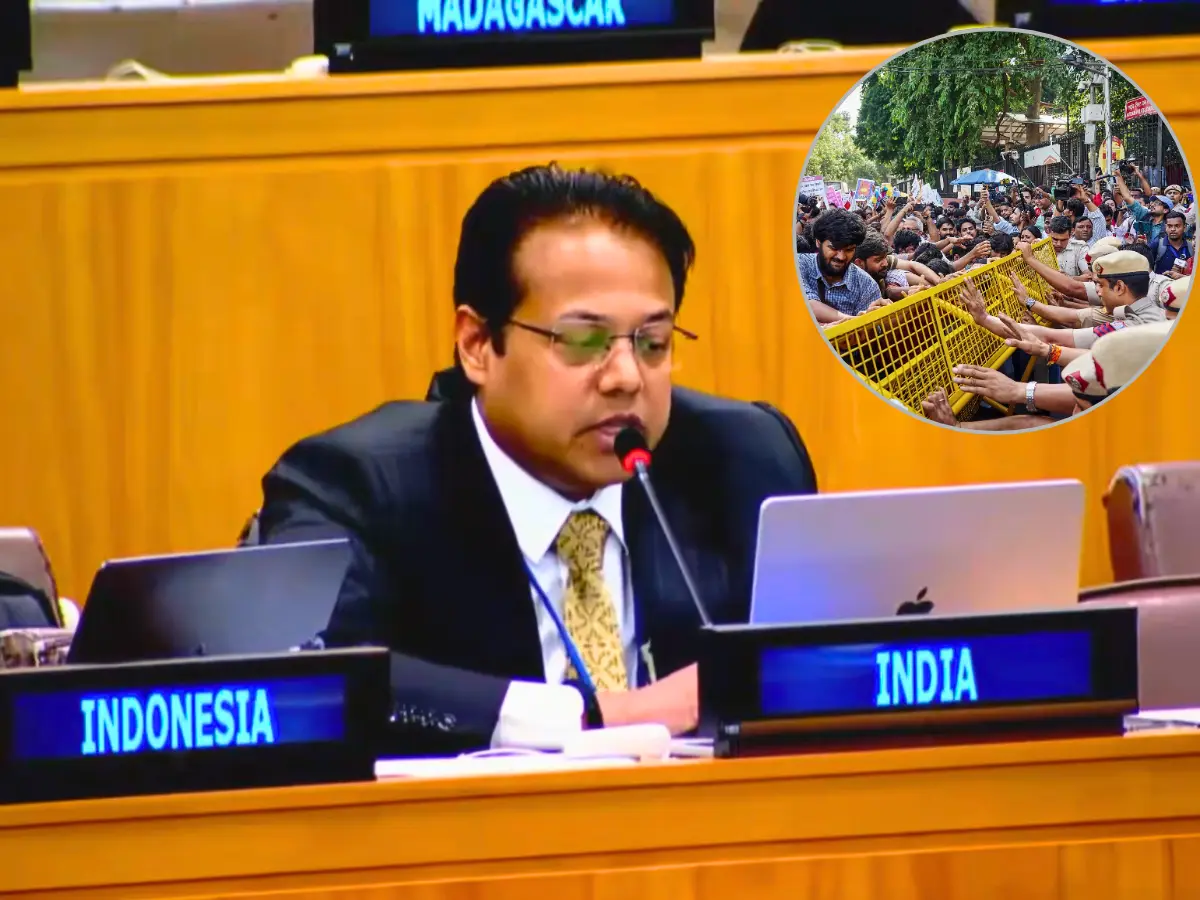
'Reason UN has lost credibility': Amid SIR protests India hits out at report alleging 'youth repression'
&imwidth=180&imheight=135&format=webp&quality=medium)
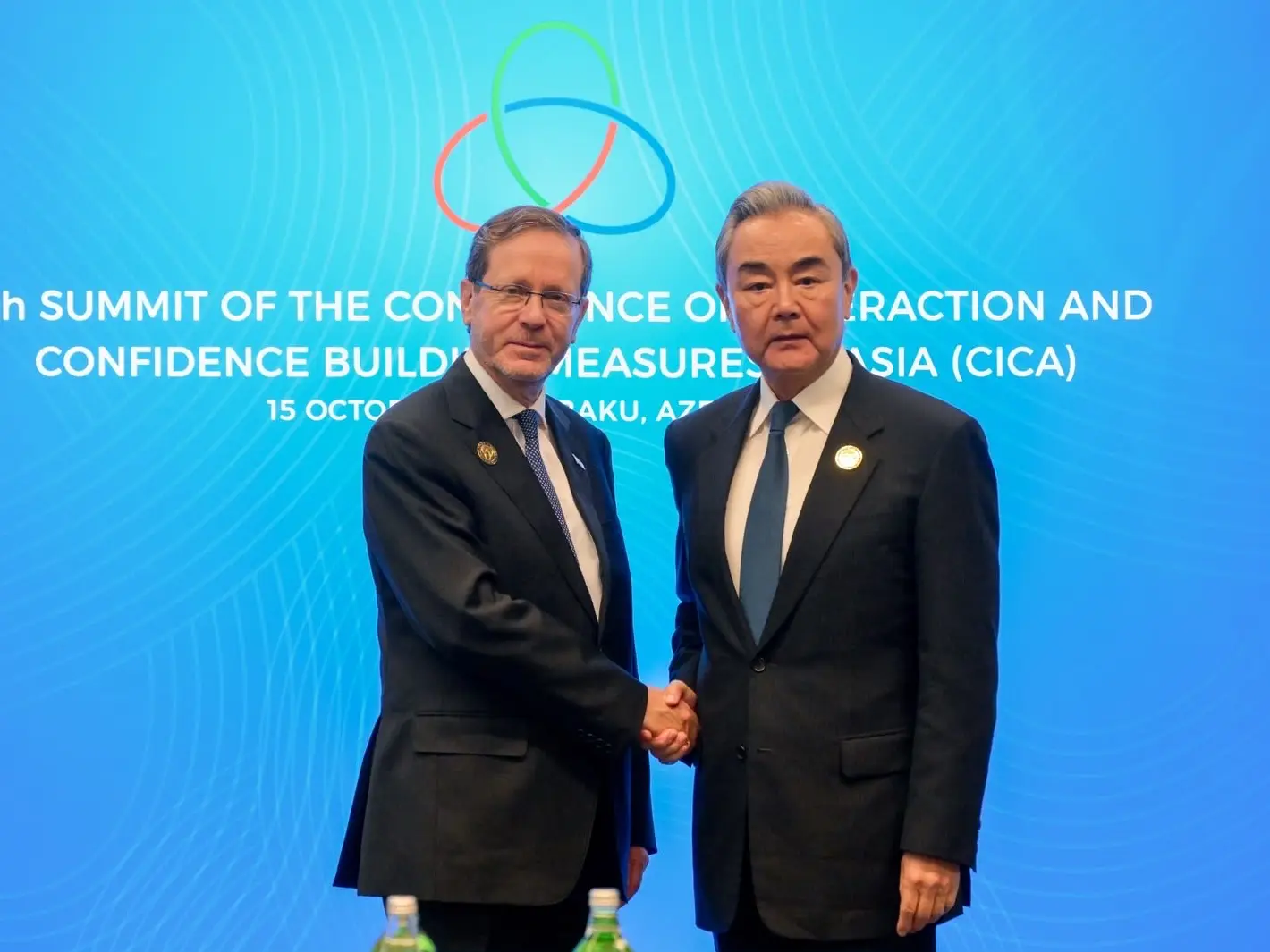
China tells Israel to stop West Bank settlements, calls Palestine issue ‘historic injustice’
&imwidth=180&imheight=135&format=webp&quality=medium)
Abhishek Sharma sets all-time record for most T20I sixes in a year
&imwidth=180&imheight=135&format=webp&quality=medium)
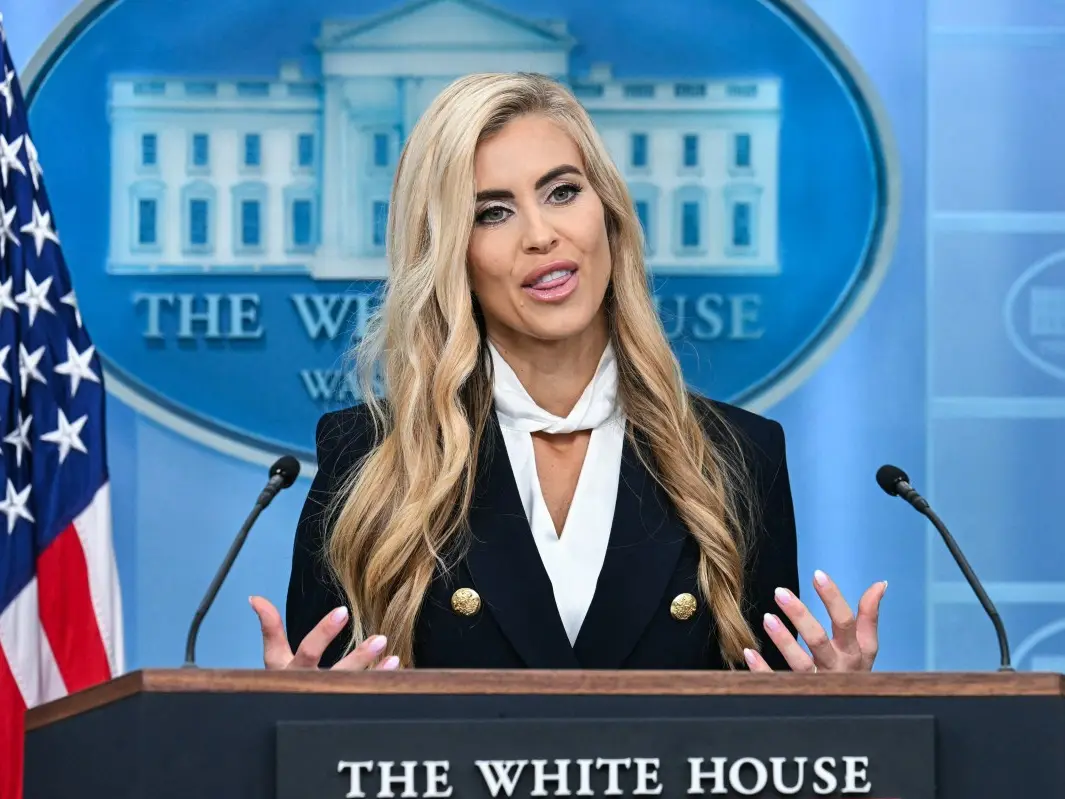
‘My president, I mean my husband’: Trump's new press secretary Katie Zacharia's first briefing goes off the rails in 14 minutes
&imwidth=180&imheight=135&format=webp&quality=medium)
Ukraine drone strike disrupts 22 Russian airports, over 200 flights
&imwidth=180&imheight=135&format=webp&quality=medium)
BCCI names India’s ODI squad for New Zealand tour, Gill and Iyer to share captaincy
&imwidth=180&imheight=135&format=webp&quality=medium)
US midterms 2026: Alexandria Ocasio-Cortez donates $1 million to Abdul El-Sayed’s as Michigan race heats up
&imwidth=180&imheight=135&format=webp&quality=medium)
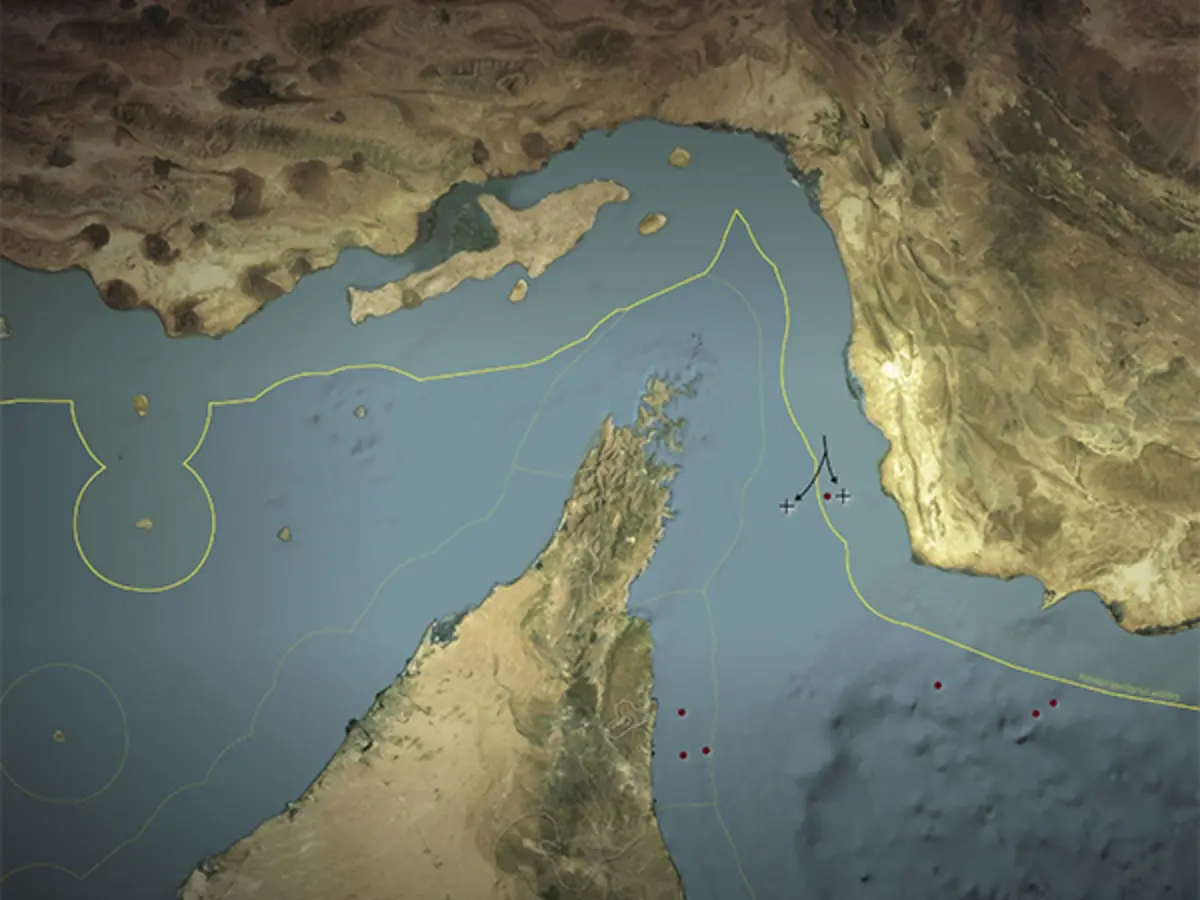
Oil tanker carrying over 2M barrels of crude hits mine in Strait of Hormuz, catches fire, says Iran
&im=FitAndFill=(700,400)&imwidth=180&imheight=135&format=webp&quality=medium)
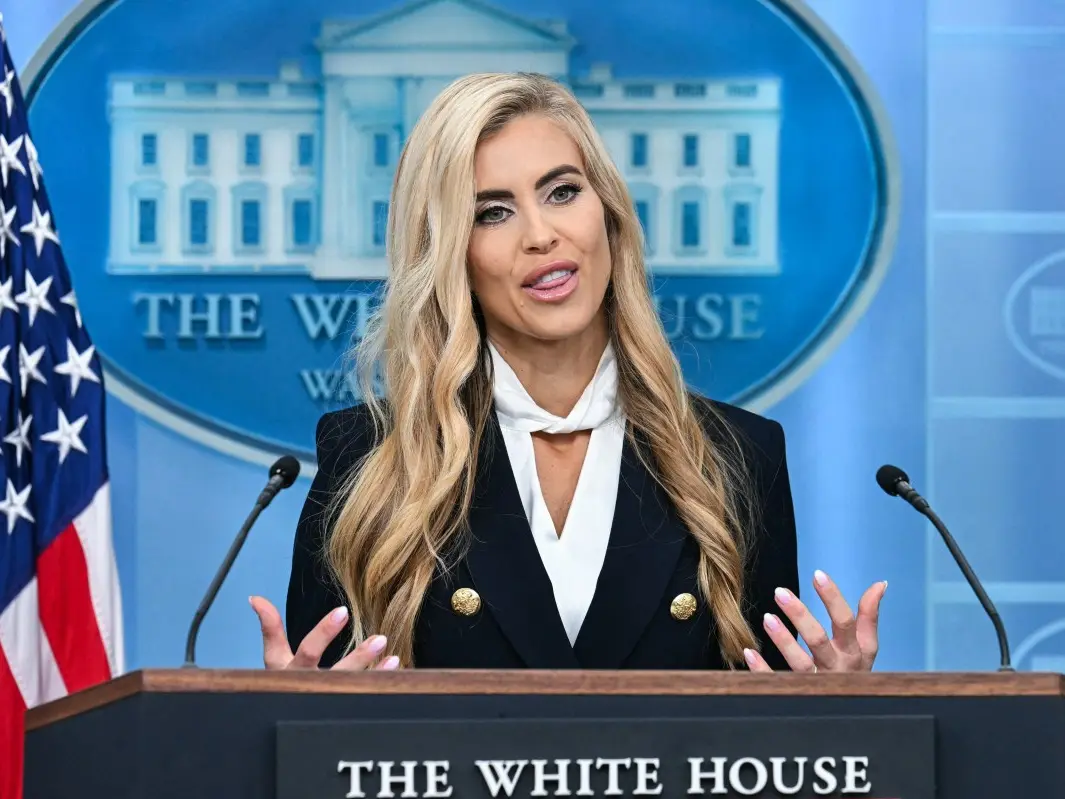
Who left the White House podium the fastest? Press secretaries with the shortest stints
&imwidth=180&imheight=135&format=webp&quality=medium)
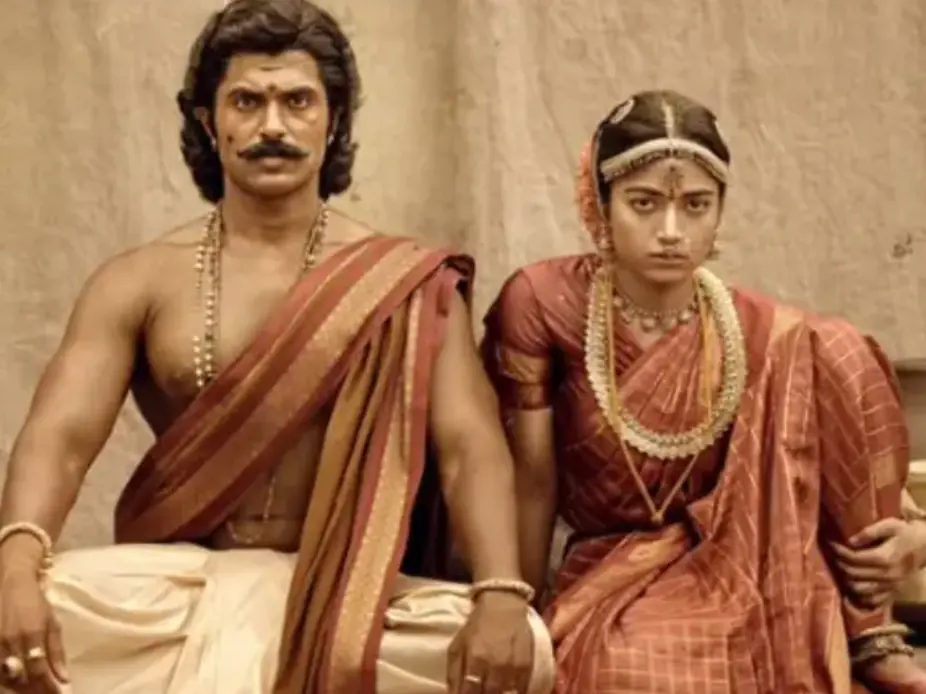
Vijay Deverakonda and Rashmika Mandanna's Ranabaali X Review: Netizens call it history-rich but overstuffed
&im=FitAndFill=(700,400)&imwidth=180&imheight=135&format=webp&quality=medium)
New Friday OTT releases (October 16, 2026): DC, Sacrifice, Aasha- 6 new movies and TV shows coming on Netflix, Zee 5, Prime Video and more
&imwidth=180&imheight=135&format=webp&quality=medium)
Lizard people? Ex-US Army sniper claims soldier killed by 'reptilian beings' in battle near Area 51
&imwidth=180&imheight=135&format=webp&quality=medium)
Infiltration bid foiled in Kupwara’s Keran sector, search operation underway
&im=FitAndFill=(700,400)&imwidth=180&imheight=135&format=webp&quality=medium)
Inside Tesla's Roadster: 10 features of Elon Musk's 'flying car' that push the limits of electric vehicles | In Pics
&imwidth=180&imheight=135&format=webp&quality=medium)
US lawmaker Pramila Jaypal writes to Rubio, urges to raise handling of CJP protest with India
&imwidth=180&imheight=135&format=webp&quality=medium)
Trump invokes national interest to waive new Russia sanctions, tariffs; India gets relief from 100% tariff threat

Not Khan but Pal: Why did Imran Khan choose his mother's surname over his father's? Family tree explained
Born in Brooklyn in 1924, Solow earned scholarships to Harvard University, where he delved into economics after serving in World War II. His academic journey included an undergraduate degree in 1947, a master's in 1949, and a Ph.D. in 1951, all from Harvard.
Joining MIT's faculty in 1950, Solow initially intended to focus on statistics and econometrics, but his proximity to Paul Samuelson sparked a four-decade-long engagement in "straight" economics. Solow retired from MIT in 1995.
Noteworthy among Solow's many students was Mario Draghi, who would later lead the European Central Bank and serve as Italy's prime minister. The John Bates Clark Medal in 1961 recognised Solow's significant contributions, and from 1975 to 1980, he served on the board of the Federal Reserve Bank of Boston.
Solow's impact extended to the Manpower Demonstration Research Corp., where he served as a founding director and chairman, testing policies aimed at helping the poor.
Robert Solow is survived by three children, John, Andrew, and Katherine, from his marriage to Barbara Lewis, an economic historian who passed away in 2014.
WATCH WION LIVE HERE