Paytm: India's largest IPO tanks on debut - what really happened?

Paytm
Paytm is one of India's most recognisable brands especially in post-demonetisation era. The payments platform has seen explosive growth in years after demonetisation. And this is the reason performance of its IPO, biggest ever in India,had everyone's eyed glued to the stock market.
But the IPO hit headlines, not as much for the money it raised,but for the spectacular fall in share price during the trading in Bombay Stock Exchange (BSE) on November18.
The offer price was Rs 2,150but by afternoon the shares changed hands at 1,614 rupees a piece. The shares even hit lower circuit limit of 1,564 rupees. When a share hits this limit, BSE restricts purchases by investors to that price or higher.

What happened?
Paytm is the big fish in online payments market in India. Its backers include biggest names with deep pockets like SoftBank and Ant Group. The brand has high recognisability in India, the third-largest economy in Asia and a prominent global market.
Then what went wrong with Paytm IPO?
)
Trump-Xi Summit: Trade, Taiwan and the red lines shaping US-China talks | Race To Power
)
US citizen injured in Illinois after ICE agents mistook him for fugitive, hospitalised
)
US judge questions Trump’s decision to ban CNN, MS NOW and Politico from White House
)
Afghan woman cyclist who disguised herself as a boy to escape Taliban, wins Asian Games medal
)
Italy hit by floods in the north, drought in the south
)
'There will be elections': Venezuela's interim leader Delcy Rodriguez makes big announcement at UN
)
Would you date an AI? South Korea’s My AI Partner: Strange Love sparks buzz on relationship and intimacy
)
'Arrogant parasites': Milei blasts UN over Falklands dispute, warns Argentina will ‘take matters into our own hands’
)
IIT Bombay CCTV footage emerges: Sahil Wakode seen looking at phone in examination hall
)
Cyclone Arnab: Landfall expected before midnight tomorrow as IMD issues orange alerts across six states
)
9 killed, several injured as tourist bus catches fire on Yamuna Expressway
)
NBA player Steven Adams shares hilarious GTA VI theory
)
WION Iconic Tourism Summit 2026: Union Minister Shekhawat on 'experiential travel', peace diplomacy
)
'AI got into my speech': Prince Harry jokes after teleprompter failure at event in New York
)
Scientists detect first radio signals directly from faraway planet
)
China to test supersonic jet that moves at Mach 2, double the speed of sound
)
WION Iconic Tourism Summit: 'Hanuman Ansh' Director on blockbuster success
)
'Partners rather than rivals': Xi Jinping's first message after landing in US for Trump summit
)
WION Iconic Tourism Summit: Is India's travel boom outrunning its airports, airlines and hotels?
)
IIT Bombay student suicide case: CCTV from the exam hall hours before suicide
)
2,000-foot tube, laser tests and more: China builds towns to expand nuclear arsenal, satellite images show
)
French court upholds decision to send PSG and Morocco footballer Hakimi to rape trial
)
WION Iconic Tourism Summit and Awards 2026: Key voices to discuss India’s tourism future
&im=FitAndFill=(700,400))
New OTT releases this week (September 21-27, 2026): Shaque: Trust No One, Hunkkaar, Don’t Be Shy- 5 new titles coming to Netflix, Prime Video and more
)
WATCH | China President Xi Jinping lands in US as Trump greets him ahead of high-stakes summit
)
Australian PM Anthony Albanese calls OpenAI AI incident 'unacceptable' after restricted data access
)
Claude Opus 5.5 is here: Anthropic claims it can finish a 680,000-line code migration in less than a day
)
'What kind of confession is this?': Pakistan PM Shehbaz Sharif’s 'terrorists would be roaming New York' remark goes viral, raises alarm online. Watch
)
WION Iconic Tourism Summit: How local tourism MSMEs must upskill for AI integration
)
Eight USS Abraham Lincoln sailors attempted suicide, Acting Navy Secretary says
)
Trump’s Board of Peace unveils $2.45bn Gaza plan,66 projects: But where’s the money?
)
EC appointment law: Why is the 2023 act controversial, and what happens next? WION explains
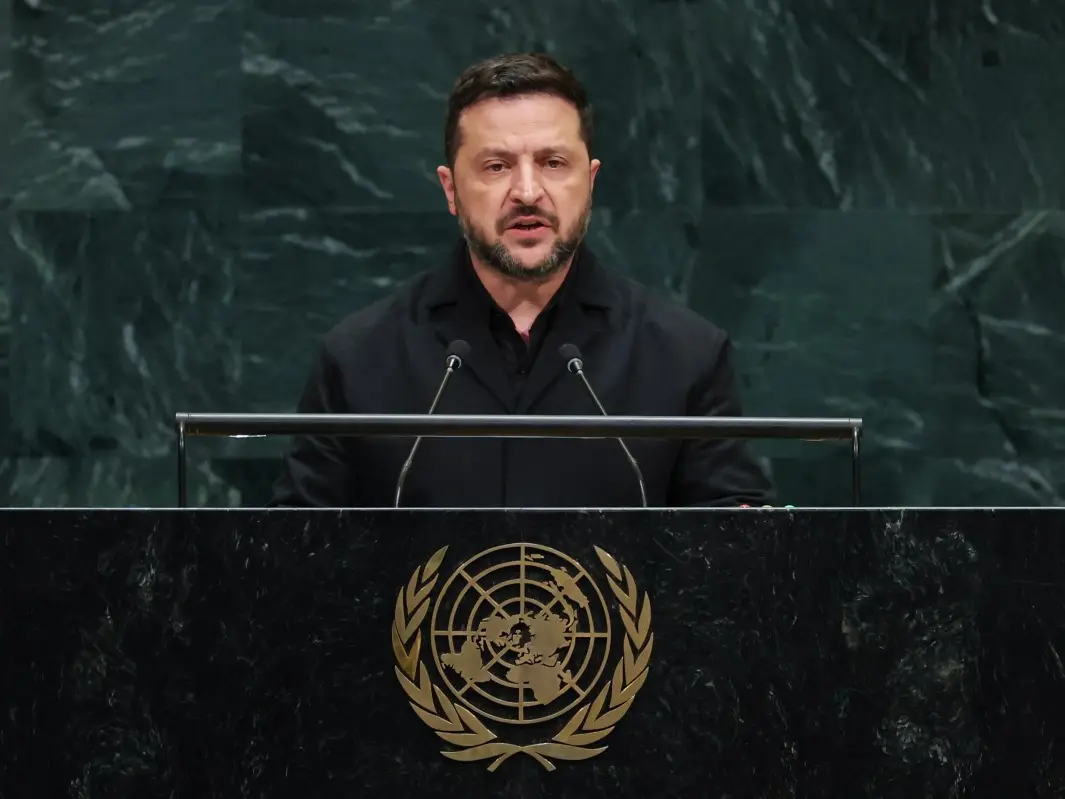)
'Putin is patient zero': Zelensky slams Russian president at UNGA, accuses him of using fighters from 47 countries
&im=FitAndFill=(700,400))
National Film Awards 2026: Kartik Aaryan, Mammootty, Yami Gautam, Randeep Hooda and other key winners
)
El Niño 2026 heats up to become strongest in 1,000 years
)
Israeli envoy to US Yechiel Leiter’s son critically injured in West Bank ramming attack
&im=FitAndFill=(700,400))
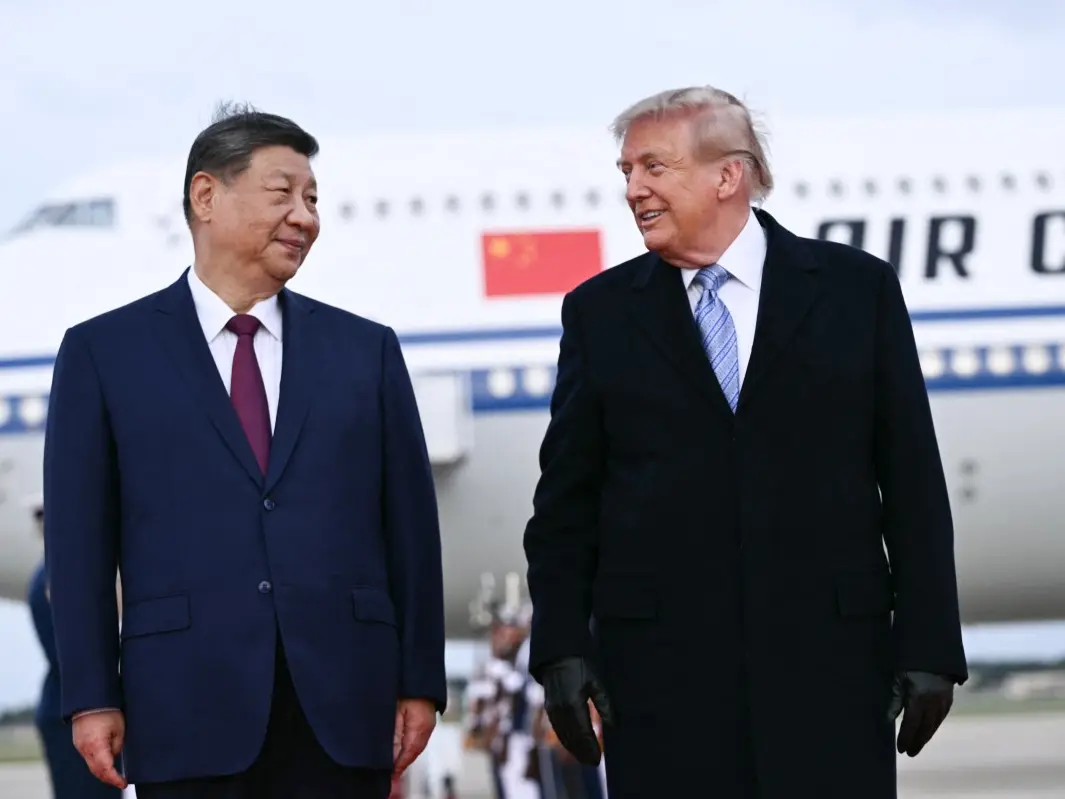
Trump welcomes Xi Jinping in rare airport gesture: Photos from Chinese President's arrival in US
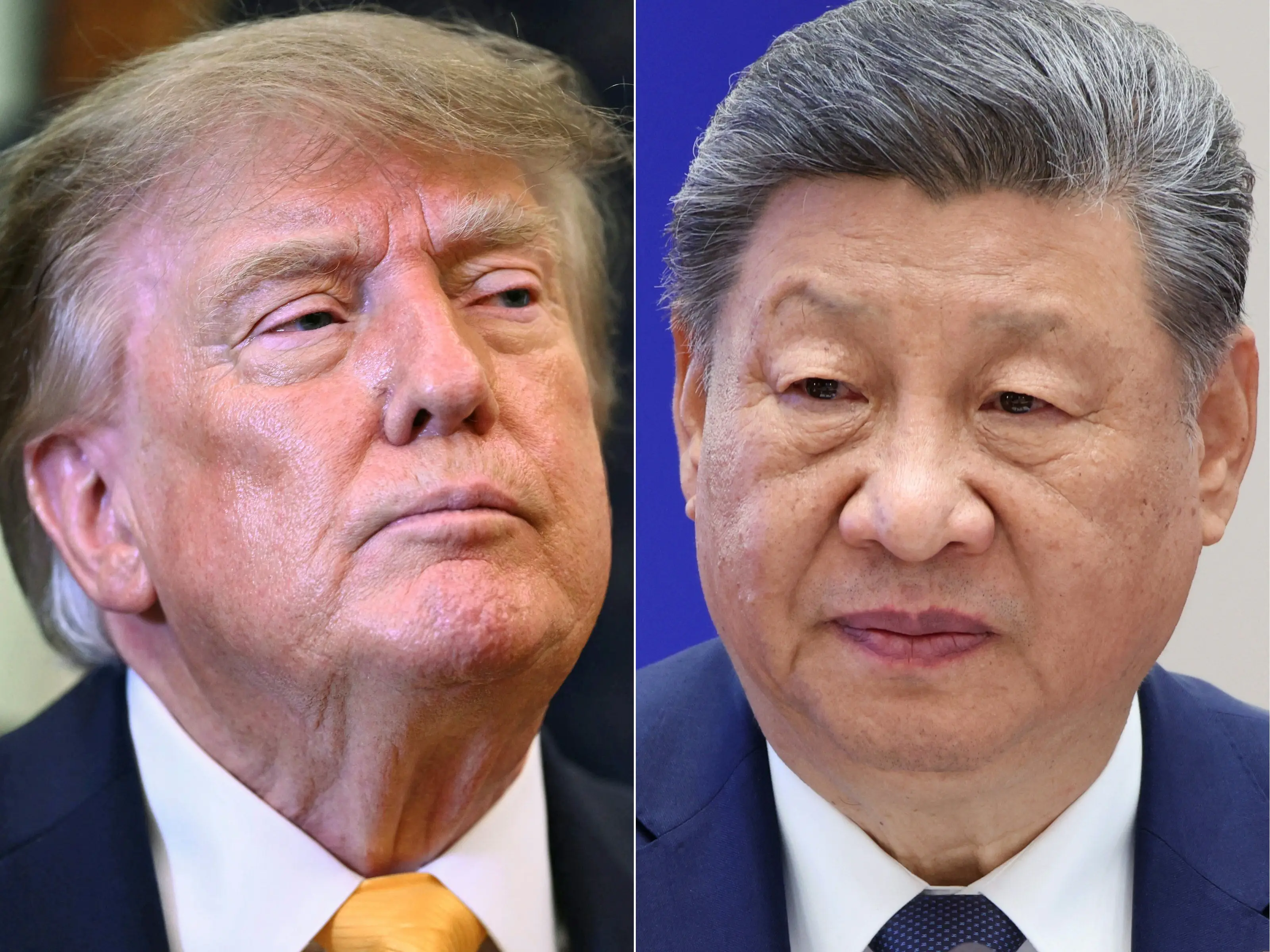)
Xi-Trump meeting: China’s human rights red line and past protests explained
"Paytm's financials are not very impressive and the growth prospects seem limited... obviously the company lacks a clear path to profits," Shifara Samsudeen, a LightStream Research analyst told Reuters.
Although Paytm's $2.5 billion offering was priced at the top of the indicative range, demand was much weaker than other recent stock sales, as Paytm has lost some market share to Google and Flipkart's PhonePe.
The company reported a loss of 3.82 billion rupees ($51.5 million) in the quarter ended in June, wider than a loss of 2.84 billion rupees for the same period last year.
It raised $1.1 billion from institutional investors and last week it received $2.64 billion worth of bids for the remaining shares on offer, or a relatively low oversubscription level of 1.89 times.
Many market participants saw the stock's horrendous debut as a sign that investors had become disillusioned with a recent string of IPOs with inflated valuations.
"Most of the domestic institutional investors appear to have skipped the IPO,"Aequitas Research director Sumeet Singh was quoted by Reuters as saying.
He said that the stock was offered at 27 times enterprise value/gross profit for fiscal 2024, more expensive than the 21.3 times for Zomato Ltd and 23 times for Sea Ltd.
He also noted both Ant and SoftBank had cut their shares in the offering. Ant reduced its stake to 23% from 28% and SoftBank's Vision Fund pared its holding by 2.5 percentage points to 16%.
Paytm's listing could bring "an end to obnoxious pricing in IPO markets", said Mumbai-based investment adviser Sandip Sabharwal. He was quoted by Reuters.
Paytm's reaction to the IPO debacle
Paytm founder and CEO Vijay Shekhar Sharma who was visibly crying with joy at the opening ceremony at the start of the trading maintained a brave face later in the day.
"One day does not decide what our future is," he told Reuters. "It is new business model and it takes a lot for somebody to understand it straightforward... there is a lot for us to bring to the markets and the market participants."
Paytm expects it could break even by late next year or early 2023, a source familiar with the matter told Reuters in July, though the company said in its prospectus it expected to make losses for the foreseeable future.
(With inputs from agencies)