OpenAI faces backlash over alleged homage to Scarlett Johansson's 'Her' performance

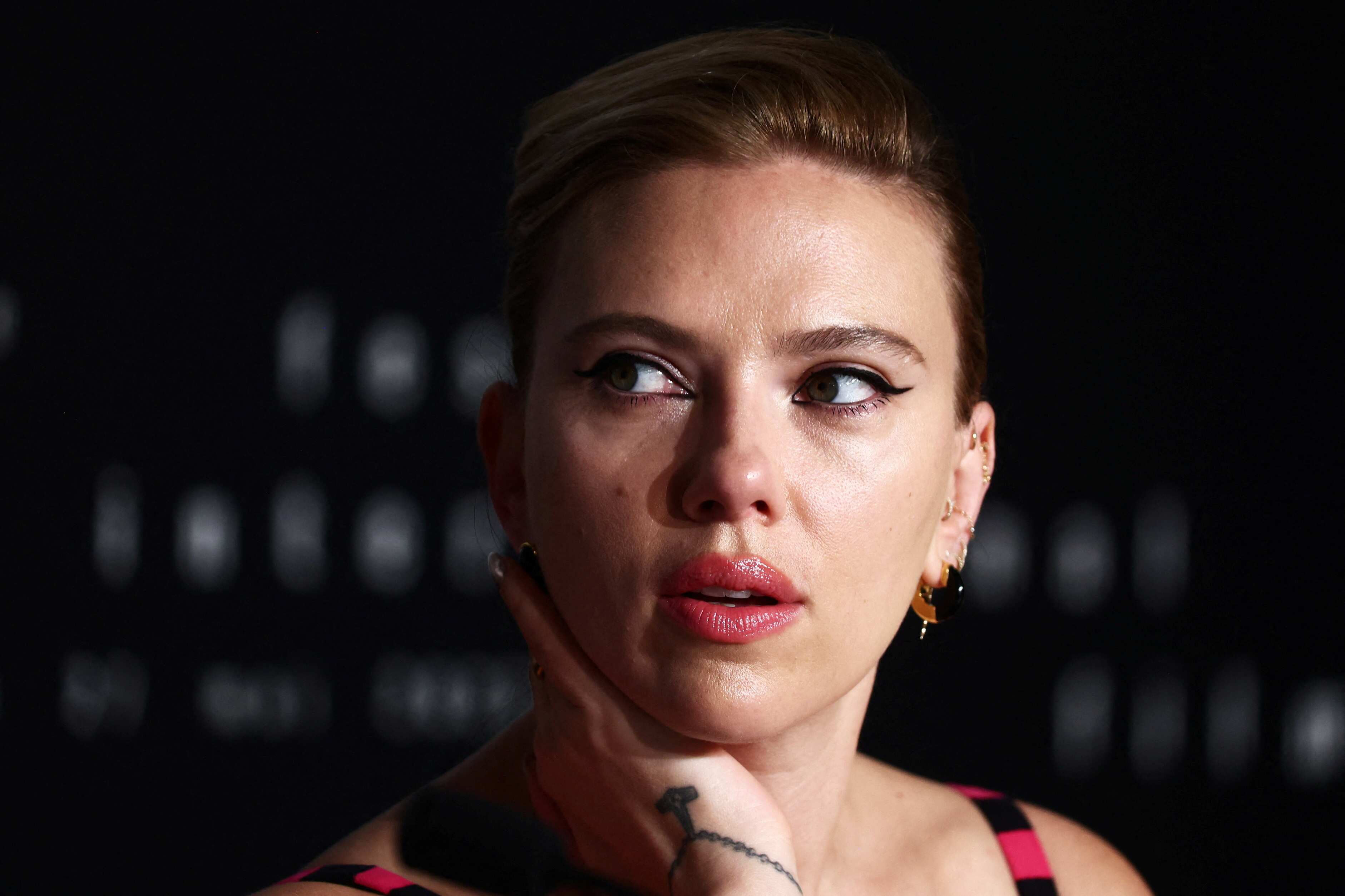
Scarlett Johansson at "Asteroid City" press conference, Cannes.
OpenAI's newest developments in artificial intelligence have stirred controversy in Hollywood, with actress Scarlett Johansson accusing the business of using her vocal resemblance without her permission. This debate has revived industry anxieties about AI's existential danger, even as studios investigate new technologies and prospective collaborations with OpenAI.
Johansson alleges that OpenAI's demonstrations of the most recent version of ChatGPT included a voice "eerily similar" to her role in Spike Jonze's film "Her." Despite failing to reach an agreement with Johansson, OpenAI used a voice that sounded extremely like hers, inciting outrage among industry executives. "This seemed to strike a real chord," said an industry executive. "It puts a human face on it. A well-known technology corporation did something to someone we know."
OpenAI, which surprised the world in February with its text-to-video tool Sora, has since been in talks with Hollywood executives about potential creative collaborations. Johansson's public criticism of OpenAI has complicated these negotiations, with some executives now seeing the tech behemoth's activities as disrespectful and arrogant. According to one studio executive, "It sure doesn't set up a respectful collaboration between content creators and tech giants."

OpenAI CEO Sam Altman defended the business, saying, "The voice is not Scarlett Johansson's, and it was never designed to sound like hers. We cast the voice actor behind Sky's voice before contacting Ms. Johansson." However, the corporation has not commented on its connection with Hollywood since the dispute.
The dispute has also brought attention to larger issues about AI and copyright. Some agencies and executives have voiced worry that OpenAI's models, which are trained on publicly available copyrighted works, would pose significant issues for directors and filmmakers who may be hesitant to use tools created without explicit agreement.
Despite these concerns, entertainment industry technologists regard Sora as having the potential to improve the film and television production process, particularly in terms of expediting digital effects. Fox already uses OpenAI's ChatGPT to recommend content for its Tubi streaming service.
&imwidth=180&imheight=135&format=webp&quality=medium)
Russian woman and Bihar boy's love story goes viral after she reaches India to marry him
&imwidth=180&imheight=135&format=webp&quality=medium)
Anupam Kher joins Ranbir Kapoor's Ramayana as Jatayu, new poster unveiled
&imwidth=180&imheight=135&format=webp&quality=medium)
F1 set to return to Africa for first time since 1993
&imwidth=180&imheight=135&format=webp&quality=medium)
France accuses Musk of ‘online harassment’ of European leaders, warns of poll interference
&imwidth=180&imheight=135&format=webp&quality=medium)
CMs Vijay-Naidu meet in Vijayawada, discuss water sharing, river-linking
&imwidth=180&imheight=135&format=webp&quality=medium)
'Ouch!!! That must hurt': Kangana Ranaut hails Kamal Haasan's sharp reply to Elon Musk over Starlink row
&imwidth=180&imheight=135&format=webp&quality=medium)
Trump accuses Houthis of driving up oil prices before US midterms, warns of consequences
&imwidth=180&imheight=135&format=webp&quality=medium)
'Turn approver, resign, we'll forgive you': Rahul Gandhi claims receiving messages from CEC Gyanesh Kumar
&imwidth=180&imheight=135&format=webp&quality=medium)
'Don't ever mess with nature!': Trump’s tiger attack post triggers social media backlash as victim's family issues heartbreaking tribute
&imwidth=180&imheight=135&format=webp&quality=medium)
‘My president, I mean my husband’: Trump's new press secretary Katie Zacharia's first briefing goes off the rails in 14 minutes
&im=FitAndFill=(700,400)&imwidth=180&imheight=135&format=webp&quality=medium)
New OTT releases this week (October 12-18, 2026): Sacrifice, Koffee with Karan S9, Roadies Rebirth- 6 titles coming on Netflix, JioHotstar and more
&imwidth=180&imheight=135&format=webp&quality=medium)
New Delhi rejects Beijing’s claims and remarks on Ladakh location naming exercise
&imwidth=180&imheight=135&format=webp&quality=medium)
CJP slams 'Coward Sarkar' as Saurav Das, Ashutosh Ranka sent to 5 days' judicial custody over Jantar Mantar protest
&imwidth=180&imheight=135&format=webp&quality=medium)
Girl 'dead' for 8 hours wakes up at her own funeral, dad insists she wasn't breathing
&imwidth=180&imheight=135&format=webp&quality=medium)
Measles kills again: 6 dead in Pennsylvania as America faces its worst outbreak in decades | Gravitas
&imwidth=180&imheight=135&format=webp&quality=medium)
New Cold War: Why is China buying more gold? Explained
&imwidth=180&imheight=135&format=webp&quality=medium)
MI5 chief warns Russia is UK’s ‘aggressor number one’ as Iran and AI threats grow
&imwidth=180&imheight=135&format=webp&quality=medium)
Pakistan to chair UN-backed global Borrowers’ Platform as its own debt burden mounts, triggers sarcastic reactions on social media
&im=FitAndFill=(700,400)&imwidth=180&imheight=135&format=webp&quality=medium)
Navratri 2026: 9 days, 9 forms of Goddess Durga and 9 colours- Check the complete list
&imwidth=180&imheight=135&format=webp&quality=medium)
Netanyahu wants to join Saudi's war on Houthis, but Crown Prince denies: Report
&imwidth=180&imheight=135&format=webp&quality=medium)
China's counter-surveillance industry booms amid heightened espionage fears | Gravitas
&imwidth=180&imheight=135&format=webp&quality=medium)
Cornell University suspends fraternity parties over 2024 gang rape allegations
&imwidth=180&imheight=135&format=webp&quality=medium)
Marco Rubio to visit India next week, focus on energy cooperation and strategic ties
&imwidth=180&imheight=135&format=webp&quality=medium)
1,500 drones illuminate Mumbai sky as Cordelia Cruises unveils second ship, Cordelia Sky
&imwidth=180&imheight=135&format=webp&quality=medium)
US Midterms 2026: In Alaska, cost-of-living anxiety meets strangest ballot in high-stakes Senate race
&imwidth=180&imheight=135&format=webp&quality=medium)
Arijit Singh 9-city India stadium tour to start from January: Check venue and ticket prices
&imwidth=180&imheight=135&format=webp&quality=medium)
Inside Aneet Padda's 24th birthday bash with rumoured boyfriend Ahaan Panday and Alia Bhatt
&imwidth=180&imheight=135&format=webp&quality=medium)
UK school ditches technology, shifts from screen to pen and paper for learning
&imwidth=180&imheight=135&format=webp&quality=medium)
Trump reconsidering calling off Nidal Hasan's execution livestream. Here's why
&imwidth=180&imheight=135&format=webp&quality=medium)
Sidhu Moose Wala’s younger brother wins hearts by recreating late singer’s signature move at Toronto Hologram Show
&imwidth=180&imheight=135&format=webp&quality=medium)
Delhi Police arrest Cockroach Janta Party's Saurav Das, Ashutosh Ranka, Ajinkya Shinde in Jantar Mantar case, to be produced before court
&imwidth=180&imheight=135&format=webp&quality=medium)
Air India Flight from Frankfurt diverted to Jaipur after hijack alert, probe on
&imwidth=180&imheight=135&format=webp&quality=medium)
Durga Puja 2026: Kolkata roads get a splash of colours
&imwidth=180&imheight=135&format=webp&quality=medium)
‘How many people did she illegally bring from Somalia?’ Trump targets Ilhan Omar, questions her net worth
OpenAI argues that it will preserve copyrights by preventing the creation of videos starring well-known characters or performers. Nonetheless, the Johansson controversy raises concerns about protecting lesser-known performers. Johansson may claim that OpenAI infringed her right to publicity, which empowers people to govern commercial use of their name, image, or likeness. Legal precedents, such as Bette Midler's successful 1987 lawsuit against Ford's advertising agency and Tom Waits' 1988 lawsuit against Frito-Lay, may support Johansson's claim.
Mark Lemley, director of Stanford's Program in Law, Science, and Technology, observes that, while Johansson's case is less clear-cut, the effort to duplicate her voice, together with Altman's outreach efforts and a tweet citing "Her," bolster her case.
Jeffrey Bennett, general counsel for the SAG-AFTRA performers' organization, has advocated for a federal right of publicity to protect voice and likeness, like copyright protections. "We're thrilled that there's now this huge dialogue about it," Bennett stated. "We've been trying to use the bullhorn and shout about it for quite some time now...We've been discussing the proliferation of 'deep fakes', and it is about to hit everyone. Now it is truly a conversation. There must be a federal solution."
As Hollywood navigates the convergence of creativity and technology, the Johansson case highlights the importance of clear boundaries and protections in the age of AI.
(With inputs from Reuters)