Oil prices climb amid Iran–Israel escalation, Trump issues evacuation warning

&imwidth=600&imheight=450&format=webp&quality=medium "Oil prices climb amid Iran–Israel escalation, Trump issues evacuation warning")
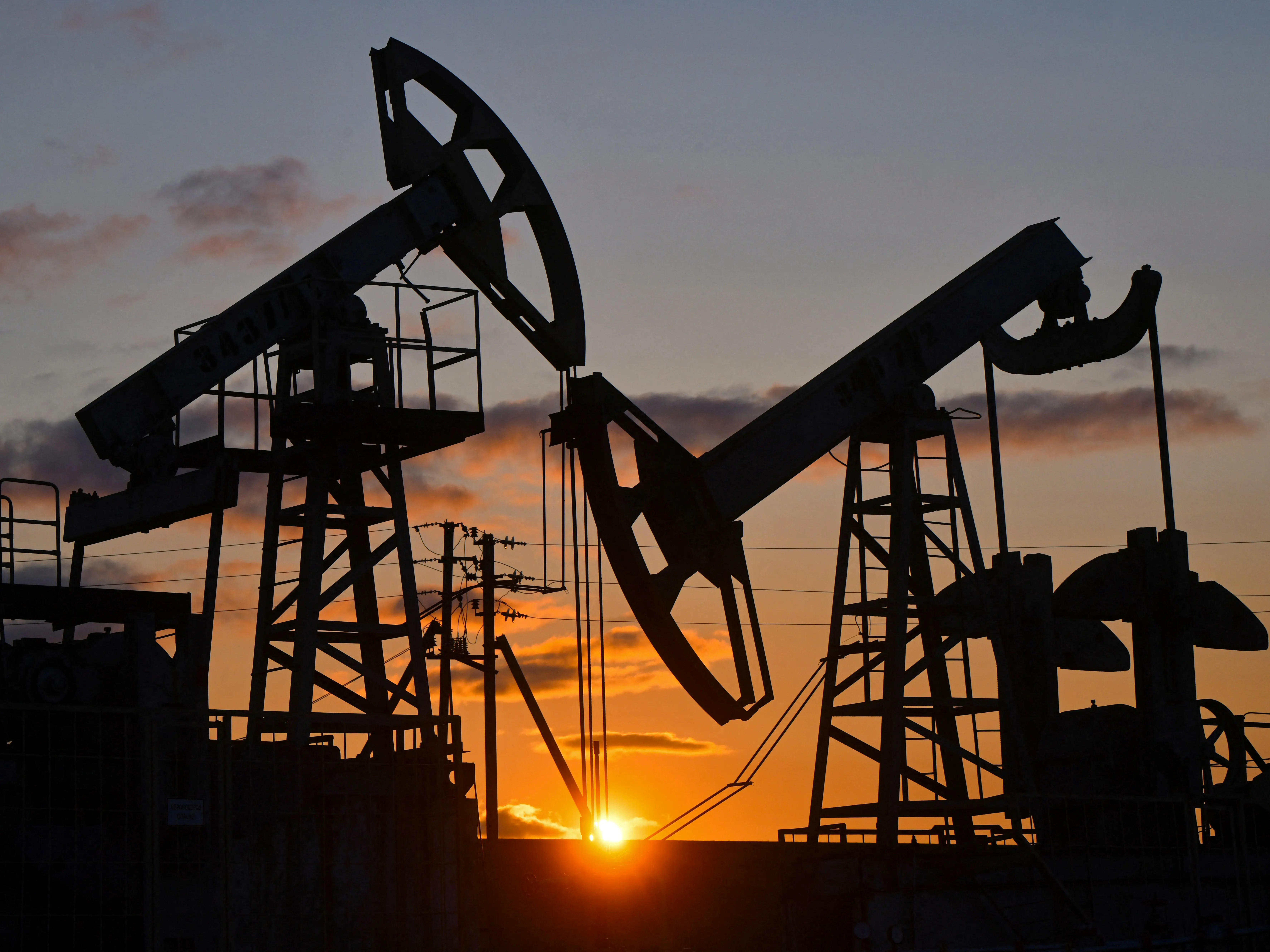
A view shows oil pump jacks outside Almetyevsk in the Republic of Tatarstan, Russia June 4, 2023. REUTERS Photograph: (REUTERS)
Oil prices surged on Tuesday due to fresh explosions in Tehran and increased tensions between Iran and Israel.
Oil prices jumped sharply on Tuesday as fresh explosions rocked Tehran and tensions soared between Iran and Israel, fuelling fears of a wider regional conflict that could disrupt global energy supplies.
Brent crude futures climbed $1.17, or 1.6 per cent, to $74.40 a barrel, while US West Texas Intermediate rose $1.34, or 1.87 per cent, to $73.11 in early trading, both having risen more than 2 per cent earlier in the session, as quoted by Reuters.
The spike reverses Monday’s brief decline, when hopes of diplomatic de-escalation flickered after reports suggested Iran was open to ending hostilities. But those hopes evaporated overnight.
Explosions in Tehran, missiles over Tel Aviv
On the fifth day of the intensifying standoff, Iranian media reported explosions and heavy anti-aircraft fire in central Tehran. Air raid sirens also sounded in Tel Aviv as Israel responded to incoming Iranian missiles.
The development comes after an Israeli strike hit Iran’s state broadcaster on Monday. Separately, the head of the UN’s nuclear watchdog confirmed significant damage to Iran’s largest uranium enrichment plant, raising fears of further retaliation.
Trending Stories
)
)
)
)
)
)
)
)
)
)
)
)
)
)
)
)
)
)
)
)
)
)
)
)
)
)
)
)
)
)
)
)
)
)
)
)
)
)
Iran is the third-largest oil producer in the Organisation of the Petroleum Exporting Countries (OPEC), and any military escalation could severely affect its crude output.
Trump: ‘Evacuate everyone’ from Tehran
Speaking to reporters on Monday night, US President Donald Trump said the situation was “extremely dangerous” and warned, “Everyone should evacuate Tehran immediately.” He added that Iran had missed a chance to strike a nuclear deal with Washington before hostilities began, but suggested Tehran may now be reconsidering.
“If they had signed the deal, we wouldn’t be here,” Trump said. “But they didn’t. And now they want to.”
Trump also hinted that easing US sanctions could still be on the table, potentially allowing Iran to ramp up oil exports. Such a scenario would normally put downward pressure on oil prices, but for now, traders are focused on immediate supply disruptions.
OPEC+ sees slowing growth in US oil supply
Meanwhile, OPEC and its allies, including Russia, collectively known as OPEC+, said on Monday they expect the global economy to remain “resilient” through the second half of 2025. However, the bloc trimmed its 2026 forecast for oil supply growth from non-OPEC+ producers such as the US and Brazil.
The group, which accounts for nearly half the world’s oil output, is closely monitoring the Iran–Israel crisis for signs of a prolonged shock to Middle Eastern production flows.
Market outlook: Volatility ahead
Energy analysts warn that oil prices could rise sharply if fighting spreads or damages critical infrastructure in the Gulf. Iran controls key access points to the Strait of Hormuz, a chokepoint through which nearly one-fifth of global oil flows.
“Any direct damage to Iranian oil facilities, or attempts to block the Strait, would be a red line for the global market,” said an analyst quoted by Reuters.
With the US presidential election looming and the Middle East on edge, the oil market is once again at the mercy of geopolitics, setting the stage for more volatility in the weeks ahead.
(With inputs from the agencies)