Navigating the global fiscal trilemma: Spend more, tax less, manage debt


IMF
It is within this fiscally tight macroeconomic context that governments have to navigate multiple competing priorities against an increasingly complicated backdrop. "Public debt and deficits are increasing to dangerous levels, global growth is slowing, and interest-rate trajectories remain uncertain," argues Vitor Gaspar, Director of the International Monetary Fund's (IMF) fiscal affairs department.
He detailed his views on the platform of "Foreign Policy". The current economic environment reminds him of the early part of the 1980s' economic chaos, especially in the aftermath of an intensive anti-inflation program.
But things are very different in the contemporary scenario. Conceding alongside these other variables are the mega-existing worldwide issues such as climate change an aging population and persisting challenges of poverty and inequality. This will only keep hounding the government kitty. Public demand for fiscal restraint has declined in the last two decades; populism has contributed to a weakened call for government financial discipline.

The three challenges that governments globally need to deal with
This has created a fiscal policy trilemma. There are three conflicting pressures governments have to choose from. There are growing demands for increased spending on areas such as defense and climate action; they cannot increase taxes; and countries need to address the rising public debt and deficits threatening financial stability.
These three constraints are difficult to square. For instance, a government can choose to reduce its debt but refuse to introduce tax rises. Then it would have to slash public spending and in most cases, this is far from being a highly popular move. Ultimately, it results in social and political disruptions. It can spend more without raising taxes, further surging down the debt and deficits and thus threatening fiscal health. Even the most developed and developing economies are fighting this complex tug of war.
)
What’s in a name? Trump’s 'Lake America' move gets a tit-for-tat response from Canada
)
Outrage erupts after 3-year-old is married to 60-year-old man in Pakistan, link to her sister's murder being probed
)
Trump gifts Xi a bald eagle sculpture at White House dinner: Here’s what it symbolises
)
‘Not just a local tragedy’: Nepal PM Shah warns UN of growing climate threat, says Nepal floods were 'a warning to the world'
)
Farhan, who went viral for AK47 celebration vs India in Asia Cup, hopes to lead Pakistan beyond Asian Games
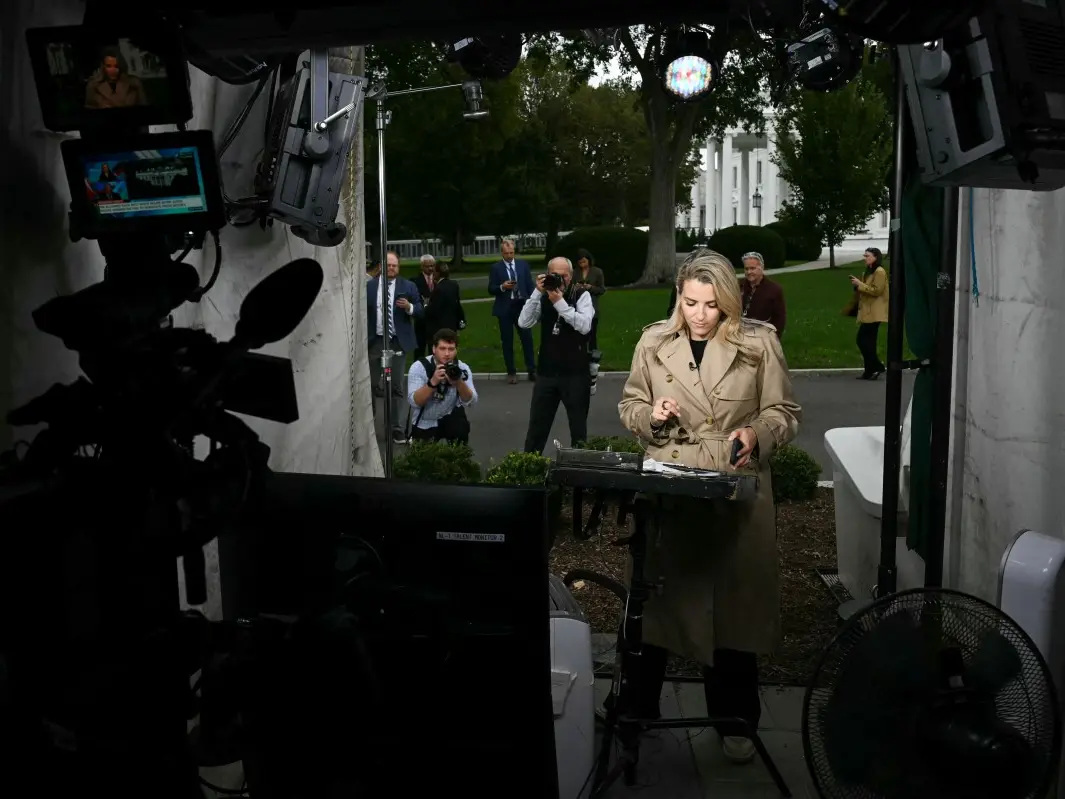)
CNN, Politico and MS NOW back in White House after judge blocks Trump’s media ban
Don't Be Shy movie review: A frothy coming-of-age tale that is too shy to experiment
)
IIT Bombay CCTV footage emerges: Sahil Wakode seen looking at phone in examination hall
)
Tesla is preparing something big for Optimus: new Gen 3 models surface in app
)
Bias or safety concerns? Bengaluru CEO says firm will not hire men from UP, Bihar, Rajasthan, MP. Here's why
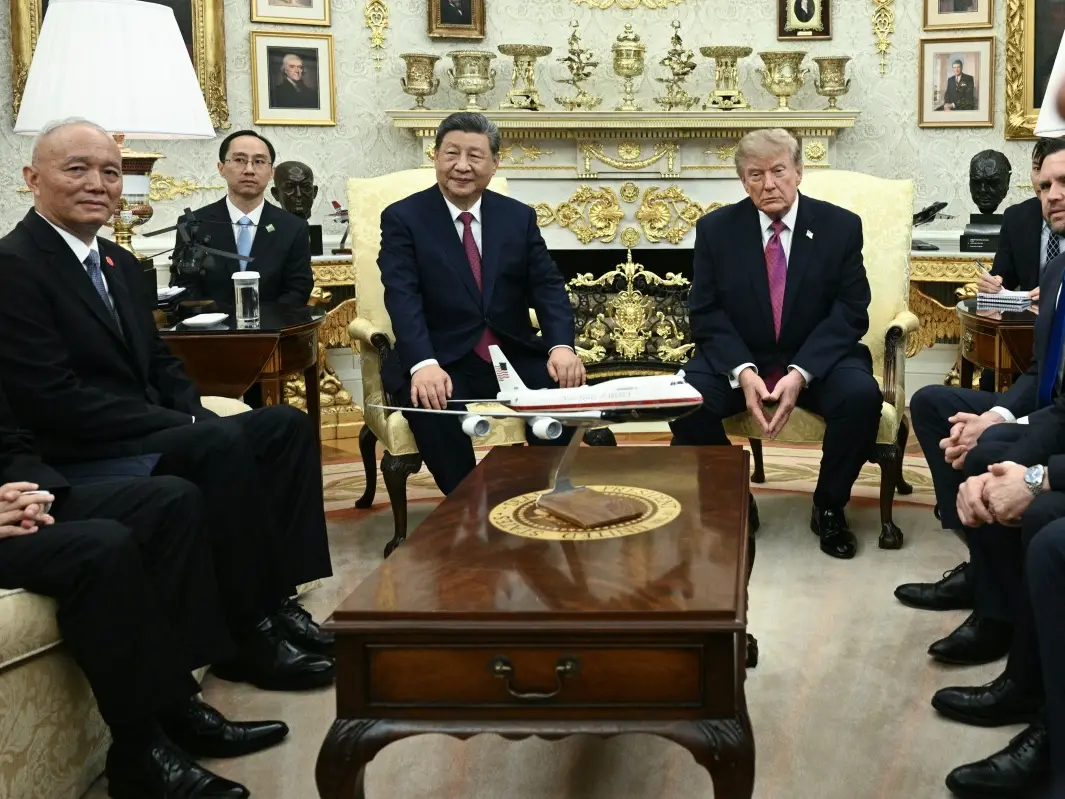)
Trump's welcome to Xi demonstrates 'attraction' to dictators: Chuck Schumer
)
Nations League: Germany draw on Klopp debut; Portugal, Norway win
)
WION Iconic Tourism Summit 2026: Union Minister Shekhawat on 'experiential travel', peace diplomacy
)
Scientists detect first radio signals directly from faraway planet
)
A seven-day roadmap? Iran proposes plan to end war, reopen Strait of Hormuz and resume nuclear talks
)
China to test supersonic jet that moves at Mach 2, double the speed of sound
)
The Vvaan Review: This Ekta Kapoor's Tulsi Virani-coded world can't be saved by Sidharth Malhotra and Tamannaah Bhatia
)
Xi Jinping's 'special plane' vs Trump's Air Force One: What's the difference?
)
UNGA 2026: Israeli PM attacks Britain, France for past colonialism
)
West Indies coach Sammy looking at India series as opportunity to finetune ahead of ODI World Cup 2027 qualifiers
)
‘We’ve never gotten along better’: Trump praises Xi, jokes about White House ballroom at high-stakes state dinner
)
Air India pilot suspended after failing pre-flight alcohol test on Zurich-Delhi route
)
Yemen called Trump for US military support in fight against Houthis: Official
)
2,000-foot tube, laser tests and more: China builds towns to expand nuclear arsenal, satellite images show
)
Meet Adrian Abraham: 9-year-old Indian-origin guitar prodigy aiming for a Guinness World Record
)
US faces fresh cost crunch as mortgage rates hit 7%, oil tops $107 and gas prices surge
)
'Blockbuster' nor'easter develops an eye similar to hurricanes as warnings are issued
)
Alarming video emerges as landslide damages houses in Sikkim’s Rimbi village. Watch
)
OpenAI is building AI to fight cyber threats: What GPT-6 Cyber means for security
)
'Making history': Xi Jinping praises Trump as US-China leaders dine at White House
)
'What kind of confession is this?': Pakistan PM Shehbaz Sharif’s 'terrorists would be roaming New York' remark goes viral, raises alarm online. Watch
&im=FitAndFill=(700,400))
Netanyahu at UN: Mass walkout, attack on Mamdani and Iran threats | In Pics
)
'We do not wish to continue. It's America that must choose': Iran president Pezeshkian calls on US to end war
)
Bollywood mourns Mushtaq Khan: Sunny Deol, Rajpal Yadav and others pay tribute
)
'FIRST LOOK from inside Noah’s Ark': Researchers share video from inside mysterious mound in Turkey
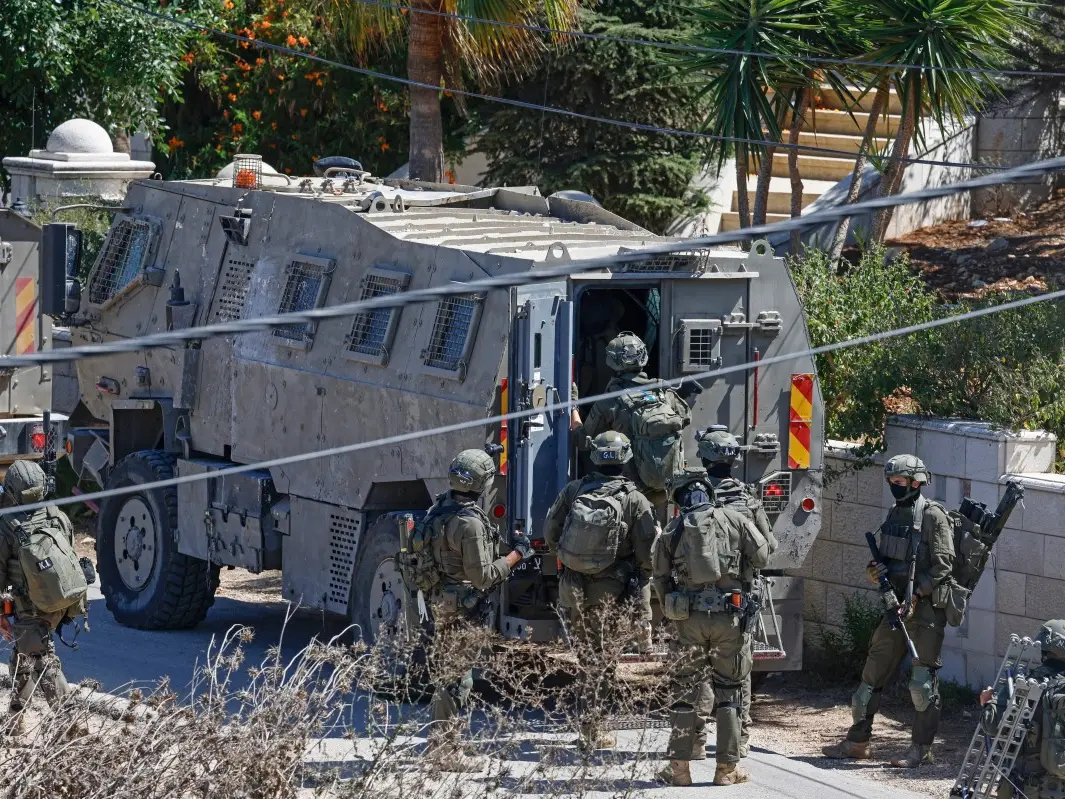)
Israeli envoy to US Yechiel Leiter’s son critically injured in West Bank ramming attack
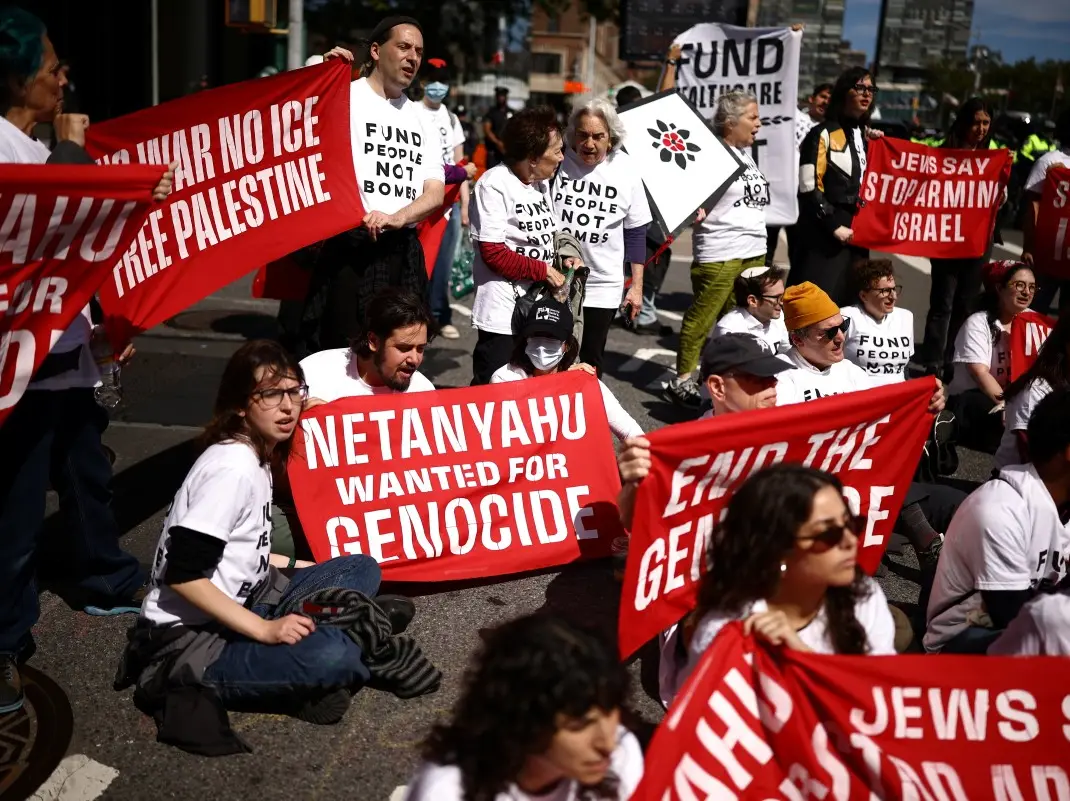)
'Fund people, not bombs': Hundreds take to New York streets as Netanyahu delivers speech at UN; dozens arrested
)
It is to be noted that, in the early 1980s, similar fiscal challenges were faced by emerging markets. Further, if things are not managed properly by the leading economies, then it can trigger another global debt crisis. This is the challenge policymakers are faced with; but how do they navigate this course without repeating history?
Over the 80 years of its existence, much has transformed in the IMF's world of international macroeconomics. From Keynesian principles calling for an interventionist regime in macroeconomics, the IMF has experienced many changes and shifts. Inflation sprees in the 1970s and early 1980s created a new challenge, focusing on the independence of monetary policy by inflation targeting, as in New Zealand since 1989.
Such is the nature of economic thought, and this has contributed to a change in policy around Europe to adopt monetary union frameworks. While fiscal policy continues, at least in structural areas concerning topics like inequality and growth, as central, it was no longer nearly the business cycle stabilizer of yesteryear. To successfully work under such pressures governments must operate within the framework of a fiscal policy and focus on resolving the current trilemma by taking proper steps.
