Liquidation suit hits China's Shimao Group over an unpaid $202 million loan


The logo of property developer Shimao Group
Chinese property developer, Shimao Group is facing a legal challenge as China Construction Bank (Asia) filed a liquidation petition against it in Hong Kong over a financial obligation amounting to HK$1,579.5 million, equivalent to $201.75 million.
This move marks a departure from the norm, as it is unusual for a state-owned bank to initiate legal proceedings against a mainland developer outside China's borders.
The development had a ripple effect through the market, with Shimao's Hong Kong-listed shares dropping by about 8.8 per cent in early trading.

Shimao Group vehemently opposed the lawsuit while saying that it would proceed with its plans to restructure about $11.7 billion of offshore debt, with the intention of slashing it by 60 per cent.
The company noted that the liquidation petition does not align with the collective interests of its offshore creditors and stakeholders.
The petition now awaits adjudication by the Hong Kong High Court, responsible for overseeing all liquidation processes in the city.
&imwidth=180&imheight=135&format=webp&quality=medium)
'Nidal Hasan's firing-squad execution to be livestreamed', says Pentagon; first US military execution since 1961
&imwidth=180&imheight=135&format=webp&quality=medium)
'Baseless and misconceived': India issues statement after Elon Musk's 'oligarchs' claim over Starlink delay
&imwidth=180&imheight=135&format=webp&quality=medium)
‘You earned that love’: Messi’s wife shares heartfelt message as football icon bids farewell to international stage
&imwidth=180&imheight=135&format=webp&quality=medium)
Trump's naked 23-karat gold statue unveiled near European Parliament
&imwidth=180&imheight=135&format=webp&quality=medium)
Musk doubles down on Starlink India licence allegations; Rahul Gandhi says ‘wait till...’
&imwidth=180&imheight=135&format=webp&quality=medium)
Thai Actors Fourth Nattawat, Gemini Norawit face racism accusations from Indian fans over viral Bollywood act
&imwidth=180&imheight=135&format=webp&quality=medium)
Captain Smit Machchhar on feet again, walks 10 steps as recovery continues after Flydubai flight attack
&imwidth=180&imheight=135&format=webp&quality=medium)
‘Battlespace has expanded’: Wg Cdr Priti Ojha (Retd) reflects on changing face of air power on IAF Day
&imwidth=180&imheight=135&format=webp&quality=medium)
At least one plane ‘catastrophically damaged’ at Riyadh airport after Houthi strikes: Report
&imwidth=180&imheight=135&format=webp&quality=medium)
Trump distances himself from senior political advisers over work for pro-Russian government
&imwidth=180&imheight=135&format=webp&quality=medium)
‘IPL franchises provided a big base’: SA20 commissioner Graeme Smith on league’s success
&imwidth=180&imheight=135&format=webp&quality=medium)
24-year-old Sri Lankan man sentenced to death for blasphemy in Saudi Arabia
&imwidth=180&imheight=135&format=webp&quality=medium)
A Love Other Than Yours: The temptation to cheat and what pushes people over the edge
&imwidth=180&imheight=135&format=webp&quality=medium)
Russia president Putin promises to 'do everything' to help settle Middle East conflict as US-Iran negotiations stall
&imwidth=180&imheight=135&format=webp&quality=medium)
Trend to replace mindless snacking with dark chocolate chunks
&imwidth=180&imheight=135&format=webp&quality=medium)
BTS agency HYBE announces first-ever Weverse Con Festival in India
&imwidth=180&imheight=135&format=webp&quality=medium)
Trump has a new 'enemy': Anyone who calls it 'artificial intelligence'. Here's what we wants instead
&imwidth=180&imheight=135&format=webp&quality=medium)
Paxton in leaked audio says Trump hurting his election chances
&imwidth=180&imheight=135&format=webp&quality=medium)
India at UN: Pak allows terror groups to operate from its soil
&imwidth=180&imheight=135&format=webp&quality=medium)
Nana Patekar's philanthropic legacy: His work for farmers and rural communities
&imwidth=180&imheight=135&format=webp&quality=medium)
Nana Patekar’s modest life: Despite Rs 80 crore net worth, he lived in a 1BHK flat in Mumbai’s Andheri
&im=FitAndFill=(700,400)&imwidth=180&imheight=135&format=webp&quality=medium)
Nana Patekar’s upcoming big-screen films: From Shakti Shalini to Eetha
&imwidth=180&imheight=135&format=webp&quality=medium)
Nobel Peace Prize 2026: Trump to Carney, who are the top contenders? Why the ISS is a surprise contender
&im=FitAndFill=(700,400)&imwidth=180&imheight=135&format=webp&quality=medium)
US midterms 2026: 10 leaders and candidates to watch in the battle for Congress
&imwidth=180&imheight=135&format=webp&quality=medium)
42 ex-judges write open letter, express concern over allegations against Election Commission
&im=FitAndFill=(700,400)&imwidth=180&imheight=135&format=webp&quality=medium)
From Kramatorsk buses to Yandex fire: Russia-Ukraine war in the last 48 hours
&imwidth=180&imheight=135&format=webp&quality=medium)
Nana Patekar's #MeToo controversy: From Tanushree Dutta’s allegations to court ruling
&imwidth=180&imheight=135&format=webp&quality=medium)
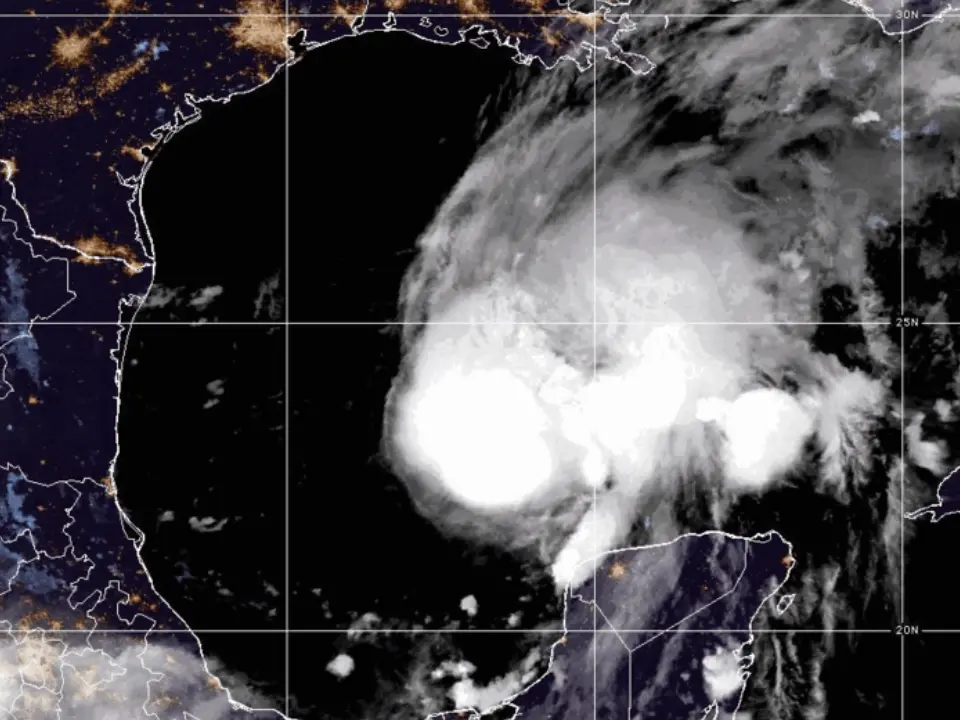
Atlantic hurricane Isaias could make landfall as a strong Category 2 storm, tornado warnings issued
&imwidth=180&imheight=135&format=webp&quality=medium)
Pakistan denies reports of PAF jets being used in attacks against Iran-backed Houthis in Yemen
&imwidth=180&imheight=135&format=webp&quality=medium)
‘Stealth will come to Pakistan before us’: Ex-IAF Chief warns, backs fighter-mounted laser weapons
&imwidth=180&imheight=135&format=webp&quality=medium)
Report: US puts military in ready mode for possible new strikes
&imwidth=180&imheight=135&format=webp&quality=medium)
Who is Nana Patekar's wife Neelakanti? The bank officer who earned Rs 2,500 when he earned Rs 50
&imwidth=180&imheight=135&format=webp&quality=medium)
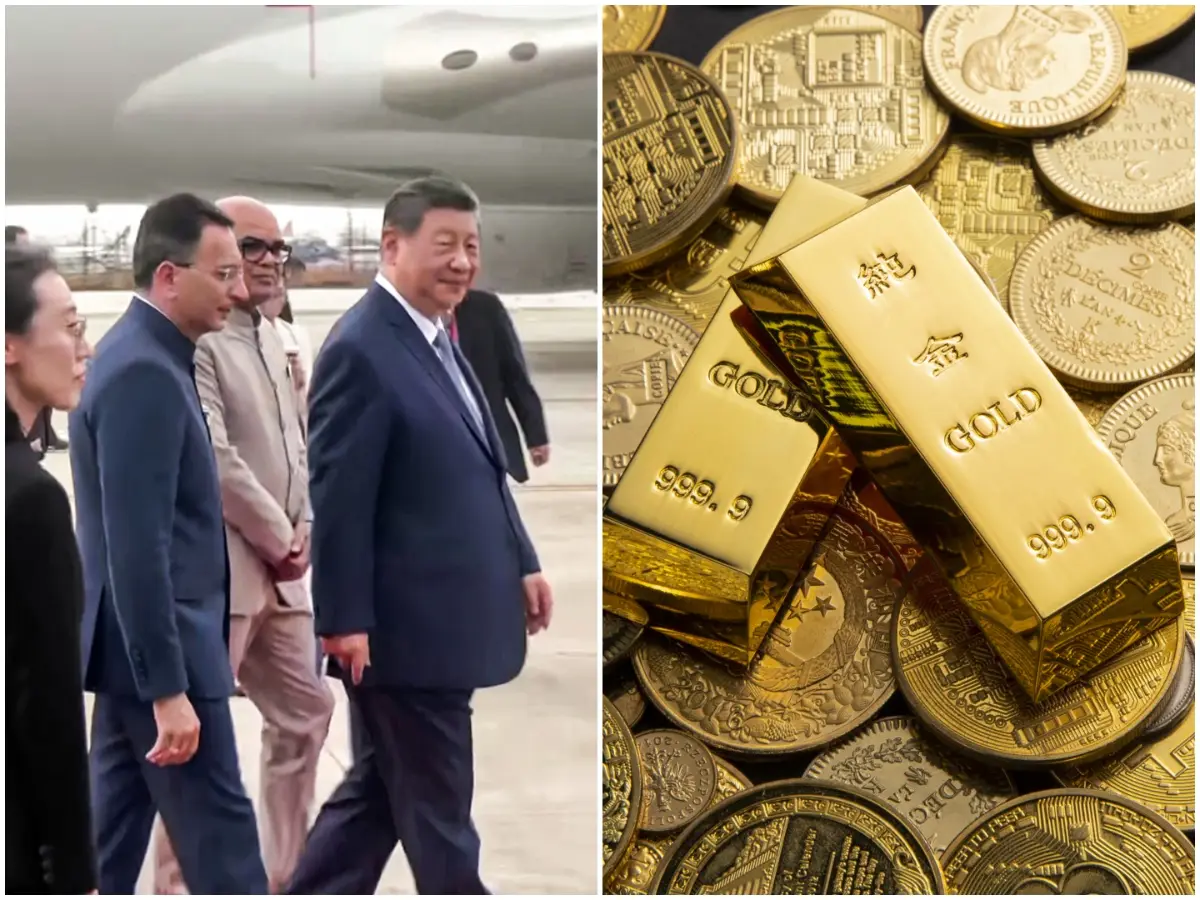
New Cold War: Why is China buying more gold? Explained
&imwidth=180&imheight=135&format=webp&quality=medium)
IndiGo flight struck by lightning at 17,000 feet, nose of Patna-Lucknow flight damaged
&imwidth=180&imheight=135&format=webp&quality=medium)
US readying to strike Iran? Report suggests Trump preparing to put on show of strength ahead of US midterms
&imwidth=180&imheight=135&format=webp&quality=medium)
Zendaya gives The Odyssey white lace jacket a stylish twist at Paris Fashion Week 2026
&imwidth=180&imheight=135&format=webp&quality=medium)
US suspends Microsoft, Infosys, Tata, Wipro from green card programme over alleged H-1B abuse
&imwidth=180&imheight=135&format=webp&quality=medium)
Sri Lankan Tamil worker gets death sentence in Saudi Arabia over blasphemy, calls for pardon intensify
Amidst the tumultuous situation, Shanghai-based Shimao finds itself caught up in other rampant issues within China's property sector.
The industry has been in upheaval since 2021 following a regulatory crackdown on high leverage among developers, triggering a liquidity squeeze.
Unlike previous instances where mainland authorities intervened with massive stimulus measures, the response has been characterised by incremental steps aimed at revitalising the sector.
Shimao's troubles have been complicated by its default on offshore bonds, a tight spot shared by many Chinese developers grappling with financial distress.
In July 2022, Shimao missed interest and principal payments for a $1 billion offshore bond, resulting in its entire $11.7 billion offshore debt being in default.
Despite laying out detailed debt restructuring terms in late March, the proposal faces opposition from a group of major bondholders, citing concerns over potential losses and the absence of upfront payments.
The recent incident indicates the continued uncertainties within China's property market.
Recent data suggests a tentative stabilisation compared to the grim state in the preceding year.
Figures from the National Bureau of Statistics reveal a 9.0 per cent year-on-year decline in property investment for the first two months of 2024, a major improvement from the 24.0 per cent fall recorded in December 2023.
Similarly, property sales by floor area registered a 20.5 per cent decrease in January-February compared to a 23.0 per cent fall in December 2023.
(With inputs from Reuters)