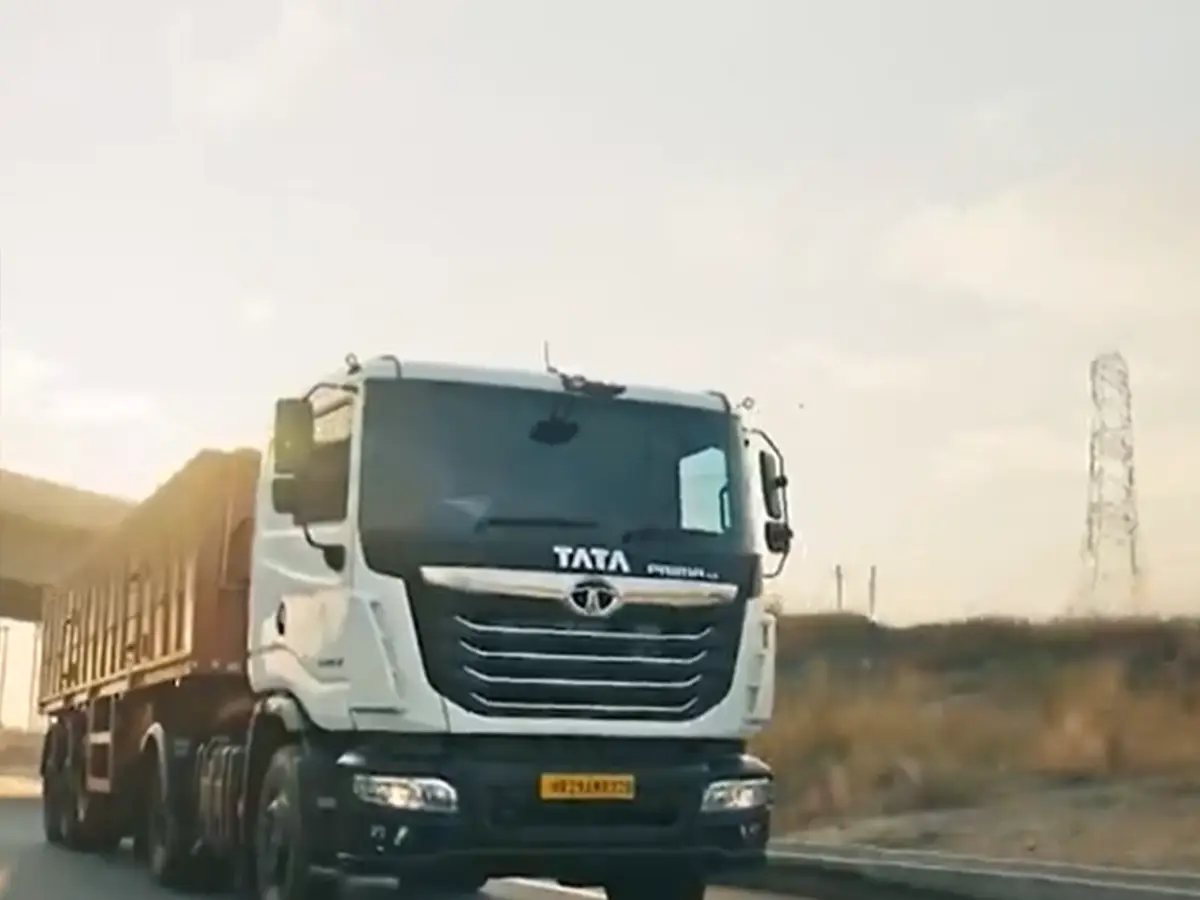
Life above load: From Ultra to Azura, high-energy crash cabin safety runs through Tata heavy-duty DNA

&imwidth=600&imheight=450&format=webp&quality=medium "Life above load: From Ultra to Azura, high-energy crash cabin safety runs through Tata heavy-duty DNA")
Life above load: From Ultra to Azura, high-energy crash cabin safety runs through Tata heavy-duty DNA Photograph: (WION)
Across Tata Motors’ truck range, one idea is becoming central: Life above load. A shift in thinking calls for bold moves that shape industries. Earlier, trucks were built to carry more. Now, they are also being built to protect better.
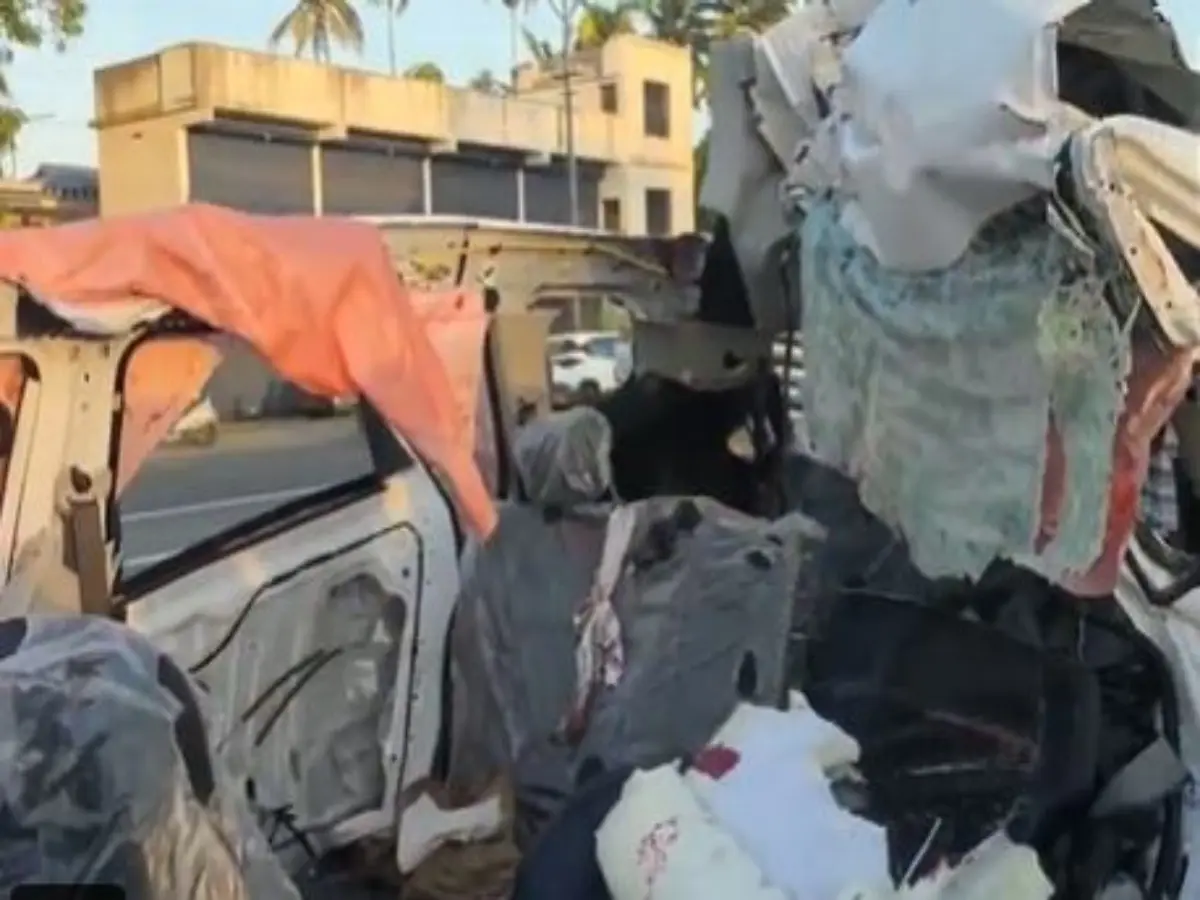
What defines a truck today? Payload, power, profitability or protection, or everything with protection at the core? When crashes happen, only one thing truly matters: survival space.
Across Tata Motors’ truck range, one idea is becoming central: Life above load. A shift in thinking calls for bold moves that shape industries. Earlier, trucks were built to carry more. Now, they are also being built to protect better.
Beyond features… Cabins that stand tall
A remarkable and dependable transformation across Tata Motors CV’s mainstream and heavy-duty truck lineup goes beyond ECE R29.03 and AIS-029 standards. India-tuned engineering is the need of the hour, given how trucks shoulder the country’s freight load amid rising speeds and crash risks. And Tata’s heavy-duty evolution proves that strong cabins carry the future, and safely!
From Ultra to Azura -- a common safety thread
Whether it’s the Ultra for distribution or the Azura for heavy-duty haulage, the approach is consistent. A crash in a mid-duty truck can be just as severe as one in a heavy-duty vehicle, that’s why Tata Motors CV has ensured:
Trending Stories
)
)
)
)
)
)
)
)
)
)
)
)
)
)
)
)
)
)
&im=FitAndFill=(700,400))
)
)
)
&im=FitAndFill=(700,400))
)
&im=FitAndFill=(700,400))
&im=FitAndFill=(700,400))
)
- ·Cabins are engineered as protective shells
- Not just driver spaces, but survival structures
- This consistency across platforms is important
- Because risk does not depend on segment
High-energy impact safety at the core of transformation
ECE R29.03 demands cabins withstand brutal tests: frontal slams, roof crushes and rear loads. Tata’s heavy-duty range -- Ultra for urban grit, Signa and Prima for mid-haul muscle, and Azura for the premium long-haul -- nails it all. High-strength steels beef up A-pillars and roof rails, optimising load paths to absorb crash energy without folding into the driver’s space.
Learning from real crashes
Tata didn’t stop at certifications. Instead of relying only on global templates, engineers studied Indian crash scenarios. What did they find?
- Offset collisions are common
- Multi-vehicle impacts are frequent
- Rollovers occur in high-speed corridors
These insights shaped additional validation tests.
Its teams pored over Indian N2/N3 truck accidents -- collision angles, intrusion spots and failure point. This birthed “due-care” simulations for offset hits and rollovers, pushing beyond global norms. The outcome was plain and simple: Cabins that handle India’s multi-directional mayhem.
So the cabins are not only globally compliant but also locally relevant.